A discreet buyer’s guide to the ownership and maintenance questions that matter most when evaluating oceanfront branded residences in Pompano Beach.
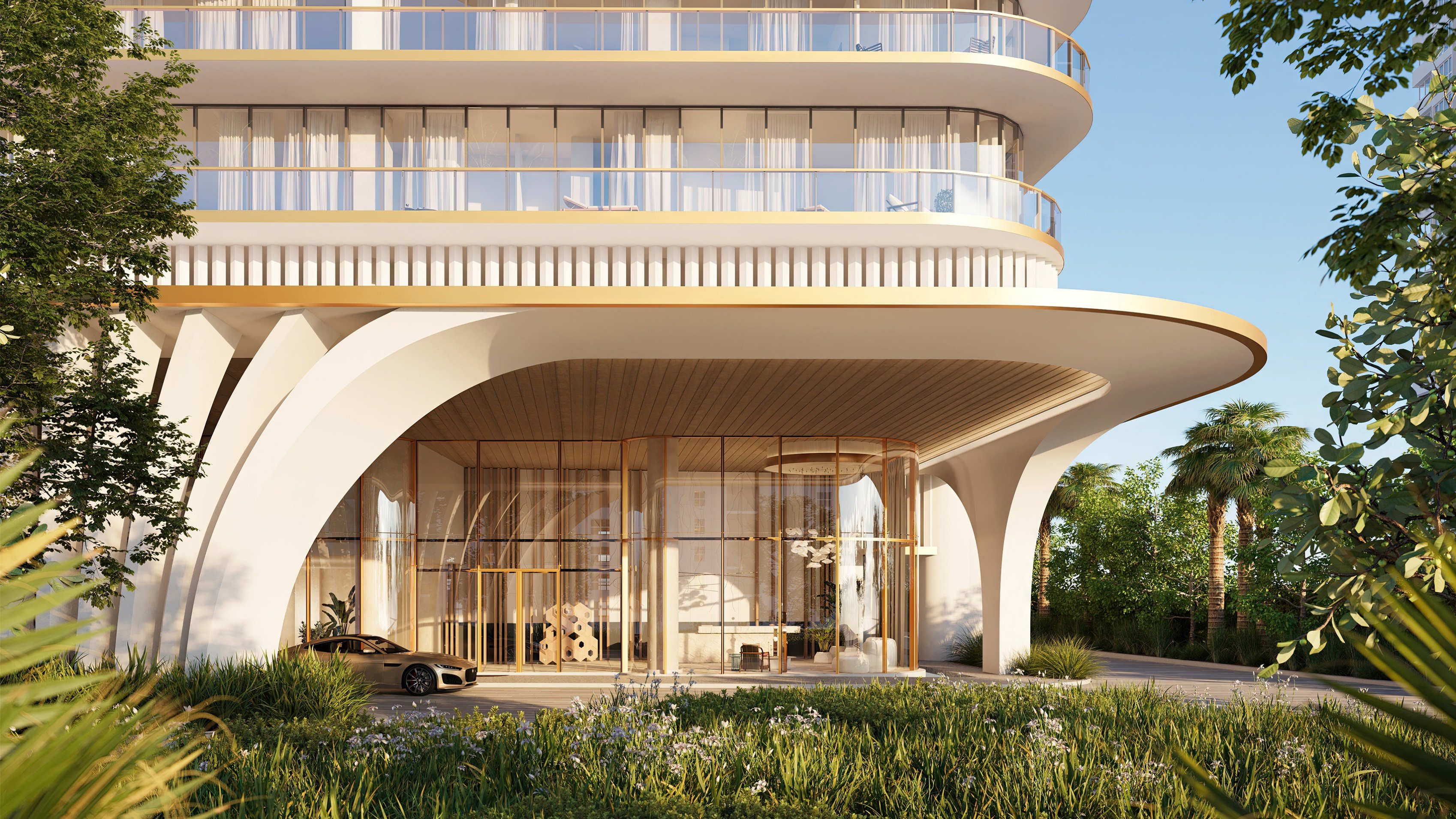
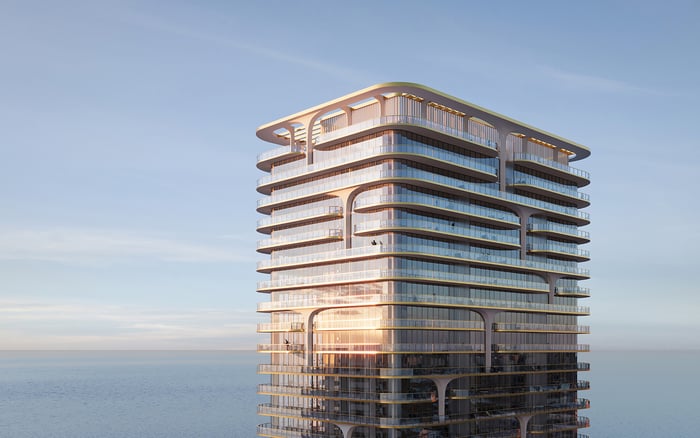
Waldorf Astoria Residences Pompano Beach enters a category where the name on the porte cochere matters, but the documents behind the residence may matter more. For ultra-premium buyers, oceanfront ownership is not simply a purchase of air, glass, service, and view. It is entry into a long-term operating ecosystem shaped by condominium governance, common-element obligations, maintenance standards, reserves, brand expectations, and coastal exposure.
The phrase “salt-air maintenance” can sound technical. For a luxury owner, it is intensely practical. It touches balcony rails, exterior glazing, mechanical systems, pool decks, waterproofing, façade upkeep, garage conditions, elevator environments, landscaping, and the quiet daily work required to keep an ocean-facing building feeling effortless. In a branded residence, the visual standard carries particular weight because buyers are not only purchasing square footage. They are buying into a promise of continuity.
In buyer shorthand, this is a Pompano Beach, Broward, oceanfront, new-construction, and pre-construction conversation. The more refined frame is sharper: who is responsible for maintaining what, who controls the standards, and how are those obligations funded over time?
The ownership question behind Waldorf Astoria Residences Pompano Beach begins with a careful reading of the condominium declaration, association documents, developer entity disclosures, and any public offering materials available to a purchaser. These are not ceremonial papers. They are the architecture of financial responsibility.
A buyer should understand which portions of the property are units, which are common elements, which may be limited common elements, and which areas may be governed by shared-use, easement, hospitality, or service arrangements. In a branded residential setting, the inquiry becomes more nuanced because a globally recognized hospitality name can shape expectations without automatically answering questions of legal responsibility.
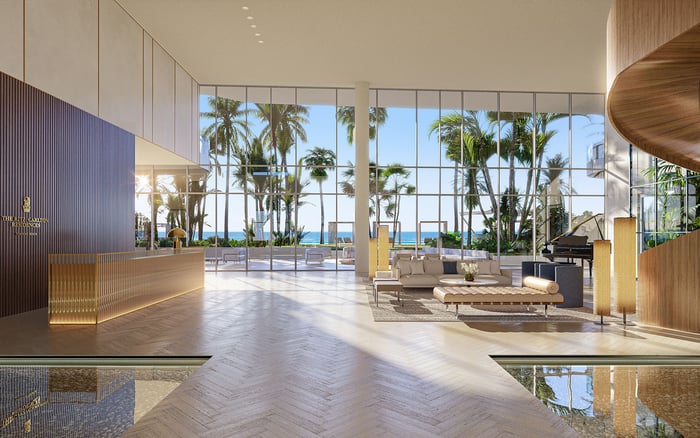
The critical distinction is between lifestyle promise and ownership obligation. A lobby may feel hotel-caliber, but the budget must still support its staffing, finishes, cleaning, insurance, replacement cycles, and long-term capital needs. A pool terrace may read as resort architecture, but in a salt-air setting its waterproofing, furniture, surfaces, and mechanical systems require disciplined upkeep. A residence can be emotionally compelling and still demand exacting document review.
South Florida’s oceanfront market rewards proximity to the Atlantic with light, breeze, and horizon. It also imposes a maintenance reality. Salt air is persistent. It finds metal, stone, sealants, coatings, hardware, and mechanical systems. The question for buyers is not whether a luxury building can withstand this environment. The question is whether the ownership documents, operating budget, reserve philosophy, and maintenance culture are aligned with that environment from the start.
In the highest tier of the market, the difference between well-run and merely well-designed becomes visible over time. Exterior conditions, elevator finishes, pool furniture, garage ventilation, spa areas, and arrival spaces either retain their composure or begin to show the cost of deferred attention. The ocean does not negotiate with branding.
That is why a buyer evaluating Waldorf Astoria Residences Pompano Beach should focus on maintenance obligations before becoming fully absorbed by renderings, amenities, or lifestyle language. The most elegant question is also the most direct: what exactly will owners be paying to preserve, and who decides when preservation becomes replacement?
A branded residence can create powerful alignment around service, design tone, and resident experience. It can also introduce another layer of agreements that buyers should understand with care. The brand or manager may influence standards, but the existence of a brand does not eliminate the need to examine the condominium association’s responsibilities, the developer’s obligations, or the scope of any management or licensing arrangement.
Sophisticated buyers should ask how brand standards are reflected in operating requirements. Are service expectations embedded in budgets? Are maintenance standards described with enough clarity? How are common areas refreshed over time? What happens if the brand relationship changes, expires, or is modified? These questions are not skeptical. They are the normal language of responsible luxury ownership.
The best branded buildings tend to feel seamless because the back-of-house governance is clear. Owners may never see the paperwork once they move in, but the quality of that paperwork can influence the ease of ownership for years.
The most important diligence questions are practical. Which components are maintained by the association? Which are maintained by individual owners? Which elements are shared, reserved, or subject to special rules? How are capital improvements approved? What reserve posture is contemplated? What insurance assumptions are embedded in the operating model? How are assessments determined?
For oceanfront residences, the buyer should also consider replacement cycles. Luxury finishes are not static assets. Outdoor furnishings, exposed hardware, glass systems, railings, pool equipment, and landscape materials can have very different useful lives in coastal settings than they would inland. A strong ownership structure anticipates this without constant surprise.
Legal and accounting advisers should review the documents, but buyers should not delegate curiosity. A purchaser who understands the maintenance map is better positioned to compare one residence against another, even when the architecture and amenity narratives appear equally persuasive.
In the luxury market, value is often discussed through view, floor height, plan, service, and address. Those remain essential. For a coastal branded residence, however, value also rests on predictability. A well-understood maintenance structure can support confidence. An unclear one can create hesitation, even when the property itself is beautiful.
This is especially important in a market where buyers may use a residence seasonally, hold it as a long-term family asset, or compare it against other trophy-caliber coastal properties. The highest-end purchaser often wants discretion, consistency, and minimal friction. Governance is part of that experience.
For Waldorf Astoria Residences Pompano Beach, the ownership question should not be treated as a footnote. It belongs at the center of the conversation, alongside design, brand, amenities, and location. In that sense, salt-air maintenance is not a negative topic. It is the discipline that protects the luxury promise.
The most composed approach is neither cynical nor romantic. It is document-led. Buyers should confirm the association framework, review the condominium declaration, understand any brand or management obligations, and evaluate how maintenance responsibility is allocated across the property. They should look for clarity rather than reassurance.
When that clarity is present, oceanfront ownership can feel remarkably simple from the resident’s perspective. The building looks cared for, services feel steady, and the atmosphere remains consistent. When clarity is absent, even beautiful architecture can become a collection of unanswered questions.
Waldorf Astoria Residences Pompano Beach sits at the intersection of hospitality identity and coastal condominium ownership. For buyers, the opportunity is to approach it with the same precision they would bring to art, yachts, private aviation, or estate planning. The right purchase is not just the one that inspires. It is the one whose obligations are understood before the keys are imagined.
What is the central ownership question at Waldorf Astoria Residences Pompano Beach? The key question is how maintenance, control, and funding responsibilities are allocated among owners, the association, and any related operating parties.
Why does salt-air maintenance matter for oceanfront residences? Salt air can accelerate wear on exposed materials, finishes, hardware, and mechanical systems, making clear maintenance planning essential.
Does a luxury brand automatically define maintenance responsibility? No. Brand identity may influence standards, but legal responsibility must be confirmed through governing and offering documents.
What documents should a buyer review? Buyers should review the condominium declaration, association documents, developer disclosures, brand or management agreements, and public offering materials.
Is this only a concern for older buildings? No. New and pre-construction buyers should also understand maintenance responsibilities before closing or committing.
Why is the association budget important? The budget can indicate how staffing, service, insurance, reserves, and ongoing upkeep are expected to be funded.
Can individual owners be responsible for exterior components? It depends on the governing documents, which should identify unit, common-element, and limited common-element responsibilities.
How should buyers compare oceanfront buildings? They should compare not only views and amenities, but also governance clarity, reserve philosophy, maintenance obligations, and operating discipline.
Why is Broward relevant to this discussion? Broward includes significant coastal luxury inventory, making ownership structure and oceanfront upkeep key comparison points for buyers.
What should a buyer prioritize before signing? A buyer should prioritize document clarity, professional review, and a precise understanding of future maintenance obligations.
For a tailored shortlist and next-step guidance, connect with MILLION.
If branded residences are on your mind — as a home or as an allocation — we would be glad to share what we are seeing, privately.
Begin a quiet conversation