A buyer-oriented guide to treating a private home spa as a disciplined wellness operation, with practical attention to space, service workflows, staffing, maintenance, privacy, and long-term asset protection.
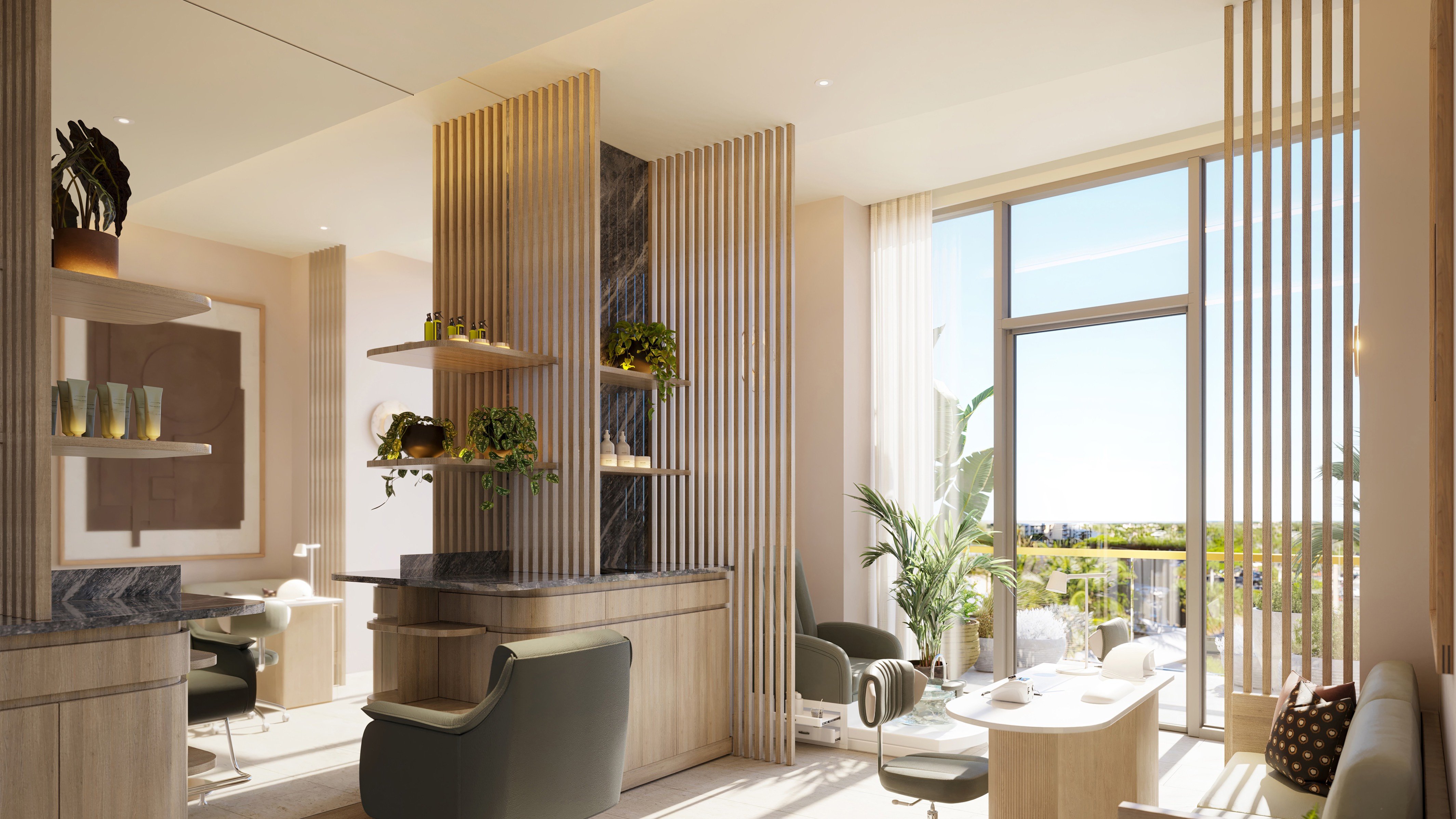
At Waldorf Astoria Residences Pompano Beach, the most sophisticated way to view an in-residence spa is not as a decorative indulgence. It is a private wellness operation. The room, rituals, practitioners, linens, storage, ventilation, and recovery experience all need to work together with the quiet consistency expected in a hotel environment.
For affluent households, value is rarely created by one spectacular fixture. It comes from frequent, frictionless use. A treatment room that is beautifully finished but difficult to schedule, hard to clean, poorly supplied, or awkward for a visiting therapist will become underused. A more disciplined setup, even if visually restrained, can become part of the household’s weekly rhythm.
This is especially relevant in a branded-residential setting, where privacy, discretion, and service standards shape daily expectations. Waldorf Astoria Residences Pompano Beach belongs in a broader Pompano Beach and Broward conversation about how luxury homes function, not only how they photograph. Luxury living and private wellness planning both benefit from treating the spa as an operating question from the beginning.
The first decision is who the spa serves and how often it will be used. A household that wants regular massage, stretching, facials, recovery therapy, or quiet relaxation should plan the space around those routines before selecting finishes. The goal is to make setup and reset effortless.
A practical spa needs clear circulation. A visiting practitioner should be able to arrive, prepare, work, and depart without disrupting the household. The same applies to guests and family members. If the spa is near private bedrooms, the owner should think carefully about access, sound, waiting space, and where supplies are staged before treatment.
Storage is not glamorous, but it determines whether the room performs. Linens, oils, robes, cleaning products, towels, skincare, small equipment, and bottled water all need defined places. If every treatment requires staff to search through closets or borrow space from another room, the private spa begins to lose the convenience that justified it.
Lighting should support both preparation and relaxation. Bright, practical lighting helps with cleaning and setup. Softer settings support treatments and recovery. The same dual-purpose thinking applies to temperature, acoustics, surfaces, and furniture placement. A home spa should feel serene, but it must also allow work to happen cleanly and consistently.
The benchmark is not extravagance. It is repeatability. Each use should deliver the same sense of readiness: the right temperature, clean surfaces, fresh linens, prepared supplies, discreet access, and an orderly recovery period after the practitioner leaves.
This kind of reliability requires written household routines. Before a treatment, someone should know how the room is prepared, what is placed out, whether music or lighting is adjusted, and how the practitioner is received. Afterward, someone should know how linens are handled, surfaces are cleaned, supplies are restocked, and equipment is checked.
The more private the household, the more important these routines become. Discretion is not only about who enters the residence. It is also about preventing confusion. When staff, family offices, assistants, or household managers understand the sequence, the experience feels effortless to the owner.
A useful rule is to treat the spa like a small private wellness department. It does not need the scale of a hotel operation, but it does need defined standards. That means inventories, vendor relationships, maintenance calendars, and a clear booking process.
In a branded residence, the private spa should complement the building’s broader service and amenity environment. It should not be treated as a replacement for every wellness need. Some services may be better suited to shared amenities or building-level offerings, while other treatments are ideal for the privacy of the residence.
Owners should decide how visiting practitioners will be approved, scheduled, and received. That includes building access, elevator protocol, parking or arrival instructions, identification, timing, and any rules for deliveries or equipment. A therapist carrying a portable table, skincare device, or product case should not encounter avoidable uncertainty at arrival.
The household should also decide who communicates with the building team. In some homes, the owner’s assistant handles bookings. In others, a house manager or family office coordinates. What matters is that responsibilities are not vague. If the concierge, property management, and private staff all have different expectations, the owner feels the friction.
Privacy should be designed into the workflow. Practitioners should know which areas of the residence are accessible, where to wait if early, where to store belongings during a session, and how to exit discreetly. This is part of the luxury experience. It also protects the household’s personal boundaries.
A home spa does not necessarily require dedicated full-time staff, but it does require accountability. Someone must own the routine. Without that person, consumables run low, linens become inconsistent, products expire, and maintenance slips.
The household should define four roles, even if one person fills several of them. First, who books treatments. Second, who prepares the space. Third, who resets and cleans it. Fourth, who manages inventories and service appointments. These are simple decisions, but they prevent the spa from becoming a beautiful room that no one fully manages.
Vendor relationships deserve the same discipline. Owners may prefer a small group of trusted massage therapists, facialists, recovery specialists, or wellness practitioners. Those relationships should be handled with professionalism: current contact details, scheduling preferences, access rules, cancellation expectations, and any household-specific notes.
Budget discipline is also part of staffing. Private wellness can quietly expand through products, visits, equipment, linens, specialty cleaning, and maintenance. A clear monthly or annual operating allowance helps the household preserve the experience without allowing it to become administratively loose.
A private spa introduces moisture, oils, heat, cleaning agents, and repeated service traffic into a residence. That makes maintenance an asset-protection issue. Finishes, mechanical systems, millwork, flooring, ventilation, and upholstery should be selected and cared for with use in mind.
The household should keep a maintenance calendar. Filters, drains, fixtures, equipment, textiles, and surfaces should be inspected on a schedule. Any product used in the room should be compatible with the finishes around it. Oils and skincare products can be luxurious during treatment but damaging if they collect on stone, wood, grout, or fabrics.
Cleaning should be specific, not improvised. The products appropriate for a spa surface may differ from those used elsewhere in the home. Staff should know what can be used, what should be avoided, and when a specialist should be called.
The larger point is preservation. A home spa should increase the livability of a residence without compromising its condition. When operations are planned well, the space remains calm, fresh, and ready. When they are not, the finishes often reveal the lack of discipline before the owner notices the operational problem.
For buyers considering Waldorf Astoria Residences Pompano Beach, the private spa conversation should begin before move-in. The best questions are practical: How will treatments be booked? Who will enter the residence? Where will supplies live? How will the room be reset? Which building protocols apply? What recurring maintenance is required?
These questions do not diminish the romance of a private wellness space. They protect it. The most elegant homes are often the ones with the clearest behind-the-scenes systems. A private spa should feel effortless precisely because the household has decided, in advance, how it operates.
Should a private spa be planned before or after interior design? It should be planned alongside interiors so storage, circulation, lighting, and service access are integrated rather than improvised later.
Is an in-residence spa meant to replace building amenities? No. It should complement the wider amenity and service environment while giving the household a more private option for selected routines.
What is hotel-grade repeatability in a home spa? It means the room delivers the same clean, prepared, comfortable, and discreet experience every time it is used.
Who should manage spa supplies? One defined person, such as a house manager, assistant, or trusted staff member, should oversee inventory, replenishment, and product condition.
How should visiting practitioners be handled? They should be scheduled through a clear process, with building access, arrival timing, permitted areas, and departure expectations established in advance.
Why does maintenance matter so much? Spa use can affect surfaces, textiles, ventilation, and mechanical systems, so regular care protects both the experience and the residence.
What should owners budget for beyond treatments? Owners should consider linens, consumables, cleaning, equipment checks, specialist maintenance, and occasional replacement of worn items.
How does privacy shape spa operations? Privacy determines who enters, where they move, how appointments are scheduled, and how discreetly the household’s routines are protected.
What makes a home spa feel truly luxurious? Consistency, cleanliness, comfort, and ease of use matter more than isolated showpiece features.
When should buyers ask operational questions? Buyers should ask them early, especially when planning layouts, staffing, vendor relationships, and coordination with property protocols.
For a confidential assessment and a building-by-building shortlist, connect with MILLION.
If branded residences are on your mind — as a home or as an allocation — we would be glad to share what we are seeing, privately.
Begin a quiet conversation