A buyer-focused look at how to compare a hospitality-influenced residence with Armani Casa Residences Pompano Beach, with emphasis on service control, privacy, and daily operation.
For sophisticated South Florida buyers, the contrast between 619 Residences by Foster + Partners + Nobu Hospitality and Armani Casa Residences Pompano Beach should not be reduced to a contest of names. The more useful lens is daily life: who operates the building, how privacy is protected, which services are actually guaranteed, and whether the residence feels effortless on an ordinary Tuesday, not only during a sales presentation.
A branded residence can create a powerful first impression, but the logo is only the starting point. Buyers should separate design identity from enforceable operating obligations. A name can influence architecture, interiors, amenity tone, and service expectations, but governing documents, management agreements, association budgets, staffing models, access plans, and written rules determine the lived experience after closing.
That distinction matters when comparing a design-led concept with a hospitality-influenced concept. A design-led residence may prioritize atmosphere, finishes, proportions, and visual restraint. A hospitality-influenced residence may raise additional questions about service culture, food and beverage relationships, staffing, programming, guest experience, and the continuity of standards over time. Neither model is automatically better; the right choice depends on how the owner expects to use the home.
The sharpest service question is simple: who is responsible when something goes wrong? In a design-branded residence model, the brand may influence the look and feel of the building, the material language, and the broader atmosphere. In a hospitality-integrated model, buyers may expect the brand to influence daily operations more deeply. Those are different propositions, and they should not be assumed to be interchangeable.
For Armani Casa Residences Pompano Beach, the prudent reading is that buyers should verify whether the offering is primarily design-led, service-led, or a combination of both. That does not make the proposition weaker. For many owners, design consistency, quiet elegance, and an edited residential environment are exactly the point. The key is whether service expectations match the legal and operational reality.
Buyers comparing it with 619 Residences should request a plain-English breakdown of what is included, what is optional, and what is merely anticipated. Concierge, valet, housekeeping coordination, maintenance response, restaurant privileges, package handling, pet services, and residence management can sound similar in conversation but operate very differently in practice. The relevant question is not whether a service appears in a presentation. It is whether the service is funded, staffed, governed, and enforceable.
Privacy in ultra-premium residential buildings is partly cultural, but mostly physical. A discreet lobby helps, but the plan matters more: arrival sequence, garage access, elevator routing, guest control, staff circulation, back-of-house separation, service entries, camera coverage, package logistics, and the way residents move from car to residence without unnecessary exposure.
For this comparison, buyers should be careful not to overstate details that have not been specifically disclosed. The crucial questions are practical. Are there private or semi-private elevator arrangements? How are visitors approved? Where do staff, vendors, and deliveries enter? Can a resident receive guests without exposing other residents? Is security visible, discreet, or both? How are high-profile arrivals handled during peak social periods?
Oceanfront living can add another layer. Beach access may be central to the lifestyle, but it can complicate privacy if resident pathways, access controls, and service movement are not carefully planned. In an oceanfront setting, the most luxurious experience is often the least theatrical one: a resident arrives, moves quietly, uses amenities without friction, and returns home without feeling observed.
The difference between a beautiful branded residence and a truly livable one often appears in small routines. How long does valet take during peak hours? Where do fresh food deliveries wait? Are large packages handled in a dedicated room? Is housekeeping arranged by building staff or by outside vendors? Are maintenance requests tracked with response standards? Are amenity spaces resident-only, shared, or bookable for private events?
These are not minor matters for owners who split time between South Florida and other markets. A second-home owner may value lock-and-leave oversight, vendor coordination, climate checks, and careful package handling more than a dramatic amenity deck. A full-time resident may care more about elevator efficiency, acoustic privacy, pet movement, children’s arrivals, and staff consistency.
In Pompano Beach, daily-use planning also intersects with the broader north Broward luxury conversation. Buyers are not merely asking whether a brand is recognizable. They are asking whether a specific building can deliver an ownership experience that fits their routines while offering a coastal identity distinct from denser Miami corridors.
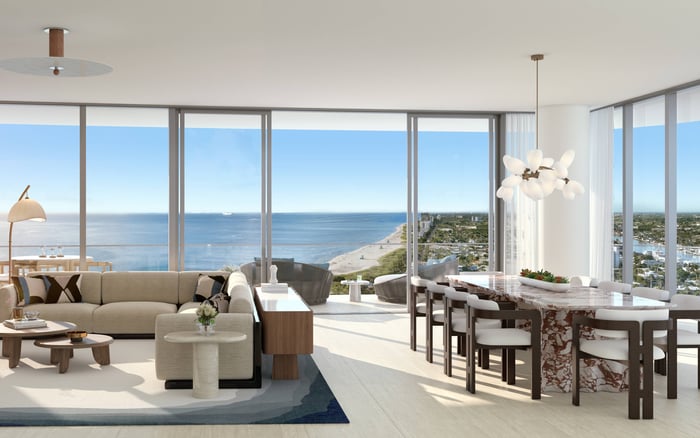
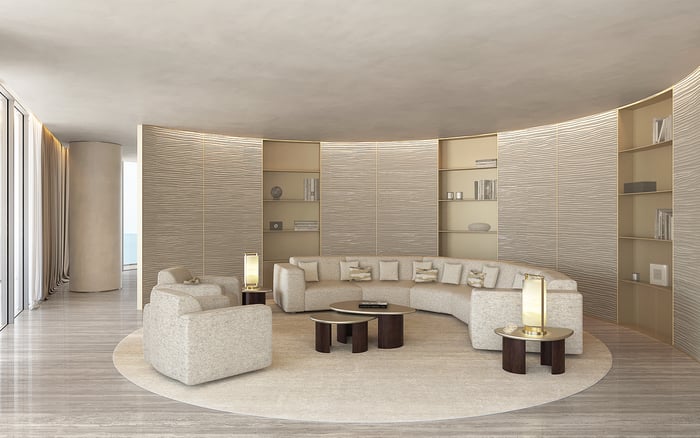
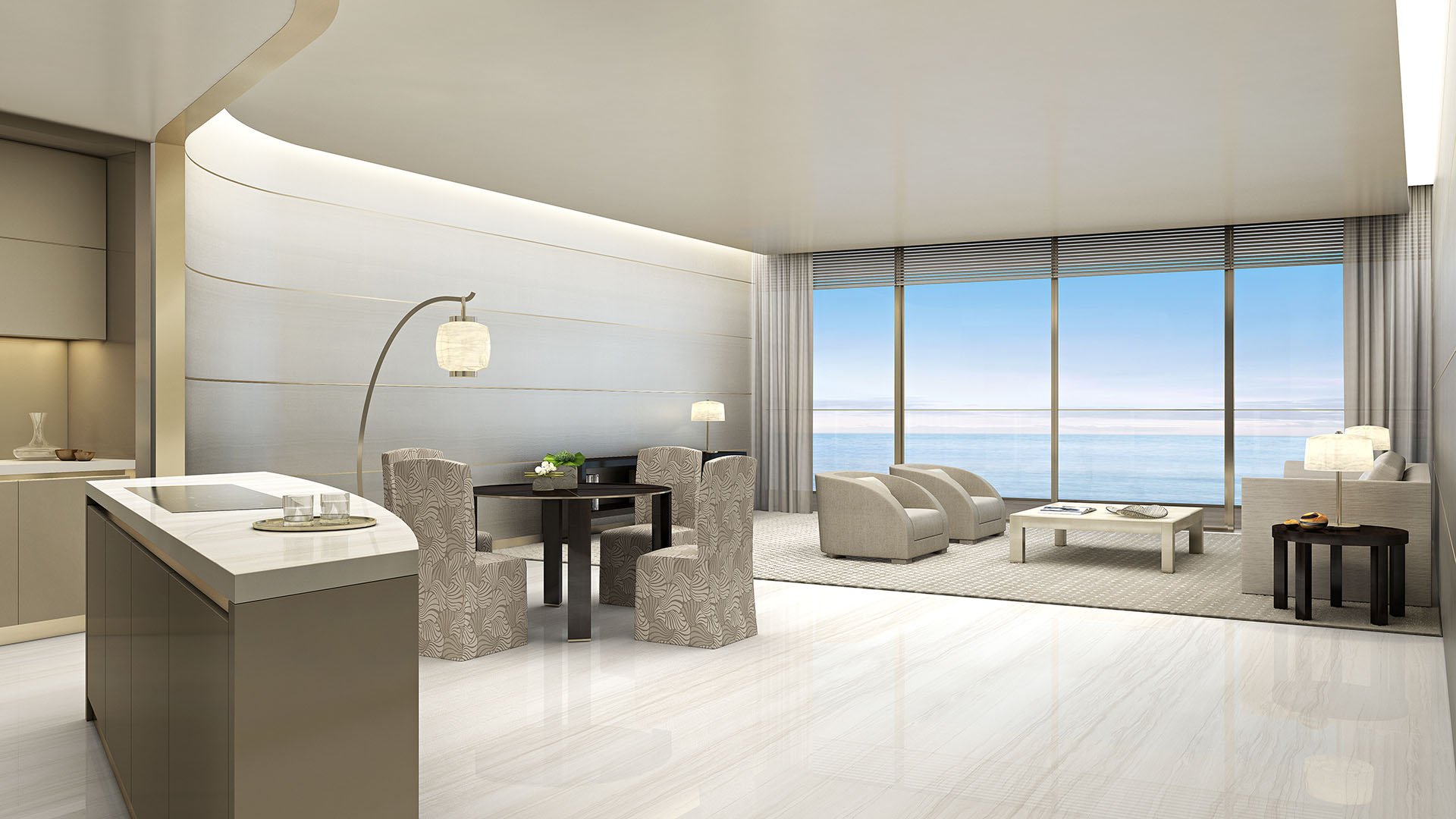
Armani Casa Residences Pompano Beach should be evaluated as a residential environment, not only as a design statement. Buyers should review how the interiors, amenities, access points, parking plan, service areas, and association structure work together. A refined visual language is meaningful, but it must be supported by practical operations.
That kind of atmosphere can be especially appealing to buyers who want their home to feel composed, tailored, and private. Boutique should not always mean small, and large should not automatically mean impersonal. The better question is whether the building’s amenity, access, and staffing model supports the same level of restraint promised by the interiors.
The name 619 Residences by Foster + Partners + Nobu Hospitality invites a different set of questions. Foster + Partners suggests that buyers will examine the architecture closely: proportion, structure, light, arrival, facade logic, and the relationship between private residences and shared spaces. Nobu Hospitality suggests that buyers will ask about service culture, guest experience, food and beverage connections, and the rhythm of a hospitality-informed lifestyle.
But those expectations need confirmation. A buyer should ask whether hospitality is embedded in daily residential operations, limited to selected amenities, expressed through programming, or attached primarily to brand identity. Buyers should also review whether any service standards survive turnover from developer control to association governance.
This is where new-project conversations require discipline. The earlier the sales stage, the more important it is to distinguish intention from obligation. A polished vision may be meaningful, but it is not a substitute for budgets, management documents, recorded rights, and rules that explain how the building will function in real life.
Broward has become more relevant to buyers who want ocean proximity, newer residential concepts, and a quieter alternative to the most saturated Miami corridors. Pompano Beach, Fort Lauderdale, and Hillsboro Beach each speak to a different version of coastal living, from marina convenience to Atlantic-front calm.
For Armani Casa Residences Pompano Beach, the north Broward setting is part of the thesis. The project is not just about an individual residence. It reflects the movement of branded living into markets that may appeal to buyers seeking a different pace within South Florida. That shift is important, but it does not eliminate the need for careful building-level review.
Before choosing between the two, buyers should ask for the proposed condominium documents, association budget, management agreement, brand agreement summary, service menus, rules and regulations, rental policies, pet policies, parking allocation, valet plan, access-control protocol, amenity reservation rules, and any statement of included versus à la carte services.
They should also ask what happens if the hospitality or design relationship changes over time. Can the brand be replaced? Are standards enforceable? Who pays for branded service enhancements? Are owners required to use preferred vendors? What is controlled by the association, the manager, the hotel operator if any, or the brand partner?
The final decision is not whether one name sounds more glamorous. It is whether the service model, privacy architecture, and daily-use mechanics align with the way the owner actually lives.
Is Armani Casa Residences Pompano Beach a branded residential project? Buyers should treat it as a branded residential concept and verify the exact brand role in the offering documents, management materials, and purchase disclosures.
What is the main buyer distinction between Armani Casa and 619 Residences? The useful distinction is not only the brand name; it is whether the building is primarily design-led, hospitality-influenced, or governed by a deeper service operating model.
Should buyers assume Nobu Hospitality operates every daily service at 619 Residences? No. Buyers should verify the operating structure, service scope, management responsibilities, and governing documents before relying on that assumption.
What privacy details matter most in this comparison? Arrival sequence, elevator routing, staff access, visitor control, garage movement, and delivery logistics are essential privacy points.
Are HOA fees and valet capacity confirmed for this comparison? Specifics such as HOA fees, valet capacity, package handling, and maintenance standards should be confirmed directly in project documents.
Why does design-led branding matter? It can shape finishes, atmosphere, material quality, and the emotional tone of the home, even when it does not control daily operations.
Why does hospitality branding require extra diligence? Hospitality branding can imply service expectations, so buyers should confirm which services are included, optional, separately billed, or subject to future association control.
What daily-use questions should second-home buyers ask? They should ask about lock-and-leave oversight, package handling, vendor access, maintenance response, climate checks, and how staff communicate when the owner is away.
How should buyers evaluate privacy in an oceanfront setting? They should review beach access controls, resident pathways, service routes, visitor procedures, and how shared amenity spaces are separated from private residential circulation.
What should a buyer review before choosing either project? Review condominium documents, budgets, brand agreements, management structure, service menus, privacy plans, rental rules, pet policies, parking allocation, and amenity rules.
When you're ready to tour or underwrite the options, connect with MILLION.
If branded residences are on your mind — as a home or as an allocation — we would be glad to share what we are seeing, privately.
Begin a quiet conversation