A buyer-oriented look at how Miami Beach luxury condo decisions increasingly center on construction quality, façade upkeep, and reserve transparency rather than surface glamour alone.
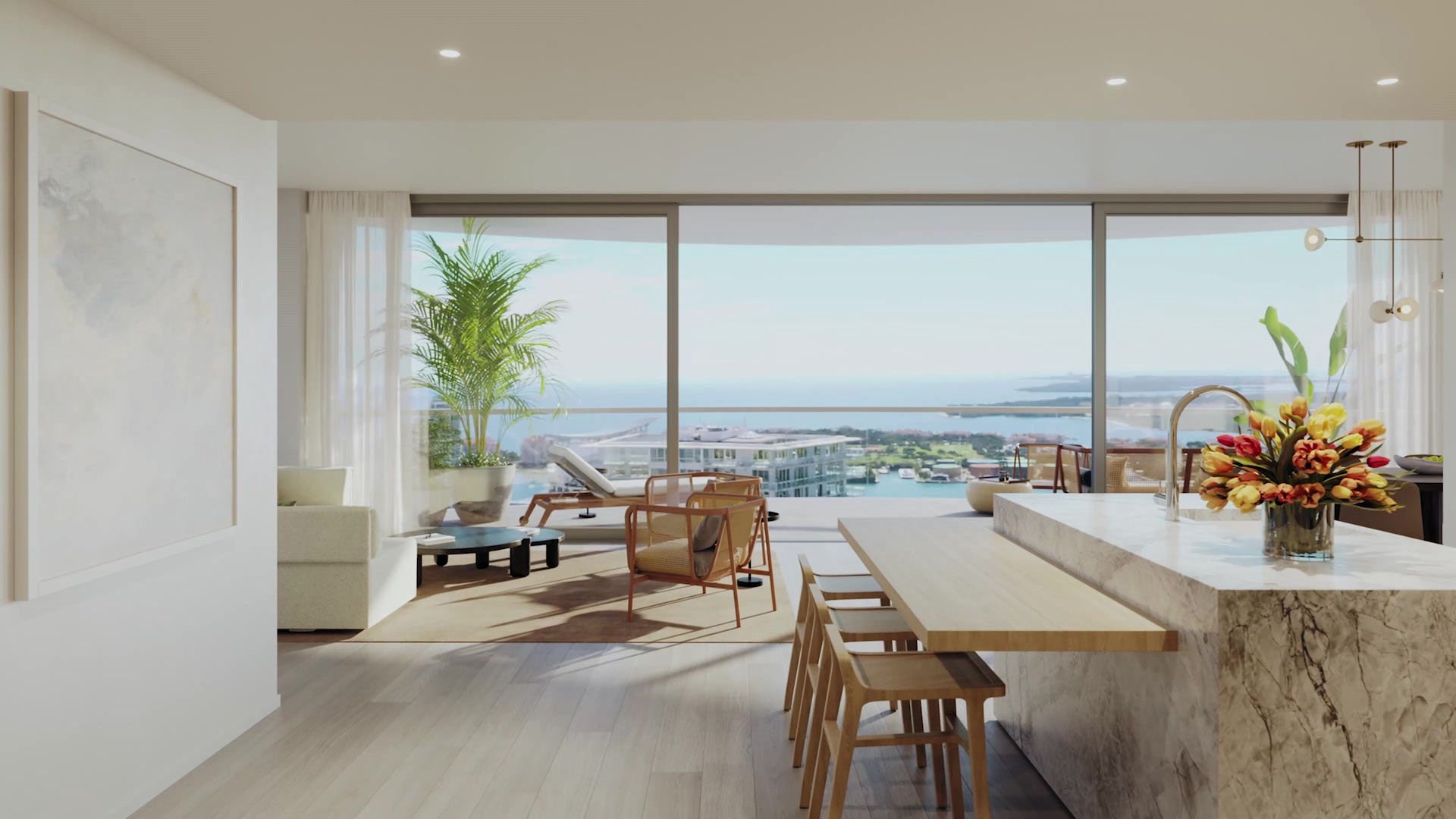
Miami Beach has always understood spectacle: the arrival sequence, the ocean horizon, the elevator opening directly into a private foyer, the quiet theater of light over limestone, glass, and water. Yet the most sophisticated buyers are looking beyond the visible finish. They want to understand how a building is assembled, how it is maintained, and how clearly future capital needs are disclosed.
That is the modern South Florida question. In a coastal market where salt air, humidity, wind, sun, and time each impose their own discipline, beauty is only one part of value. The more important question is whether that beauty is supported by governance, inspection, documentation, and reserve planning. Miami Beach, especially at the upper end, increasingly answers by making due diligence feel less like an afterthought and more like part of the luxury experience.
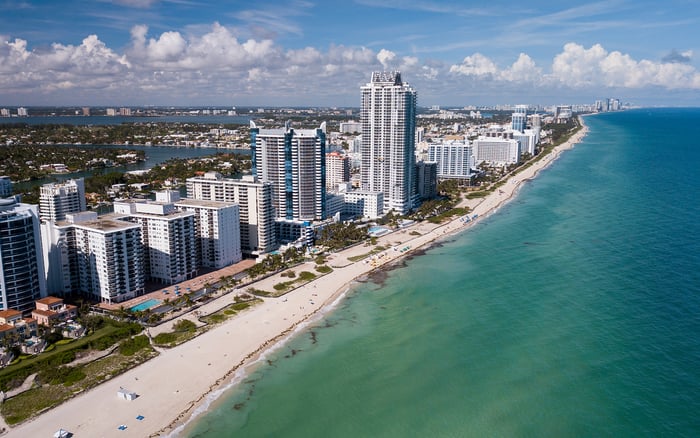
For buyers comparing Miami Beach with other South Florida addresses, the shorthand is simple: oceanfront exposure, terrace detailing, new-construction specifications, resale documentation, and South of Fifth discipline each deserve separate review.
In luxury real estate, construction quality used to be discussed quietly, mostly among engineers, developers, and exceptionally technical buyers. Today, it belongs in the primary conversation. A residence may have a celebrated lobby and refined interiors, but informed buyers also ask about concrete, waterproofing, window systems, balcony conditions, mechanical infrastructure, and the integrity of the building envelope.
This shift does not diminish design. It elevates it. The finest buildings are those where architecture and durability are aligned, where a façade is not merely a visual identity but a protective system, and where the outdoor experience is designed with the realities of coastal ownership in mind. In Miami Beach, the strongest purchase decisions now balance emotion with evidence.
A buyer standing in a model residence or touring a resale should read the building as a whole. Are exterior materials aging with dignity? Do railings, glazing, and terrace finishes appear consistently maintained? Is the arrival experience matched by the service areas, garage, mechanical spaces, and common corridors? Luxury, at its most convincing, is consistent even where guests do not linger.
The façade is the public face of a building, but in Miami Beach it is also one of its most important performance systems. It mediates between private life and the coastal environment, protecting interiors, terraces, structure, and common elements while defining the building’s architectural presence from the street, the sand, and the water.
Façade maintenance is therefore not a cosmetic line item. It is an ownership issue. When exterior systems are inspected regularly, repaired promptly, and funded responsibly, the building preserves both confidence and continuity. When visible wear is allowed to accumulate, buyers may begin to question whether less visible conditions have received the same level of attention.
For ultra-premium owners, this matters because the cost of deferred maintenance is rarely just financial. It can affect privacy, convenience, renovation timing, insurance conversations, rental flexibility where permitted, and the ease of eventual resale. A pristine residence in a poorly governed building may still carry unnecessary friction. Conversely, a building with transparent maintenance practices can make ownership feel calmer, more predictable, and more liquid.
Replacement reserves may not sound glamorous, but they are among the clearest signals of a building’s maturity. They show whether an association is planning for future repairs and replacements, or simply reacting as needs emerge. For a high-net-worth buyer, reserve visibility is not merely about avoiding surprise assessments. It is about understanding the long-term character of ownership.
The most attractive buildings tend to make documentation accessible and intelligible. Buyers and their advisors want to review budgets, reserve studies where available, meeting minutes, insurance information, maintenance histories, pending projects, and any planned capital work. The purpose is not to find perfection. Every building ages. The purpose is to understand whether leadership is proactive, realistic, and financially prepared.
This is where Miami Beach can be especially compelling for disciplined buyers. The market’s prestige creates pressure for buildings to preserve standards, and the buyer pool is increasingly sophisticated. A residence that pairs design pedigree with visible capital planning speaks to a deeper definition of luxury: not just ownership today, but confidence in the years ahead.
The new-construction buyer often begins with specifications. They study developer reputation, design team discipline, material selections, window systems, amenity planning, and the extent to which the building has been conceived for coastal performance. Newness can offer clarity, especially when warranties, manuals, and operational systems are organized from the beginning.
The resale buyer begins with evidence. In an existing building, the central question is not promise but performance. How has the property behaved over time? How has the association responded to maintenance needs? Have common areas been kept current? Are façade and terrace issues addressed as part of a regular rhythm rather than a crisis cycle?
Neither category is automatically superior. A new tower can be beautifully marketed and still require careful document review. An established building can offer exceptional confidence if its governance, reserves, and maintenance culture are strong. The best buyers do not assume quality from age. They verify quality through records, condition, and the seriousness of stewardship.
Miami Beach remains distinctive because its luxury market is both emotional and exacting. Buyers come for water, architecture, culture, and the sense of living in a place that is instantly recognizable. But the strongest purchases are increasingly made by people who know that a brilliant view is only as valuable as the building that frames it.
This is especially true in boutique and oceanfront environments, where fewer residences can mean a more intimate ownership experience, but also a heightened need to understand shared obligations. Amenities, staffing, façade systems, elevators, pools, terraces, seawalls where relevant, and mechanical systems all require funding over time. A discreet building can be elegant, but elegance must still be financed.
The Miami Beach buyer who asks sharper questions is not being pessimistic. They are protecting the experience they came to buy. They are seeking a residence where the morning ocean air, the evening terrace, and the ease of arrival are supported by a board, budget, and maintenance culture worthy of the address.
A refined due diligence process should feel comprehensive without becoming theatrical. Buyers should request core association documents, current budgets, reserve information, recent meeting minutes, insurance summaries, maintenance histories, and details on any planned or ongoing capital projects. If exterior repairs, waterproofing, concrete work, balcony work, roof work, or mechanical upgrades are under discussion, the scope and funding path should be understood before closing.
Private inspections matter as well. Even in an apartment residence, buyers should look carefully at windows, doors, terraces, signs of moisture, ceiling conditions, mechanical equipment, and the relationship between private improvements and common-element responsibilities. Legal and engineering advisors can translate documents into risk, timing, and practical ownership implications.
The ultimate goal is not to eliminate every unknown. It is to distinguish normal building life from avoidable uncertainty. In that distinction, Miami Beach rewards patience, professionalism, and the willingness to look behind the finish package.
Why has construction quality become such a central issue for Miami Beach buyers? Coastal ownership places constant demands on buildings, so buyers increasingly want confidence in structure, systems, materials, and governance.
Is façade maintenance only about appearance? No. The façade protects the building envelope and can influence comfort, durability, resale confidence, and future capital needs.
What are replacement reserves? Replacement reserves are funds intended to help pay for future repairs and replacements of major building components.
Should a cash buyer still review association documents carefully? Yes. Liquidity does not remove the need to understand building obligations, capital planning, and potential future costs.
Is new construction always safer than resale? Not automatically. New buildings offer fresh systems, while established buildings offer performance history that can be reviewed.
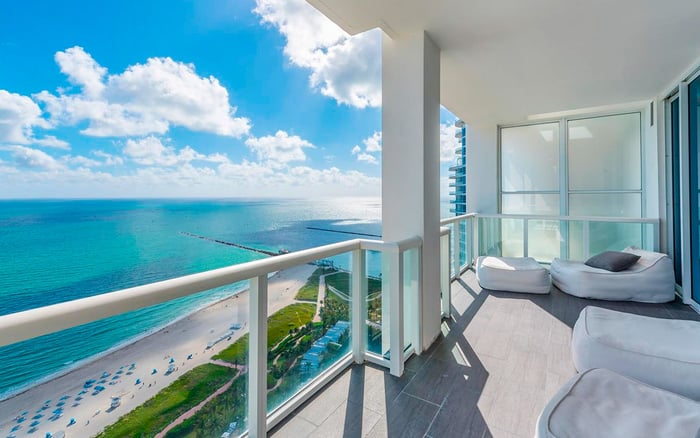
What should buyers ask about terraces? Buyers should understand maintenance responsibility, waterproofing history, railing condition, drainage, and any planned exterior work.
Why does South of Fifth often attract highly disciplined buyers? Its prestige and limited setting tend to draw purchasers who compare not only views and finishes, but also building quality and governance.
Can a beautiful residence be weakened by weak building reserves? Yes. A private interior is only one part of ownership, and shared financial planning can affect the entire experience.
How early should due diligence begin? It should begin before an offer is finalized whenever possible, so pricing and terms can reflect building realities.
What is the best way to shortlist comparable options for touring? Start with location fit, delivery status, and daily lifestyle priorities, then compare stacks and elevations to validate views and privacy.
When you're ready to tour or underwrite the options, connect with MILLION.
If branded residences are on your mind — as a home or as an allocation — we would be glad to share what we are seeing, privately.
Begin a quiet conversation