A buyer-focused guide to verifying impact-glass specifications in Bal Harbour, from NOA numbers and design pressures to condo governance, installation records, comfort, acoustics, and insurance questions.

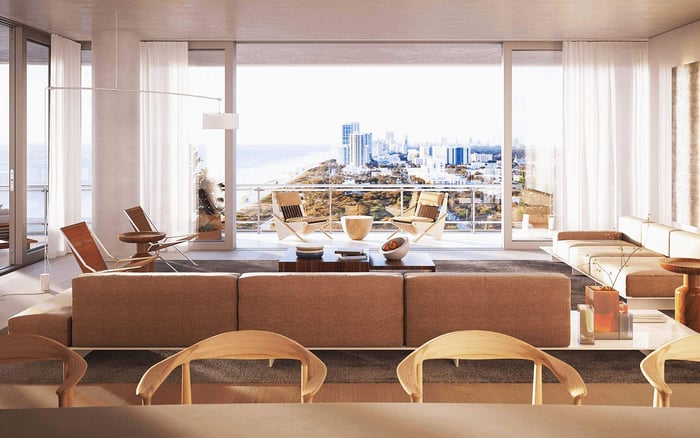
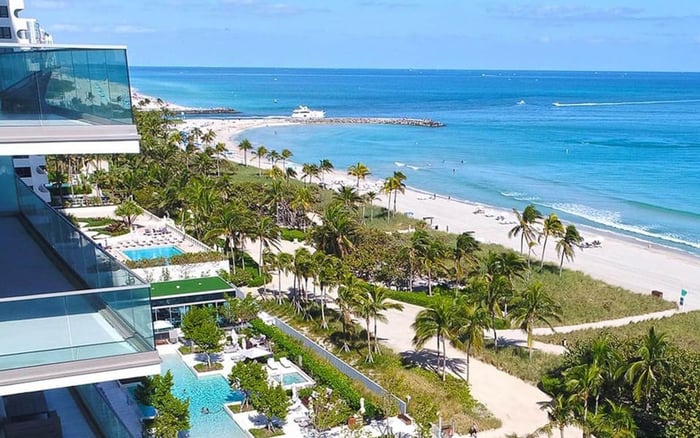
In Bal Harbour, glass is not a decorative afterthought. It is the envelope through which a residence receives the Atlantic horizon, the Collins Avenue skyline, terrace light, and the coastal weather that defines South Florida. For a luxury buyer, the phrase “impact glass” should open a technical conversation, not close one.
The first shift is conceptual: impact glass is not simply a pane of “hurricane glass.” It is a complete glazing system composed of glass, interlayer, frame, anchorage, substrate, and an approved installation method. A residence may feel serene, especially in an Oceanfront setting, while still requiring careful verification beneath the aesthetic surface.
That is why Bal Harbour buyers should convert marketing language into documentation. Ask for product approvals, design pressures, installation drawings, permits, inspection approvals, and closeout records. The stronger the view, the larger the opening, and the higher the elevation, the more important the file becomes.
Because Bal Harbour sits within Miami-Dade County, buyers should ask whether every major opening has a Miami-Dade Notice of Acceptance or another applicable Florida product approval. This applies to fixed windows, sliding doors, storefront-style systems, curtain walls, and other exterior glazing assemblies.
Do not accept “storm rated” as a substitute for an approval number. Ask for the exact NOA or product approval number for each system. Approved assemblies are limited by tested size, glass makeup, frame type, anchorage, substrate, and installation conditions. A product approved in one size or configuration is not automatically approved for every oversized luxury application.
This matters in residences with broad balcony sliders, custom façade elements, or corner glass. When comparing Bal Harbour properties such as Rivage Bal Harbour or established residences like Oceana Bal Harbour, the right question is not whether the building has impact glass in a general sense. The right question is whether the specific installed assemblies match their approvals.
Impact resistance and wind-pressure resistance are related, but they are not the same diligence item. Buyers should verify that the installed glazing is approved for the property’s wind zone and exposure, rather than relying on a general description of “impact resistant.”
For every major opening, request the positive and negative design pressures. These values are especially important for corner units, Penthouse residences, and large balcony sliders, where wind forces can be more demanding. Negative pressure can be particularly critical because suction forces act on the building envelope during storm events.
Ask whether the glazing systems were tested under HVHZ impact and cyclic-pressure standards, including TAS 201, TAS 202, and TAS 203 where applicable. Also confirm whether the glass is large-missile impact rated. Hurricane debris protection depends on impact testing as well as pressure testing, and the distinction can matter when assessing whether shutters or other protective systems are still required.
Luxury architecture often celebrates scale: uninterrupted glass, wide openings, transparent corners, and expansive balcony access. Yet product approvals do not automatically cover every possible dimension. Ask whether oversized panels, sliding doors, and custom façade systems match the exact dimensions allowed in the approval documents.
Then move from the glass to the anchorage. What are the frames anchored into: concrete, masonry, steel, or another assembly? Approved anchorage details depend on substrate type, fastener spacing, edge distances, and installation conditions. A beautifully specified system can underperform if installed outside its approved method.
This is where installation records become essential. Request permits, inspection approvals, and closeout documents. The goal is to confirm not only that the selected product was approved, but that it was installed as approved. In a coastal luxury purchase, the difference is not academic. It can affect performance, maintenance, insurance discussions, and future resale confidence.
In a condominium acquisition, buyers should not assume they control exterior glazing simply because the openings serve their residence. Balcony doors, fixed windows, curtain walls, common-area glass, lobby glazing, and amenity glazing may be treated differently under condominium documents.
Review whether these elements are unit-owner property or common elements before assuming replacement rights. Then ask for association records relating to prior or planned glazing projects, reserves, special assessments, and rules restricting individual window modifications. For Bal Harbour buyers, this is a core part of Buyer's Guides thinking: the asset is both a private residence and a share in a governed building.
The same discipline is useful when evaluating nearby waterfront markets. A buyer comparing Bal Harbour with Surfside options such as The Delmore Surfside or Bay Harbor Islands residences such as La Maré Bay Harbor Islands should ask who controls the envelope, who pays for future replacement, and what approval path applies if changes are desired.
Impact glass is often discussed in storm-season terms, but luxury buyers should also ask how it shapes daily living. Request energy-performance details, including whether the system uses insulated glass, low-E coatings, solar heat-gain controls, and documented U-factor information. Large glass areas affect heat gain, glare, comfort, and cooling loads, particularly in residences with broad exposures.
Acoustic performance deserves equal attention. Oceanfront residences, Collins Avenue-facing units, and mechanically exposed units can benefit from laminated and insulated systems that reduce interior noise. A quieter bedroom, library, or dining room is not merely a technical benefit. It is part of the luxury experience.
Age and maintenance should be reviewed with the same care. Ask about glazing age, seal failures, corrosion, water intrusion, prior repairs, gaskets, sealants, and hardware. Coastal exposure can affect components over time, especially where salt air, balcony conditions, and high humidity interact with frames and moving parts.
Do not stop at the unit’s principal windows. Confirm whether glass railings, Terrace enclosures, storefront-style lobby glass, and amenity glazing are impact-rated where required. A sophisticated building envelope includes more than the most photogenic views.
Before closing, speak with the insurer or broker about whether documented impact-resistant openings affect windstorm underwriting, credits, or required inspections for the specific property. The answer may depend on documentation, installed systems, inspection history, and the building’s broader condition.
From a resale perspective, clean glazing documentation can be a quiet advantage. Future buyers are likely to ask the same questions, particularly in Bal Harbour, where residences compete on architecture, view corridors, and coastal resilience. A file with approvals, design pressures, permits, inspection signoffs, and association records can make a residence easier to understand and easier to defend during negotiation.
Before signing, ask these questions in writing:
What is the NOA or product approval number for each window, sliding door, curtain wall, and storefront system? What are the positive and negative design pressures for each major opening? Is the system approved for the property’s wind zone and exposure? Was the glass tested for large-missile impact where required? Do any openings still require shutters or other protection?
Then ask the installation questions. Do the installed sizes match the approved dimensions? What is the glass makeup? What frame type is installed? What substrate are the frames anchored into? Are permits, inspections, and closeout documents available? Finally, ask the ownership questions: who controls replacement, what association rules apply, and are any assessments or reserve items tied to glazing?
In Bal Harbour, the most elegant answer is not a slogan. It is a complete, coherent file.
Is all “impact glass” the same in Bal Harbour? No. Buyers should treat impact glass as a full approved system that includes glass, frame, anchorage, substrate, and installation method.
What document should I ask for first? Ask for the exact Miami-Dade NOA or applicable Florida product approval number for each exterior glazing system.
Why do design pressures matter? They show whether an opening is engineered for the positive and negative wind forces expected at that location, exposure, and elevation.
Are penthouse windows more complicated? They can be. Penthouse, corner, and large-slider openings may face higher pressures and should be reviewed opening by opening.
Can oversized sliders exceed an approval? Yes. Product approvals are limited by tested dimensions and configurations, so installed sizes must be checked against the approval.
Does wind-rated mean impact-rated? Not necessarily. Some systems may address pressure performance without providing the required impact protection for debris.
Should I ask whether shutters are still required? Yes. If any opening is not impact-rated where protection is required, shutters or another protective system may still be necessary.
Who controls window replacement in a condo? It depends on the condominium documents. Some glazing may be a common element, while other components may be tied to unit-owner responsibility.
Do energy and acoustic specifications matter? Yes. Low-E coatings, insulated glass, U-factor, solar heat-gain control, and acoustic performance can materially affect comfort.
Can impact-glass documentation affect insurance? It may. Ask the insurer or broker whether documented impact-resistant openings affect underwriting, credits, or required inspections.
For a tailored shortlist and next-step guidance, connect with MILLION.
If branded residences are on your mind — as a home or as an allocation — we would be glad to share what we are seeing, privately.
Begin a quiet conversation