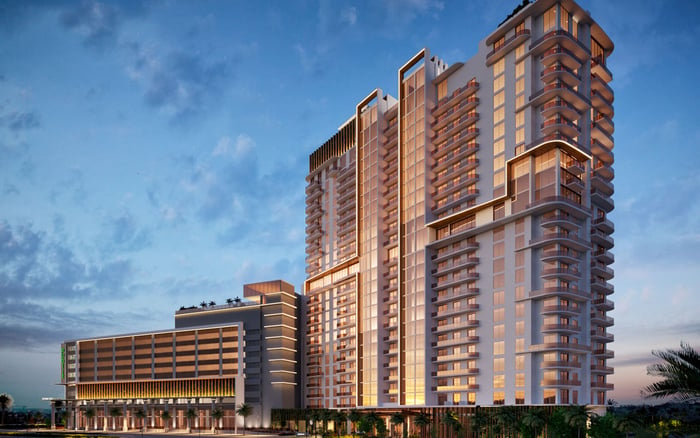
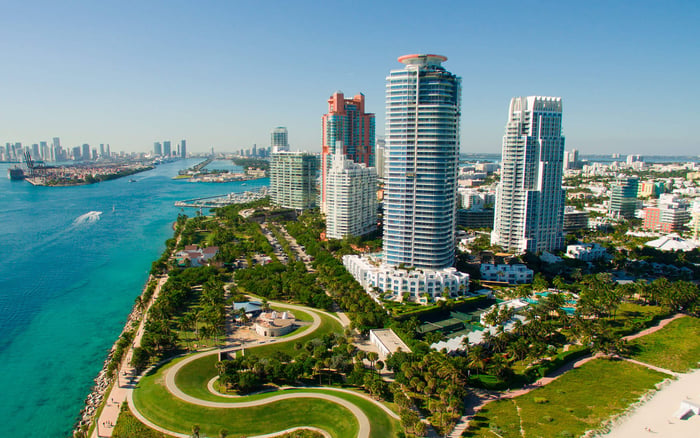
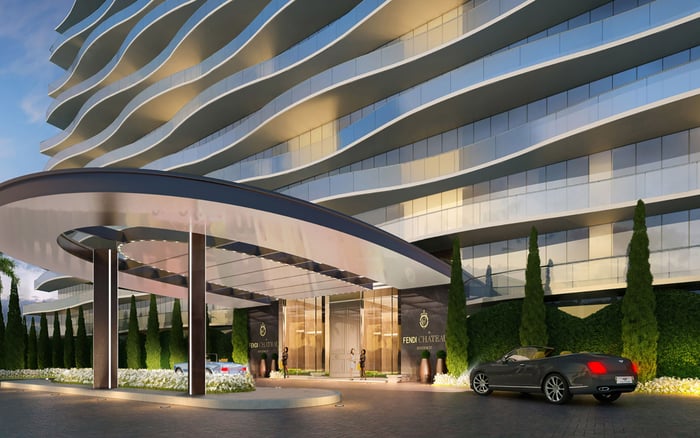
A practical look at how La Maré Bay Harbor Islands supports extended personal guest stays through an owner-led, residential model focused on privacy, access control, waterfront living, and neighborly calm.
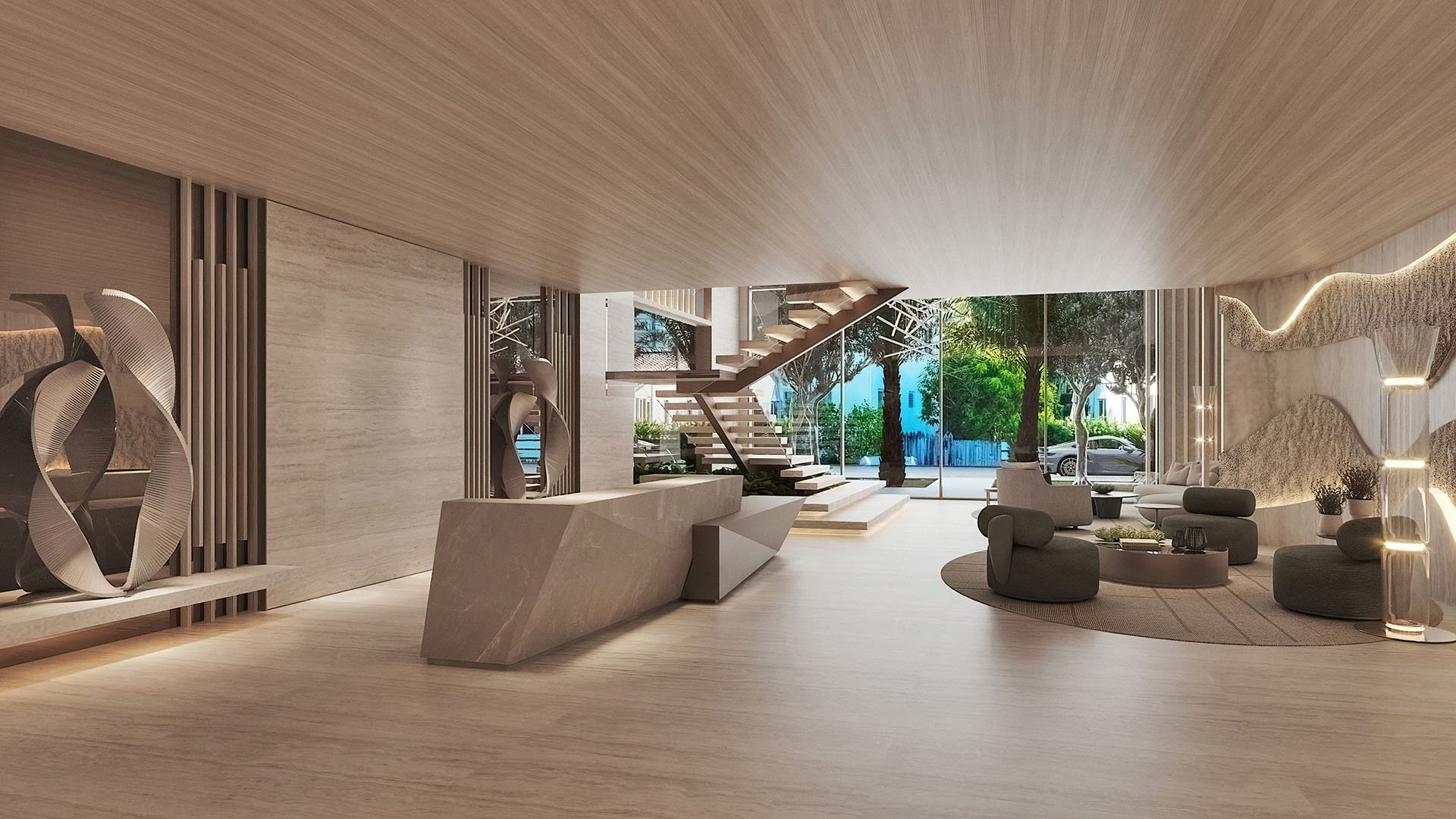
The first thing to understand about La Maré Bay Harbor Islands is that its long-stay guest experience begins with private ownership. This is not a hotel-style transient model, and it should not be evaluated like one. When family, friends, or trusted contacts arrive for several weeks, the stay is best understood as an extension of the owner’s home life.
That distinction shapes everything: arrival, access, amenity use, privacy, quiet hours, and the tone of the building. A guest at La Maré Bay Harbor Islands is not checking into an anonymous resort desk. They are being hosted through a residence, with the owner’s approval and the building’s residential procedures guiding the experience.
For luxury buyers, that is precisely the appeal. The property is positioned as a boutique residential project in Bay Harbor Islands, a setting that attracts buyers who want a private South Florida base without the intensity of Miami Beach or Brickell. In practice, that means a quieter rhythm, a more controlled arrival environment, and a higher expectation that guests behave like temporary members of a residential community.
When guests come for weeks rather than days, the arrival process matters. A luxury residence succeeds when the first hour feels composed: names are anticipated, access is orderly, bags are handled without theater, and the guest understands the residence as a private environment rather than an open public venue.
At La Maré, the practical model should be owner-led coordination among the owner, building management, residential services, and, where applicable, a private property manager. Exact procedures, parking rights, amenity access, and registration requirements remain subject to condominium documents and building management approval. Still, the practical objective is clear: make extended guests feel expected while protecting the privacy of every resident.
This is where boutique scale becomes meaningful. A smaller residential setting can support a more controlled guest experience than a high-volume resort building or condo-hotel. There is less sense of churn, fewer anonymous faces moving through shared areas, and greater emphasis on access discipline. For owners hosting relatives during school breaks, trusted friends for part of the season, or close associates during a Miami stay, that controlled environment is part of the luxury.
The long-stay guest at La Maré is not the customer of a hotel operation. The owner is the host. That creates a different set of responsibilities and a different quality of experience.
Before arrival, an owner or property manager can prepare the residence for how the guest will actually live: closet space, pantry preferences, work areas, linens, guest instructions, and local routines. During the stay, building staff may help within the framework of residential service, but the guest remains connected to the owner’s residence rather than to a commercial lodging program.
That nuance matters for buyers considering second-home use. Many South Florida owners rotate through a residence seasonally, and trusted guests may use the home when the owner is away. The most successful arrangements are curated, not casual. They depend on clear communication, respect for building policies, and an understanding that a private condominium is not a short-term rental platform.
This same owner-led approach is part of why Bay Harbor Islands has become a relevant boutique market. Nearby residential offerings such as Alana Bay Harbor Islands and Onda Bay Harbor speak to the same buyer preference for a lower-density residential tone near Miami’s cultural, dining, beach, and shopping orbit.
A weekend guest can be impressed by a view. A multi-week guest needs a rhythm. Waterfront living changes that rhythm because it gives the stay a daily anchor: morning light, breezes, water outlooks, and the sense of being removed from the city while still close to it.
At La Maré, the waterfront setting is central to the lifestyle proposition. For visiting parents, adult children, close friends, or business guests, the residence can function less like a guest room and more like a temporary private base. The stay can include work calls, slow mornings, dinners at home, wellness routines, and time in shared spaces without requiring the constant movement of a hotel itinerary.
Shared amenities, such as wellness, pool, lounge, or waterfront-oriented areas, can help a guest experience the property with a private-resort sensibility while remaining within a residential framework. The distinction is important. Amenities are not public attractions. They are extensions of the building’s lifestyle, and their use should align with condominium rules, resident expectations, and management approval.
For buyers comparing the area, La Baia North Bay Harbor Islands also reflects the neighborhood’s emphasis on waterfront residential living. The broader draw is not spectacle. It is the ability to host well, live privately, and remain close to the energy of greater Miami without importing that energy into the building.
Long stays reveal whether a residence truly works. A standard urban apartment can feel tight after three days. Larger-format luxury residences are more relevant for extended hosting because they can absorb different schedules, sleep patterns, work needs, and privacy expectations.
For an owner, the question is not only where guests sleep. It is how they live. Can one person take an early call while another has breakfast? Can visiting family unpack properly? Can the residence support a dinner at home without feeling improvised? Can a guest spend an afternoon quietly without depending on the owner for every movement?
The building’s residential character also makes etiquette essential. Guests staying for weeks should understand access procedures, elevator behavior, amenity expectations, package handling, staff interactions, and noise sensitivity. Luxury in this context is not just service. It is discretion.
That discretion protects neighbor relations. In a boutique building, the difference between a well-managed guest and an intrusive one is immediately felt. Owners who plan ahead, register guests properly, and set expectations preserve the calm that makes the building desirable in the first place.
Prospective buyers should distinguish between extended personal guest use and prohibited short-term commercial lodging. The former may be part of private residential life. The latter is typically governed by condominium documents and local rules and may be restricted or prohibited.
Before assuming how guest stays work, buyers should review the condominium documents, speak with building management, and understand procedures for guest registration, access credentials, amenity use, parking, deliveries, and any required approvals. If the residence will be used seasonally, a private property manager may also be part of the operating plan.
The best luxury residences make this feel seamless, but seamless does not mean informal. It means the operational structure is clear enough that guests can relax and neighbors remain undisturbed. That is the central promise of a boutique residential building: hospitality without hotelization.
Within Bay Harbor Islands, projects such as The Well Bay Harbor Islands add to a market where wellness, privacy, and residential continuity are increasingly important to buyers. La Maré’s position within that context is especially relevant for owners who see their home as both a personal retreat and a carefully managed family base.
The best long-stay experience is almost invisible. Guests know where to arrive, how to access the residence, when they may use amenities, and how to move through the building respectfully. Staff understand who they are. Neighbors are not inconvenienced. The owner feels represented by the quality of the experience, even when away.
That is the operational elegance La Maré Bay Harbor Islands points toward: a private waterfront residence that can receive trusted guests for weeks while maintaining the calm, security, and residential tone that give the address its value. Boutique, waterfront, and private by design, it is not about turning a home into a hotel. It is about making a home work beautifully when the people who matter most arrive and stay.
Is La Maré Bay Harbor Islands a hotel or condo-hotel? It should be understood as a residential condominium concept, not a hotel-style transient lodging operation.
Can owners host guests for several weeks? Extended personal guest use may fit within private residential ownership, subject to condominium documents, local rules, and building management approval.
Who coordinates a long-stay guest arrival? The practical model is typically owner-led, often involving building management, residential services, and any private property manager.
Do guests receive open access to amenities? Amenity use should be governed by owner approval, registration procedures, building rules, and management confirmation.
Why does boutique scale matter for guests? A boutique building can support more controlled arrivals, quieter common areas, and a more private residential tone.
What makes the waterfront setting important? Waterfront living gives extended guests a daily rhythm, with views, breezes, and shared spaces that feel restorative.
Should owners treat long-stay guests like renters? No. The better framing is private hosting through the owner’s residence, not a commercial lodging arrangement.
What should buyers verify before purchasing? Buyers should review guest policies, registration rules, amenity procedures, and any limits in the condominium documents.
Why is Bay Harbor Islands attractive for this use case? It offers a low-density residential atmosphere near Miami-area amenities without the intensity of busier urban districts.
What is the ideal guest experience at La Maré? It should feel curated, private, and residential, with guests integrated smoothly into the owner’s home environment.
For a confidential assessment and a building-by-building shortlist, connect with MILLION.
If branded residences are on your mind — as a home or as an allocation — we would be glad to share what we are seeing, privately.
Begin a quiet conversation