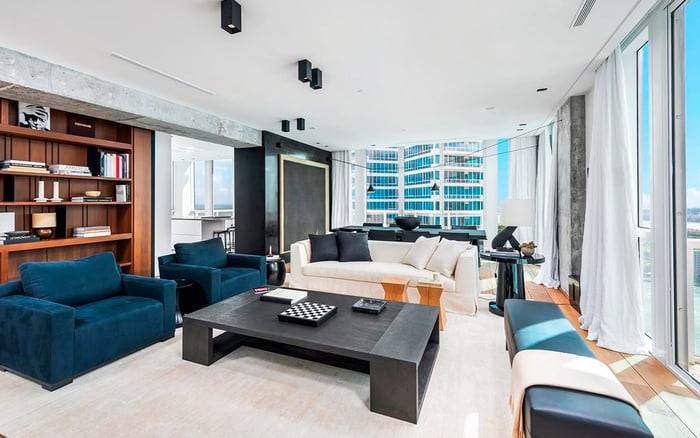
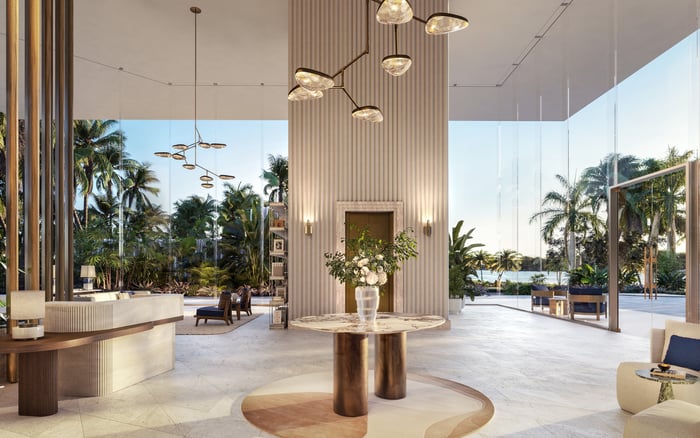
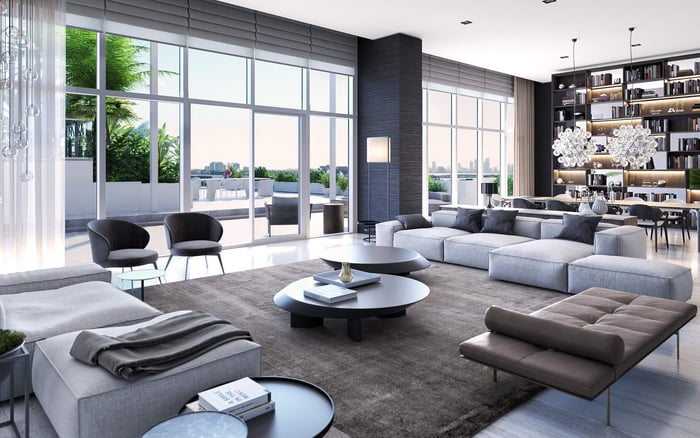
A discreet buyer guide comparing W Pompano Beach Hotel & Residences and The Ritz-Carlton Residences® Miami Beach through club access, private amenities, and the cadence of daily life.
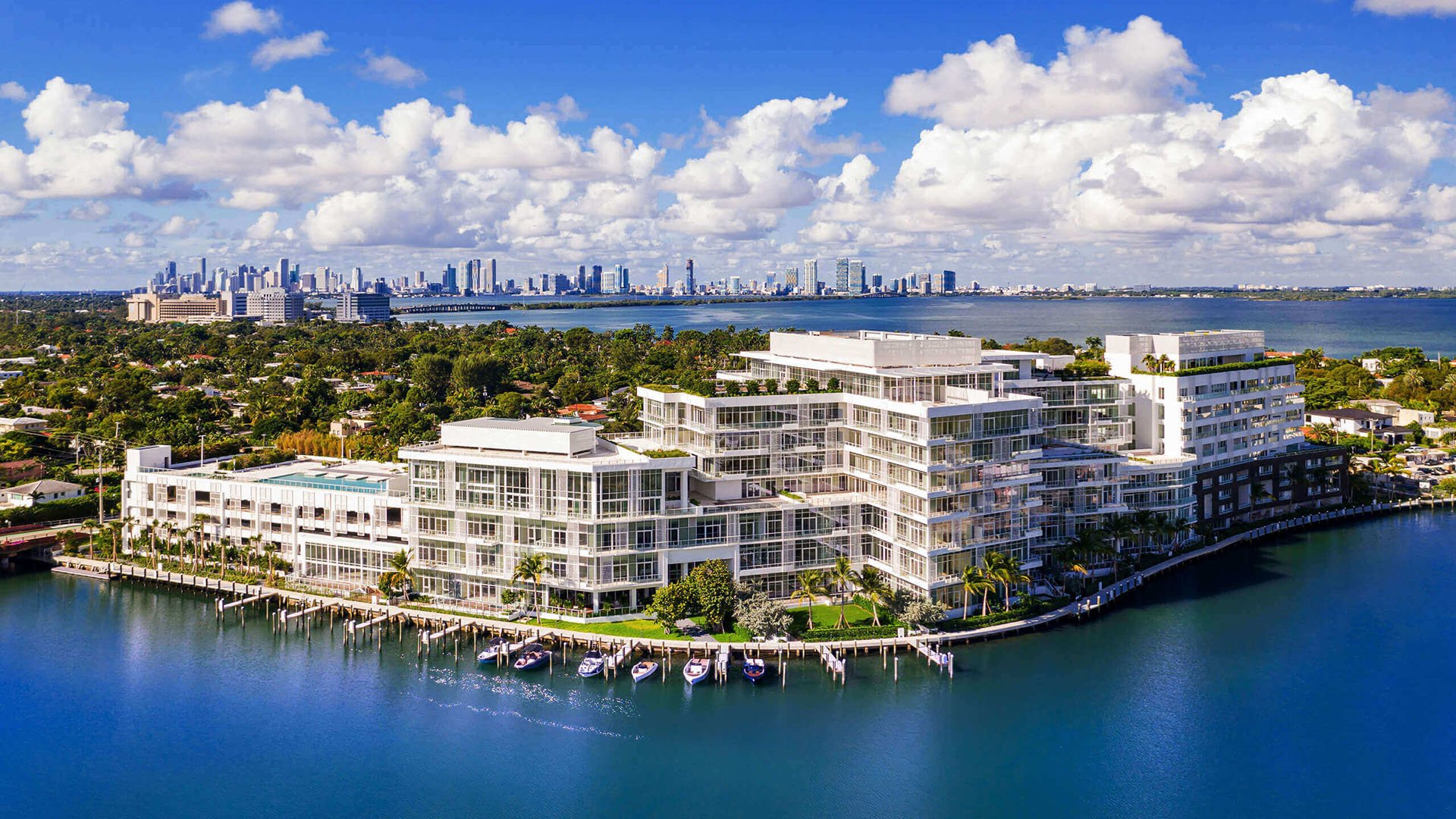
For a South Florida buyer comparing W Pompano Beach Hotel & Residences with The Ritz-Carlton Residences® Miami Beach, the question is not simply which name feels more recognizable. Both belong to the language of branded luxury, service culture, and coastal aspiration. The more useful question is quieter: which residence matches the way you move through a week?
That answer often depends on three variables that matter more than a polished amenity deck: club access, the privacy and usefulness of residential amenities, and the rhythm of the surrounding neighborhood. A buyer who wants an energetic coastal address with hospitality texture may read the decision differently from one who wants a more residential Miami Beach cadence, where service is expected and discretion is central.
The vocabulary around the decision often includes Pompano-beach, Miami Beach, Oceanfront, and Condo-hotel, but labels alone do not define fit. The real distinction is how each environment supports everyday ritual: the morning swim, workday privacy, guest arrivals, dinner habits, pet logistics, family visits, wellness routines, and the degree of social visibility one is willing to accept at home.
Club access can be one of the most seductive phrases in luxury real estate, but sophisticated buyers tend to ask a more precise question: will the club become part of life, or merely part of the story? Access has value when it compresses friction. It matters when it makes a beach day easier, a guest weekend smoother, a dinner plan more spontaneous, or a wellness routine more consistent.
At W Pompano Beach Hotel & Residences, the framing of hotel and residences invites buyers to examine how hospitality energy may shape the ownership experience. For some, that is the appeal. Arriving to a setting with a more animated social register can feel freeing, especially for second-home owners who want immediate atmosphere rather than a purely private enclave.
Miami Beach, by contrast, will likely attract buyers who prioritize the residential interpretation of service. The brand association carries expectations of polish, staff fluency, and an elevated sense of arrival, but the better fit depends on whether the buyer wants that service to feel highly social or more quietly embedded in daily life.
The most important test is frequency. If a club is used three or four times a week, it becomes lifestyle infrastructure. If it is used three or four times a year, it is closer to an emotional amenity. Neither is wrong, but the financial and practical weight of that access should match the buyer’s real behavior.
A long amenity list can be persuasive, but the more valuable review is personal. A private fitness suite matters most to someone who trains consistently. A spa program matters when recovery is not an occasional indulgence. A residents’ lounge matters if the buyer entertains without wanting to open the private residence. Pet spaces matter when the daily walk is part of household choreography. Valet and arrival sequencing matter when family, staff, and guests intersect frequently.
This is where the comparison becomes less about one project being better and more about one project being better aligned. Buyers considering W Pompano Beach Hotel & Residences should think carefully about where the private residential experience begins and where any hospitality-adjacent energy may enter the picture. Some owners welcome that blend because it gives the home a resort sensibility. Others may prefer a residence where shared spaces feel more insulated from outside movement.
For The Ritz-Carlton Residences® Miami Beach, the key question is whether the amenity environment supports a quieter, more residential form of luxury. Miami Beach buyers often expect both access and refuge, both proximity and privacy. The right private amenities protect the daily experience; they do not merely decorate it.
A useful buyer exercise is to rank amenities by weekly use. Anything that supports health, arrival, privacy, work, hosting, or family coordination deserves more weight than an impressive but rarely used feature. In the upper tier, elegance is expected. Efficiency becomes the differentiator.
The everyday neighborhood rhythm can make two otherwise compelling residences feel very different. Pompano Beach has a different lifestyle temperature from Miami Beach. A buyer drawn to W Pompano Beach Hotel & Residences may be responding to a coastal setting that feels distinct from the more established gravitational pull of Miami Beach. That can be appealing for those seeking a slightly different pace while remaining connected to South Florida’s broader luxury corridor.
The Ritz-Carlton Residences® Miami Beach sits within a market whose identity is deeply associated with design, dining, water, wellness, and cultural proximity. For many buyers, Miami Beach is not merely a place to own; it is a familiar operating system. The question is whether that rhythm feels energizing or too familiar, and whether the residence provides enough privacy to balance it.
In practical terms, buyers should imagine ordinary days, not only holidays. Where will breakfast happen on a quiet Tuesday? How does the building feel after a late flight? Is the preferred dinner routine casual, club-driven, chef-led at home, or neighborhood-based? Will visiting family want beach access, dining options, or a more relaxed residential base? These answers often point clearly toward one address.
Second-home buyers often prize immediacy. They want the residence to perform from the moment they arrive. In that context, a hospitality-inflected environment can be extremely attractive. If the goal is to land, unpack, socialize, dine, swim, and reset without curating every detail, W Pompano Beach Hotel & Residences may feel especially intuitive for the right buyer profile.
Primary-residence buyers often evaluate a deeper layer of privacy and control. They may care less about the first weekend and more about the 200th morning. The Ritz-Carlton Residences® Miami Beach may resonate with those who want branded service, but also want the home to feel anchored, composed, and residential at its core.
Neither use case is exclusive. A second home can be deeply private, and a primary home can be socially vibrant. Still, clarifying the primary purpose of ownership helps prevent an emotional decision from drifting away from the way the residence will actually be used.
A refined buyer can compare the two through five simple questions. First, do I want the building to energize me or calm me? Second, will I use club access often enough for it to matter? Third, are the private amenities designed around my actual habits? Fourth, does the neighborhood rhythm support my weekdays as well as my weekends? Fifth, will guests experience the home the way I want them to experience it?
If the answers point toward social ease, hospitality atmosphere, and a coastal setting with a distinct Pompano Beach identity, W Pompano Beach Hotel & Residences deserves serious attention. If the answers point toward established Miami Beach rhythm, residential privacy, and a quieter interpretation of branded service, The Ritz-Carlton Residences® Miami Beach may be the more natural fit.
For the luxury buyer, the best purchase is rarely the loudest one. It is the residence that makes life feel more fluid, more beautiful, and more precisely aligned with the owner’s private habits.
Which is better, W Pompano Beach Hotel & Residences or The Ritz-Carlton Residences® Miami Beach? The better choice depends on whether the buyer values hospitality energy, residential privacy, neighborhood rhythm, or a specific style of club access.
Is club access the most important difference? It can be, but only if the buyer expects to use it regularly. Otherwise, private amenities and neighborhood fit may matter more.
Who might prefer W Pompano Beach Hotel & Residences? Buyers who like a hospitality-forward atmosphere and a coastal Pompano Beach setting may find it more aligned with their lifestyle.
Who might prefer The Ritz-Carlton Residences® Miami Beach? Buyers seeking a more established Miami Beach residential cadence and a discreet service culture may find it more intuitive.
Does a longer amenity list mean a better residence? Not necessarily. The best amenities are the ones a buyer will use frequently and that improve daily comfort.
Should second-home buyers evaluate the projects differently? Yes. Second-home buyers often value arrival ease, guest comfort, and immediate lifestyle activation.
Should primary-residence buyers focus more on privacy? Often, yes. Full-time living tends to reveal whether circulation, service, and amenity design truly support daily life.
Does neighborhood rhythm matter as much as the building? For many luxury buyers, yes. Dining habits, beach routines, traffic patterns, and social cadence all shape satisfaction.
Is branded service enough to make either choice safe? Brand strength is helpful, but the residence still needs to match the owner’s habits, privacy expectations, and use case.
What is the smartest next step before choosing? Walk through a normal week in each setting, then compare how each residence supports arrival, wellness, hosting, work, and quiet time.
To compare the best-fit options with clarity, connect with MILLION.
If branded residences are on your mind — as a home or as an allocation — we would be glad to share what we are seeing, privately.
Begin a quiet conversation