A buyer-oriented guide to planning extended family stays at Aston Martin Residences Downtown Miami, with emphasis on privacy, flexible guest zones, and discreet hosting routines.
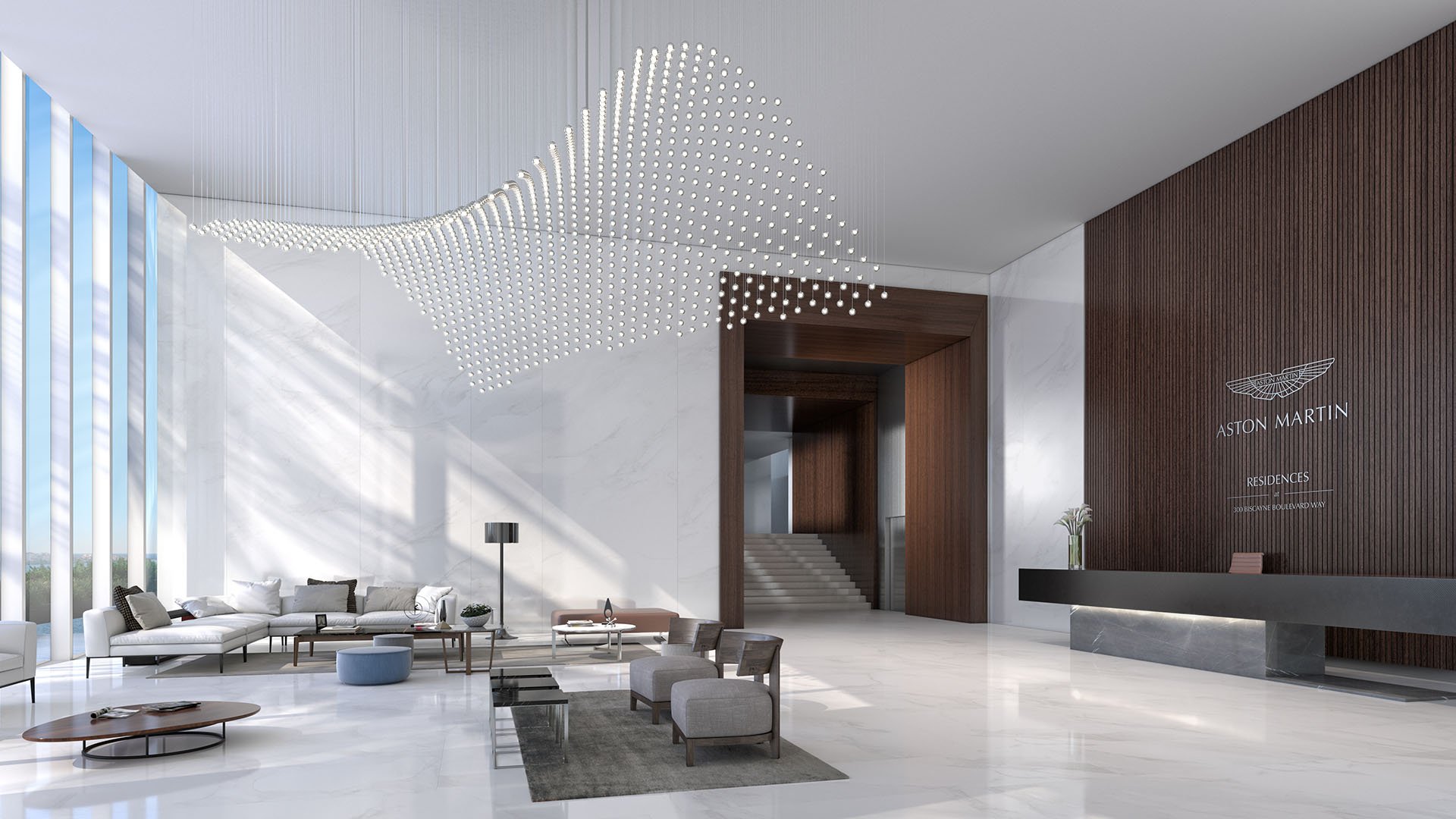
Extended family stays are one of the quiet tests of a luxury condominium. A residence may photograph beautifully, but the question for a multigenerational household is more exacting: can grandparents, adult children, younger guests, and the owners all feel at home without compromising one another’s privacy?
For buyers considering Aston Martin Residences Downtown Miami, the guest strategy should begin before the floor plan conversation becomes emotional. This is not simply a matter of counting bedrooms. It is a study in arrival, separation, storage, sleep quality, dining rhythm, and the owner’s ability to retreat when the home is full.
Downtown Miami adds another layer. The urban setting can be an advantage for extended family because guests can create independent routines without relying on the owner for every outing. The strongest ownership plan treats the residence as a private base, then uses the neighborhood as an extension of the home.
The most elegant guest plan begins with an honest family map. Who visits most often? Who stays longest? Which guests rise early, travel with children, work remotely, or prefer late dinners? A couple visiting for a long weekend has different needs than parents staying several weeks or adult children arriving with partners.
In a second-home scenario, the residence may need to absorb sudden visits during holidays, school breaks, cultural weeks, or family milestones. That calls for flexibility rather than maximum occupancy. A den that can close off, a bedroom with enough separation for an older relative, or a secondary lounge that becomes the children’s evening zone may be more valuable than a dramatic but inflexible showpiece room.
The key is to identify your non-negotiables before touring. If the owner suite must remain a sanctuary, do not accept a plan where every guest circulates past it. If grandparents are frequent visitors, consider how far they must travel from elevator to bedroom, from bedroom to bath, and from bedroom to the main living area.
For extended family, the most refined homes operate in three zones: the owner zone, the family guest zone, and the overflow zone.
The owner zone should preserve quiet. It should feel separate enough that the household can expand without the owners feeling displaced. The family guest zone should be comfortable for repeat visitors, with intuitive storage, easy bath access, and enough acoustic separation to support different schedules. The overflow zone is the flexible area, often a den, media room, or secondary sitting space that can adapt for children, a nanny, a visiting relative, or remote work.
This zoning matters because long stays are not hotel stays. Guests unpack, develop habits, and begin to use the residence as a home. Without a hierarchy of spaces, small frictions accumulate. With clear zones, everyone understands where to gather, where to retreat, and how to move through the residence without constant negotiation.
Downtown Miami can work particularly well for families who want urban independence. A guest who can step out for coffee, meet friends, or return from dinner without turning the owner into a chauffeur is easier to host. That independence is an underrated luxury.
For buyers comparing vertical living in the same orbit, Waldorf Astoria Residences Downtown Miami and Casa Bella by B&B Italia Downtown Miami may also enter the conversation. The comparison should not be limited to architecture or brand language. It should include how a full household functions at breakfast, how visitors arrive, whether guests can maintain their own rhythm, and how easily the owner can host without performing.
Waterfront considerations add another dimension. Views and terraces may define the emotional appeal, but the daily guest experience still depends on circulation and privacy. A spectacular common room is most useful when supported by practical back-of-house habits: a place for luggage, a linen system, duplicate toiletries, labeled storage, and a clear plan for meals.
Branded Residences often attract buyers who value consistency, presentation, and a recognizable design narrative. For extended family stays, that polish should be matched by household etiquette. The more refined the building experience, the more important it becomes to decide how family members will use service, amenities, and shared spaces.
In nearby Brickell, buyers may weigh a hospitality-forward address such as Baccarat Residences Brickell against Downtown Miami options. The right choice depends less on which brand feels most glamorous and more on how the owner lives when guests are present. Some families want a lively, social base. Others want discretion, quiet, and a residential cadence that does not change when relatives arrive.
House rules need not feel formal. They can be gracious and simple: which entrance guests should use, when housekeeping should come, how deliveries are handled, where beach or pool items are stored, and whether family members can invite additional friends. Clarity protects the calm of the residence.
Before committing, walk the plan as if the family is already in residence. Imagine luggage at arrival, a child napping, a grandparent reading quietly, two people taking work calls, and the owners preparing for dinner. The best layout will reveal itself through these scenarios.
Prioritize a bedroom hierarchy that respects age and routine. Keep one guest space calm enough for an older relative or a couple. Preserve one flexible area for children, staff, or work. Confirm that the dining area can handle the way your family actually eats, whether that means long seated dinners, casual breakfasts, or staggered meals.
Storage is the invisible luxury. Owners who host often should plan an owner’s closet, guest linens by category, duplicate chargers, seasonal items, and a locked area for personal effects. A beautifully designed residence becomes far easier to share when guests do not need to ask for every small necessity.
Finally, consider departure. Extended stays are successful when the home can reset quickly. The question is not only how many people can sleep there, but how gracefully the residence returns to the owner’s preferred condition after everyone leaves.
Is Aston Martin Residences Downtown Miami suitable for extended family stays? It can be approached that way if the buyer prioritizes privacy, flexible sleeping areas, and a clear hosting plan before selecting a residence.
What matters more, bedroom count or layout? Layout usually matters more. Separation, circulation, storage, and quiet zones determine whether a long visit feels composed.
How should owners plan for grandparents? Choose a guest area with easy bath access, minimal unnecessary walking, and enough separation from louder gathering spaces.
Can a den be part of the guest strategy? Yes, if it can close off and function flexibly. It may serve as an overflow sleeping area, work space, or children’s lounge.
Why does Downtown Miami matter for guests? Downtown Miami can give visitors independent routines, which reduces pressure on the owner during longer stays.
What is the biggest mistake in hosting extended family? Treating the residence like a hotel suite rather than a private home. Long stays require storage, boundaries, and routine.
How do Branded Residences change the equation? Branded Residences can heighten expectations around service and presentation, so family etiquette should be decided in advance.
Should buyers compare nearby Brickell options? Yes. Brickell may appeal to families seeking a different daily rhythm, so comparisons should focus on lifestyle and hosting flow.
What should be stocked before family arrives? Linens, chargers, toiletries, basic medicines, preferred snacks, and clear storage areas make guests feel considered without constant requests.
How can owners protect privacy during long visits? Preserve an owner zone, set simple house rules, and avoid layouts where every guest path crosses the primary retreat.
For a discreet conversation and a curated building-by-building shortlist, connect with MILLION.
If branded residences are on your mind — as a home or as an allocation — we would be glad to share what we are seeing, privately.
Begin a quiet conversation