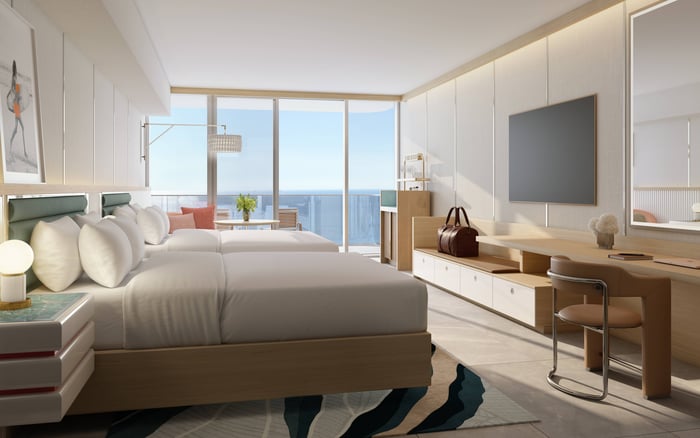
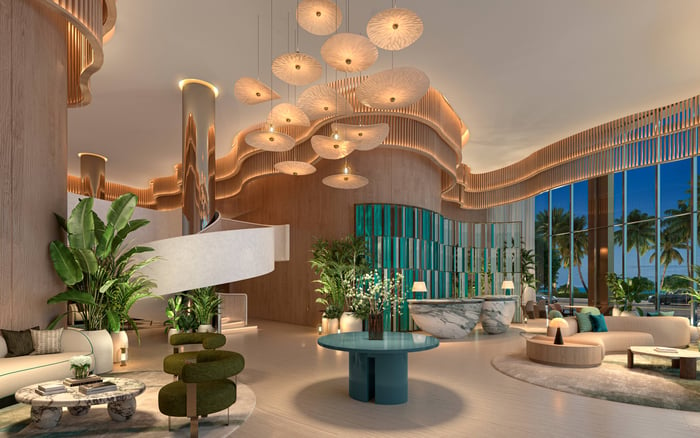
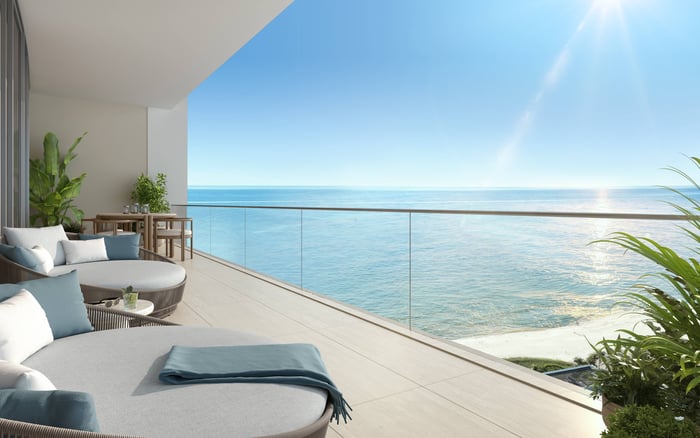
A buyer-focused look at how W Pompano Beach Hotel & Residences may position itself for long-term resale liquidity, buyer depth, and competitive relevance in South Florida’s branded-residence market.
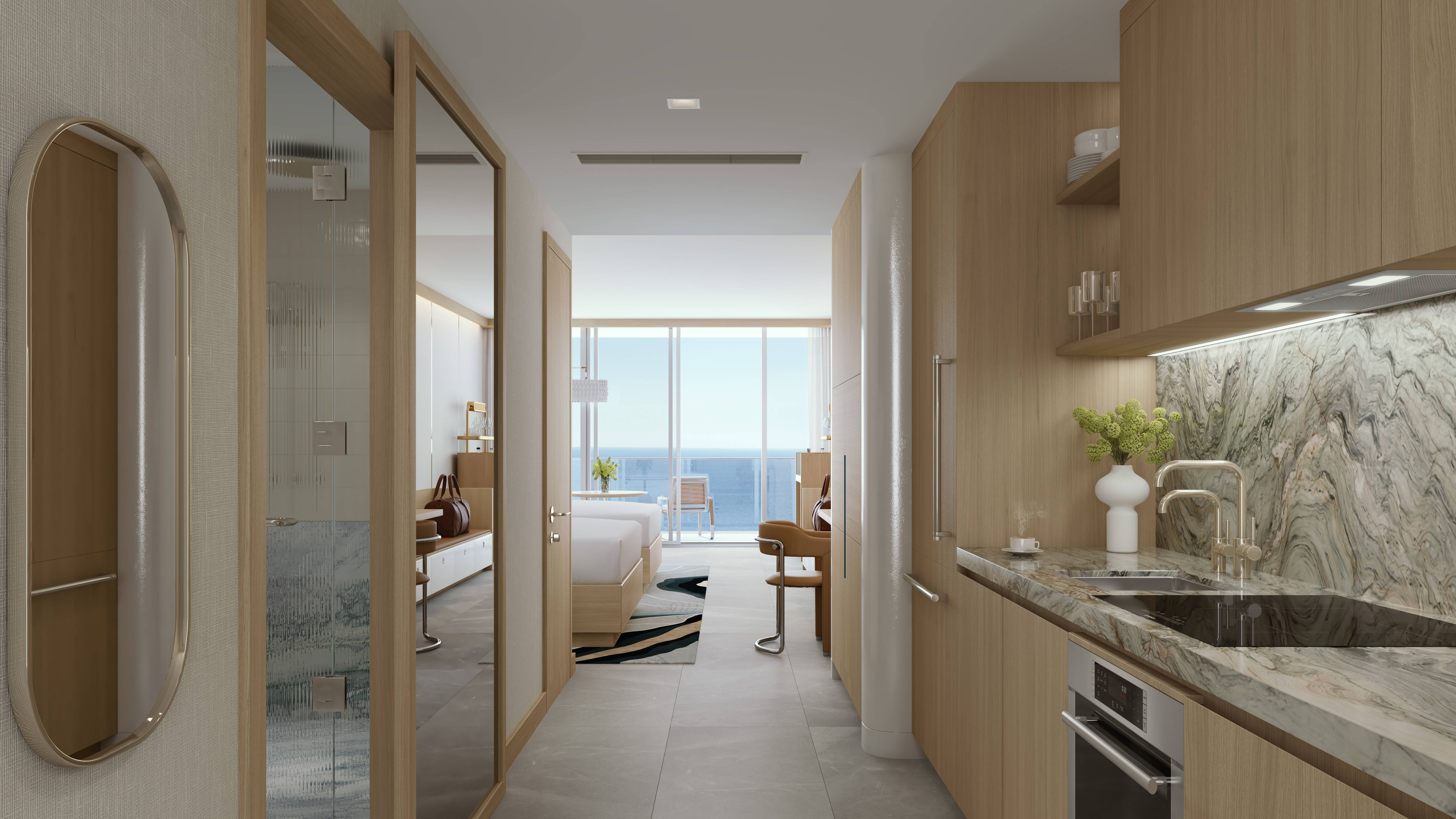
The long-term question around W Pompano Beach Hotel & Residences is not simply whether the name attracts attention. It is whether the project can convert brand recognition, serviced living, and Pompano Beach’s evolving luxury profile into durable resale liquidity.
That distinction matters. In South Florida, launch energy can be powerful, especially when a globally recognizable hospitality identity enters a coastal market. Resale value, however, is judged over a longer arc. Buyers eventually ask more exacting questions: Who is the next buyer? Why this building over another branded address? Does the lifestyle proposition remain distinctive after the first wave of marketing has passed?
W Pompano Beach is positioned as both hotel and residences, making branded-residence dynamics central to its resale story. Owners are not evaluating only architecture, views, or interior finishes. They are buying into a lifestyle framework associated with design, service, social energy, and low-maintenance coastal use. The strength of that framework will shape how individual residences are perceived when they return to market.
Pompano Beach has become more relevant within the South Florida luxury conversation because it offers a coastal setting where the branded-residence category can still feel comparatively emergent. That maturation is central to the story. Buyers who once focused only on established enclaves may now consider Pompano Beach when the product, service model, and brand language align with how they want to live.
The local competitive field is also becoming more sophisticated. Projects such as The Ritz-Carlton Residences® Pompano Beach and Armani Casa Residences Pompano Beach create a more layered luxury ecosystem. That can help validate buyer interest in the area, but it also raises the standard for differentiation. W Pompano Beach will need to be remembered for more than being new. It must be legible as a specific kind of ownership experience.
That is where the W identity matters. Its lifestyle-hotel character speaks to buyers who value design-forward hospitality rather than formality alone. For resale, this can be useful because it creates a recognizable buyer profile: affluent domestic and international purchasers seeking a serviced, lock-and-leave coastal residence with a more social, contemporary rhythm.
Buyer depth is the difference between a property that has admirers and one with a reliable pool of qualified future purchasers. For W Pompano Beach, the most relevant audience is likely to include second-home owners, frequent South Florida visitors, international buyers, and domestic purchasers who want hotel-serviced ownership without the operational friction of a traditional private residence.
This does not mean every unit will perform the same way. Individual-unit resale strategy should be treated as its own exercise. Positioning, buyer targeting, and timing will matter. A residence marketed only as part of a branded tower may miss the more specific buyer who wants the W lifestyle in Pompano Beach for practical reasons: ease of use, recognizable service expectations, and a coastal base that does not require constant oversight.
The strongest resale narrative will connect three ideas clearly. First, the W brand gives the property a lifestyle identity. Second, Pompano Beach is maturing as a luxury market. Third, serviced coastal living continues to appeal to buyers who want access, discretion, and convenience. When those ideas are presented together, the resale story becomes broader than a single building.
South Florida’s coastline is increasingly defined by branded residences, creating both opportunity and pressure. A buyer considering Pompano Beach may also look north and south, weighing hospitality names, design affiliations, neighborhood feel, and perceived long-term liquidity. In that environment, distinction is not optional.
The nearby and regional context is important. Waldorf Astoria Residences Pompano Beach adds another hospitality-driven reference point in the same city, while Four Seasons Hotel & Private Residences Fort Lauderdale shows how branded living has become a central luxury language across Broward’s coastal corridor. W Pompano Beach must therefore preserve a distinct personality: not merely serviced, not merely branded, but recognizably W.
For long-term resale, the most persuasive advantage may be clarity. Buyers should be able to understand the building’s lane quickly. Is it polished and formal, wellness-forward, fashion-driven, resort-like, or socially energized? W’s strongest resale appeal is likely to come from leaning into its own lifestyle-hotel identity rather than trying to mimic every competing luxury cue.
Owners should think about resale from the first day of ownership. That does not mean timing the market aggressively. It means understanding how to protect the story of the asset. In a branded residence, the resale narrative is partly collective and partly individual. The building contributes the identity; the owner’s unit still needs its own strategy.
The most resilient positioning will likely emphasize ease of ownership, brand fluency, and the specific appeal of Pompano Beach within the larger South Florida map. A buyer should not feel that the residence is interchangeable with any other branded coastal option. The presentation should answer why this location, why this brand, and why this ownership model now.
Resale timing will also matter. Early exits may depend more heavily on market mood and comparable inventory, while later resales will be judged by how well the project’s identity has aged. If the W affiliation remains culturally relevant and the property sustains a clear lifestyle proposition, the buyer pool may be deeper than one driven only by novelty.
In buyer shorthand, the asset sits at the intersection of Pompano Beach, oceanfront living, condo-hotel dynamics, resale strategy, second-home use, and investment considerations. The art is not to reduce it to any single category. Its long-term appeal rests on the way those categories overlap.
W Pompano Beach Hotel & Residences should be evaluated as a branded lifestyle asset in a maturing coastal market. Its future liquidity will depend less on launch-era attention and more on whether affluent buyers continue to see a clear reason to choose W in Pompano Beach over other branded options.
For sellers, the most effective resale strategy will be precise rather than loud. The buyer is not simply purchasing square footage. The buyer is purchasing a service expectation, a social identity, a coastal routine, and a lower-maintenance way to own in South Florida. When that is communicated with discipline, W Pompano Beach can present a compelling long-term resale narrative.
What is the core resale question for W Pompano Beach Hotel & Residences? The core question is whether the project can sustain buyer depth beyond launch interest through brand identity, service, and Pompano Beach’s luxury maturation.
Why does the W brand matter for future resale? The W affiliation gives the property a lifestyle-hotel identity that may appeal to buyers seeking design, service, and social energy.
Is this only a condominium story? No. Because the project is positioned as both hotel and residences, buyers should evaluate it through branded-residence and serviced-living dynamics.
Who is the likely future buyer pool? The buyer pool is framed around affluent domestic and international purchasers who value hotel-serviced, low-maintenance coastal ownership.
Why is Pompano Beach important to the thesis? Pompano Beach’s luxury-market maturation gives the project a broader context and may help support long-term demand if the area continues to feel credible to high-end buyers.
What could strengthen resale performance over time? Clear differentiation, sustained brand relevance, and a strong serviced-living narrative can help strengthen long-term resale positioning.
What could weaken resale liquidity? Liquidity could be challenged if the project feels interchangeable with other branded coastal residences or if its buyer profile is not clearly defined.
Should owners rely only on the W name when reselling? No. Individual-unit resale strategy should also consider positioning, buyer targeting, presentation, and timing.
How should buyers compare W Pompano Beach with other branded projects? Buyers should compare lifestyle identity, service expectations, location fit, and how distinct each project may feel in the resale market.
Is W Pompano Beach best suited for primary or secondary use? The strongest fit appears to be buyers who value flexible, serviced, lock-and-leave coastal ownership, including second-home use.
If you'd like a private walkthrough and a curated shortlist, connect with MILLION.
If branded residences are on your mind — as a home or as an allocation — we would be glad to share what we are seeing, privately.
Begin a quiet conversation