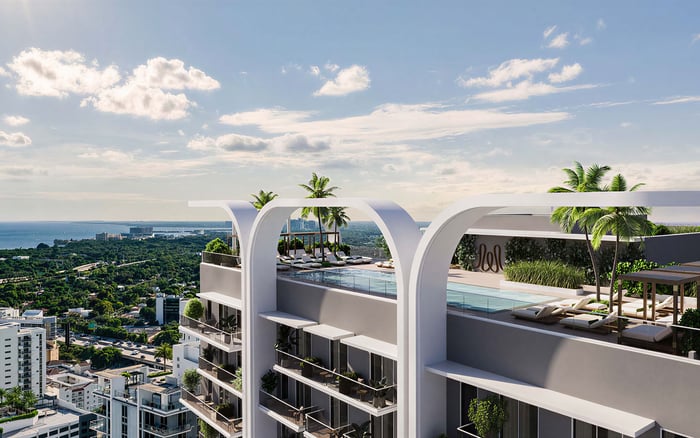
A buyer-focused guide to evaluating AI-enabled building services at Viceroy Brickell, with emphasis on seasonal ownership, privacy, service reliability, governance, and long-term value.
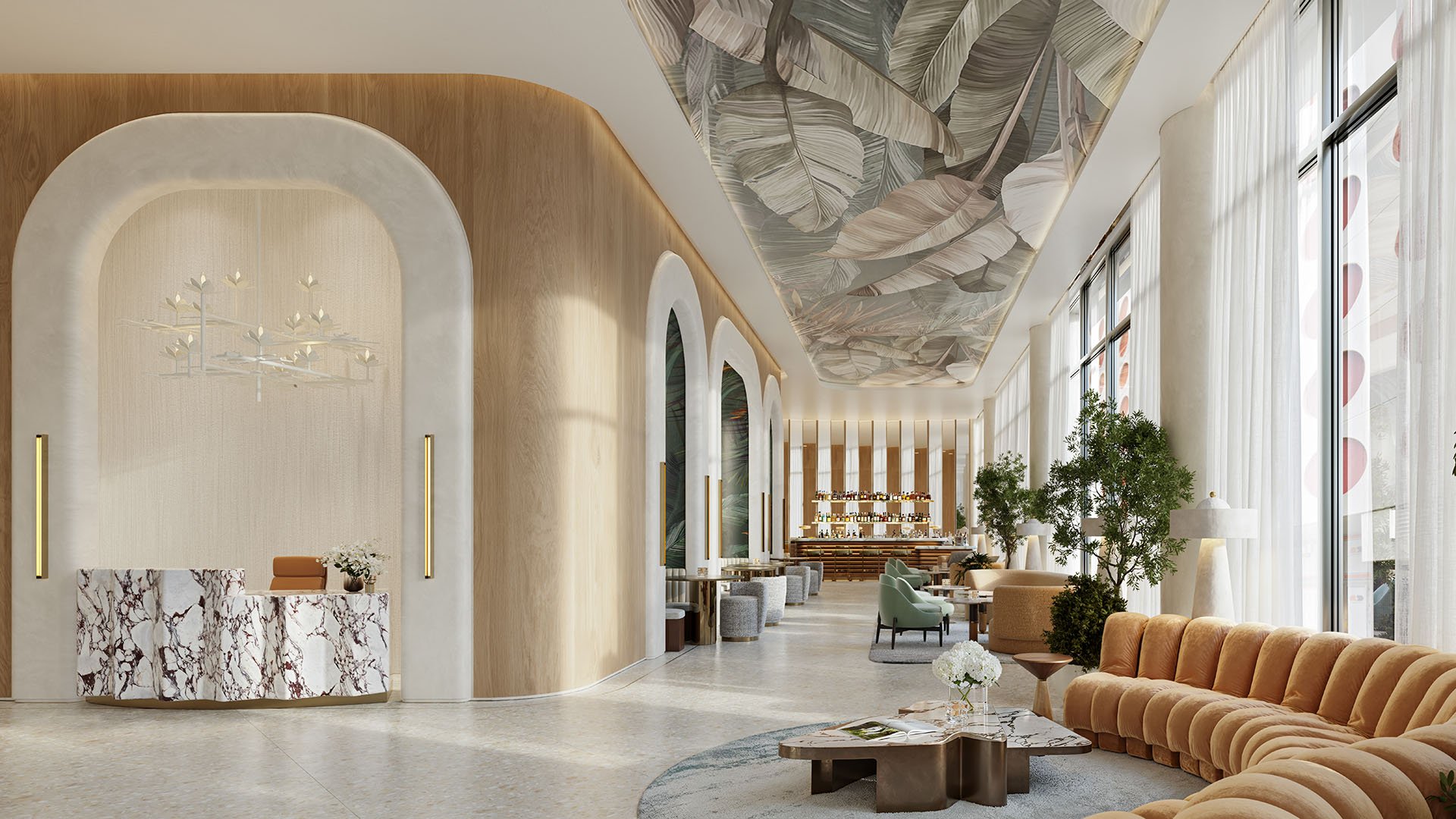
For seasonal buyers considering Viceroy Brickell, the essential question is not simply whether a residence feels luxurious on arrival. It is whether the building performs gracefully when the owner is away, when guests are expected, when service requests require coordination, and when personal privacy must remain intact through months of intermittent occupancy.
That is where AI-enabled building services become meaningful. In a luxury residential context, artificial intelligence should not read as a decorative technology phrase. It is better understood as an operating layer that may support access management, service routing, maintenance workflows, amenity scheduling, resident communications, and the personalization of daily building experiences. For a seasonal owner, those details can determine whether a second residence feels effortless or demanding.
Brickell is an especially relevant setting for this conversation because buyers may include part-time residents and owners who expect the precision of hospitality without sacrificing residential discretion. The best building technology should be quiet, secure, and practical. It should reduce friction without making the resident feel observed, processed, or dependent on a system that is difficult to understand.
Seasonal buyers should begin with a simple standard: AI should support service, not replace judgment. A well-designed platform may help a building team recognize patterns, anticipate recurring needs, organize work orders, and deliver more consistent communication. But the luxury experience still depends on trained people, clear protocols, and management that knows when human discretion matters more than automation.
For example, an AI-enabled system might help triage requests related to deliveries, access permissions, housekeeping coordination, valet timing, or amenity reservations. It may also help identify maintenance issues before they become disruptive. Buyers should ask how those systems are supervised, who can override them, and how resident preferences are stored, updated, or deleted.
The strongest value proposition is continuity. A seasonal owner may leave for several months and return expecting the residence to be ready, the building staff informed, and recurring preferences remembered. If technology helps maintain that continuity, it can elevate the ownership experience. If it creates opacity, inconsistent permissions, or unclear accountability, it can become a source of anxiety.
In a luxury building, convenience and privacy must be balanced with unusual care. Buyers should ask what information the building collects, how it is used, who has access, and whether data is shared with third-party vendors. The answer should be clear without requiring technical language.
Questions around cameras, entry systems, license plate recognition, package handling, guest registration, and amenity usage deserve special attention. Seasonal owners often rely on assistants, family offices, household staff, visiting relatives, and service providers. That can create a wide circle of authorized users. The more advanced the system, the more important it becomes to define permissions precisely.
Buyers should also confirm whether access can be granted remotely, revoked instantly, and reviewed after the fact. This is not only a security issue. It is a quality-of-life issue for owners who may be in another time zone when a contractor, stylist, family member, or private chef needs entry.
The real test of AI-enabled building services is what happens when the owner is not in residence. Seasonal ownership requires a property to function in absence. The building should make it easier to coordinate arrivals, monitor requests, manage notifications, and maintain confidence that the residence is being treated appropriately.
Buyers should ask whether the building offers remote communication channels for owner requests and whether those channels are staffed by people who understand the building’s service culture. A sophisticated app is useful only if it connects to a responsive operational team.
For a second-home owner, the practical checklist should include how the building handles extended absence, whether there are protocols for storm preparation, how deliveries are stored or redirected, and how service access is documented. These questions are not glamorous, but they are essential. In South Florida, the most serene ownership experiences are usually the result of careful operating systems behind the scenes.
AI can enhance amenities by helping residents reserve spaces, learn preferences, manage capacity, and coordinate services. But a luxury building should not feel like a hotel kiosk. The value lies in intelligent personalization delivered with restraint.
If the lifestyle program includes a pool experience, fitness programming, dining coordination, wellness services, or private event support, buyers should ask whether technology improves access without reducing spontaneity. Seasonal residents may arrive during peak periods, when amenity demand is high and service teams are under pressure. A strong system should help the building allocate resources fairly and communicate clearly.
Private outdoor space also matters. A balcony or terrace can become a central part of seasonal living, especially for buyers who come to Miami for climate, views, and an indoor-outdoor rhythm. Technology may support maintenance communication, weather alerts, or service coordination, but the physical experience remains primary. A polished interface cannot compensate for poor planning, weak acoustics, or unclear rules on use.
AI-enabled services may affect operating budgets, staffing models, vendor relationships, and future capital planning. Buyers should understand how technology is funded and maintained. Is it part of the building’s standard operations, a separate service layer, or a feature dependent on outside vendors? What happens when software changes, subscriptions increase, or hardware needs replacement?
This is where the investment lens becomes practical. Buyers should not evaluate technology by novelty alone. They should consider whether it enhances service reliability, protects privacy, reduces owner friction, and supports the building’s reputation over time. In a competitive luxury market, operational excellence can influence perceived value, especially for buyers comparing similarly positioned residences.
Governance also matters. A building with advanced systems should have clear policies for resident consent, vendor oversight, cybersecurity practices, and dispute resolution. Seasonal buyers should ask to review relevant rules before committing. The most elegant ownership experience is often the one with the least ambiguity.
A seasonal buyer evaluating Viceroy Brickell should prepare questions that move beyond finishes and views. Ask who manages the AI-enabled services, which functions are automated, which require human approval, and how residents can opt in or out of specific features. Ask how staff are trained to use the system and how service quality is measured.
It is also wise to ask how guest access works, whether digital keys or temporary permissions are available, and whether owners can view access history. Confirm how maintenance alerts are handled during absence and whether there is a clear escalation path for urgent issues.
Finally, buyers should consider the emotional tone of the building. The most successful smart luxury residences do not feel mechanical. They feel composed. Technology is present, but not intrusive. Staff are informed, but not overly familiar. Services are efficient, but still personal. That balance is what seasonal buyers should look for in Brickell.
What should seasonal buyers focus on first at Viceroy Brickell? Focus on how AI-enabled services support remote ownership, access control, privacy, and day-to-day service coordination.
Does AI automatically make a building more luxurious? No. AI is valuable only when it improves reliability, discretion, and the quality of human-led service.
What privacy questions should buyers ask? Ask what data is collected, who can access it, how long it is retained, and whether third-party vendors are involved.
Can AI help with guest and staff access? It may, but buyers should confirm how permissions are granted, limited, revoked, and documented by the building.
Why is remote ownership important in Brickell? Many Brickell buyers use residences seasonally, so service continuity during absence can be as important as arrival-day presentation.
Should buyers review building rules before committing? Yes. Rules around access, amenities, vendors, privacy, and technology use can materially affect the ownership experience.
How should buyers think about amenities? Amenities should be supported by technology without feeling over-managed, impersonal, or difficult to access during peak periods.
Can AI-enabled services influence resale appeal? They can support appeal if they improve service quality, privacy confidence, and operational consistency over time.
What is the biggest risk with smart building systems? The biggest risk is unclear accountability, especially when software, staff, and outside vendors all touch the resident experience.
What makes an AI-enabled luxury building feel successful? It feels calm, responsive, and discreet, with technology working quietly behind attentive human service.
For a discreet conversation and a curated building-by-building shortlist, connect with MILLION.
If branded residences are on your mind — as a home or as an allocation — we would be glad to share what we are seeing, privately.
Begin a quiet conversation