A discerning look at which luxury amenities tend to retain appeal in South Florida towers, and how buyers can distinguish enduring value from decorative novelty.
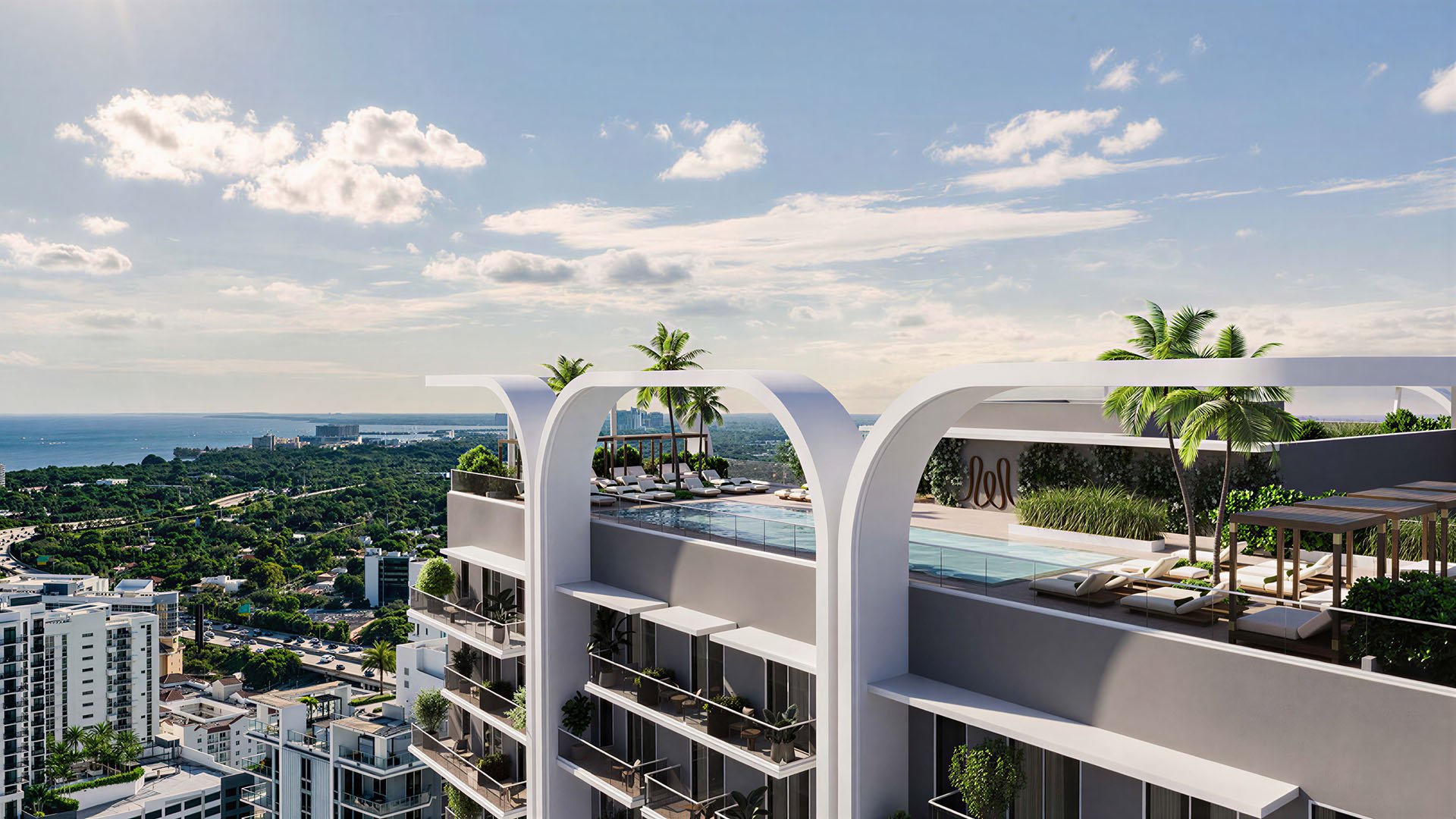
In South Florida luxury towers, amenities are often introduced as theater: a double-height lobby, a cinematic pool deck, a private dining room, a spa suite, a children’s lounge, a club room, a screening room, a wine room, a golf simulator, a pickleball court, a pet salon. Each helps shape the first impression. Far fewer remain equally persuasive after several seasons of daily use.
The amenities that age well are rarely the loudest items in the brochure. They are the spaces with a clear purpose, durable finishes, disciplined operations and enough flexibility to adapt as resident habits change. A beautiful amenity can still lose relevance if it is difficult to maintain, awkward to reserve, too specialized for broad use or visually tied to a short-lived design moment.
For buyers, the question is not simply, “What does the building offer?” It is more precise: “Which amenities will still feel considered, useful and well kept when the novelty has passed?” That is where the most sophisticated value judgment begins.
An amenity ages well when residents use it often enough to justify its upkeep. The most enduring spaces usually support daily rituals rather than occasional spectacle: swimming, training, working, gathering, reading, hosting, receiving guests, walking a dog, taking a call or stepping outside for air.
This is why a well-proportioned fitness room may outperform a more exotic concept that residents rarely book. It is also why a gracious lobby lounge can retain value longer than a heavily themed room that photographs well but lacks a natural pattern of use. In a luxury tower, the best amenity is not always the rarest. It is the one that fits most effortlessly into daily life.
A Brickell buyer comparing vertical living at Una Residences Brickell should look beyond the vocabulary of luxury and study how each shared space supports privacy, arrival, wellness and entertaining. The more naturally an amenity fits a resident’s week, the more likely it is to remain relevant.
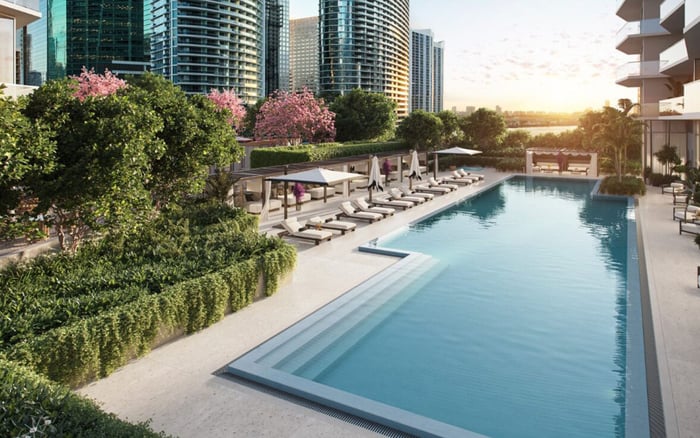
Pool areas are among the most visible amenities in South Florida towers, and they are also among the easiest to judge with a practical eye. The key is not only how a pool deck looks when staged. It is whether circulation feels intuitive, seating is appropriately distributed, shade is intelligently planned and the setting can absorb both quiet mornings and fuller social periods without feeling strained.
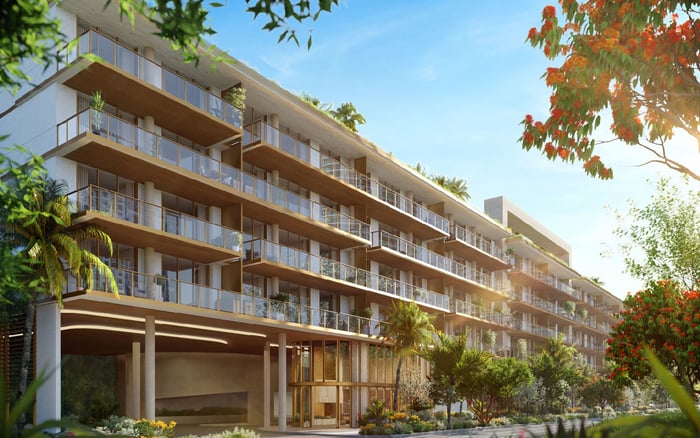
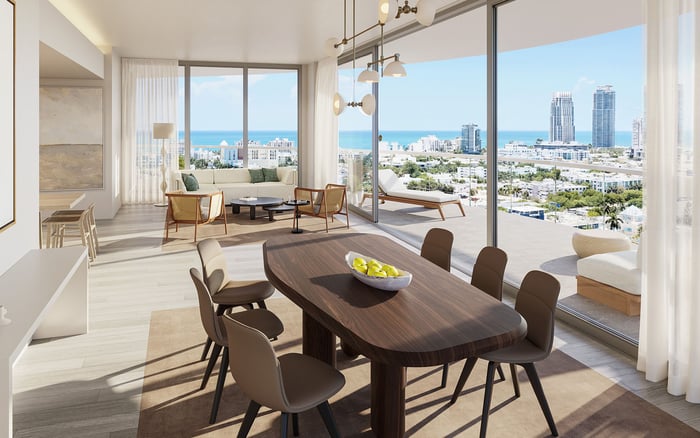
Balcony and terrace spaces deserve the same scrutiny. Private outdoor areas often carry emotional weight in a purchase decision, but their long-term appeal depends on proportion, usability and the relationship between interior and exterior life. A narrow outdoor area may read attractively in a plan, yet feel limited in practice. A more generous terrace can become a true room, especially when it supports dining, lounging or quiet retreat.
Oceanfront settings make this evaluation even more important. When touring buildings such as The Perigon Miami Beach, buyers should consider not only the view, but how the outdoor experience is organized: access, privacy, transitions, furniture placement and the sense of calm once the initial drama of the water has settled into everyday life.
Aging is not only a design issue. It is an operational one. Finishes, furnishings and equipment may be described as premium, but the real question is whether they can be cleaned, repaired, replaced and refreshed without compromising the whole environment.
A lounge with overly delicate surfaces can become a room residents admire but avoid. A spa area with complicated systems can become vulnerable if the building does not maintain it consistently. A club room with fashion-forward furniture may feel dated sooner than a quieter space built around proportion, comfort and restraint.
Enduring luxury has a service logic behind it. It anticipates wear. It allows components to be updated without reinventing the entire room. It favors details that can handle real life while preserving atmosphere. In South Florida, where indoor and outdoor living are closely intertwined, that discipline becomes especially visible over time.
Wellness has become one of the defining languages of premium residential development. Yet not every wellness-branded amenity has equal staying power. The best examples are grounded in resident behavior: fitness, recovery, calm, privacy, light, quiet and ease of access.
A wellness space does not need to be oversized to feel valuable. It needs to be usable. A calm room for stretching, a well-planned gym, a treatment suite with sensible circulation or a serene outdoor area may age better than a heavily conceptual room whose appeal depends on novelty. Buyers should ask whether the space solves a daily need or merely adds another label to the amenity menu.
In Coconut Grove, where residential appeal often centers on a softer, more private rhythm, a buyer considering The Well Coconut Grove can use this lens carefully: does the amenity program support a lifestyle, or does it simply perform one?
Some amenities age poorly because they are too specific. A room designed around a fleeting leisure trend may excite early buyers, then become underused when preferences shift. The same is true of spaces that require constant programming to feel alive. If a room depends on novelty, it may struggle once residents return to routine.
Flexible rooms tend to fare better. A private dining room that can host a family dinner, a chef experience, a board meeting or a holiday gathering has a longer runway than a single-purpose concept. A lounge with adaptable seating, strong acoustics and a warm evening atmosphere can support multiple types of use without needing reinvention.
This is particularly important in buildings with diverse owner profiles, from primary residents to seasonal users. The amenity program must serve different rhythms without becoming generic. The sweet spot is specificity of quality, not rigidity of function.
In the ultra-premium market, privacy rarely goes out of style. The most durable amenity experiences often involve controlled access, quiet transitions and the ability to enjoy shared spaces without feeling exposed. This is less about seclusion as a sales phrase and more about choreography: how residents arrive, how guests are received, how elevators connect, how service is handled and how amenity areas are separated from unnecessary traffic.
Sunny Isles buyers evaluating high-design towers such as Bentley Residences Sunny Isles may be drawn first to architectural identity, but the deeper question is how the building protects ease and discretion over time. Privacy is not a decorative upgrade. It is a framework for daily comfort.
Investment thinking in luxury real estate often focuses on location, views and scarcity, but amenity longevity also plays a quiet role. A building whose shared spaces remain elegant and functional can preserve a stronger sense of quality than one that requires frequent cosmetic correction. Restraint can be financially intelligent because it gives a property fewer ways to look dated.
This does not mean amenities should be plain. It means the best ones balance drama with discipline. Strong architecture, durable planning, clear resident purpose and thoughtful operations tend to outlast fashionable gestures. The buyer who understands this may read a building differently from the buyer who is simply counting rooms.
Touring amenities should feel less like browsing a hotel and more like inspecting a private club you may own into. Visit at different times if possible. Notice whether residents seem comfortable using the spaces. Look at furniture placement, traffic flow, storage, lighting and the relationship between staff areas and resident areas. Ask how reservations work. Ask what is open, what is staffed and what requires advance planning.
Also study the spaces that receive less marketing attention. Service corridors, pet areas, package rooms, arrival sequences and elevator transitions often reveal the underlying discipline of a building. A tower with beautifully resolved secondary spaces usually understands luxury more deeply than one that concentrates all its energy on the most photogenic room.
Which luxury amenities usually age best in South Florida towers? Amenities tied to daily use tend to age best, including pools, fitness areas, lounges, terraces, private dining rooms and well-planned arrival spaces.
Do more amenities always mean a better luxury building? No. A smaller collection of well-executed, well-maintained amenities can feel more valuable than a long list of underused spaces.
Why do some amenity spaces feel dated so quickly? Highly themed design, fragile finishes and overly specialized concepts can lose appeal when resident habits or aesthetic preferences change.
How should buyers evaluate a pool deck? Look at shade, seating, privacy, circulation and whether the space feels comfortable during both quiet and active periods.
Are wellness amenities still important? Yes, when they are grounded in real use. Fitness, recovery, calm and privacy tend to hold appeal better than novelty-driven wellness concepts.
What makes a terrace more valuable over time? Proportion, privacy, usability and a strong connection to the interior help a terrace function as a true extension of the residence.
Can amenity design affect resale appeal? It can influence perceived quality. Well-kept, flexible and timeless shared spaces help support confidence in a building’s long-term presentation.
Should buyers ask about maintenance before purchasing? Yes. Maintenance strategy is central to whether amenities remain elegant, operational and desirable after the first impression fades.
Are branded amenities automatically more durable? Not automatically. Brand association matters less than execution, resident use, service standards and the ability to maintain the space well.
What is the simplest rule for judging amenity longevity? Favor amenities that residents will use often, that can adapt gracefully and that are supported by thoughtful operations.
For a confidential assessment and a building-by-building shortlist, connect with MILLION.
If branded residences are on your mind — as a home or as an allocation — we would be glad to share what we are seeing, privately.
Begin a quiet conversation