A buyer-focused look at why package-room capacity matters at 2000 Ocean Hallandale Beach, especially for lock-and-leave owners who expect seamless delivery handling while away.
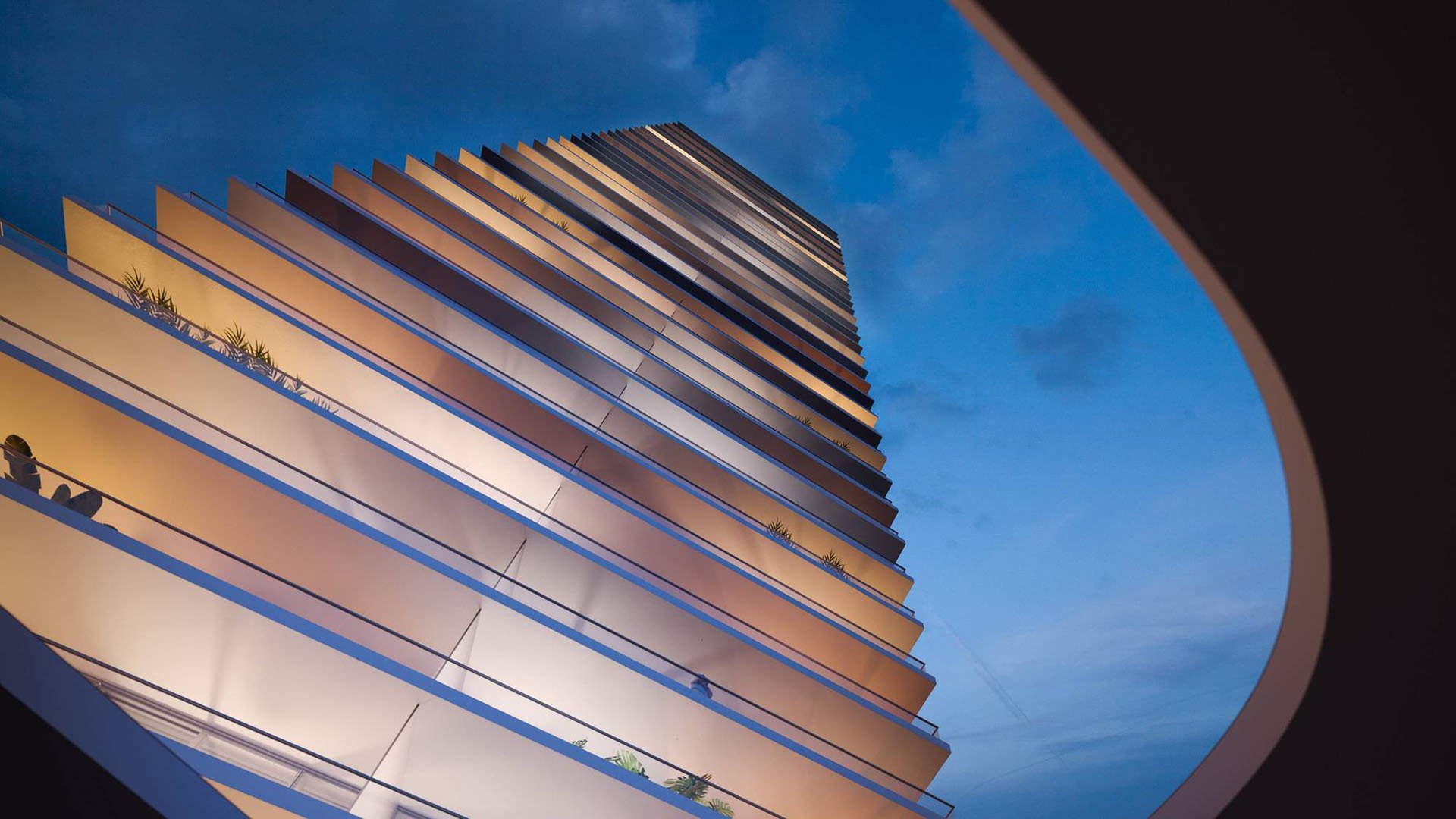
For a certain South Florida buyer, the appeal of 2000 Ocean Hallandale Beach is not just its oceanfront setting. It is the promise of a refined base that can be entered, enjoyed, closed, and left without drama. That expectation sits at the center of modern luxury condominium living, especially for residents moving between cities, countries, yachts, offices, family homes, and seasonal calendars.
Yet the quietest test of that promise may not be the view, the finish palette, or the arrival sequence. It may be the package room.
Package handling is often treated as a back-of-house detail, but in ultra-premium residential buildings it is a daily operating system. E-commerce, specialty shipments, food and wine deliveries, replacement wardrobe pieces, medicine, documents, and high-value logistics can all arrive while an owner is away. For the lock-and-leave resident, the question is not whether deliveries happen. It is whether the building absorbs them with discretion, order, and accountability.
That is the buyer question behind 2000 Ocean: does package-room capacity support the lock-and-leave lifestyle, or does it merit closer review before purchase?
2000 Ocean is positioned as a boutique ultra-luxury oceanfront tower in Hallandale. Boutique scale can be part of the appeal. A smaller residential environment may feel more private, less anonymous, and more aligned with buyers who value calm over spectacle. But boutique living also places greater weight on the details of building operations.
In a larger tower, sheer service volume may justify more elaborate delivery infrastructure. In a smaller building, the experience depends on how the operation is planned, staffed, and enforced. That does not suggest a deficiency at 2000 Ocean. It simply means buyers should treat logistics as part of the luxury conversation, not as an afterthought.
A package room is no longer a place where cardboard waits. It is a pressure point. It must manage timing, custody, storage, overflow, perishables, privacy, notifications, oversized items, and resident absences. For owners who may be away for weeks, the most important amenity may be the one that prevents friction from accumulating behind the scenes.
The package-room question has changed because the nature of deliveries has changed. Daily parcel flow is only one part of the picture. Luxury households may receive specialty shipments, temperature-sensitive food, wine deliveries, private retail purchases, design samples, wellness items, pet supplies, and high-value packages that require careful handling.
Each category raises a different operational question. Can refrigerated deliveries be accepted without the owner present? How are wine shipments handled if temperature and timing matter? What happens when an oversized item arrives before the resident does? How long can packages be held, and what is the protocol when a delivery arrives during a travel period?
Package-room square footage, parcel-volume data, locker count, staffing model, cold-storage policy, concierge intake protocol, and long-term hold procedure are not publicly established for 2000 Ocean in the information available for this analysis. That absence should not be read as a problem. It should be read as a prompt for precise due diligence.
For new-construction and near-new luxury buyers, this is increasingly normal. The conversation has moved beyond finishes and floor plans into how a residence functions when the owner is not there.
A serious buyer evaluating 2000 Ocean should ask management or the sales team direct operational questions. The point is not to interrogate the building. The point is to understand whether its systems match the buyer’s actual use pattern.
First, ask about package-room capacity relative to current resident behavior. Capacity is not only a matter of square footage. It also depends on how quickly residents collect items, how often owners travel, how many deliveries arrive during peak periods, and whether staff actively manages overflow.
Second, ask about categories. Standard parcels, refrigerated groceries, wine, artwork, furniture, fashion, pharmacy items, and high-value shipments should not all be treated the same. A building may have excellent day-to-day parcel handling but still require special arrangements for certain deliveries.
Third, ask about timing. Lock-and-leave ownership depends on how the building handles absence. A seven-day trip is different from a seasonal stay abroad. Buyers should understand hold periods, notifications, escalation procedures, and what happens when multiple shipments arrive while the owner is unavailable.
Fourth, ask about accountability. Luxury buyers are often less concerned with receiving a package quickly than with knowing who accepted it, where it is stored, how it is tracked, and how access is controlled.
The package-room issue is especially relevant for second-home ownership. Many Hallandale buyers are not seeking a fixed full-time home in the conventional sense. They want a globally connected residence that can be used intensely, then left behind with confidence.
That lifestyle changes the meaning of service. The best buildings do not merely perform when residents are present. They protect the owner’s time when residents are absent. A package room that is too informal, too crowded, or too dependent on ad hoc staff judgment can create small irritations that feel disproportionate in a luxury setting.
Again, there is no documented package-room capacity problem at 2000 Ocean in the information available here. The more balanced view is that package logistics can affect the lock-and-leave experience and therefore deserve the same attention as parking, access, security, views, and maintenance.
This is where the luxury buyer’s mindset becomes important. The question is not, “Does the building accept packages?” The question is, “Does the building’s delivery operation reflect the way I actually live?”
In South Florida’s premium condominium market, amenities are often visible. Operations usually are not. Yet operations are what turn a beautiful residence into a dependable one.
A strong package-handling system is rarely glamorous. When it works, it disappears. Packages arrive, notifications are clear, items are stored appropriately, owners are not chased during travel, and staff can respond with calm precision. When it fails, the building’s elegance is interrupted by clutter, uncertainty, or repeated follow-up.
For 2000 Ocean Hallandale Beach, package-room capacity should be viewed through that lens. Not as a claim of weakness, but as a marker of how well the lock-and-leave promise is supported in practice. A buyer considering this tower should look beyond the residence itself and ask how the building behaves during absence.
That is where luxury becomes operational. It is not only the view you return to. It is the assurance that the residence has been quietly managed while you were elsewhere.
Is 2000 Ocean an oceanfront tower in Hallandale Beach? Yes. 2000 Ocean is identified as a boutique ultra-luxury oceanfront tower in Hallandale Beach.
Does the available information prove 2000 Ocean has a package-room capacity problem? No. The available information supports package capacity as a buyer due-diligence question, not as an established deficiency.
Why does package handling matter for lock-and-leave buyers? Owners who travel frequently need deliveries to be accepted, stored, tracked, and managed without requiring constant involvement.
What types of deliveries should buyers ask about? Buyers should ask about standard parcels, oversized items, food, wine, refrigerated goods, and high-value shipments.
Are locker counts or package-room square footage publicly established here? No. Locker count, package-room square footage, parcel-volume data, and staffing model are not established in the available information.
Should package capacity affect a purchase decision? It should inform the decision, especially for buyers who expect seamless ownership while away from the residence.
Is this issue unique to 2000 Ocean? No. Package logistics are an important operational question across high-end residential buildings.
What should a buyer ask management before closing? Ask about hold times, cold storage, oversized deliveries, notification systems, high-value package custody, and overflow procedures.
Does boutique scale make package handling more important? Boutique scale can heighten the importance of disciplined operations because daily systems are felt more directly by residents.
How should buyers frame the package-room question? Treat it as part of luxury service due diligence, alongside access, security, maintenance, and overall residence management.
When you're ready to tour or underwrite the options, connect with MILLION.
If branded residences are on your mind — as a home or as an allocation — we would be glad to share what we are seeing, privately.
Begin a quiet conversation