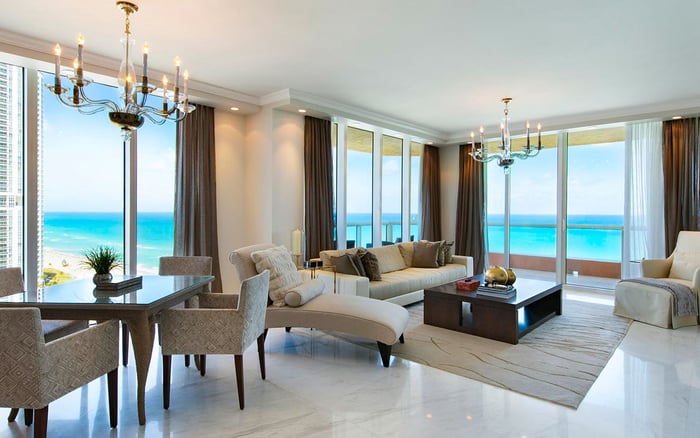
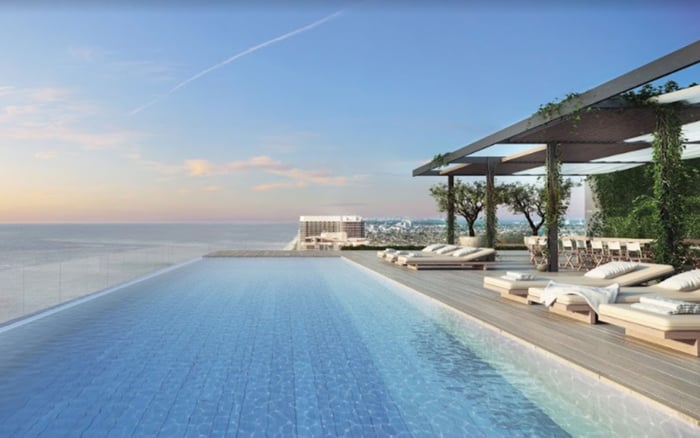
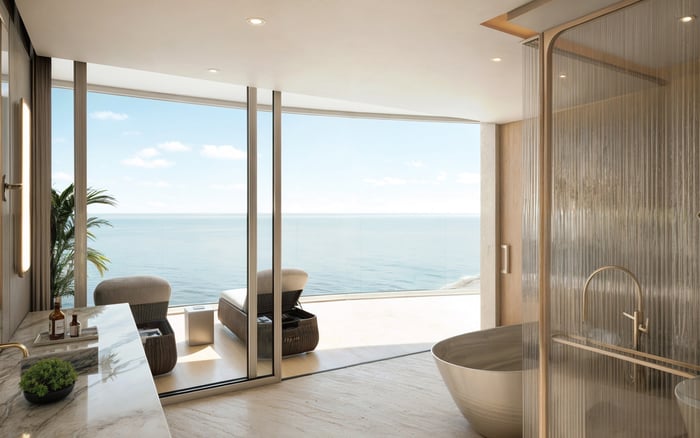
A buyer-focused editorial on how building culture influences terrace life, view enjoyment, and maintenance exposure at South Flagler House West Palm Beach and Oceana Bal Harbour.
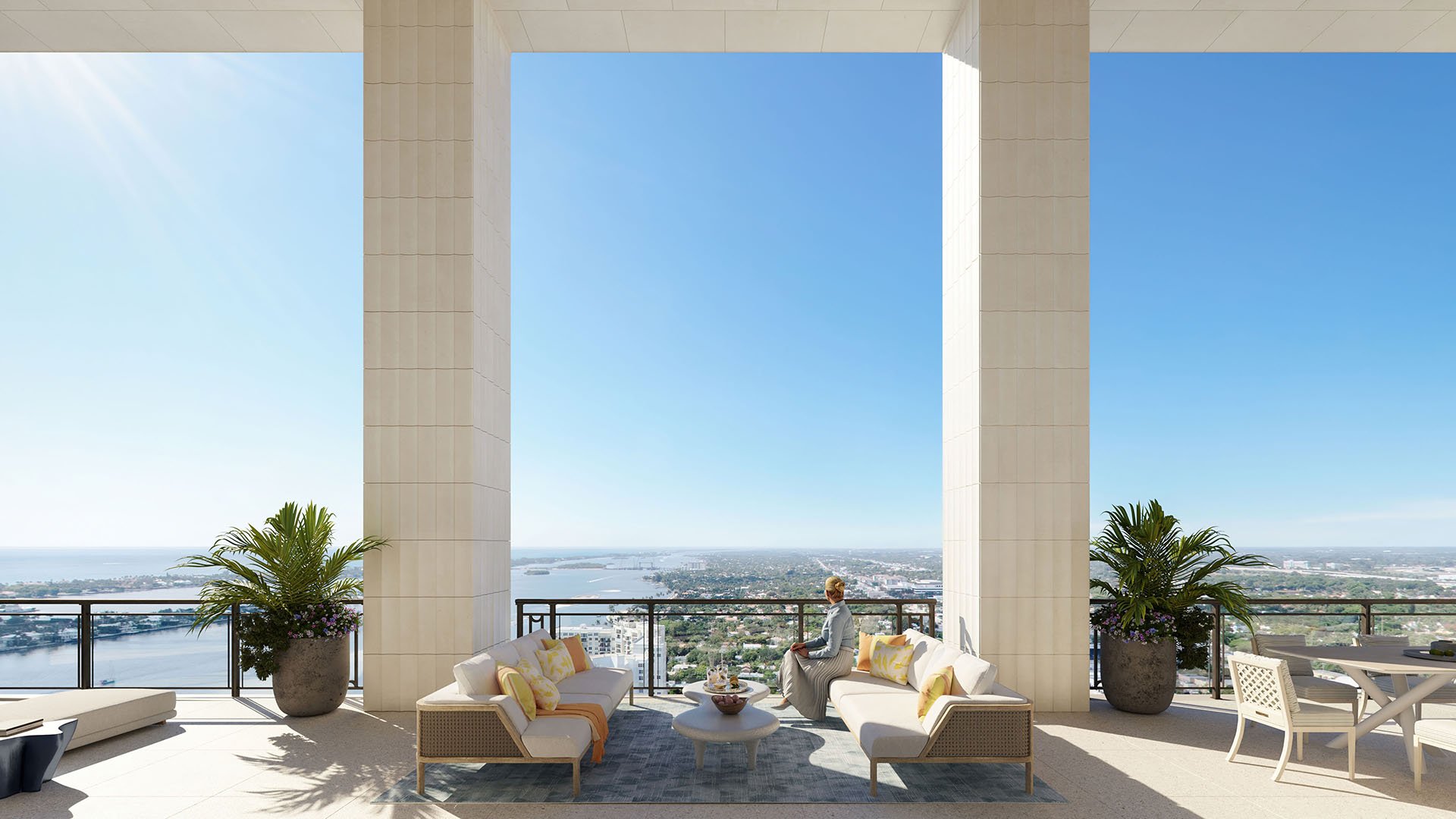
South Flagler House West Palm Beach and Oceana Bal Harbour invite a more nuanced question than the standard comparison of skyline, beach, or address. For the sophisticated buyer, the deeper issue is building culture: the accumulated habits, expectations, management style, resident behavior, and maintenance discipline that determine how a condominium actually lives after the closing.
Two residences can offer generous outdoor space, blue-water outlooks, and refined service ambitions, yet create very different ownership experiences. One may support quiet morning use of a terrace, careful furniture standards, and predictable maintenance coordination. Another may feel more social, more seasonal, or more exposed to the rhythms of guests, deliveries, and salt air. The distinction is not merely aesthetic. It affects daily comfort, long-term condition, resale presentation, and the confidence with which an owner can leave the residence unattended.
In South Florida’s premium market, buyers often focus first on view. They should. But the strongest purchases also ask how that view is preserved, how outdoor areas are maintained, and whether the culture of the building supports the way the owner intends to live.
A terrace is not automatically usable simply because it exists. Its success depends on depth, privacy, wind behavior, shade, rail transparency, furniture practicality, and the building’s tolerance for how residents use outdoor space. The best terraces behave like open-air rooms. They support coffee, reading, sunset conversation, and quiet dining without feeling ceremonial or exposed.
For South Flagler House West Palm Beach, a buyer should study how a waterfront city setting may shape daily terrace expectations. The appeal can be refined and residential, especially for owners who want a composed relationship with the water and the city. In that environment, terrace usability may be less about resort theater and more about the grace of repetition: the same chair, the same morning light, the same calm view becoming part of a personal ritual.
At Oceana Bal Harbour, the buyer’s terrace analysis should be equally disciplined. Bal Harbour carries its own cultural code: privacy, polish, discretion, and proximity to a highly curated coastal lifestyle. A balcony may serve as a visual extension of the residence, but true usability requires more than a dramatic outlook. The space must feel comfortable in real weather, not only during a showing.
The most revealing question is simple: would the owner use the terrace on an ordinary Tuesday, not just during a holiday week? If the answer is yes, the outdoor space has moved from amenity to asset.
View quality is often treated as a static attribute, but it is dynamic. It changes with time of day, season, weather, reflections, neighboring activity, and the owner’s tolerance for visual movement. A waterview can be meditative or distracting. It can feel expansive from one room and compromised from another. It can command a premium while still failing the practical test of livability.
The comparison between South Flagler House West Palm Beach and Oceana Bal Harbour should therefore be approached through a sequence of buyer questions. What is the primary sightline from the main living area? Does the view improve when seated, or only when standing near the glass? Is the terrace private enough to leave doors open with ease? Does sun exposure enrich the room, or create a constant need for shades?
In luxury ownership, the most valuable view is not always the loudest one. It is the view that remains elegant over time. Some buyers prefer architectural framing, a balance of city and water, and a quieter visual tempo. Others want a more immersive coastal impression. Neither preference is superior, but each requires a different tolerance for light, breeze, sound, and maintenance.
This is where building culture again enters the equation. A building that maintains common areas beautifully, regulates exterior appearance carefully, and treats the property envelope as a shared asset can help preserve the dignity of individual views. A building that allows visual clutter or inconsistent standards can dilute even the strongest outlook.
Maintenance exposure is rarely glamorous, but it is one of the most important elements of ownership. In South Florida, outdoor surfaces, railings, glass, drainage points, exterior furniture, and mechanical systems all live in a demanding environment. The buyer who studies maintenance only through monthly cost misses the more important question: how does the building behave when attention is required?
A disciplined building culture shows itself in communication, access coordination, cleanliness, exterior standards, and the speed with which small issues are addressed. It also appears in resident behavior. Owners who respect terrace rules, secure furniture properly, and understand the impact of weather contribute to the long-term health of the whole property.
For South Flagler House West Palm Beach, the relevant lens is stewardship. A residence positioned for a polished waterfront audience should be evaluated not only by finishes and arrival sequence, but by the operating culture that supports the property over time. For Oceana Bal Harbour, the same principle applies in a coastal context where exposure and presentation are constantly linked.
The most prudent buyers seek clarity on what is owner responsibility, what is building responsibility, and how exterior maintenance is scheduled. They also look for signs of care that cannot be staged easily: orderly service areas, calm staffing interactions, consistent exterior presentation, and residents who appear to understand the standards of the address.
Search language often flattens lifestyle into keywords such as West Palm Beach, Bal Harbour, terrace, waterview, and balcony. In real ownership, those words become more personal. They describe how a buyer wakes up, where guests gather, how long a property can be left secure, and whether the residence remains graceful during the off-season.
West Palm Beach can appeal to buyers who want cultural proximity, waterfront calm, and a sense of evolving urban refinement. Bal Harbour can appeal to buyers who want coastal privacy, luxury retail proximity, and a more established resort-residential tone. Yet the best decision is not made by choosing one label over another. It is made by matching building culture to personal rhythm.
A frequent traveler may value management discretion, predictable access, and exterior durability. A seasonal host may prioritize terrace comfort and guest circulation. A full-time resident may care most about noise patterns, privacy, and the way the view performs throughout the day. These are not secondary details. They mark the difference between owning a beautiful residence and living beautifully within it.
When touring South Flagler House West Palm Beach or Oceana Bal Harbour, slow the visit down. Sit on the terrace if possible. Look from the main seating position, not just from the glass line. Notice whether the outdoor space feels protected or performative. Ask how furniture, planters, umbrellas, cleaning, and storm preparation are typically handled.
Inside, evaluate how the view works from daily positions: sofa, dining table, kitchen, primary bedroom. If the view requires choreography, it may not deliver everyday value. If it feels natural from multiple rooms, it is more likely to become part of the residence’s identity.
Finally, read the building as a community. Luxury is not only marble, glass, and volume. It is the absence of friction. It is the quiet confidence that systems work, standards are understood, and the property’s most visible elements are treated as collective responsibilities.
Why does building culture matter in a luxury condominium? It shapes how standards are maintained, how residents use shared and exterior spaces, and how effortless ownership feels over time.
Is terrace size the main factor in outdoor usability? No. Depth, privacy, wind, shade, furniture practicality, and building rules can matter as much as total outdoor area.
How should a buyer judge view quality? View quality should be tested from seated positions, primary rooms, and different times of day whenever possible.
Does a stronger view always mean a better purchase? Not necessarily. The best view is one the owner enjoys comfortably and consistently, without excessive glare, exposure, or compromise.
What is maintenance exposure? It is the practical vulnerability of exterior and shared elements to weather, use, cleaning demands, and long-term upkeep.
Why compare South Flagler House West Palm Beach and Oceana Bal Harbour? The comparison highlights how different waterfront cultures can affect terrace life, privacy expectations, and ownership rhythm.
What should seasonal owners prioritize? Seasonal owners should focus on access coordination, storm preparation, terrace rules, and the predictability of building management.
Can building rules improve resale value? Thoughtful rules can protect exterior consistency and presentation, which may support buyer confidence at resale.
Should buyers visit at more than one time of day? Yes. Light, sound, traffic, wind, and privacy can change meaningfully between morning, afternoon, and evening.
What is the simplest test for a luxury terrace? Ask whether you would use it often on ordinary days, not only when entertaining or showing the residence.
For a confidential assessment and a building-by-building shortlist, connect with MILLION.
If branded residences are on your mind — as a home or as an allocation — we would be glad to share what we are seeing, privately.
Begin a quiet conversation