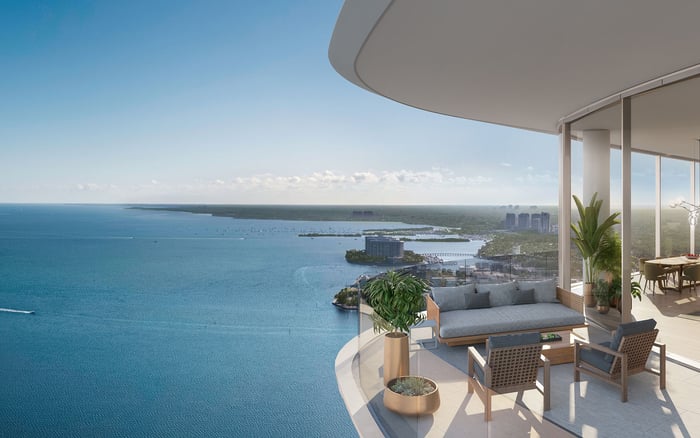
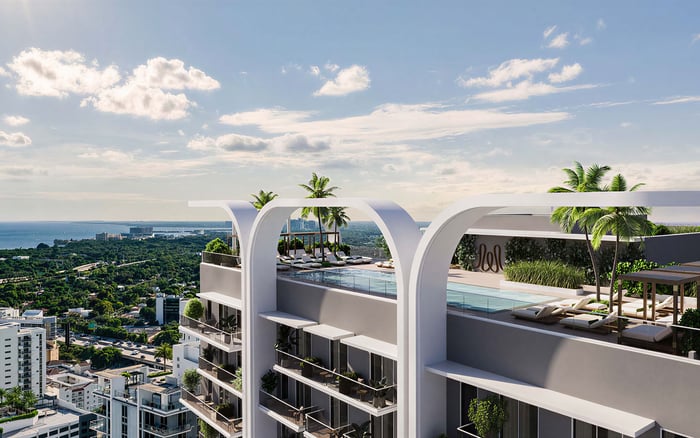
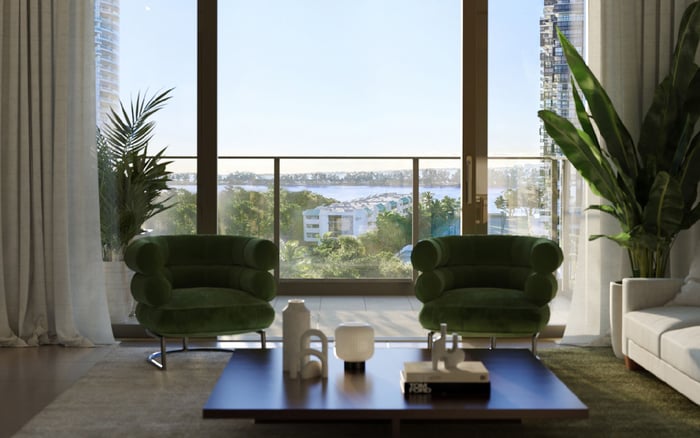
South Florida luxury buyers are examining sunlight with greater precision, treating glare, heat, view comfort, and daily livability as part of residence selection rather than afterthoughts.
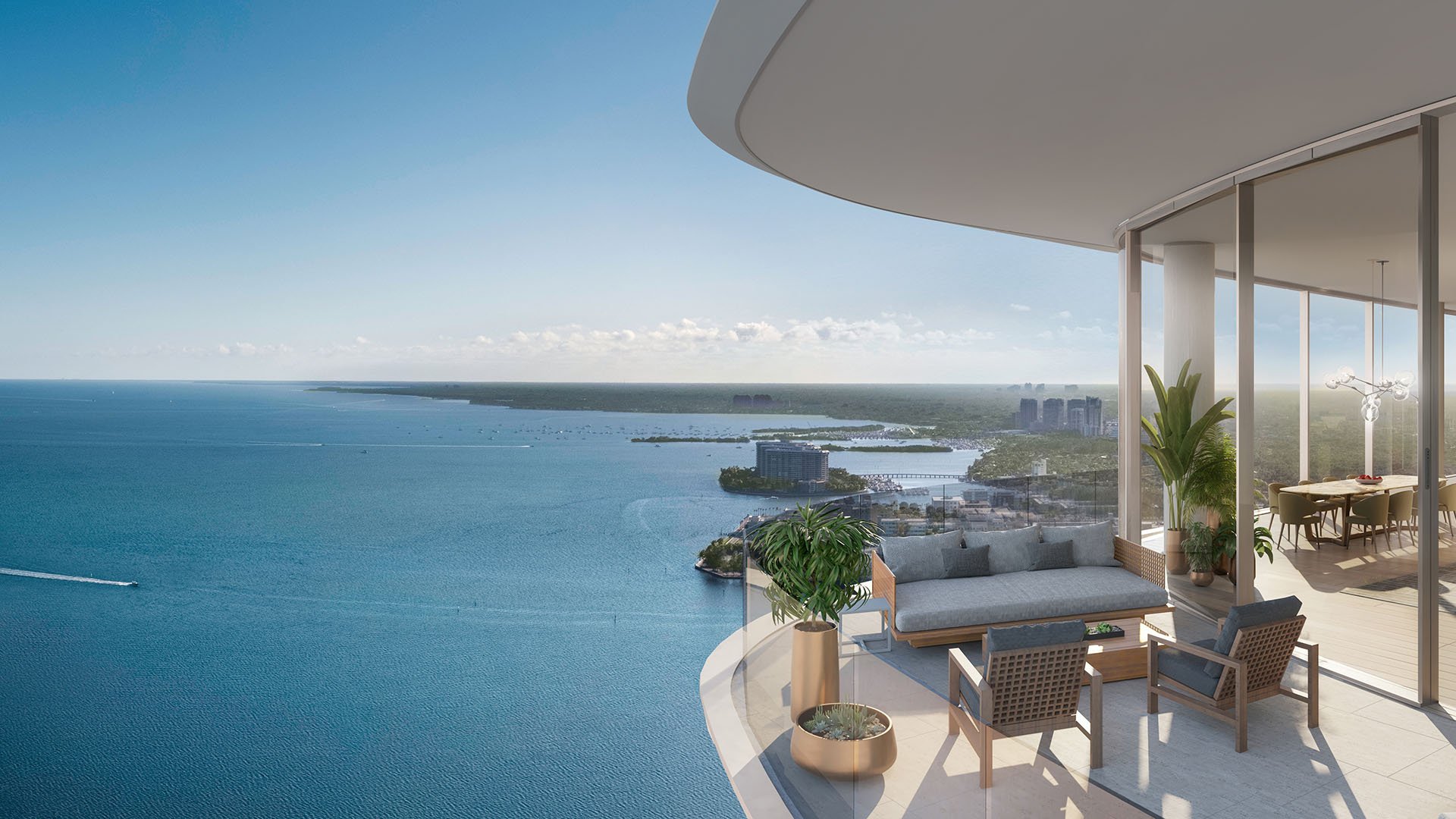
In South Florida luxury real estate, light has always been central to emotional appeal. A residence can feel larger, calmer, and more cinematic when sun moves across water, skyline, or garden views. For 2026 buyers, however, the conversation is becoming more exacting. The question is no longer simply whether a home is bright. It is whether the light is comfortable, usable, and aligned with how the buyer actually lives.
Sun-glare exposure sits at the intersection of design, wellness, preservation, and resale discipline. It shapes how a living room performs at cocktail hour, whether a home office can be used without lowering every shade, how artwork and furnishings age, and whether a terrace feels inviting or punishing at certain hours. In a more selective market, these subtleties can influence both desire and negotiation.
This is especially true in residences where glass defines the architecture. A luminous room may photograph beautifully, but lived experience is the real test. Does the primary bedroom wake softly or harshly? Does the kitchen island become uncomfortable in late afternoon? Is the television wall usable during the hours a family gathers? The best buyers are asking these questions early, not after closing.
Orientation matters, but it is not the full answer. East, west, south, and north exposures each bring a different pattern of light, heat, and shadow. The result, however, depends on building geometry, neighboring structures, balcony depth, glass specification, ceiling heights, window treatments, and interior planning.
A west-facing residence may offer dramatic sunset atmosphere, but it can also require careful glare control. An east-facing residence may feel serene in the morning, then gentler later in the day. A north-facing space may appeal to buyers who prefer even, indirect light. A south-facing exposure can vary in character depending on architecture and seasonal sun angles.
In districts such as Brickell, buyers should also study reflection and urban canyon effects. Glass towers can redirect light in unexpected ways, and the most comfortable residence is not always the one with the most obvious view line. In oceanfront settings, light behaves differently again, with open horizons, water reflection, and balcony depth playing important roles.
Orientation should therefore be treated as a starting point, not a verdict. The more refined question is how the residence filters light across the entire day.
Glare rarely affects every room equally. The most important spaces to test are the ones where a buyer expects to spend meaningful time. In a primary suite, strong morning light may be energizing or disruptive. In a kitchen, direct sun can make food preparation less pleasant. In a family room, glare can dictate furniture placement and shade usage. In a home office, it can determine whether the space functions as intended.
The living room is often the headline space, but it deserves scrutiny beyond first impression. Floor-to-ceiling glass can produce extraordinary drama, especially in waterview residences, yet the room must remain comfortable without being constantly dimmed. If shades are always down, the buyer is not truly enjoying the view they paid for.
Balcony and terrace design also matter. Deep outdoor areas can soften direct light before it reaches interior glass. Shallow outdoor areas may create more immediacy to the view, but less protection. The relationship between outdoor depth and interior comfort is one of the quiet differentiators between a photogenic plan and a livable one.
A luxury residence is not an empty shell. It is a setting for art, textiles, stone, wood, leather, and collectible objects. Sunlight can enrich these materials, but prolonged direct exposure can also change them. Buyers planning a significant interior program should evaluate glare exposure before finalizing furniture layouts, rug placement, millwork finishes, and art walls.
This does not mean avoiding sunlight. It means designing for it. Automated shades, layered window treatments, UV-conscious glazing, strategic furniture placement, and thoughtful wall selection can preserve the atmosphere while protecting the investment inside the residence.
For collectors, the question becomes even more specific. Which walls receive direct sun? At what time? For how long? Can a work be placed where it benefits from ambient light without being exposed to harsh rays? These are not purely aesthetic questions. They are ownership questions.
In the best homes, daylight is choreographed. It supports mood, texture, and rhythm without overwhelming the room.
High-floor residences often intensify the light experience. With fewer obstructions, a home may receive broader sky exposure, longer view corridors, and a more expansive sense of brightness. For many South Florida buyers, that is precisely the attraction. But brilliance has to be managed.
The higher the exposure and the broader the glass, the more important it becomes to understand how the residence performs at different times. A room that feels soft during a morning showing may feel entirely different in late afternoon. A dazzling water view may become visually intense when the sun is low. Conversely, a residence that seems understated at one hour may become exceptional at another.
The buyer’s lifestyle should guide the analysis. A seasonal owner who uses the home mainly in the evenings may prize sunset drama. A full-time resident working from home may prioritize consistency and screen comfort. A family with young children may value bedrooms that stay calm at rest times. A frequent entertainer may want living areas that remain comfortable when guests arrive before dinner.
There is no universal best exposure. There is only the best exposure for a particular way of living.
The most useful showing is not always the most convenient one. Buyers should try to visit at the hours when the home will matter most to them. If the residence will be used for breakfast and school mornings, morning light should be tested. If it will host evening gatherings, late-day conditions deserve attention. If one partner works remotely, the office area should be evaluated during working hours.
During a walkthrough, buyers should resist the impulse to judge only the view. Stand where the sofa would go. Sit at the dining table location. Face the likely television wall. Open and close the shades. Step onto the balcony and return inside to feel how the light changes. Ask whether the room invites use without adjustment.
It is also wise to examine how the residence transitions. Some of the finest homes are not uniformly bright, but beautifully balanced. They offer brilliance in the public rooms, softness in the bedrooms, and shaded outdoor space when the day is strongest. That balance often matters more than a single spectacular moment.
As buyers become more sophisticated, sun-glare exposure may become part of the value discussion. A residence with exceptional views but difficult glare may still be highly desirable, yet buyers may factor in the cost of shades, lighting design, window treatment upgrades, or interior adjustments. Conversely, a residence with balanced natural light can feel quietly superior, even if another unit has a more dramatic first impression.
For sellers, this creates an opportunity. A well-presented home should demonstrate how it manages light. Shades should operate properly. Furniture should show usable seating zones. Art and surfaces should appear thoughtfully placed. The showing should allow buyers to imagine everyday comfort, not only visual spectacle.
For buyers, the discipline is simple: treat light as a functional attribute. In premium South Florida property, exposure is part of the architecture, part of the interior plan, and part of the ownership experience.
The most enduring residences do not merely capture the sun. They edit it. They allow water, skyline, garden, and sky to enter the home without making the owner retreat from the glass. They feel open without feeling exposed, luminous without feeling harsh, dramatic without becoming demanding.
That is the 2026 buyer question behind sun-glare exposure. Not whether there is enough light, but whether the light is intelligent. In a region defined by brightness, livability is the new sophistication.
Why does sun-glare exposure matter in South Florida luxury homes? It affects comfort, furniture placement, screen use, artwork preservation, and how often a buyer can enjoy the view without lowering shades.
Is a west-facing residence always a problem? No. West-facing homes can offer beautiful evening atmosphere, but buyers should test late-day glare and heat before deciding.
Are high-floor residences more exposed to glare? They can be, because broader sky and view exposure may increase brightness. The actual experience depends on glass, layout, and shading.
Does oceanfront living create more glare? It can create strong reflected light from open water and horizon views, so balcony depth and shade systems become especially important.
What room should buyers test first? Start with the rooms used most often, typically the living area, primary suite, kitchen, and any home office or media space.
Can window treatments solve most glare issues? They can help substantially, but the best result usually combines glazing, shade design, room layout, and furniture planning.
Should buyers tour at more than one time of day? Yes. A residence can feel very different in the morning, midday, and late afternoon, especially when views are open.
How does a balcony influence interior comfort? A well-proportioned balcony can help filter direct light before it reaches the main glass, improving both shade and usability.
Does terrace depth matter for glare? Yes. A deeper terrace may soften sunlight and make outdoor living more practical during brighter parts of the day.
Can Brickell buyers evaluate glare differently than beach buyers? Yes. Brickell buyers should consider reflected light from nearby towers, while beach buyers should study open-sky and water reflection.
To compare the best-fit options with clarity, connect with MILLION.
If branded residences are on your mind — as a home or as an allocation — we would be glad to share what we are seeing, privately.
Begin a quiet conversation