A buyer-oriented, season-by-season playbook for South Florida luxury condos in 2026, emphasizing micro-markets, carrying costs, and event-driven demand over generic timing rules.
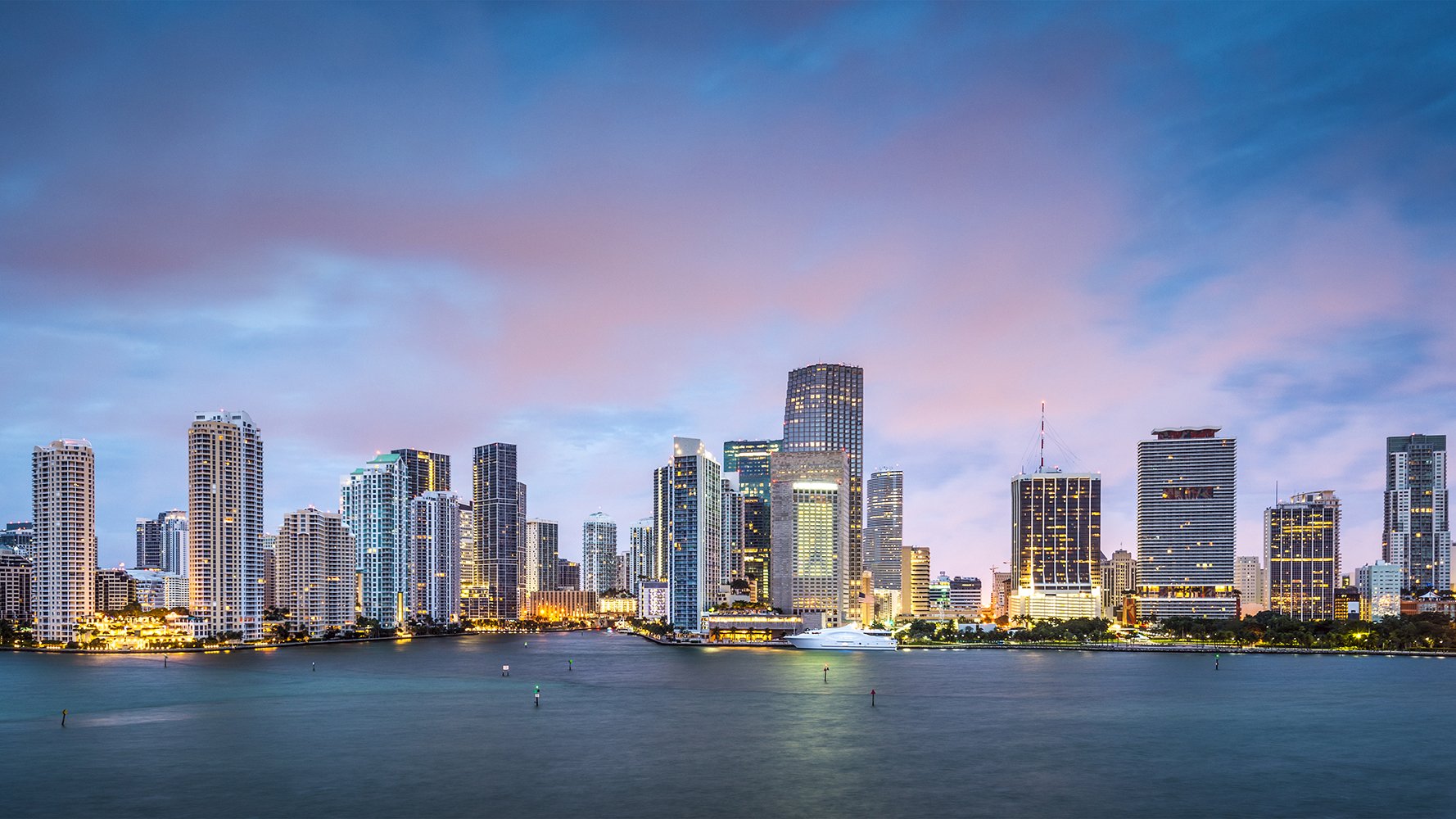
In South Florida, the calendar still matters, but not in the neat, predictable way many buyers assume. Winter remains the classic “snowbird” season, when second-home owners, global visitors, and part-time residents spend more time on the ground. That concentration compresses showings, speeds up decision-making, and increases the likelihood that the residence you want attracts competing interest. In 2026, however, buyers are operating in a market where micro-markets can matter more than broad seasonal rules. Price-per-square-foot, months of supply, and days on market can vary sharply between neighborhoods just minutes apart. Layer in building-level variables, insurance, reserves, and post-Surfside safety compliance, and the best time to buy becomes less about the month and more about aligning your leverage with the specific building, view line, and ownership profile. For an ultra-premium audience, timing is a tool, not a superstition: it’s how you manage information flow, negotiating posture, and the bandwidth required for proper diligence.
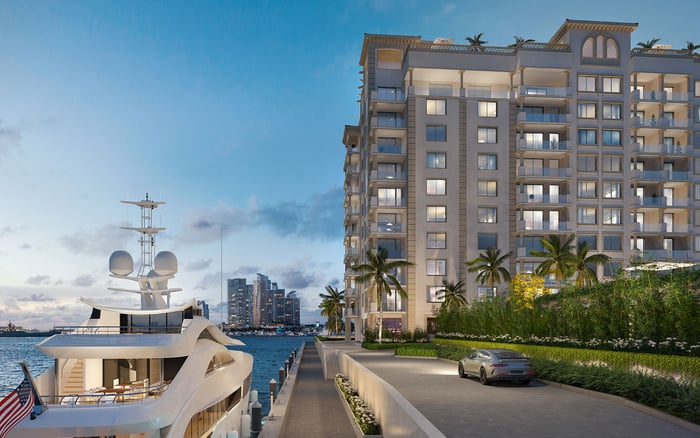
Winter is South Florida at full volume: an intensified mix of leisure, culture, and capital. Early December, in particular, tends to bring a high concentration of high-net-worth visitors, which often translates into more high-intent showings. For sellers, that’s an advantage. For buyers, it can narrow the window to act. The benefit of shopping in winter is clarity. Listing photos align more closely with real-world conditions. Open houses are better attended, and market sentiment is easier to gauge because activity isn’t happening quietly off-cycle. If you need to be in a specific pocket of Miami Beach or Bal Harbour by a fixed date, winter inventory can be the most immediate path. The tradeoff is leverage. When demand is condensed, sellers typically hold firmer on pricing, and the best units often move quickly. If you’re targeting newer, design-forward product where scarcity is part of the value proposition, winter can feel less like a negotiation season and more like a selection season. In that context, Five Park Miami Beach reflects a prime-area dynamic where timing is frequently driven by availability and buyer readiness, not a conventional “deal window.”
Spring often arrives with a quieter cadence. Many winter shoppers have already committed, and some seasonal residents head north. What remains is often a more focused buyer pool with fewer distractions, and that can work in your favor. For discretionary buyers, spring is a practical time to widen the search without the pressure of peak-season urgency. Negotiations can become more disciplined, with less emotion and more attention to terms: inspection scope, escrow timelines, furniture inclusions, and closing flexibility. If your focus is Brickell, spring can also be a strong window to compare ultra-luxury new construction narratives against resale realities. A project like 888 Brickell by Dolce & Gabbana sits in a category where brand, experience, and long-horizon value propositions can matter as much as short-term seasonal price movement. Spring gives you room to evaluate those propositions with intention.
Summer is often labeled the “slow season,” but in luxury condos it’s better understood as a season of asymmetry. Fewer buyers are in town, which can reduce competition. Sellers who need to transact during summer may be more open to concessions, especially for buyers negotiating around total cost of ownership rather than headline price. Two dynamics make summer uniquely strategic: First, diligence becomes the differentiator. In the condo market, fees, insurance conditions, and building-safety requirements can materially affect value and negotiating posture. A summer timeline can allow for a more thorough review of budgets, reserve studies where available, inspection histories, and any disclosed future capital work. The objective isn’t to “win” a discount, it’s to avoid inheriting an expensive surprise. Second, hurricane season influences behavior. Even when storms don’t materialize, the season can shape how buyers and lenders approach insurance, documentation, and timelines. Closings may slow, but leverage can increase for an organized buyer willing to proceed while others hesitate. In Edgewater, where submarkets can behave differently even within the broader Downtown umbrella, summer can reward buyers who are selective about line, exposure, and carrying costs. In that context, Aria Reserve Miami is the kind of waterfront-centric offering that can attract year-round interest, while still seeing negotiation dynamics shift as the buyer pool thins.
Fall is when the market often re-engages. Buyers return, and sellers list in anticipation of winter visibility. Notably, October has recently stood out for transaction volume in Miami-Dade, including strength in $1M+ condo activity. For a luxury buyer, the implication is straightforward: “peak season” isn’t exclusively a winter phenomenon. Fall can be a compelling window if you prefer to act ahead of the most competitive winter weeks. You may see fresh inventory, sellers motivated to go under contract before the holidays, and a market tone that feels constructive without tipping into frenzy. If your lifestyle priorities lean toward walkable, village-like urbanism rather than pure resort energy, Coral Gables and Coconut Grove have shown comparatively fast sales velocity in recent luxury condo conditions. That pace suggests that the best residences in these neighborhoods can trade quickly regardless of season, another reason fall can be a smart, proactive entry point. A residential option such as Ponce Park Coral Gables aligns naturally with a fall strategy: it suits buyers who want to be settled before winter, while keeping diligence and negotiation disciplined.
Luxury buyers should treat South Florida as a mosaic of micro-markets. Even within Miami Beach, pricing and scarcity can behave very differently across prime areas. Under Q3 2025 conditions, South Beach luxury condos were associated with pricing around $1,538 per square foot, while Fisher Island luxury condos were associated with a much higher median around $2,708 per square foot. The takeaway isn’t the exact number, it’s the underlying driver: scarcity, access, and status can insulate certain enclaves from the typical seasonal ebb and flow. That’s why Fisher Island often operates like a market apart. When supply is inherently limited, the “best time” to buy may simply be when the right residence becomes available, and your diligence is already prepared.
Seasonality is only one lever. In 2026, three controllable levers often matter more:
Carrying costs and building trajectory. HOA structure, insurance exposure, reserve posture, and any disclosed future capital work can dominate value. Even a modest price concession can be eclipsed by a long-term cost profile you didn’t model.
Liquidity and financing posture. Mortgage rates eased through 2025 from higher levels into the low-6% range by year-end, and early-2026 coverage has emphasized improving momentum. If you’re financing, timing can be less about months and more about securing a payment profile you can live with.
Your own timeline for certainty. Luxury transactions often hinge on intangibles: schools, privacy, art storage, marina access, wellness programming, security protocols, and how a building feels at night. Buying well means leaving room to confirm the lifestyle, not just the floor plan. In Brickell, a boutique-leaning alternative like 2200 Brickell can appeal to buyers who prefer a more residential cadence. That preference is timeless, but your negotiating leverage can still shift meaningfully depending on whether you’re shopping under the winter spotlight or in the summer quiet.
Different luxury buyers should use the calendar differently:
The must-move buyer (relocation, school year, tax planning): Shop in early fall to reduce winter competition; prioritize certainty of closing.
The discretionary upgrader (already owns locally): Consider summer for negotiating leverage, while expanding diligence on fees, reserves, and insurance.
The scarcity collector (specific line, view, or enclave): Stay ready year-round; act when the right unit surfaces, regardless of season.
The international buyer: Maintain flexibility around travel windows; note that Miami is widely cited as a leading destination for foreign buyers, which can compress timelines when global demand spikes.
Is winter always the best time to buy a luxury condo in South Florida? Winter delivers the most activity and selection, but it can also bring the most competition.
When do buyers typically have the most negotiating leverage? Summer and late spring can offer leverage when fewer buyers are actively shopping.
Do micro-markets really matter that much in Miami? Yes, pricing and supply can vary sharply by neighborhood and even by building.
Why do condo fees matter more than seasonality for some buyers? Carrying costs can outweigh small price swings and directly impact long-term value.
How should I think about hurricane season when buying? Use it to strengthen diligence on insurance, documentation, and building readiness.
Is fall a strong time to transact in Miami-Dade? October has recently shown notable sales strength, including in $1M+ condos.
Are some enclaves less seasonal than others? Scarcity-driven areas can trade more on availability than on the time of year.
Do easing mortgage rates change the timing equation? They can, especially for financed buyers, by improving affordability and momentum.
Should I prioritize price-per-square-foot when comparing neighborhoods? Use it as a reference, but weigh it against lifestyle fit, inventory, and carrying costs.
Do major events like Art Basel affect timing for luxury condos? Major events can concentrate high-intent visitors and compress decision windows, so being prepared on due diligence helps you act quickly.
For a discreet shortlist and tour strategy related to Timing Your Purchase, speak with MILLION Luxury.
If branded residences are on your mind — as a home or as an allocation — we would be glad to share what we are seeing, privately.
Begin a quiet conversation