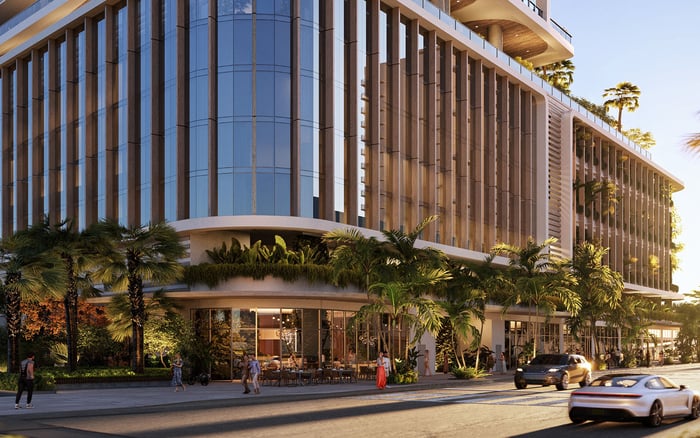
In South Florida, the luxury condo Resale market increasingly trades in the shadow of New-construction launches. A new tower’s design language, amenity stack, and buyer incentives can raise the ceiling for a neighborhood or compress pricing for older product that cannot match today’s expectations. For owners of established buildings, value protection is less about chasing the newest finish package and more about controlling presentation, timing, and terms. For buyers, the opportunity lies in understanding how developers set comps and how older icons can still win on location, scale, and certainty.
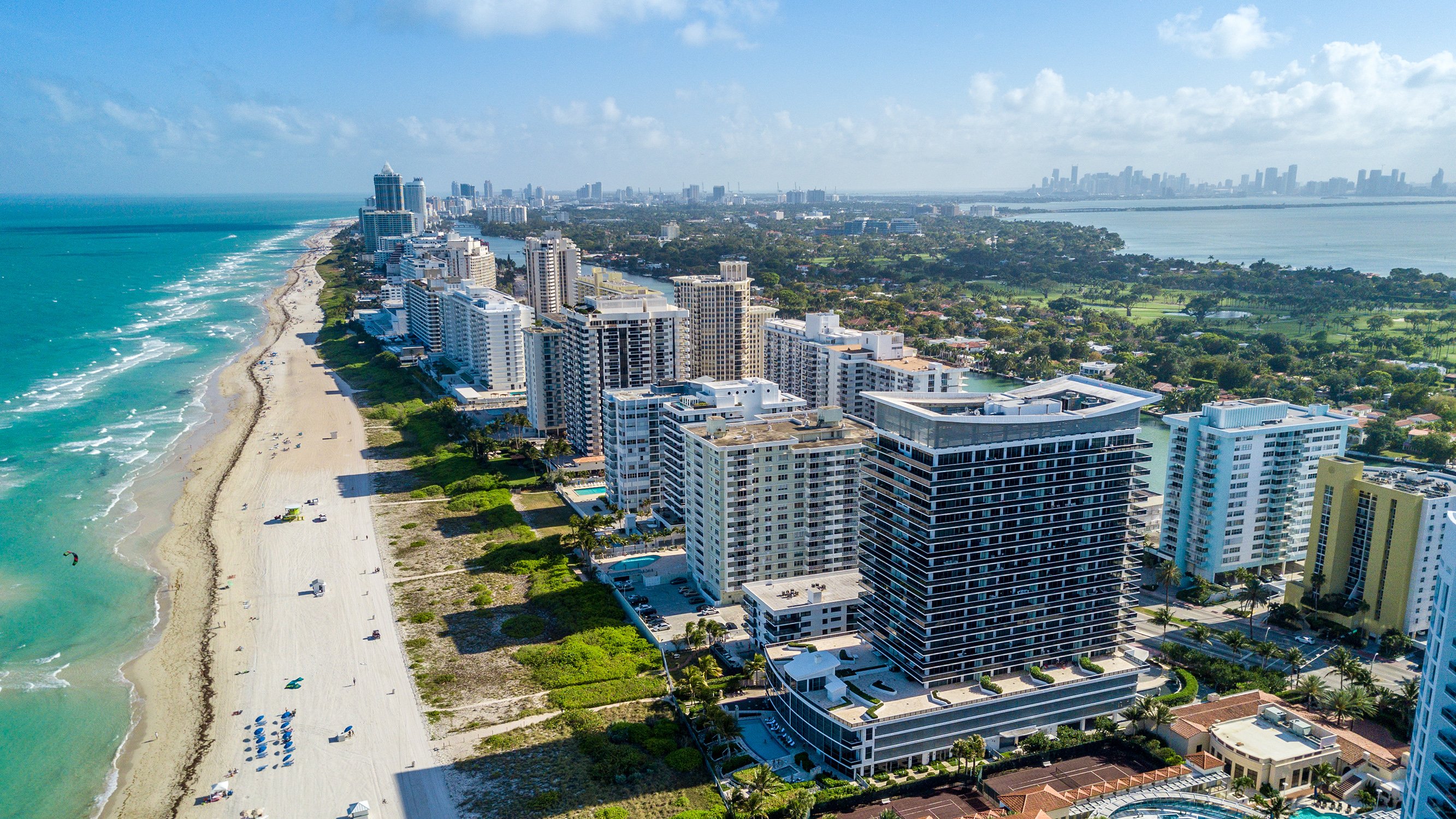
Miami’s ultra-prime condo market now operates on two parallel tracks. New-construction launches shape the conversation with polished marketing and ambitious positioning. Resale closings, meanwhile, show what buyers will actually commit to when a home is available today. Even buyers who plan to purchase in an established building often carry the last sales gallery they visited as their mental baseline.
This shift is not only about building age. It is about narrative, momentum, and friction. A new tower can feel simple by design: curated renderings, a controlled showroom experience, and a “next chapter” storyline that makes buyers feel early to something important. Resale requires decisions in the present tense. Condition is real, not rendered. Timelines are defined by access, documentation, and process. A residence can also read as someone else’s taste until the buyer imagines their own.
In a high-liquidity moment, new projects can capture attention simply because they are new. In a more selective market, they become a negotiation reference point, whether or not the buyer truly intends to wait for delivery.
For owners in established South Florida buildings, the question is not whether new-construction is “good” or “bad.” The question is how each wave of supply resets the reference points used by buyers, agents, and appraisers to define value. In markets where buyers shop by neighborhood labels such as Brickell and Miami Beach, subtle expectation shifts can translate into meaningful differences in days on market, offer structure, and, ultimately, the terms that determine net results.
New development influences Resale values primarily by training buyers on what luxury is “supposed” to feel like right now. A buyer who tours a newly delivered or aggressively marketed tower is being coached, room by room, on today’s standards. That coaching follows them into every older building they consider, and it can quietly change what they notice, what they question, and what they discount.
Common expectation shifts include:
First, design coherence. New towers typically present a single, unified design language from arrival to elevator lobby to residence entry. Older icons can read as visually inconsistent when common areas, corridors, and unit interiors have not evolved at the same pace. Even when an older residence offers generous square footage, buyers may react to the contrast between a cohesive concept and a patchwork of updates.
Second, wellness and lifestyle programming. New-construction marketing increasingly sells routine as much as amenities: the building’s support for mornings, training, recovery, remote work, and entertaining. Older buildings can have strong fundamentals, but they may appear “thin” if their amenity story is not communicated with the same precision and sophistication.
Third, service positioning. New launches often promise elevated service, even before the day-to-day cadence is proven over time. Resale buyers may discount older buildings if they perceive service standards as dated, or if they simply cannot visualize what the daily experience feels like.
Fourth, contemporary practicality. Storage, package handling, drop zones, and integrated work areas are now part of what luxury buyers actively register. Resale can still win, but it must reduce friction and answer questions before they become objections.
None of this makes older buildings irrelevant. It clarifies the playing field. Established buildings rarely win by imitating the newest finish package. They win by articulating, with discipline, what they deliver that newer options cannot replicate.
In luxury condos, price is rarely a universal number. It is the product of a comparison set, and new towers can reshape that set quickly.
A new delivery or a heavily marketed launch can pull pricing up when it elevates the perceived prestige of a micro-location. It can also push pricing down when it gives buyers a substitute that feels “close enough” on view corridor, proximity, and lifestyle. The difference is usually differentiation.
When older icons are clearly differentiated, new-construction can function as free advertising for the neighborhood. Buyers arrive for the new tower, then pivot to Resale when they realize they can secure immediate ownership, larger layouts, or a specific line they prefer without waiting. In that scenario, the new tower expands the top of the funnel and helps the area stay top of mind.
When older inventory is not differentiated, the new tower becomes the measuring stick. Older units can be treated as a discounted version of the same lifestyle, and price compression appears. This is most visible when buyers perceive the older building as offering a similar experience but missing features they have just been trained to expect.
In both cases, incentives matter. Developers can shape perception through concessions, upgrades, and closing flexibility. Resale sellers rarely match that directly, but they can compete by structuring terms and presentation to make the decision feel clean and easy.
A classic building does not need to cosplay as New-construction. The strongest Resale outcomes often come from leaning into what established luxury buildings do best: certainty, proven operations, and a sense of place that cannot be manufactured on command.
Owners and listing teams can focus on five value protectors.
First, curate the first five minutes. Luxury buyers form an opinion immediately. Lighting, scent, sound, temperature, and the “edit” of furnishings do not change the floor plan, but they change emotion and perceived care. The goal is to make the residence feel deliberate, not merely occupied.
Second, neutralize risk. If the home has been meticulously maintained, present that as stewardship, not defensiveness. If certain items need attention, prioritize the issues that create fear, such as visible wear or unresolved maintenance. Buyers often assume hidden problems when they see obvious ones.
Third, present renovations as timeless, not trendy. New launches can sell trend-forward finishes because they are selling a moment and a story. Resale wins with materials and detailing that feel enduring. The objective is to feel current without anchoring the residence to a single design era.
Fourth, sell certainty. A home that can close on a timeline aligned with the buyer’s life carries value. Certainty is communicated through clean documentation, straightforward showing access, and a transaction process that reduces surprises.
Fifth, price to invite competition, not to prove a point. In a market influenced by new launches, many buyers triangulate value by comparing an older listing to a developer’s marketing price, then adjusting for delivery time and “newness.” If a Resale ask feels aspirational without a clear differentiator, buyers pause, stall, and wait for reductions.
Older icons tend to win when the seller makes the choice feel rational and refined: a residence with presence, presented with restraint, and offered with terms that respect the buyer’s schedule.
Luxury buyers in Miami are rarely choosing between “good” and “bad.” They are choosing between different expressions of luxury.
New-construction often offers the pristine appeal of first use, wrapped in a lifestyle narrative designed to feel effortless. Resale offers immediate ownership, often in buildings with established operations and a known culture. The right choice depends on what the buyer values most and what they are willing to trade.
Consider a structured evaluation across the same criteria every time.
First, timeline and certainty. If a buyer wants to occupy quickly, Resale provides clarity. If they can wait, new-construction can offer customization and the psychological pull of arriving into something new.
Second, total cost of ownership. New units may command a premium for newness. Resale may require updates. Either way, the relevant cost is not only the contract price. It is the cost to achieve the finish level, comfort, and usability the buyer expects.
Third, operational maturity. Established buildings have a track record, which can matter when predictability is a priority. New towers may be exceptional, but the lived experience is still unfolding.
Fourth, layout and livability. Many buyers prioritize room proportions, orientation, privacy, or a specific floor plan style that may be more common in certain eras. Resale can be a strategic way to secure a layout newer design trends do not always offer.
Fifth, exit strategy and Investment logic. Even end users benefit from thinking ahead. In Miami, the buyer pool can shift quickly. A residence that is easy to understand, easy to show, and easy to renovate tends to preserve optionality.
Keep the same decision framework from tour to tour. The goal is to avoid being seduced by a sales gallery one day and then overcorrecting by undervaluing a Resale opportunity the next.
For buyers who want a clear read on how today’s New-construction expectations are being positioned, it can help to study a current offering as a reference point, without assuming it is right for every lifestyle or portfolio.
Explore The Residences at 1428 Brickell as a neutral lens on how new luxury inventory is framed in marketing, then compare that narrative to what established buildings can deliver immediately on location, operations, and day-one usability.
Sophisticated buyers separate aspiration from utility. A new tower can define what feels fashionable today. An older icon can define what feels livable today. Value comes from understanding which aligns with your priorities.
Even when a buyer is committed to purchasing Resale, nearby New-construction affects leverage in subtle, practical ways.
If a developer is actively selling, buyers feel they have alternatives. That can slow decision-making and reduce urgency. It does not automatically reduce value, but it changes tempo. In that environment, Resale sellers benefit from being proactive, specific, and easy to transact with.
Leverage tends to shift based on three signals.
First, availability of true substitutes. If the buyer can purchase something that feels similar with minimal compromise, they will use it in negotiations. If the Resale home offers a distinctive view, a uniquely desirable line, or a level of privacy that is difficult to replicate, leverage moves back toward the seller.
Second, the cost of waiting. If the buyer’s life includes a deadline, such as relocation, school timing, or immediate use, Resale carries a time premium. Sellers protect that premium by making the process smooth and predictable.
Third, perceived renovation burden. Buyers discount aggressively when they believe a residence needs a full rework, especially after touring New-construction. If the seller cannot renovate, the strategy should still reduce perceived burden through clear disclosure, clean condition, and pricing that acknowledges the path forward.
In practice, the seller who wins is often the one who makes the buyer feel they are buying lifestyle, not buying a project.
Luxury appraisals and underwriting aim to be data-driven, yet the inputs are shaped by market narrative. When new developments enter the local conversation, selecting comparable sales and framing value can become more complicated.
New-construction and Resale can be priced and structured differently, so the most effective approach for both buyers and sellers is to anticipate questions early.
For sellers, keep documentation organized and accessible. Records of updates, maintenance, and building communications reduce friction and help support a clean story. For buyers, ask early how the lender and appraiser will treat the comparison set, especially when nearby new inventory is influencing expectations.
The goal is not to force a value conclusion. It is to prevent the transaction from being derailed by ambiguity. In a market as dynamic as Miami, clarity is its own form of luxury.
Different buyer profiles respond differently to New-construction pressure.
The end user typically prioritizes emotional fit and immediate usability. Resale is compelling when the residence feels turnkey, the building culture aligns with their lifestyle, and the daily experience feels uncomplicated.
The second-home buyer often values simplicity, security, and a sense of arrival. They may gravitate to New-construction because it can feel like joining something new. They may also prefer established buildings because rules, operations, and social rhythm are already known.
The Investment buyer tends to focus on liquidity, optionality, and how quickly the next buyer can understand the product. In that context, buying Resale in an older icon can be attractive when the unit is positioned as the obvious choice relative to new alternatives. That requires a realistic renovation plan, a disciplined acquisition basis, and an understanding that luxury demand can be cyclical.
Across all profiles, a resilient approach is to buy and sell with the next buyer in mind. New-construction will continue to refresh market expectations. Older icons will continue to offer the advantages of proven living. The winners are the residences that tell the clearest story with the least friction.
Miami’s condo ecosystem constantly redefines what “best in class” looks like. As new towers arrive and tastes evolve, older buildings can either fade into the background or be reintroduced as classics with renewed relevance.
If you own in an established building, treat each new launch as a prompt to audit competitive position. Identify what your building and your residence offer that cannot be replicated, then make sure your listing presentation communicates that advantage quickly and unmistakably.
If you are buying, treat each sales gallery as a lesson in what the market is being trained to desire, then decide how much you want that training to shape your purchase. In Miami Beach, Brickell, and across South Florida, the most confident buyers can appreciate the new while still recognizing the enduring value of what is already proven.
How do New-construction launches typically influence Resale pricing psychology?
They set a fresh mental baseline. Buyers compare older listings to the newest showroom they toured, then adjust for delivery timeline, perceived newness, and amenity expectations. That comparison can lift values in a micro-location or compress pricing for older homes that feel less differentiated.
What should an owner upgrade first to help an older luxury condo compete?
Start with friction reducers. Address visible wear, deferred maintenance, and anything that signals risk. Then prioritize improvements that read timeless and cohesive, especially lighting and finishes that make the residence feel cared for and current, without trying to mimic a brand-new tower.
When is it smarter to buy Resale instead of waiting for delivery?
When certainty and usability matter more than novelty. If you want to occupy on a clear timeline, prefer a building with established operations, or value specific layouts that are more common in older icons, Resale can be the more practical choice.
How can buyers evaluate Investment potential without relying on hype?
Use a consistent framework: how easily the residence can be understood, shown, and improved; how cleanly it fits the local comp set; and how much renovation burden is implied. The best “Investment” stories are typically the ones with the fewest assumptions.
For discreet guidance on positioning a Resale listing or evaluating new alternatives, connect with MILLION Luxury.
If branded residences are on your mind — as a home or as an allocation — we would be glad to share what we are seeing, privately.
Begin a quiet conversation