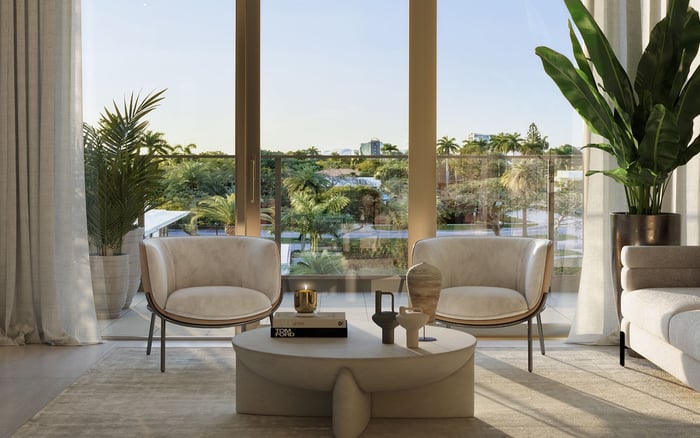
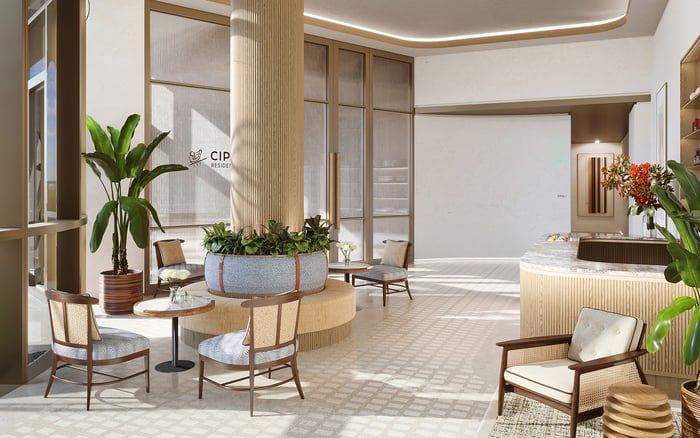
South Florida’s next chapter of luxury living is being written for buyers who want ease without compromise. Ultra-luxury senior living is no longer a single category, it is a spectrum that can include service-rich communities, boutique assisted living, and private residences supported by concierge-style care. This guide frames what “high-end” can mean in Miami-Dade, Broward, and Palm Beach, how to evaluate discretion and medical access, and how to compare lifestyle, design, and governance. It is written for families and principals who value privacy, continuity, and long-term optionality.
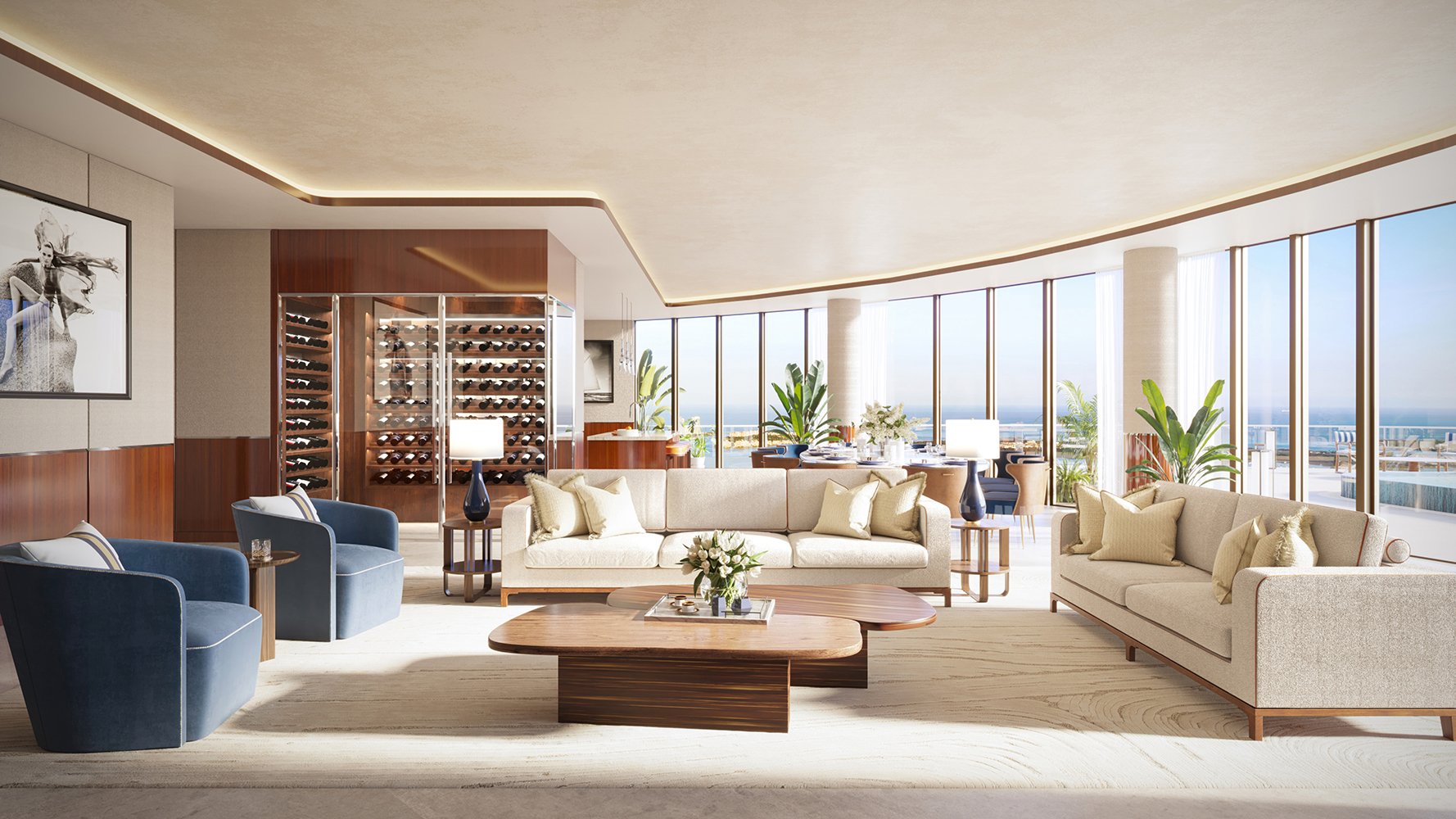
South Florida has long attracted people who value beauty, ease, and access. Today, the region’s senior living landscape is evolving to meet the same standards: thoughtful design, genuine discretion, and service that feels natural rather than performative. For ultra-premium households, the question is rarely, “Where can we live?” It is, “How do we live with continuity, privacy, and options?”
At its best, ultra-luxury senior living sits at the intersection of hospitality, real estate, and healthcare. The strongest residences do not read as “facilities.” They feel like well-run private environments: calm finishes, intentional programming, and a staff culture that understands boundaries. The goal is not constant stimulation. It is frictionless living, with the ability to increase support without turning everyday life into a medical project.
This is also a decision many families make across generations. Adult children may be evaluating proximity for frequent visits, a multigenerational footprint, or a second residence that can comfortably support caregivers. Principals may be weighing governance, physician access, lifestyle alignment, and whether the move expands freedom instead of narrowing it.
What follows is a discreet, buyer-minded framework for evaluating high-end retirement residences across Miami-Dade, Broward, and Palm Beach, without reducing the process to generic checklists.
The words “luxury” and “senior living” are often used loosely. A true ultra-luxury experience is not defined by a beautiful lobby alone. It is the combination of environment, operations, and optionality, delivered with consistency.
Environment is the visible layer. Look for architecture that feels residential rather than institutional, interiors with calm proportions and natural light, and common areas designed for real daily use, not just marketing photography. Pay attention to acoustics, transitions, and a true sense of arrival. A polished entrance matters, but so does the quiet competence that supports it.
Operations are the invisible layer. Staffing stability, training, and leadership set the tone, especially around discretion. Ultra-luxury is often most evident in small moments: how requests are handled, how schedules are accommodated, how privacy is protected, and whether staff can deliver warmth without overfamiliarity. Ask how the residence prevents unnecessary disruption while still enabling meaningful engagement.
Optionality is the strategic layer. Many sophisticated buyers prioritize a path that supports independent living now, higher assistance later, and memory care if it becomes relevant, without forcing a disruptive relocation. Even if you do not expect additional care, optionality preserves independence.
Finally, luxury in this category includes governance. Clear rules, transparent contracts, and an ethical approach to care decisions may not be glamorous, but they are foundational.
Senior living is not a single product. In South Florida, ultra-premium households usually evaluate a short list of models, each with a distinct set of trade-offs.
A service-rich community model emphasizes convenience, on-site amenities, and coordinated support. It can suit someone who wants a social rhythm, meal consistency, and a managed lifestyle without losing autonomy. The best communities feel active without being loud, and structured without feeling restrictive.
A boutique assisted living model is often considered when support is needed sooner. For luxury buyers, the standard is simple: can the residence provide care while honoring taste, privacy, and dignity? Ask to see typical rooms, not only show suites, and ask how plans are tailored to personal routines.
A memory care focused model prioritizes safety, predictability, and specially trained staff. In a premium setting, families can still expect beautiful spaces, but the real differentiator is clinical competence paired with calm hospitality. You are looking for steadiness, not spectacle.
A private residence with layered services is the real estate forward option: stay in a condo or single-family home and assemble concierge-style care, transportation, meal support, and household management. This route offers maximum control and privacy, but it requires discipline to build and manage a reliable ecosystem.
A hybrid approach is increasingly common. Some principals maintain a primary residence and also secure a service-rich community option for future flexibility, or they transition gradually with part-time stays.
In South Florida, location is not just a pin on a map. It shapes visiting patterns, medical access, cultural comfort, and the daily atmosphere. The right location reduces friction and protects routines.
Brickell can appeal to buyers who want an urban cadence, centrality, and a footprint that makes it easy for working family members to visit. The trade-off is density. Consider how noise, traffic, elevators, and vertical living affect your sense of calm, especially over time.
Coconut Grove often feels softer and more residential, with a village-like rhythm that can be grounding. For some retirees, shade, walkability, and an established neighborhood character are a form of luxury. The right fit is less about status and more about whether the area supports your preferred pace.
Aventura is frequently considered for logistics. It can sit at the intersection of family routines, shopping, and access to multiple parts of the region. For households splitting time between Miami-Dade and Broward, proximity can meaningfully reduce complexity.
Surfside can attract buyers who want coastal calm with a refined sensibility. If ocean adjacency is part of your lifestyle identity, consider how it shapes wellbeing, daily routines, and the kind of social life you want around you.
Across all neighborhoods, think in terms of a radius rather than an address. Map key physicians, preferred hospitals, closest family members, places of worship, and the cultural routines that make life feel like yours. A luxury retirement should be built around continuity, not reinvention.
Ultra-luxury senior living often begins as an emotional conversation, but it becomes clearer when framed as real estate strategy.
A community residence offers predictability and reduces daily decision-making. For some buyers, the real luxury is not owning more square footage, it is owning fewer obligations. When well run, a community can function like a club membership that includes companionship, meals, programming, and a safety net.
A private home base can preserve identity and control. Collections, entertaining style, and personal rituals remain intact. This approach can work exceptionally well when the principal is healthy and the household has the resources to build a consistent team. The risk is fragmentation: too many providers, too many schedules, too many points of failure.
Ask yourself which form of control matters most. Do you want control over your environment and calendar, or control over the burden of managing daily life? Both are valid, and the answer can change.
Also consider resale and liquidity with humility. In later-life planning, the most valuable asset is often optionality, not the theoretical highest return.
At the high end, many residences can present attractive interiors. The real differentiator is service cadence: how consistently the experience is delivered, especially when needs shift.
Start with discretion. Ask how visitors, deliveries, media, and personal security are handled. For ultra-premium households, anonymity can be a form of safety. Look for a culture where staff does not overshare, and where privacy is treated as non-negotiable rather than a special request.
Next, evaluate personalization. Does the residence accommodate preferred routines, dietary preferences, and personal schedules, or does it funnel residents into one template? Luxury buyers should expect flexibility, along with honest boundaries about what is feasible.
Then look at responsiveness. During tours, watch how staff communicates with residents in passing. Tone matters. Respect matters. A polished script is not the same as genuine competence.
Finally, interrogate the transition plan. If care needs increase, what changes first? How are decisions made, documented, and communicated? How are families included? A high-end operator communicates with calm clarity, not urgency.
South Florida’s luxury audience is wellness literate. Many principals already have routines around fitness, nutrition, sleep, and preventative care. A retirement residence should support that identity, not replace it with generic programming.
Look for a wellness offering that feels integrated. Ask how movement is encouraged without pushing, how independence is supported safely, and how the environment reinforces hydration, rest, and social connection. Wellness is not only a schedule. It is the design of daily life.
Ambiance still matters. A serene pool area, quiet outdoor space, and well-appointed treatment rooms can shape mood and consistency. In a premium environment, wellness should feel like a continuation of a luxury life, not a new rulebook.
Also evaluate transportation and off-site access. If wellness includes a specific studio, trainer, or specialist, ask whether the residence makes that easy, or whether the structure subtly discourages outside routines.
A retirement residence is a social decision as much as a real estate decision. Ultra-luxury buyers often want access to a social calendar without any obligation to participate.
Dining is the clearest signal. Taste the food if possible, but also evaluate the philosophy behind it. Is dining treated as convenience, or as pleasure? Ask how menus adapt to preferences and dietary needs, how seating works, and whether residents can host family comfortably without feeling like they are “checking in” guests.
Programming should feel purposeful. The most compelling residences curate experiences that respect residents’ intelligence and interests: art, music, lectures, and connection to local culture. In South Florida, it also means honoring seasonal rhythms, visiting family, and the reality that many residents travel.
Finally, assess the social tone. Do residents appear engaged and relaxed? Do they look comfortable in the environment? Luxury is not necessarily formal. It is confident, calm, and well managed.
Some buyers use branded residential environments as a benchmark for service culture, design refinement, and the feeling of being cared for without being managed. If you calibrate expectations in that direction, a neutral reference point is The Surf Club Four Seasons Surfside. Use it as an example of hospitality-forward sensibility when evaluating senior living operators and private residence service teams.
The point is not to compare categories directly. It is to identify the details that signal excellence: restraint in design, staff professionalism, privacy norms, and a service model that anticipates needs without becoming intrusive.
A luxury-minded search becomes easier when you ask the right questions early. You are not only selecting a beautiful property. You are selecting a system that will run quietly in the background of daily life.
Start with contract clarity. Understand what is included, what is optional, and what triggers changes in cost or level of support. Ask for policies in writing and review them with appropriate advisors. Confirm how upgrades, add-on services, and care transitions are documented.
Ask about staffing continuity. Luxury is often the result of stable teams and consistent leadership. High turnover can disrupt routine and undermine trust, and it can also be a practical signal of operational strain.
Discuss medical coordination in plain language. Ask how communication with physicians works, how urgent situations are handled, and how the residence documents changes in condition. You are not looking for hype. You are looking for competence, process, and transparency.
Evaluate the family communication plan. Who is the point of contact? How do updates work in ordinary weeks, and how do they change in high-stakes moments? How are concerns escalated and resolved? A premium experience should feel calm even when the subject is serious.
Finally, ask how the residence supports cognitive changes without immediately narrowing a resident’s life. The most thoughtful operators protect dignity while protecting safety.
When you tour, do not limit your time to the most photogenic areas. Luxury buyers know that back-of-house determines front-of-house.
Visit at different times if possible. Observe mornings versus evenings. Notice how residents move through spaces and whether staff engagement feels natural rather than staged.
Ask to see everyday life: dining during a normal service window, activity rooms when something is actually happening, and outdoor areas in the heat of the day. South Florida’s climate is part of the lived experience, and the best environments plan for it.
Pay attention to sensory details. Is the lighting harsh or soothing? Are there strong odors? Is the environment quiet enough to feel like home? These elements are not trivial, particularly in later-life living where sensitivity can increase.
Bring a short list of non-negotiables. For some, it is privacy. For others, it is outdoor access, a specific service level, or the ability to maintain a pet routine. Clarity prevents decision fatigue and helps operators answer your questions honestly.
The most successful luxury retirement transitions happen when families plan early, not when a crisis forces a decision.
Treat future support as a design problem. What would allow you to keep your preferred lifestyle if mobility changes? What if a spouse needs a different level of care? What if travel becomes harder? When optionality is built in, decision-making stays dignified.
If you are choosing a community, look for a pathway that can adapt across levels of support. Ask how transitions are communicated and how continuity is protected. If you are choosing a private residence strategy, build a vetted bench of providers and a clear household management system so the plan remains stable even when circumstances shift.
Legal and financial planning belongs in the early phase. Align medical directives, powers of attorney, and access to key accounts so the family can act quickly when needed. None of this is glamorous, but it is the foundation of peace.
South Florida can offer an unusually compelling retirement profile: proximity to international airports, a social scene that is not age-segregated, and a landscape that supports outdoor living. It also offers a network of luxury real estate that makes it possible to downsize without downgrading.
The key is selecting a residence model that matches identity. Some people flourish in a community setting with curated social energy. Others want a private home base with discreet care layered in. The most sophisticated buyers treat this as an evolving plan, not a single final decision.
Whether your search starts in Brickell, Coconut Grove, Aventura, or Surfside, prioritize continuity, calm, and the feeling of being known. That is the real luxury.
How do I compare a high-end senior living community to staying in a private residence with in-home care? Start by comparing what you want to manage. A community typically trades personal control for operational simplicity: meals, programming, staffing, and safety support are coordinated in one place. A private residence can preserve identity and privacy, but it requires a dependable team and a clear system to prevent provider fragmentation. Evaluate both options against your non-negotiables: discretion, daily friction, and how easily support can scale.
What should my family ask about privacy, visitors, and discretion during a tour? Ask how visitors are verified, how deliveries are handled, and what staff are trained to say (and not say) about residents. Confirm whether there are private entrances or protocols that reduce unnecessary exposure, and how the residence handles sensitive situations without creating attention. Listen for a culture of confidentiality, not just security features.
How can we plan for a future change in care needs without making an immediate move? Prioritize optionality. In a community model, ask whether care can increase in place and what triggers a change in level of support. In a private residence model, build a vetted bench of caregivers and service providers in advance, with clear household management and family communication protocols. Planning early protects choice later.
What are the most important contract terms to review before selecting a residence? Focus on what is included versus optional, what triggers fee changes, and how transitions in care level are defined and communicated. Ask for policies in writing, including discharge or transfer provisions, and review them with appropriate advisors. Clarity up front reduces stress later.
For private guidance tailored to South Florida, connect with MILLION Luxury.
If branded residences are on your mind — as a home or as an allocation — we would be glad to share what we are seeing, privately.
Begin a quiet conversation