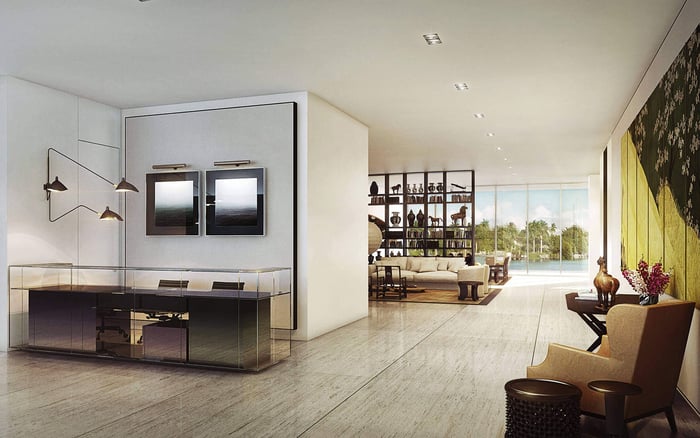
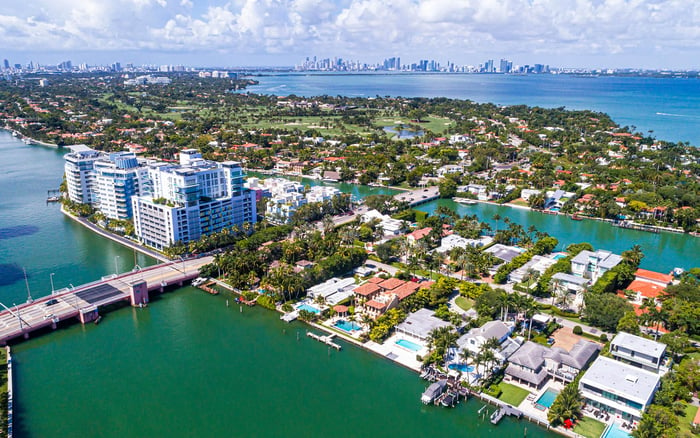
For serious collectors, a luxury tower is not only about views and finishes. It is also about preservation: stable temperature and humidity, UV-managed daylight, quiet mechanical systems, and the ability to live with art without turning your home into a storage vault. This guide outlines what “museum-grade” can realistically mean in a South Florida condo, how to evaluate a building and a specific unit, and which towers tend to align with collector priorities across Miami Beach, Brickell, Sunny Isles, Surfside, and Coconut Grove.
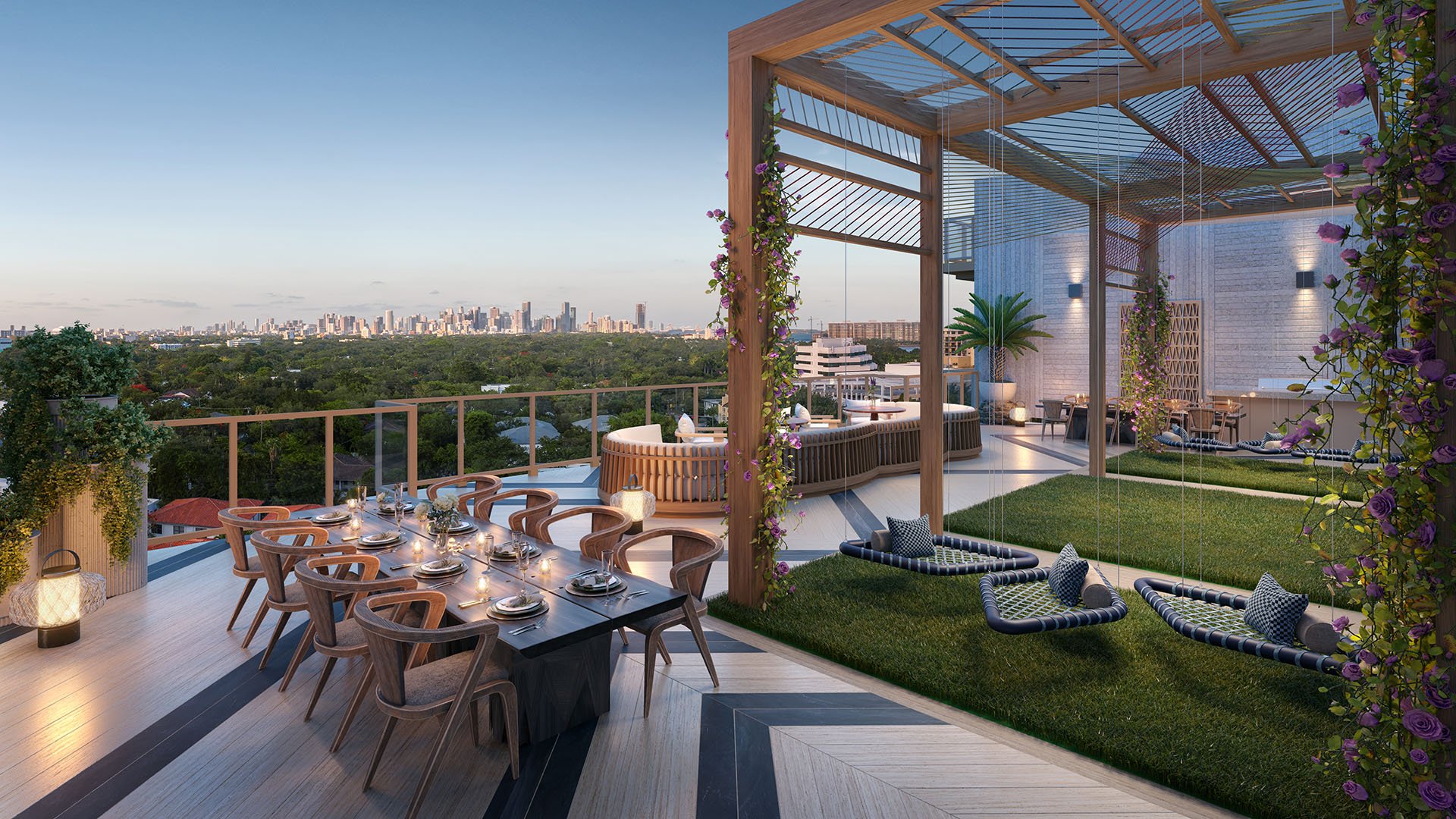
Art collectors buy beauty, but they also take on responsibility. In a coastal climate, preservation becomes a daily negotiation with humidity, salt air, sun exposure, and mechanical cycles that can quietly stress canvas, paper, photography, and mixed media. The best luxury towers for collectors are the ones that make preservation feel effortless: stable interior conditions, controlled daylight, and systems that don’t announce themselves.
In practice, “museum-grade” in a residence is rarely one signature feature. It’s the cumulative discipline of a building: well-designed HVAC distribution, a tight building envelope, thoughtful glazing, and a lighting plan that flatters art while minimizing UV and heat. Add discretion and logistics, and you have a tower that supports collecting as a lifestyle-not a compromise.
A collector-ready condo starts with mechanical fundamentals. Focus on what you can verify during a showing and in building documentation, then confirm it at the unit level.
Temperature stability comes first. Frequent swings can accelerate cracking, warping, and adhesive failure. In a high-rise, stability often comes down to how air is delivered-even distribution, low drafts-and how quickly the system recovers after doors open, guests arrive, or the sun shifts.
Humidity control is just as critical in South Florida. Elevated relative humidity can invite mold, cockling of paper, and corrosion in certain media. Ask whether the system is designed to manage humidity proactively rather than simply cooling the air. For collectors, a residence that feels dry and calm without being cold is usually a stronger sign than a space that feels chilled yet clammy.
Air quality matters because dust and particulates settle into frames, textiles, and textured surfaces. Look for filtration that goes beyond baseline and, just as importantly, a maintenance culture that keeps filters, coils, and condensate lines in disciplined order.
Finally, insist on quiet. Vibration and mechanical noise aren’t only quality-of-life issues; they shape how you experience work on the wall. Towers that suit art collectors tend to deliver a more composed acoustic profile, especially in living rooms that function as galleries.
Great residential lighting makes art feel inevitable. Poor lighting makes it feel temporary.
Start with daylight management. Floor-to-ceiling glass is seductive, but uncontrolled sun can bleach pigments and fade works on paper. Collectors should prioritize glazing strategies and shading that reduce UV exposure and tame heat gain-especially in rooms intended for primary display.
Then evaluate electric lighting. The ideal is a layered system: ambient illumination for comfort, dedicated accent lighting for wall washing, and targeted adjustable fixtures for individual pieces. Dimmable scenes aren’t a luxury detail here; they’re how you balance viewing, entertaining, and preservation.
Avoid harsh downlights that create glare on glazing and frames. Avoid overly warm or overly cool lighting that distorts color perception. And be cautious with “statement” fixtures that cast dramatic shadows and make wall art feel secondary.
A practical collector tip: bring one small framed piece (or even a high-quality print) to a second showing and test lighting angles. A tower can have impeccable amenities and still fail the simplest test: does the art read correctly on the wall at night?
1. One Thousand Museum - Downtown statement living
This is a natural fit for collectors who value architecture as part of the collection and want a residence that reads like a private institution rather than a conventional condo. Look for units with expansive wall runs and controlled sightlines that allow art to anchor rooms without competing with excessive visual clutter.
At the unit level, prioritize layouts that minimize direct sun on display walls and allow flexibility for lighting scenes. The most collector-friendly homes here tend to be the ones that feel gallery-like even before furniture arrives.
2. Apogee South Beach - Gallery walls with SoFi discretion
For South-of-Fifth buyers, Apogee offers a discreet, residential energy that pairs well with serious collecting: entertaining is easy, privacy is strong, and the best interiors feel composed rather than performative.
Collectors should focus on wall continuity, ceiling conditions for track or recessed accent lighting, and practical art-handling routes from arrival to residence. In Miami Beach, discretion is a feature that protects both lifestyle and collection.
3. Arte Surfside - Boutique scale for curated collections
A boutique building often suits collectors who prefer depth over volume: fewer residences, fewer variables, and a calmer rhythm. Arte’s Surfside location also aligns with buyers who want proximity to refined dining and cultural movement without the constant pulse of larger districts.
Choose a residence with flexible lighting zones and an easy-to-control daylight profile. Boutique scale can also mean less friction around move-ins and installations-which matters when your “furniture delivery” is actually a crate.
4. Jade Signature Sunny Isles Beach - Contemporary canvas with ocean light
Sunny Isles delivers dramatic views, and with that comes the collector’s challenge: managing brightness and reflections. The right unit here can feel like a contemporary gallery suspended over the Atlantic-but only if daylight is moderated and the lighting plan is intentional.
Prioritize residences where art walls aren’t sacrificed to glass and where shading and dimming let you move from day viewing to evening ambiance without compromising the work.
5. Park Grove Coconut Grove - Grove calm, collector-friendly livability
In Coconut Grove, the appeal is understated sophistication: a neighborhood that supports daily life as well as entertaining. For collectors, that often translates to homes that are lived in year-round, with consistent climate control and predictable routines.
Look for floor plans with generous interior walls, separation between high-traffic areas and display zones, and the ability to create a true salon room. The best collector homes here feel serene, not staged.
Collectors know a building can be ideal while a specific residence is not. Once you have a tower shortlist, evaluate the unit the way a conservator would.
First, map the display walls. Identify which walls are viable for significant works and which will always be compromised by doors, windows, or circulation. Large-scale pieces need uninterrupted runs and clear viewing distance.
Second, study sun angles. Morning glare and late-afternoon heat can be more damaging than buyers expect, especially near floor-to-ceiling glazing. If the unit is exceptionally bright, plan for museum-style shading solutions from day one.
Third, test HVAC behavior. During a showing, listen for cycling, feel for drafts, and note whether certain rooms lag behind others. A collector home shouldn’t have a hot corner or a damp-feeling closet adjacent to display storage.
Fourth, consider the ceiling plan. The easiest collector residences are those that allow lighting adjustments without invasive construction. If you anticipate rotating works, flexibility matters.
The most beautiful lighting plan fails if you can’t bring the work upstairs discreetly and safely.
Ask practical questions early: Is there a service elevator suitable for crated deliveries? Are there protected routes with minimal public exposure? How are move-ins scheduled and supervised? A collector-friendly building tends to have a culture of calm competence around high-value deliveries.
Security should feel layered, not theatrical. You want controlled access, attentive staff, and predictable protocols. If you plan to host private viewings, evaluate whether arrival sequences and valet flow support discretion.
Also consider wall construction and hanging requirements. Some towers make it easy to secure heavy pieces; others require more planning. For significant works, you’ll likely coordinate with professional installers, and the building’s openness to that process is part of the value proposition.
Collectors often choose geography the way they choose artists: for context.
Brickell appeals to buyers who want polished urban living and a short walk to dining and offices, with residences that can be tailored into high-design interiors. If you are considering Brickell’s newer luxury inventory, explore 2200 Brickell for a residential angle that can support a refined, gallery-forward build-out.
Miami Beach remains a natural habitat for collectors, especially those who value privacy and effortless entertaining. For a boutique oceanfront posture with a strong design sensibility, 57 Ocean Miami Beach is worth understanding as part of the Miami Beach conversation.
Surfside offers a quieter alternative with an elegant cadence that many collectors prefer. In that context, Ocean House Surfside aligns with buyers who want a more residential rhythm while keeping proximity to top-tier lifestyle.
Sunny Isles is for clients who want scale, views, and modernity, then refine the interior into a private gallery. If your collection is contemporary and your taste leans architectural, Bentley Residences Sunny Isles belongs on the radar as part of the next-generation luxury tower narrative.
The goal isn’t to live in a white box. The goal is to live beautifully with art.
Start with a lighting designer who understands color rendering, glare control, and dimming scenes. Then coordinate with your installer on hanging systems and wall reinforcement, especially for oversized works.
For climate, think beyond the thermostat: maintain consistent settings, avoid aggressive setbacks when traveling, and consider how doors, terraces, and entertaining patterns affect humidity swings. A calm home is a safer home for art.
Finally, curate negative space. The most sophisticated collector residences in Downtown, Brickell, and Miami Beach are the ones that let each piece breathe. Luxury here isn’t density; it’s restraint.
What does “museum-grade lighting” mean in a condo? It typically means dimmable, glare-controlled accent lighting with thoughtful color quality and UV-managed daylight.
Is humidity really the biggest risk for art in South Florida? Humidity is one of the most common issues because it can drive mold, warping, and surface changes over time.
Should I avoid floor-to-ceiling glass if I collect art? Not necessarily, but you should plan for strong shading and careful placement so direct sun doesn’t hit key works.
What temperature and humidity should I target at home? Aim for stable, moderate conditions and avoid frequent swings; your conservator can tailor targets to your media.
Do I need special HVAC equipment for a serious collection? Many collectors rely on well-performing base systems plus disciplined settings; specialized solutions are case-by-case.
How can I reduce glare on framed art? Use angled, adjustable fixtures and avoid direct downlights; proper placement matters more than brightness.
Are boutique buildings better for collectors than mega-towers? Boutique buildings can feel calmer and more discreet, but a well-run tower of any size can work beautifully.
What should I ask about delivery and installation logistics? Confirm service elevator access, scheduling rules, protected routes, and whether professional installers are permitted.
Is it safe to hang heavy art on condo walls? Yes with correct anchoring and, when needed, reinforcement; always use professional art installers for major works.
How do I plan a residence for rotating a collection? Choose flexible wall runs and lighting zones so new pieces can be installed without rewiring or major construction.
For a discreet conversation and a curated building-by-building shortlist, connect with MILLION Luxury.
If branded residences are on your mind — as a home or as an allocation — we would be glad to share what we are seeing, privately.
Begin a quiet conversation.jpg&width=700&height=438&fit=cover)