Miami’s luxury skyline is being rewritten around health as a daily operating system, not a weekend indulgence. Today’s most coveted towers treat recovery, performance, air and water quality, and privacy as core design inputs, borrowing cues from hospitality, longevity clinics, and elite training culture. For buyers, the question is no longer whether a building has a spa, but whether the wellness stack is coherent, measurable, and serviceable at scale. This editorial frames what “medical-grade” means in a residential context, then spotlights a curated ranking of the tower archetypes currently defining the category. Finally, it translates amenities into due diligence: what to verify, what to underwrite, and what actually changes day-to-day life.
Miami’s luxury market has always rewarded lifestyle, but the latest shift is more exacting: wellness is moving from mood to metrics. The language has evolved with it. “Spa-like” once signaled finishes and fragrance. “Medical-grade” points to systems, protocols, and outcomes-improvements you can register in sleep quality, recovery time, and the quiet confidence of a building engineered to support how high performers actually live.
In a residential tower, medical-grade does not mean a hospital in the lobby. It means translating the strongest elements of preventive care into private living: cleaner indoor air, more thoughtful light, quieter mechanicals, better hydration, and recovery options that go beyond a steam room. It also means discretion, because wellness at the highest end is rarely performative. It is scheduled, staffed, and private.
This evolution lands especially well in Miami because the city’s luxury buyer profile is unusually global and time-compressed. Many residences function as part-time bases for founders, finance principals, athletes, and multi-home families. When time is the scarce asset, the building becomes a personal operating platform. A coherent wellness stack turns a tower into a daily advantage.
Wellness marketing is easy; wellness infrastructure is not. The towers that hold long-term premium tend to share a consistent playbook.
First, the building treats air and water as foundational. Look for filtration strategies, humidity control, and an indoor-environment philosophy that extends beyond common areas. Even when details are not publicly standardized across developments, the best projects talk about wellness the way serious hospitality does: as an engineering and operations priority.
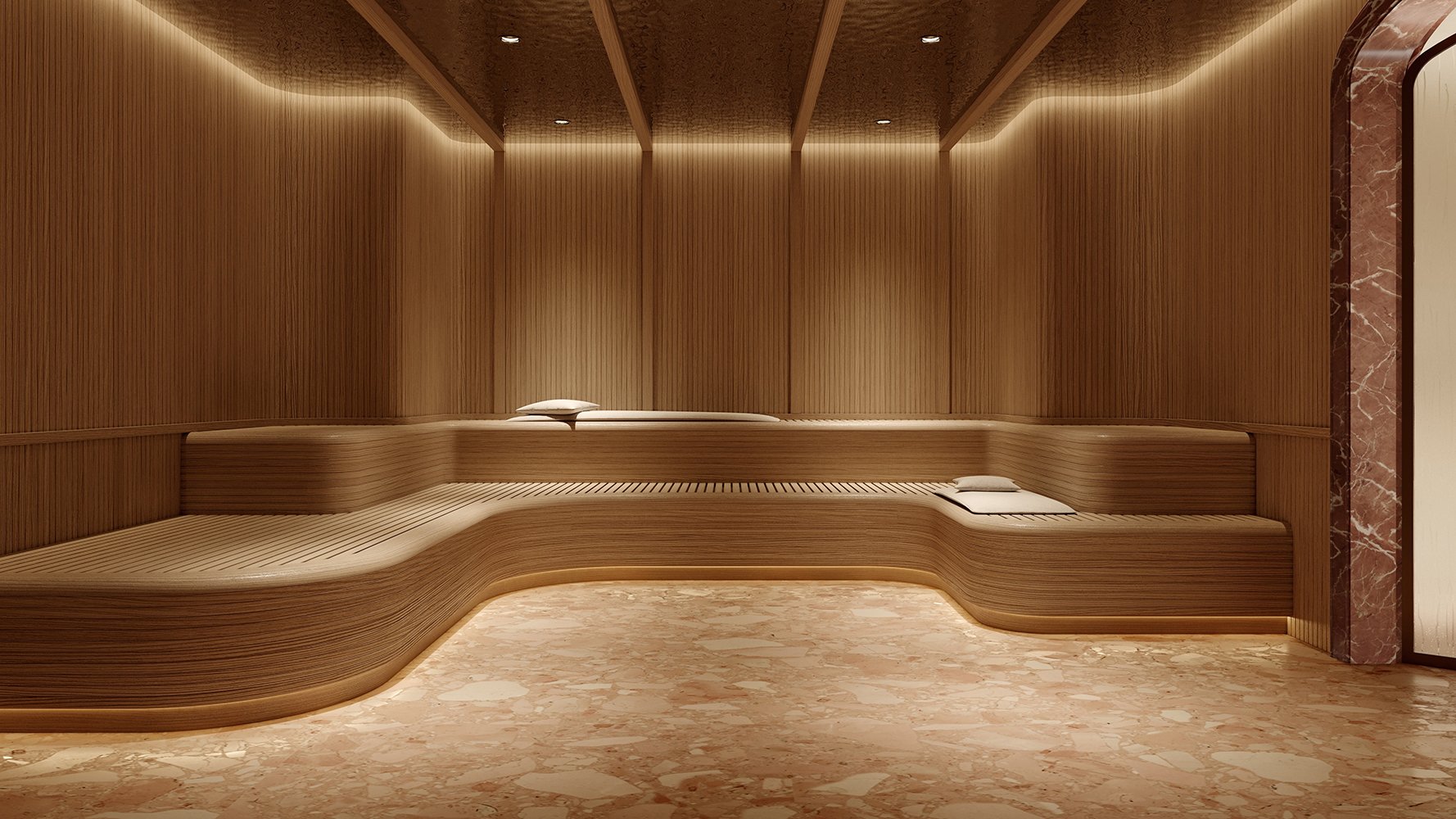
Second, recovery is programmed, not merely provided. A cold plunge is a photo. A recovery circuit you can use daily-with adjacent towel service, changing rooms, and sensible hours-is a lifestyle. Likewise, fitness becomes meaningfully more usable when it is zoned for distinct purposes such as strength, conditioning, and stretching, with acoustics and ventilation designed to support each.
Third, the service model matters. Medical-grade is often a staffing question: who maintains the equipment, how consistently, and under what privacy controls? A wellness room that is frequently out of service is not an amenity; it is a line item.
Finally, discretion is part of the feature set. In an ultra-premium building, privacy is its own form of wellness. Separate access paths, thoughtful circulation, and concierge protocols determine whether your regimen stays yours.
Below is a buyer-oriented ranking of the tower archetypes leading Miami’s medical-grade amenity conversation. Because “best” in this category depends on how you live, each entry is framed by the kind of resident it serves best-plus what to watch for in day-to-day use.
1. Purpose-built wellness residences - designed around health from day one
These are buildings where wellness is not an amenity-floor add-on, but a guiding principle that informs materials, programming, and daily service. In this category, The Well Bay Harbor Islands stands out as a clear signal of where the market is headed: a residential experience conceived around wellbeing as a primary luxury.
For buyers, the value is coherence. When a building’s identity is wellness, you are more likely to see consistent operational attention to what matters over time-maintenance, staffing, and a culture that supports routine.
2. Hotel-branded towers with true spa DNA - wellness supported by hospitality operations
The strongest hotel-branded residences bring a decisive advantage: a service mindset that keeps wellness amenities functional, spotless, and quietly managed. Think of this as medical-grade by way of operations rather than slogans. The appeal is less about novelty and more about reliability.
If your priority is consistency, focus on how amenities are staffed, how access is controlled, and whether the wellness experience is woven into the building’s daily rhythm rather than confined to a showpiece level.
3. Performance-minded new construction in core neighborhoods - training and recovery as daily tools
In Brickell and other high-energy districts, wellness often reads as performance. That can mean stronger training infrastructure, more robust recovery offerings, and layouts that respect workday schedules. When the neighborhood runs fast, the building should feel calming-without feeling sleepy.
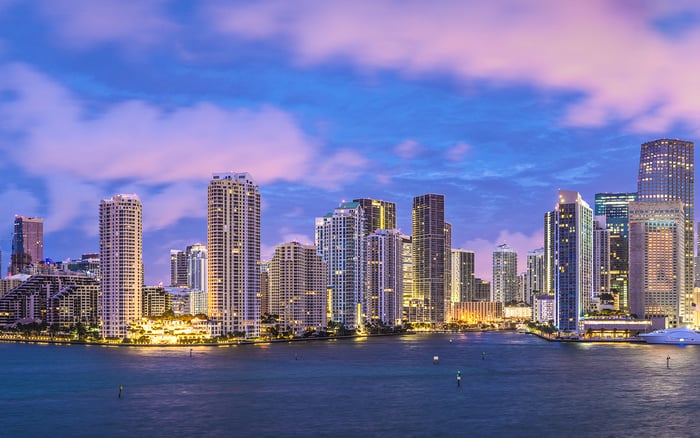
A useful reference point for this mindset is 2200 Brickell, which signals how new construction in the urban core is increasingly expected to deliver a full lifestyle package, not just square footage.
4. Quiet-luxury waterfront living - wellness through calm, air, and space
Not every wellness-first buyer wants intensity. For some, the most medical-grade amenity is quiet: less noise, more privacy, and a daily environment that makes it easier to sleep well, recover, and downshift. Waterfront locations with a more residential cadence can offer a real advantage here, especially when paired with disciplined building management.
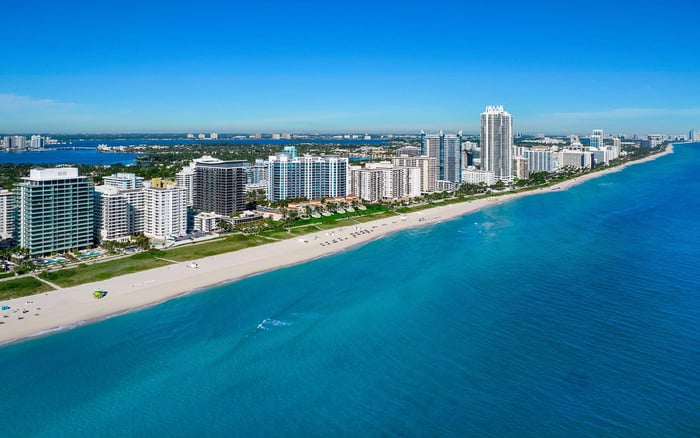
This is where Miami Beach’s more refined, residential side becomes compelling. 57 Ocean Miami Beach points to a style of living where wellness is achieved through restraint: fewer distractions, easier beach access, and an atmosphere that supports routine.
5. Ultra-privacy coastal towers - wellness as discretion and controlled access
At the top of the market, wellness and privacy converge. The buyer who values discretion often values routine: early training, controlled social exposure, and a home environment where service is present but never intrusive. In these buildings, the most meaningful “amenity” is frequently circulation design paired with operational protocols.
For a model of this highly private, ultra-premium positioning, Apogee South Beach is a useful shorthand for how South-of-Fifth living can prioritize quiet, exclusivity, and the emotional ease that comes with being insulated from friction.
In Brickell, wellness is increasingly a counterweight to density. Buyers want buildings that let them train, recover, and reset without leaving the property, because schedules rarely allow for friction. The best Brickell towers feel like private clubs where fitness and recovery are treated as daily utilities.
In Miami-beach, the wellness value proposition shifts: it’s about air, light, walking culture, and a softer pace. Buildings that protect privacy and reduce sensory noise tend to age well, particularly for second-home owners who want immediate decompression on arrival.
In Bay-harbor, wellness can feel more intentional and residential. Many buyers are looking for a sense of community without the unpredictability of a larger entertainment corridor. In that context, purpose-built wellness positioning reads as a long-term lifestyle decision rather than a passing trend.
Wellness amenities can be expensive to build-and even more expensive to maintain. Evaluate them with the same rigor you would apply to a mechanical penthouse or a lobby renovation.
Start with access and usability. Ask the practical questions: Are recovery rooms reservable? Are there peak-hour bottlenecks? Do policies change seasonally when the building is busier? A wellness amenity that looks perfect at noon on a Tuesday may be functionally unavailable on weekends.
Next, underwrite the service model. Who cleans and maintains the equipment? How often are filters changed? How are wet areas managed? The difference between a “nice spa” and a medical-grade environment is often the unglamorous discipline of operations.
Then, look for design decisions that reduce friction. Wellness works when it is easy. If the gym is far from the residences, if the changing rooms are underscaled, or if the path feels exposed, usage will drop. You are buying the habit, not the brochure.
Finally, treat privacy as part of the wellness stack. If discretion matters, evaluate entrances, elevator access, and concierge protocols. In ultra-premium living, privacy is not an indulgence. It is a health practice.
Miami’s market is not merely adding amenities; it is reorganizing around wellbeing. The most sophisticated towers now compete on what is hardest to replicate: air and water strategies, recovery circuits that work in real life, and service models that keep standards consistent.
For buyers, the takeaway is practical. Choose a building whose wellness philosophy aligns with your actual routine, then verify the operations can sustain it. When wellness is engineered and maintained properly, it becomes a daily compounding advantage-and a durable driver of desirability.
What makes a tower’s wellness amenities “medical-grade”? It typically implies measurable indoor air and water quality, serious recovery offerings, and disciplined operations rather than purely decorative spa features.
Are wellness-focused towers better for resale? They can be, especially when wellness is integrated into the building’s identity and maintained consistently, since buyers increasingly underwrite lifestyle as value.
Should I prioritize a wellness building in Brickell or Miami Beach? Brickell often suits performance and schedule-driven routines, while Miami Beach can favor calm, walkability, and decompression.
Do hotel-branded residences deliver better wellness experiences? Often they do when hospitality-level staffing and service standards keep amenities reliable, private, and consistently maintained.
How can I tell if amenities will be crowded? Review rules for reservations and guest access, then assess the scale of fitness and recovery spaces relative to the number of residences.
What wellness features matter most day-to-day? Usability wins: a well-designed gym, recovery options you will actually use, and quiet, comfortable indoor conditions for sleep.
Is privacy really part of wellness in luxury towers? Yes. Controlled access, discreet circulation, and strong concierge protocols reduce friction and help protect routine.
What questions should I ask about maintenance? Ask who maintains equipment, how wet areas are managed, and how often key systems like filters and water features are serviced.
Are wellness amenities worth higher HOA fees? They can be if you will use them regularly and the building’s service model keeps them functional, clean, and properly staffed.
Can I rely on marketing renders for wellness amenities? Treat them as intent, then verify what is delivered, how it is operated, and whether access policies support real daily use.
To compare the best-fit options with clarity, connect with MILLION Luxury.
If branded residences are on your mind — as a home or as an allocation — we would be glad to share what we are seeing, privately.
Begin a quiet conversation