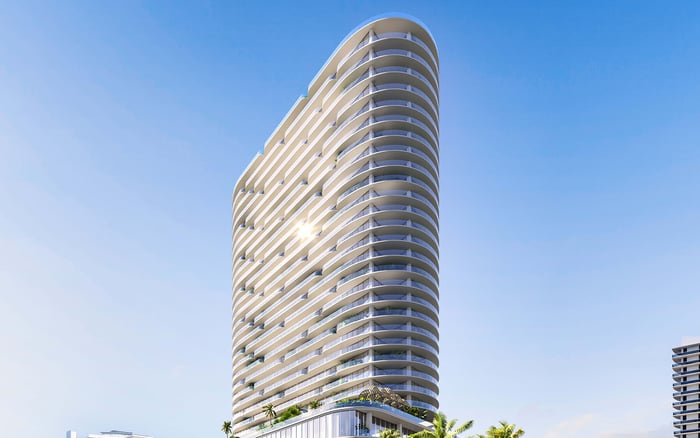
A buyer-focused look at how Florida milestone-inspection status, reserve obligations, and structural due diligence can influence decisions around Tula Residences North Bay Village and competing condo inventory.

For buyers evaluating Tula Residences North Bay Village, the question is no longer limited to whether the view, floor plan, amenity program, and waterfront setting feel right. In today’s South Florida condominium market, the inspection status of competing buildings can materially change the decision. Milestone inspections, reserve studies, repair obligations, and assessment exposure now sit beside architecture and lifestyle as core elements of luxury due diligence.
The shift is especially relevant in bayfront markets, where buyers often compare newer offerings with established condominium towers built in prior cycles. A residence may appear similar on paper, with water exposure, generous terraces, and proximity to Miami Beach or the mainland. Yet the ownership profile can differ sharply depending on whether the building is approaching a statutory inspection deadline, has completed one, or is still resolving findings.
Florida’s milestone-inspection framework applies to condominium and cooperative buildings that are three stories or higher. Height is therefore a threshold issue, not a footnote. A milestone inspection is a structural review performed by a licensed architect or engineer to evaluate life-safety and the adequacy of structural components. For affluent buyers, the importance extends beyond regulatory compliance. It is about understanding what may happen to carrying costs, financing eligibility, negotiation leverage, and eventual resale liquidity.
Tula Residences North Bay Village should be viewed within a broader competitive set that may include older waterfront condominiums, newer boutique buildings, and projects positioned in the new-construction or pre-construction lane. The essential buyer question is not whether one category is automatically superior. It is whether each building’s structural status, reserve posture, and documentation align with the buyer’s appetite for certainty.
Most covered buildings must complete an initial milestone inspection by December 31 of the year they reach 30 years of age, then every 10 years afterward. A local enforcement agency may require the inspection earlier, at 25 years, if local conditions justify it, including proximity to salt water or other environmental conditions. In North Bay Village, where the appeal is inseparable from Biscayne Bay, the salt-air context makes structural diligence feel especially practical.
Buildings that reached 30 years of age before July 1, 2022, generally had to complete their initial milestone inspection by December 31, 2024. For a buyer comparing an older resale condominium with a newer offering, that date matters. It can separate buildings with completed inspection records from those where follow-up work, reserve planning, or owner discussions remain active.
Those filters, in plain portfolio language, are North Bay Village, new construction, pre-construction, resale, investment, and waterview. They may look like lifestyle or search categories, but in the current market they also point toward different due-diligence questions.
Once a local enforcement agency sends written notice, the condominium or cooperative association generally has 180 days to complete Phase 1 of the milestone inspection. Phase 1 is a visual examination and qualitative assessment designed to determine whether substantial structural deterioration is present.
If Phase 1 finds no signs of substantial structural deterioration, Phase 2 is not required. That result can be meaningful for a buyer because it may reduce uncertainty around near-term testing, repair planning, and association action. It does not eliminate every future cost, but it can provide a clearer framework for decision-making.
If Phase 1 identifies substantial structural deterioration, Phase 2 is required. That phase may involve destructive or nondestructive testing directed by the inspector. The phrase sounds technical, but the buyer implication is direct: more investigation can mean more time, more information, and potentially more financial exposure before the full scope is understood.
Florida defines substantial structural deterioration as substantial distress that negatively affects a building’s general structural condition and integrity. Surface imperfections such as cracks or spalling are not automatically treated as substantial structural deterioration unless they are linked to structural distress. This distinction matters. Cosmetic issues can be unsettling, but the legal and engineering threshold is tied to the broader integrity of the building.
Milestone status should never be read in isolation. Florida’s post-Surfside framework also requires Structural Integrity Reserve Studies for many residential condominium and cooperative buildings that are three stories or higher. These studies estimate remaining useful life, replacement or deferred-maintenance cost, and recommended annual reserve funding for covered structural and building-safety components.
The covered components are broad. They can include roofs, load-bearing walls, floors, foundations, fireproofing and fire protection systems, plumbing, electrical systems, waterproofing, exterior painting, windows, and other structural-integrity items. For a luxury buyer, that list is a reminder that the association balance sheet is not an abstract governance issue. It is part of the asset.
For budgets adopted on or after December 31, 2024, Florida condominium associations generally may not waive or reduce reserves for items required in a Structural Integrity Reserve Study. This is one of the most consequential changes for buyers accustomed to older Florida condo norms, where reserve waivers could keep monthly costs visually low. The modern question is not only what the current maintenance fee is. It is whether the reserve plan realistically supports the building’s long-term obligations.
That is where Tula’s positioning, once verified through condominium documents, building height, estimated certificate-of-occupancy timing, developer disclosures, and engineering materials, becomes part of a more nuanced comparison. A buyer may place a premium on a residence whose inspection clock and reserve obligations are easier to underwrite than those of an older building facing active structural questions.
Milestone and reserve issues can extend beyond an individual buyer’s comfort level. Condo projects with significant deferred maintenance, unsafe conditions, structural-integrity issues, or unresolved critical repairs may face eligibility concerns in certain agency-backed financing channels. Special assessments tied to safety, soundness, structural integrity, or habitability can also create concern unless the underlying issue has been resolved.
In the ultra-premium segment, many buyers are cash capable, but financing eligibility still matters. It can affect the next buyer, the depth of the resale market, and the number of purchasers who can compete for the asset. A building with a clean and organized inspection file may not command attention in the same visible way as a designer lobby or private marina access, but it can support confidence when the time comes to sell.
The 2021 partial collapse in Surfside changed the emotional and regulatory landscape for aging condominium towers across South Florida. Subsequent statewide reforms created milestone-inspection and reserve-study requirements, followed by additional governance and safety-related changes. The result is a market where sophisticated buyers no longer treat association documents as closing formalities. They read them as investment-grade materials.
A disciplined buyer should ask whether the building is three stories or higher, when the milestone-inspection clock begins, and what documents will be available at contract, closing, and turnover. If the purchase is being compared against older inventory, the buyer should request the current milestone-inspection report or written status, any inspector-prepared summary distributed to unit owners, and information on whether Phase 2 was required.
The reserve study deserves equal attention. Buyers should review the components covered, the projected remaining useful life of major systems, the estimated replacement or deferred-maintenance costs, and the recommended annual reserve funding. The question is not simply whether a reserve exists, but whether the funding plan reflects the building’s actual structural and safety obligations.
For Tula Residences North Bay Village specifically, the prudent path is to verify the condominium documents, building height, estimated certificate-of-occupancy timing, developer reserve disclosures, and any warranty or engineering materials. Those details can transform the conversation from aesthetic preference to asset selection.
In a waterfront market, beauty will always matter. So will light, privacy, arrival sequence, terrace depth, and the effortless pleasure of living on the bay. But the new luxury standard is broader. The most elegant purchase is also the one whose risks have been measured, whose documents are legible, and whose ownership story can be explained clearly to the next buyer.
Does Florida’s milestone-inspection law apply to every condo building? It applies to condominium and cooperative buildings that are three stories or higher, making building height a core diligence point.
What is a milestone inspection? It is a structural inspection by a licensed architect or engineer to assess life-safety and the adequacy of structural components.
When is the first milestone inspection generally required? Most covered buildings complete the first inspection by December 31 of the year they reach 30 years of age, then every 10 years.
Can a building be inspected before 30 years? Yes. A local enforcement agency may require inspection at 25 years if local conditions justify it, including proximity to salt water.
What happens during Phase 1? Phase 1 is a visual examination and qualitative assessment to determine whether substantial structural deterioration is present.
When is Phase 2 required? Phase 2 is required if Phase 1 identifies substantial structural deterioration and may involve destructive or nondestructive testing.
Why do reserve studies matter to luxury buyers? They estimate useful life, repair or replacement costs, and recommended annual funding for major structural and safety components.
Can associations still waive required structural reserves? For budgets adopted on or after December 31, 2024, associations generally may not waive or reduce reserves required in the study.
Can inspection issues affect financing? Yes. Deferred maintenance, unsafe conditions, unresolved critical repairs, or certain safety-related assessments can affect project eligibility.
How should buyers compare Tula with older North Bay Village condos? They should compare documents, inspection timing, reserve posture, repair exposure, and resale liquidity, not only views and amenities.
For a confidential assessment and a building-by-building shortlist, connect with MILLION.
If branded residences are on your mind — as a home or as an allocation — we would be glad to share what we are seeing, privately.
Begin a quiet conversation