A buyer-focused guide to evaluating parking at Continuum Club & Residences in North Bay Village, with emphasis on household vehicle counts, guest demand, valet operations, curb access, and long-horizon ownership convenience.
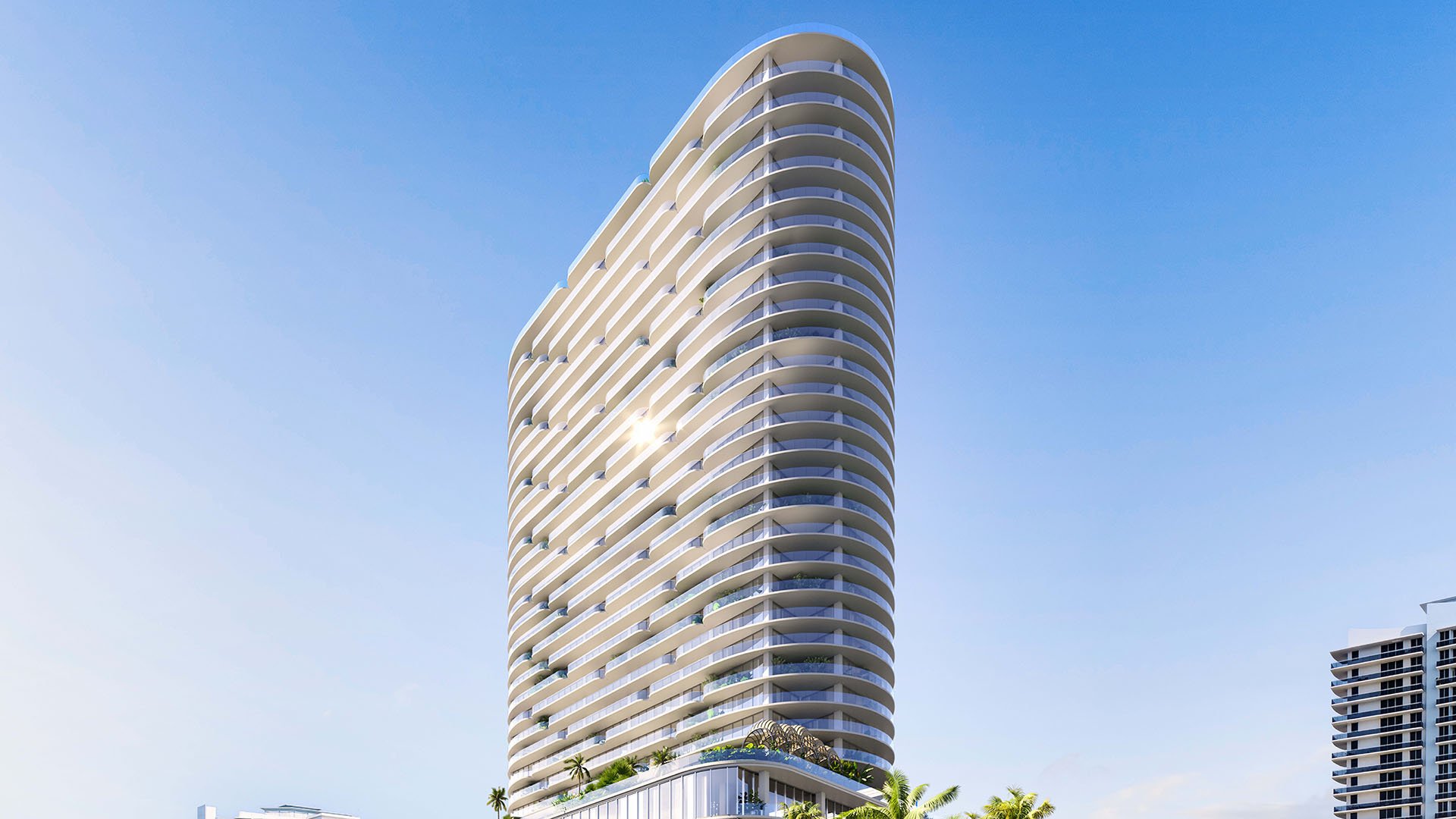
Continuum Club & Residences in North Bay Village should be evaluated through more than a simple count of parking spaces. For many luxury households, the practical question is not only how many vehicles can be accommodated, but how arrivals, guests, service providers, deliveries, and ride-hail activity are handled in daily life.
The more useful lens is district parking pressure. North Bay Village’s island setting means the daily experience of arriving, hosting, receiving deliveries, calling a driver, or managing household staff is shaped by more than the private garage. Even when a residence includes private parking, guests and service providers may still depend on shared capacity, curb access, loading zones, or managed arrival points. Parking at Continuum should therefore be studied as part of a broader mobility system, not merely as a line item in a sales presentation.
For high-net-worth households, the parking question is rarely fixed. A residence may need to accommodate daily drivers, collector cars, visiting family, a nanny or caregiver, household staff, vendor appointments, and seasonal entertaining. A waterview home can feel effortless in theory, but the ownership experience is defined by what happens at 7 p.m. on a busy evening, during peak-season visits, or when multiple cars arrive at once.
The first step is to map the household’s actual vehicle count, not the aspirational one. Buyers should count daily-use cars, occasional-use vehicles, long-term storage needs, motorcycles, bicycles, staff vehicles, and cars used by extended family. Second-home owners should also account for periods when relatives, guests, or drivers may be present at the same time.
This exercise is especially important because the practical value of parking depends on the structure of access. Deeded, assigned, leased, and valet-managed parking each carry different implications. A deeded space may be more straightforward in long-term resale conversations. An assigned space may work well operationally, but buyers should understand whether assignments can change. A leased space can solve a short-term need, yet may be less secure as a long-horizon plan. Valet-managed parking may offer elegance and convenience, but only if the operation is designed around the household’s routines.
In new-construction and pre-construction decisions, parking should be reviewed with the same seriousness as floor plan, view corridor, terrace depth, and amenity access. The right residence is not only the one with the desired exposure or finishes. It is the one whose operating rules match how the household actually lives.
Luxury households tend to create recurring peaks in demand. Dinner guests, visiting family, drivers, caregivers, private chefs, tutors, fitness professionals, yacht service providers, housekeepers, florists, art handlers, and other vendors can all require access. The issue is not whether these visitors arrive occasionally. The issue is whether several of them may arrive within the same window.
Visitor parking is therefore not a courtesy feature. It is part of the building’s hospitality infrastructure. Buyers should ask how guests are handled, whether validation is available, where short-term visitors are directed, and how overflow is managed when resident demand and guest demand overlap. They should also ask whether any club, restaurant, amenity, or event activity could add pressure to arrival and retrieval operations.
At Continuum Club & Residences North Bay Village, this analysis should be personal. A household that entertains frequently will experience parking differently from one that travels often and rarely hosts. An investment buyer may evaluate parking through resale, tenant expectations, and marketability. A full-time resident may prioritize predictability, speed, and low-friction access throughout the week.
A well-run parking operation can make density feel graceful. A poorly matched one can make even a beautiful building feel inconvenient. Buyers should evaluate whether valet and garage operations can handle simultaneous resident arrivals, guest arrivals, vendor visits, ride-hail pickups, and seasonal demand.
The question is not simply whether valet exists. It is how it functions. Where do residents queue? How are keys controlled? How are oversized vehicles handled? What happens when several households return from dinner at the same time? Are there separate patterns for residents, visitors, deliveries, and service providers? How are peak periods staffed?
These details matter because they translate directly into daily life. A household with young children may value speed and proximity. A collector may need clarity on storage and access. A household with caregivers may need reliable guest procedures. A frequent entertainer may care about the sequence from curb to lobby, and from lobby back to car.
North Bay Village’s island context places unusual importance on curb choreography. Loading areas, delivery zones, short-term standing locations, and ride-hail pickup and drop-off points can shape the ownership experience as much as the parking space itself. In practical terms, North Bay Village buyers should think about the street edge as an extension of the building’s private operations.
The most refined buildings do not treat deliveries, service vehicles, and guests as afterthoughts. They create clear arrival patterns, reduce confusion, and protect the residential threshold. For Continuum buyers, the key is to understand how the building intends to separate resident life from operational traffic, particularly during high-demand periods.
Parking due diligence should also include EV charging, long-term vehicle storage, motorcycles, bicycles, oversized vehicles, and guest validation. These may seem like secondary policies until they intersect with a daily routine. A buyer with two electric vehicles will ask different questions than a buyer with a vintage car. A cyclist, a boating household, or a resident who depends on regular medical support will each see the parking ecosystem differently.
Parking is not only a closing-day detail. It is a long-horizon ownership issue. Future neighborhood development, evolving household needs, and policy changes can alter the balance between private garage capacity and public curb demand. A plan that feels adequate today should be tested against tomorrow’s routines.
For that reason, buyers should request current sales documents, condominium materials, parking rules, valet procedures, guest policies, EV charging rules, and any applicable restrictions before making assumptions. They should confirm whether spaces are deeded, assigned, leased, or valet-managed, and whether any parking rights transfer with resale. They should also understand how the association or operator may modify procedures over time.
The most successful Continuum buyer will approach parking with the same discretion used to evaluate architecture, service, wellness, privacy, and view. The goal is not to overemphasize cars. It is to protect ease. In a waterfront island market, ease is part of value.
Why should parking be evaluated beyond the building garage? District parking pressure can affect guests, vendors, service providers, ride-hail activity, and curb access even when a residence includes private parking.
What parking structure should buyers ask about first? Buyers should clarify whether parking is deeded, assigned, leased, or valet-managed, because each structure can affect convenience and resale.
Why is guest parking especially important for luxury households? Dinner guests, extended family, drivers, caregivers, and vendors can create recurring peak demand that private resident spaces may not solve.
Should a buyer count staff vehicles in the parking plan? Yes. Household staff, caregivers, drivers, and regular vendors should be included when modeling the true vehicle profile.
What should EV owners verify? EV owners should confirm charging availability, installation rules, access procedures, costs, and any association restrictions before relying on future charging.
Does valet service eliminate parking concerns? Not entirely. Buyers should understand staffing, queueing, peak-hour performance, key control, oversized-vehicle rules, and guest procedures.
Why does North Bay Village’s island setting matter? Island living makes curb access, loading, delivery zones, and ride-hail pickup points more relevant to day-to-day ownership.
How should second-home buyers think about parking? Second-home buyers should model seasonal family visits, guest overlap, vehicle storage, and the possibility of multiple arrivals during holidays.
Is parking an investment consideration? Yes. Parking clarity can influence convenience, buyer confidence, tenant expectations, and long-term marketability.
What documents should buyers review before relying on parking assumptions? Buyers should review sales documents, condominium materials, parking rules, guest policies, valet procedures, EV charging rules, and any applicable restrictions.
For a discreet conversation and a curated building-by-building shortlist, connect with MILLION.
If branded residences are on your mind — as a home or as an allocation — we would be glad to share what we are seeing, privately.
Begin a quiet conversation