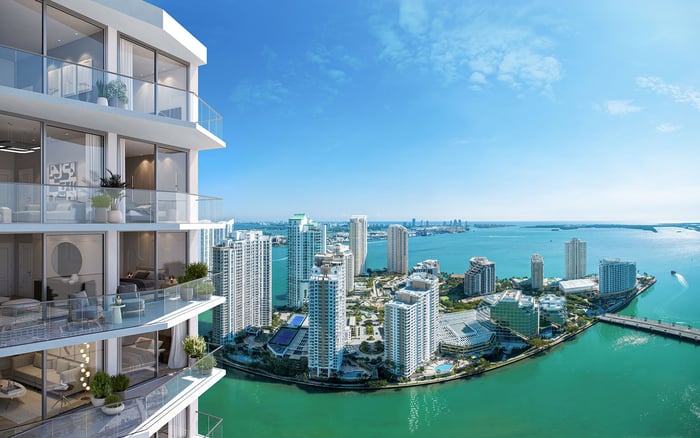
A luxury condominium purchase in South Florida is also a financial entry into the association behind the tower. Buyers should examine litigation, reserves, inspections, insurance posture, financing eligibility, and assessment exposure before due diligence expires.

In South Florida’s luxury condominium market, the residence is only part of the purchase. A buyer is also entering the condominium association: the entity that manages common elements, collects assessments, maintains the building, and may sue or be sued on association matters. Association litigation is therefore not a footnote for counsel to review after the emotional decision has been made. It is a core underwriting question.
For a high-value buyer, the concern is rarely the mere existence of a lawsuit. Mature buildings, new towers, and recently delivered projects can all encounter disputes. The sharper question is whether the dispute exposes owners to future cash calls, interrupted amenities, financing friction, insurance complications, or a building condition that changes the character of ownership.
Whether the search is framed internally as Brickell, Miami Beach, Sunny Isles, Surfside, resale, or investment, litigation diligence should be treated with the same seriousness as view corridors, ceiling heights, parking, staff quality, and privacy.
Begin with a written request for all pending, threatened, or recently resolved matters involving the association. That request should include lawsuits, arbitrations, mediations, insurance disputes, administrative proceedings, pre-suit notices, attorney demand letters, and significant claims that have not yet reached a courthouse.
The distinction matters. A circuit court docket may show only one visible dispute, while the more consequential issue may be an insurance coverage disagreement, a construction defect claim still in pre-suit posture, or a records-access dispute that signals board instability. Buyers should ask management or association counsel for a plain-language litigation-risk summary, then have their own counsel independently review public dockets, association records, financials, and contract contingencies.
A polished answer is not enough. The buyer should understand the claim, the parties, the amount in controversy if disclosed, the stage of the matter, the expected timeline, and whether settlement discussions or adverse rulings have occurred. If meaningful detail is withheld, that does not automatically mean the purchase should fail, but it should sharpen the buyer’s contingency strategy.
Not all litigation carries the same weight. An isolated covenant-enforcement matter is different from litigation involving structural safety, habitability, deferred maintenance, or the functional use of the project. Buyers should ask directly whether any dispute concerns construction defects, developer turnover, concrete restoration, façade work, waterproofing, balconies, roofs, elevators, life-safety systems, garages, pools, mechanical systems, or other common elements the association must maintain.
This is where luxury buyers should listen closely to the language being used. “Water intrusion” may be minor, or it may signal a systemic envelope issue. “Concrete work” may be ordinary restoration, or it may connect to broader structural review. “Developer dispute” may be nearing resolution, or it may become the funding source for repairs that owners must front before recovery.
For buildings of three stories or higher, the buyer should ask for the most recent structural integrity reserve study and confirm whether the association is funding required reserve items. The buyer should also ask whether the building has completed any required milestone inspection and whether the report identified substantial structural deterioration. If an engineer report, reserve study, milestone inspection, or lawsuit has triggered planned repairs, owner disruptions, amenity closures, or future assessments, that belongs in the buyer’s economic model before closing.
Litigation becomes most tangible when the bill arrives. Ask how legal claims are being funded: operating cash, reserves, insurance proceeds, contingency fee arrangements, association loans, or special assessments. Each pathway tells a different story about the association’s financial posture.
Operating cash may suggest the dispute is manageable, but it can also crowd out routine maintenance. Reserve use may be appropriate in some contexts, yet it raises questions about future capital needs. Insurance proceeds may reduce owner exposure, but coverage disputes can create uncertainty around timing, deductibles, exclusions, and recoveries. Loans and special assessments require closer review because they can affect monthly carrying costs and resale psychology.
Buyers should ask whether the association has levied, approved, discussed, or forecast any special assessments. They should also require the seller to confirm whether any assessments are unpaid. In Florida condominium ownership, unpaid assessments that came due before transfer can create joint and several liability with the previous owner, making estoppel review and closing adjustments essential.
Association records often say more than a marketing brochure ever could. Buyers should seek board minutes, financial records, contracts, insurance records, budgets, year-end financial information, reserve materials, engineering references, and nonprivileged litigation-related materials. In a nondeveloper resale, the seller should deliver the declaration, articles, bylaws, rules, most recent year-end financial information, and governance form within the required disclosure framework.
Board minutes deserve particular attention. Look for recurring executive sessions, repeated owner questions about leaks or repairs, discussion of deferred projects, debate over special assessments, contractor termination, insurance claims, or lender questionnaire concerns. Even when attorney-client privileged materials or attorney work product are properly withheld, the pattern of nonprivileged records can reveal whether the association is disciplined, reactive, transparent, or financially stretched.
Also ask whether the association is involved in election, board-control, records-access, covenant-enforcement, or owner-versus-board disputes. These may not threaten the structure of the building, but they can affect governance quality, owner confidence, and the pace at which essential decisions are made.
A cash buyer may feel insulated from lender concerns, but future resale value often depends on the ability of other buyers to finance. Ask whether pending litigation could impair conventional financing, particularly if the dispute involves safety, habitability, deferred maintenance, or the project’s functional use. Also ask whether any lender, insurer, buyer, appraiser, or title underwriter has recently objected to the building’s litigation, maintenance, reserve, or inspection status.
Insurance should receive the same scrutiny. Litigation involving storm damage, water intrusion, construction defects, or carrier coverage positions can affect premiums, deductibles, exclusions, or claim recoveries. A building can appear financially serene until an insurance renewal, deductible shift, or unresolved claim changes the carrying-cost profile.
The most sophisticated buyers do not seek a building with no history. They seek clarity. If the association can explain the dispute, budget for it, insure around it, reserve appropriately, and maintain lender confidence, the risk may be manageable. If the answers are vague, documents are delayed, assessments are speculative, and engineering issues are unresolved, the buyer should preserve leverage or reconsider the transaction.
Ask for the written litigation list and insist that it include threatened and recently resolved matters. Ask what the dispute is really about, who is paying for it, and whether it touches the physical building. Ask for reserve studies, milestone inspection status, current budgets, year-end financials, insurance information, board minutes, and assessment history. Ask whether documents are being withheld as privileged, and have counsel evaluate whether the available record is still sufficient.
Finally, ask your own transaction team the decisive question: if the litigation becomes more expensive, lasts longer, or reveals a deeper repair obligation, are you still comfortable owning this residence at the agreed price? In the luxury segment, discretion is valuable, but disciplined questioning is what protects it.
Should I walk away from every condo association with litigation? No. The key is whether the dispute is financially contained, well documented, and unrelated to serious building or governance risk.
What is the first litigation question to ask the association? Ask for a written list of pending, threatened, and recently resolved lawsuits, arbitrations, mediations, insurance disputes, and administrative matters.
Why do structural claims matter so much? Structural, habitability, deferred-maintenance, or functional-use claims can affect financing eligibility, repair obligations, insurance, and resale confidence.
Should I review board minutes before closing? Yes. Minutes can reveal recurring repair issues, owner concerns, assessment discussions, insurance matters, and governance tension.
Can privileged litigation documents be withheld? Yes. Certain attorney-client privileged materials and attorney work product may be excluded from owner inspection, so counsel should review what is available.
What should I ask about special assessments? Ask whether assessments have been levied, approved, discussed, forecast, or left unpaid by the seller before transfer.
Do reserves matter if the building has insurance? Yes. Insurance may not cover every repair, deductible, exclusion, timing gap, or dispute-related cost the association faces.
Why ask about milestone inspections? For qualifying taller buildings, milestone inspection status can reveal whether substantial structural deterioration was identified and whether repairs may follow.
Can litigation affect a future buyer’s loan? Yes. Certain litigation and project-risk conditions can make conventional financing more difficult, even if the current buyer is paying cash.
Who should review the litigation risk for a luxury condo buyer? Buyer’s counsel should review dockets, association records, financials, insurance context, and contract contingencies before due diligence is waived.
For a discreet conversation and a curated building-by-building shortlist, connect with MILLION.
If branded residences are on your mind — as a home or as an allocation — we would be glad to share what we are seeing, privately.
Begin a quiet conversation