A discreet due-diligence framework for assessing access control, surveillance, data governance, staffing, condominium rules, and emergency resilience at Ocean 580.
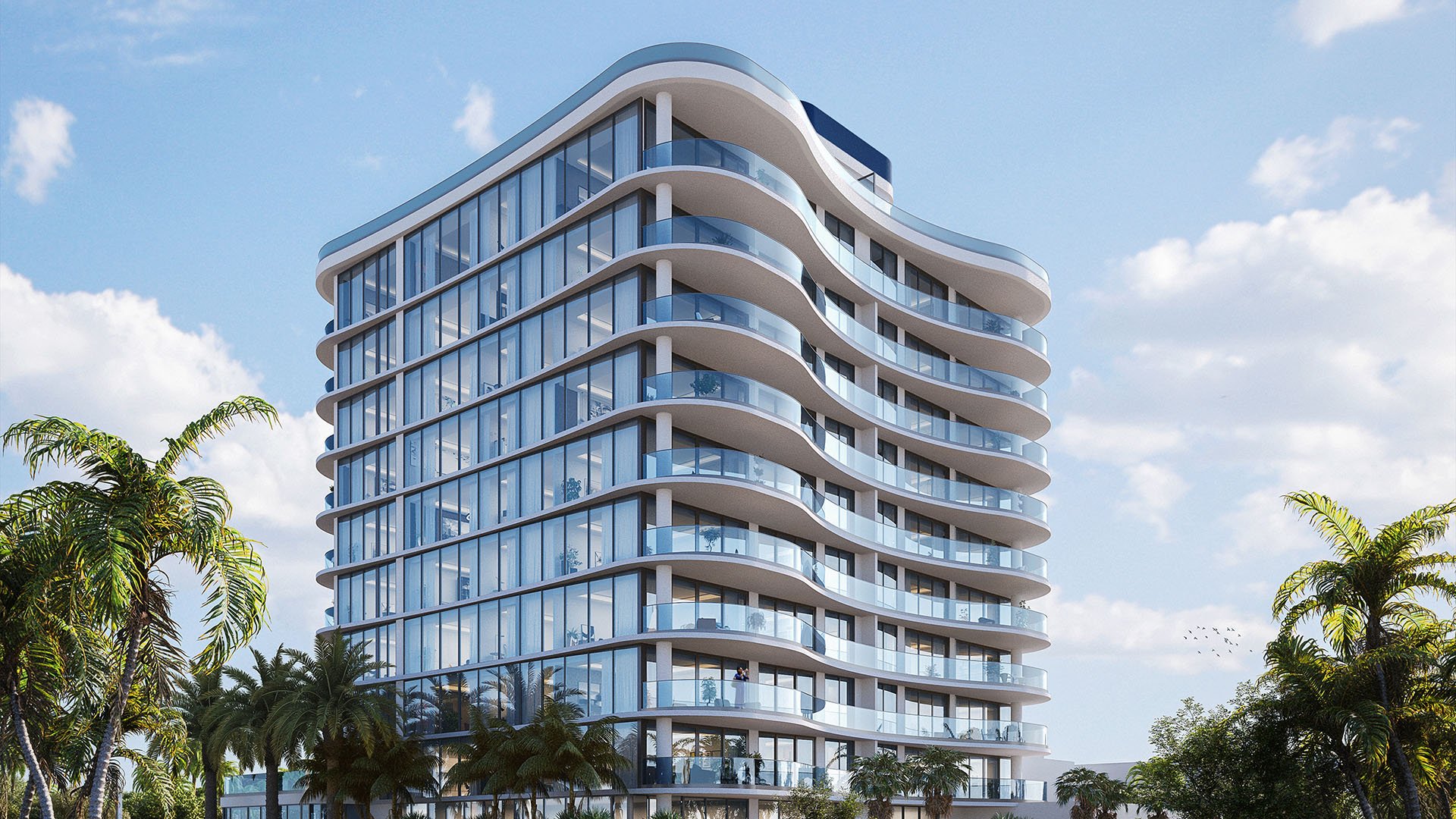
For a privacy-focused buyer, luxury is more than an elegant arrival or attentive concierge service. It is the quiet confidence that access, information, staffing, and emergency procedures operate as one coherent system. At Ocean 580 Pompano Beach, buyers should verify current security specifications directly with the developer, condominium association, or management team before making a purchase decision.
That distinction matters because broad statements about exclusivity reveal little about day-to-day operations. Buyers need written policies, system specifications, and clear lines of responsibility. The relevant questions extend well beyond the lobby to parking, beach access, elevators, service circulation, digital credentials, resident records, vendors, and backup power.
The practical standard is straightforward: privacy should be evaluated as a documented operating principle, not an implied lifestyle benefit. It is especially consequential for a second-home owner whose residence may remain unoccupied for extended periods, or for an investment buyer concerned with authorized access and record handling.
Begin by requesting a diagram of every controlled entry point. Entrances, parking areas, beach access points, service corridors, and amenity spaces should be considered separate zones. The central question is not simply whether access is controlled, but whether each person receives only the access appropriate to a defined purpose.
Request the precise credential types in use or proposed, including key fobs, mobile applications, PINs, biometrics, or license-plate recognition. Then examine the full credential lifecycle. Who issues access? Who can modify permissions? How quickly can a lost credential be revoked, and is that change recorded? A sophisticated interface is no substitute for disciplined administration.
Elevators merit separate scrutiny. Confirm whether residents, guests, contractors, and delivery personnel are restricted to authorized floors. Ask how visitors are identified, approved, logged, escorted, and prevented from entering residential areas unaccompanied. Apply the same questions when comparing nearby possibilities such as The Ritz-Carlton Residences® Pompano Beach. The objective is not to assume parity, but to maintain one consistent standard across every Pompano Beach evaluation.
Cameras can support security while creating their own privacy exposure. Request a coverage map and determine whether surveillance captures unit entrances, balconies, amenity use, vehicle movements, or other sensitive activity. Buyers should understand both the blind spots and the areas of potentially intrusive observation.
The operational questions are equally important. Who can view live feeds or recordings? Is every access event audited? Where is footage stored, how is it protected, and when is it deleted? A defined retention schedule is more meaningful than a general assurance that recordings are handled securely.
Next, inventory resident information. Management, concierge personnel, access platforms, parking systems, amenity applications, and third-party vendors may each collect different data. Ask whether names, unit numbers, travel schedules, guest lists, deliveries, and vehicle information are protected by written confidentiality policies. Buyers considering Armani Casa Residences Pompano Beach can carry the same data inventory into their review without presuming that any two properties follow identical practices.
Technology is only as discreet as the people who administer it. Ask whether employees, contractors, and vendors undergo background screening, privacy training, and recurring security reviews. Determine how vendor access is approved, limited, monitored, and terminated when an engagement ends.
Condominium documents should also be read through a privacy lens. Review rules governing owner directories, records requests, camera installation, smart-home devices, short-term guests, and contractor access. These provisions can shape daily exposure even when the physical systems appear robust.
Responsibility may shift over the life of a project. Buyers should distinguish developer-controlled procedures during sales or construction from association-controlled policies after resident turnover. Ask which entity controls each system today, who will control it later, and whether commitments survive that transition. When examining W Pompano Beach Hotel & Residences or another waterfront option, retain that question as a separate line item rather than folding it into a general security discussion.
A credible privacy review accounts for difficult scenarios. Confirm how the building handles cyber incidents, unauthorized access, stalking concerns, suspicious packages, medical emergencies, and law-enforcement requests. Each scenario should have an escalation path, an accountable decision-maker, and a policy for protecting resident information.
Power loss and severe weather can expose weaknesses that remain invisible during ordinary operations. Ask whether backup power supports access controls, cameras, communications, elevators, garage gates, and data systems. Verify whether emergency procedures preserve controlled entry and resident-record confidentiality during hurricane evacuations, flooding, or prolonged utility disruptions.
The buyer’s goal is not a promise that disruption will never occur. It is evidence that the property can maintain sensible control, communication, and confidentiality when normal conditions fail.
Convert every verbal response into a document request. The file should identify access zones, credential and revocation procedures, elevator permissions, visitor protocols, camera coverage, footage retention, data collection, confidentiality rules, staff screening, vendor controls, incident response, and the scope of backup systems.
Where personal exposure is significant, engage security, privacy, and condominium counsel to review the materials. Assign open questions to the developer, association, management team, platform provider, or other responsible party. The most valuable result is not a thick binder, but a concise record showing what is controlled, by whom, under which written policy, and with what continuity after turnover.
Are Ocean 580’s current security systems publicly specified in detail? Buyers should verify current specifications directly with the developer, condominium association, or management team rather than relying on general descriptions.
Which access points should a buyer examine? Review entrances, parking areas, beach access points, service corridors, amenity spaces, elevators, and residential floors as distinct control zones.
What should I ask about digital credentials? Identify whether the property uses fobs, mobile applications, PINs, biometrics, or license-plate recognition, then confirm issuance and revocation procedures.
How should guest access be evaluated? Ask how visitors are identified, approved, logged, escorted, and prevented from reaching residential areas without authorization.
What surveillance information should I request? Request a camera-coverage map and written details on viewing permissions, access audits, storage, protection, retention, and deletion.
Which resident data may require protection? Focus on names, unit numbers, travel schedules, guest lists, deliveries, vehicle information, and data collected through building applications.
What staff and vendor safeguards matter? Ask about background screening, privacy training, recurring reviews, limited permissions, monitoring, and prompt termination of access.
Which condominium provisions deserve privacy review? Examine owner directories, records requests, private camera installation, smart-home devices, short-term guests, and contractor access.
Why does backup power matter to security? It may determine whether access controls, cameras, communications, elevators, garage gates, and data systems continue operating during a disruption.
Should specialist advisers review the security file? When risk exposure is significant, security, privacy, and condominium counsel can assess written policies, specifications, responsibilities, and unresolved gaps.
If you'd like a private walkthrough and a curated shortlist, connect with MILLION.
If branded residences are on your mind — as a home or as an allocation — we would be glad to share what we are seeing, privately.
Begin a quiet conversation