A buyer-focused guide to evaluating emergency-generator fuel planning at Continuum Club & Residences North Bay Village, with emphasis on runtime, supported loads, refueling logistics, privacy, service continuity, and resale relevance in South Florida luxury real estate.
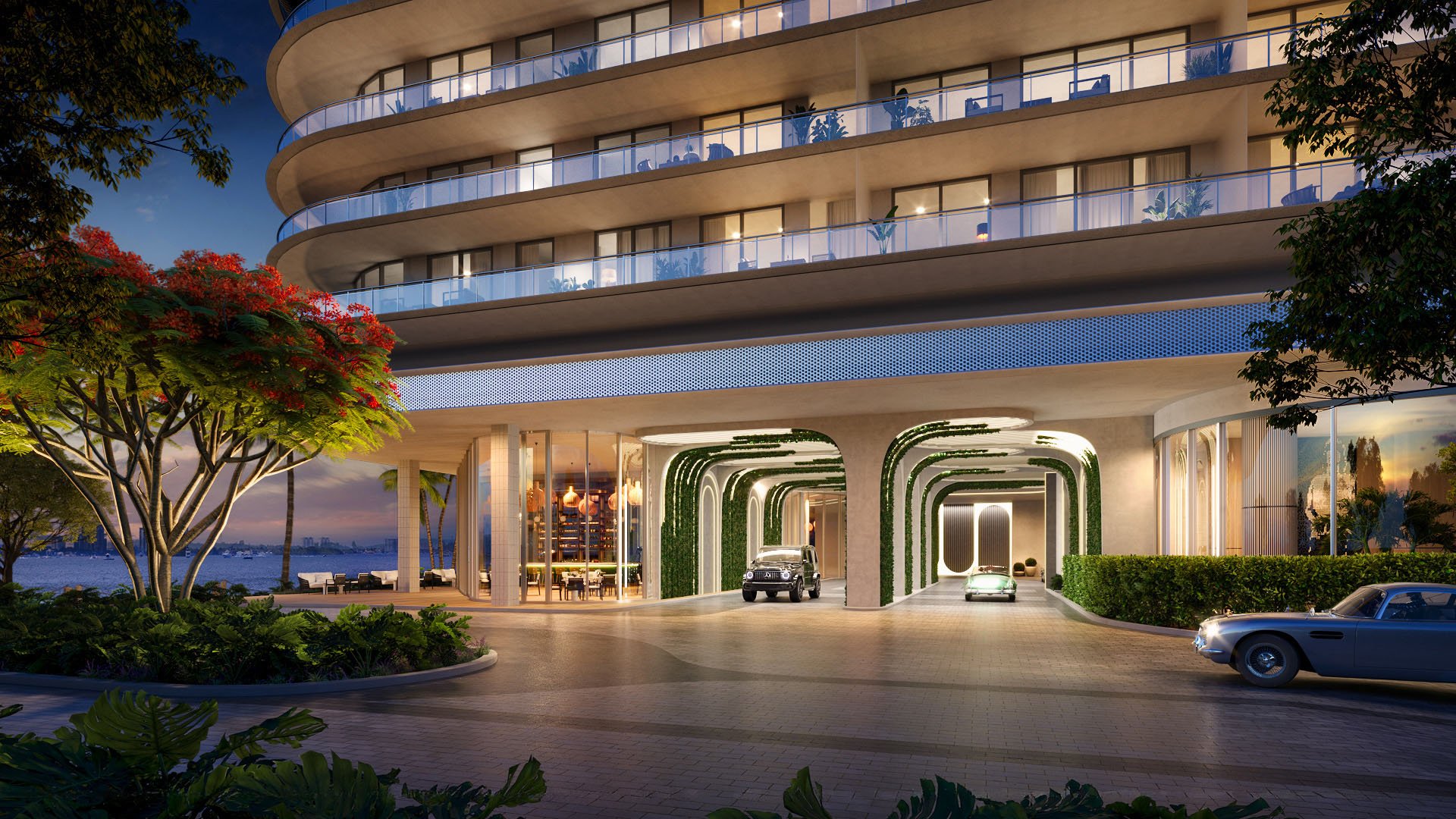
At Continuum Club & Residences North Bay Village, emergency-generator fuel planning should be understood as more than a mechanical-room detail. In a luxury condominium, backup power is only the starting point. The more consequential questions are how long that power can be sustained, what it is designed to support, and whether its operation preserves the quiet, private experience buyers expect.
For South Florida’s premium condominium audience, resilience has become part of desirability. Elevation strategy, floodproofing, backup power, and service continuity can sit beside views, finishes, amenities, and arrival sequence as part of a buyer’s overall evaluation. A residence may be beautifully composed, but buyers increasingly want to know how the building performs when external systems are under stress.
That shift is especially relevant in North Bay Village, where South Florida weather, access planning, and service continuity can influence how buyers assess long-term ownership comfort. A polished project presentation should be matched by disciplined questions about generator fuel, equipment location, refueling access, and supported building loads.
A binary question-“Does the building have a generator?”-is rarely sufficient. The sharper inquiry is what the generator is intended to do when utility power is interrupted. Buyers should ask whether the system supports life-safety functions only, broader common-area services, selected comfort systems, or a more expansive continuity plan.
The distinction matters in daily life. Elevators, domestic water pumps, Wi-Fi and network equipment, air conditioning, and chilled-water systems all shape the experience of an outage. If an elevator is supported but domestic water pressure is limited, the building feels different. If connectivity remains available but comfort cooling does not, the residence may still function, yet fall short of serenity.
At Continuum Club & Residences North Bay Village, those questions should be evaluated through condominium documents, mechanical drawings, and engineering specifications before they become assumptions. The goal is not to turn every purchaser into an engineer. It is to translate technical language into buyer-facing consequences: Can residents move vertically? Can water be delivered reliably? Can staff communicate? Can key access and security systems operate?
Fuel-storage depth is central because it determines how long backup power can run before refueling becomes necessary. A generator may have meaningful capacity, but if fuel storage is shallow relative to the loads it serves, runtime can narrow quickly. Conversely, a carefully calibrated system can provide meaningful service continuity when fuel volume, generator demand, and load priorities are aligned.
Buyers should request clarity on fuel type, tank capacity, expected runtime under defined load scenarios, and procedures for testing and maintaining the system. These are not abstract questions. They mark the difference between a brief bridge through a utility interruption and a more resilient operating posture during an extended disruption.
The essential phrase is “under what load.” Runtime has little value unless buyers know what is being powered. A building may run far longer if only life-safety systems are active than it would if broader comfort or technology systems are included. Luxury buyers should not treat a single runtime figure as universal unless the supported load profile is explicit.
Emergency fuel planning does not end at the tank. Buyers should ask how refueling would occur if storm conditions, restricted access, roadway disruptions, or post-event demand delayed fuel trucks. The question is not simply whether a fuel vendor exists. It is how the building’s operational team expects refueling to function when the broader environment is strained.
Discretion is part of that equation. Refueling routes, service staging, delivery timing, and equipment access can affect the residential atmosphere. In a luxury condominium, repeated service activity near arrival courts, amenity areas, private drop-offs, or residence-facing zones can change the feeling of calm.
Noise, fumes, and service circulation deserve the same scrutiny as lobby finishes or amenity composition. Poorly located or underspecified emergency systems may not appear prominently in a sales presentation, but they can intrude on the perceived serenity of residential life if they are not thoughtfully planned.
Generator location influences both performance and perception. Buyers should ask where the equipment is placed, how it is screened, how exhaust is directed, and whether acoustic treatment is included. The goal is not silence during an emergency, which may be unrealistic, but reasonable separation between essential infrastructure and the private life of the building.
In premium condominiums, service architecture matters. Loading areas, fuel access points, mechanical zones, staff circulation, and resident amenity areas should work together rather than compete. A beautifully designed residence loses composure if emergency operation turns private areas into service corridors.
For Continuum Club & Residences North Bay Village, the prudent buyer frames privacy as an operational question: Where does the fuel truck go? Which routes does service staff use? Which residential lines of sight are exposed to equipment? Where are fumes likely to travel? Are the noisiest functions isolated from the most valuable lifestyle zones?
Mechanical drawings and engineering specifications can feel distant from the emotional decision to purchase a luxury residence. Yet they often contain important clues about outage performance. The buyer’s task is to convert those documents into plain questions that a development, engineering, or property-management team can answer directly.
A disciplined review should cover generator capacity, priority loads, fuel storage, refueling protocols, equipment placement, acoustic treatment, ventilation, exhaust path, maintenance access, and testing cadence. It should also examine whether the system supports only common areas and essential services or extends to broader resident-experience functions.
This is where an advisor can add value. The best review is not adversarial. It is clarifying. Luxury buyers are not asking for guarantees against every disruption. They are asking whether the building’s infrastructure is proportionate to its promise of comfort, privacy, and continuity.
Resale value is influenced by many factors, but resilience is increasingly part of the conversation in South Florida luxury condominiums. Buyers who value storm readiness and service continuity may look more closely at how a building documents emergency power, fuel planning, elevation strategy, and floodproofing.
A well-communicated generator strategy can help a property stand out. It signals that the building has considered not only design and amenities, but also the less visible systems that protect daily life during disruption. For investment-minded owners, that clarity may support future buyer confidence, especially when comparable residences compete on more than finishes and views.
The key is documentation. A vague claim of backup power is weaker than a clearly explained plan that identifies supported loads, expected runtime, refueling procedures, and operational safeguards for privacy. In the luxury market, confidence often comes from precision.
Before contract, buyers should ask for a clear explanation of what the emergency-generator system powers, how long it can operate under those loads, and what steps are in place if refueling is delayed. They should ask where the system is located, how noise and fumes are managed, and how service activity is kept away from private residential zones.
They should also ask who is responsible for maintaining the system, how it is tested, and how residents are informed during an outage. The strongest answer will connect engineering detail to resident experience. The weakest answer will rely on reassurance without specificity.
For Continuum Club & Residences North Bay Village, generator fuel planning belongs in the same evaluative frame as architecture, amenities, and service culture. It is part of how a building protects the privacy and composure that define true South Florida luxury.
Why is generator fuel planning important for luxury condo buyers? It helps buyers understand how long essential systems may operate during an outage and whether service continuity supports the lifestyle promised by the building.
Is having a generator enough? No. Buyers should understand supported loads, runtime, fuel storage, refueling logistics, and how the system affects resident privacy.
Which building systems should buyers ask about? Elevators, domestic water pumps, Wi-Fi and network equipment, air conditioning, chilled-water systems, access control, and security functions are key questions.
Why does fuel-storage depth matter? Fuel storage affects runtime before refueling is required, especially if the generator supports multiple building systems during an extended outage.
What refueling questions should be asked? Buyers should ask how fuel delivery works if storms, access disruptions, or high regional demand delay trucks.
Can generator planning affect privacy? Yes. Equipment location, service routes, noise, fumes, and refueling activity can intrude on residential areas if poorly planned.
Should buyers review engineering documents? Yes. Mechanical drawings and condominium documents can be translated into practical questions about comfort, access, and continuity.
Does backup power affect resale? It may help future resale when resilience is clearly documented and valued by buyers seeking storm readiness and service continuity.
What should not be assumed? Do not assume runtime, supported loads, fuel type, or refueling arrangements unless they are confirmed in official project or condominium documents.
How should buyers approach this topic with a sales team? Ask for precise, written explanations that connect technical systems to daily resident experience during an outage.
When you're ready to tour or underwrite the options, connect with MILLION.
If branded residences are on your mind — as a home or as an allocation — we would be glad to share what we are seeing, privately.
Begin a quiet conversation