A collector-focused guide to evaluating Bal Harbour waterfront residences through privacy, controllable daylight, secure circulation, and conservation-ready interiors.
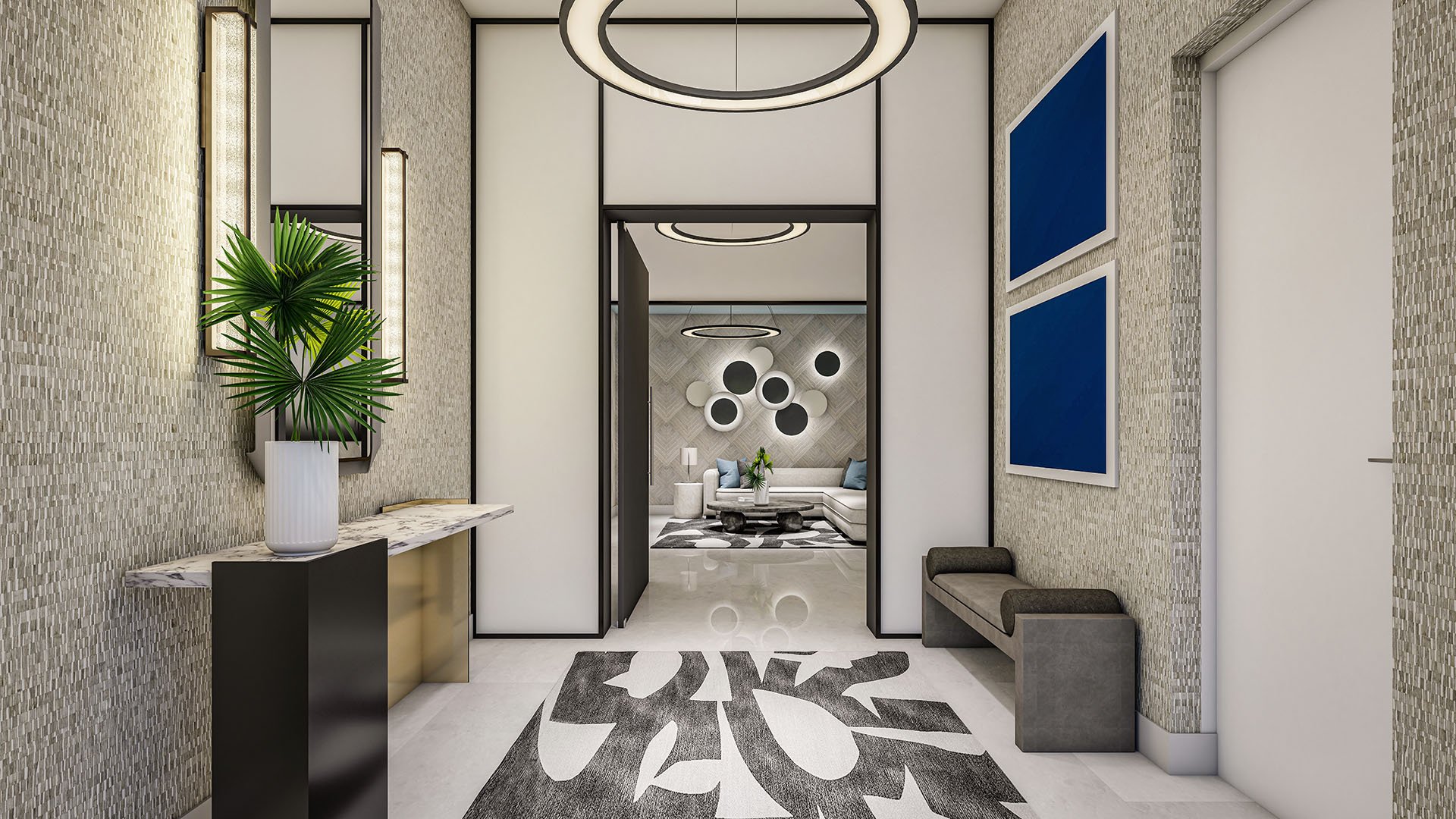
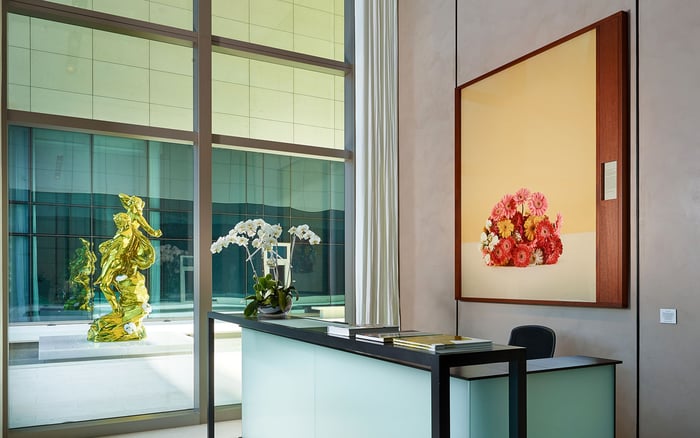
For an art collector, a commanding water view is only the beginning. The more consequential qualities are often quieter: a private arrival sequence, controllable daylight, dependable environmental systems, secure service circulation, and sufficient uninterrupted wall space to display important works without compromise.
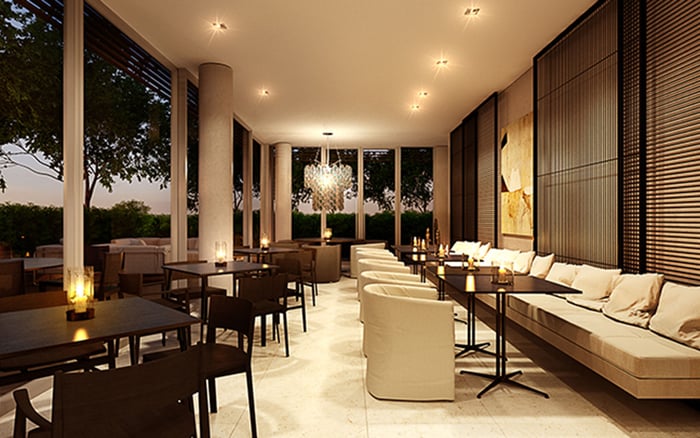
Bal Harbour is naturally compelling for buyers seeking waterfront living with a discreet residential character. Yet expansive glazed elevations can create curatorial challenges. Direct sun, reflected light, heat gain, and visible interiors all demand careful management. The right residence balances openness with control, allowing the owner to enjoy the setting while protecting both the collection and personal privacy.
This ranking prioritizes residences with a direct Bal Harbour identity, then considers each as a candidate for collection-specific diligence. Final suitability depends on the individual floor plan, exposure, building rules, and security arrangements available to the buyer.
1. Oceana Bal Harbour: first collector review
Oceana Bal Harbour belongs at the start of a focused search because it places the buyer squarely within the requested Bal Harbour category. Collectors should assess the specific residence rather than rely on a building-wide impression, with particular attention to solar exposure, usable wall dimensions, elevator circulation, and the route for receiving large works.
A technical review should also address window treatments, interior humidity, backup power for essential systems, and any restrictions affecting glazing films or installation work. These details determine whether a visually dramatic home can function as a controlled private gallery.
2. Rivage Bal Harbour: second collector review
Rivage Bal Harbour is the other direct Bal Harbour candidate in this focused comparison. Evaluation should begin with plans and specifications, followed by a room-by-room lighting study and a security discussion tailored to the owner’s collection profile.
Buyers should confirm where crates can be staged, how installers enter, whether service movements can remain separate from private arrivals, and which walls can accommodate substantial mounting systems. No waterfront address should be considered collection-ready until these practical questions are resolved in writing.
Oceanfront architecture often celebrates transparency, but collectors require selective opacity. Before committing to a residence, commission a solar study that considers seasonal angles, reflected glare from the water, and the hours when individual walls receive direct or indirect light. High floors may expand the views, but elevation alone does not resolve questions of exposure or privacy.
At Oceana Bal Harbour, the prudent next step is to assess the specific home’s orientation and interior conditions. Automated shades can support daily control, but they are no substitute for a conservation plan. Layered window treatments, UV management, dimmable fixtures, and distinct display zones give an owner greater flexibility as the collection evolves.
A balcony also deserves scrutiny. It can enrich the experience of a waterfront home, while adjacent glass and exterior lighting may affect the interior presentation. The best result is not maximum brightness, but calibrated light that can shift from daytime living to evening viewing without exposing sensitive works.
Security begins with circulation. A collector should map every route into the residence, including the primary entrance, service elevator, loading area, parking access, and any path used by household staff or art handlers. The objective is not theatrical fortification, but controlled movement with clear permissions and minimal overlap.
When reviewing Rivage Bal Harbour, buyers should request current, residence-specific information on access management, visitor procedures, deliveries, and emergency protocols. Any verbal representation should be confirmed through the applicable documents and professional review.
Within the home, discretion may require a receiving zone concealed from the principal entertaining rooms. A secure interior room can provide temporary holding space for works awaiting installation, condition review, or transport. Cameras, sensors, access logs, and networked systems should be designed as one coordinated framework so convenience does not create avoidable vulnerabilities.
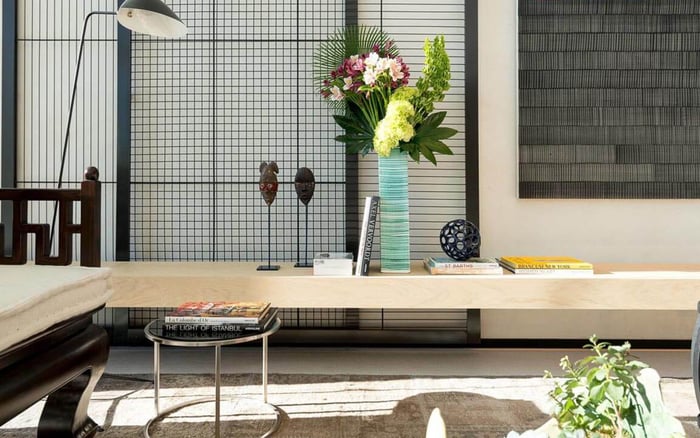
A collector-friendly plan requires more than generous dimensions. It needs walls in the right places. Verify wall construction, embedded services, outlet locations, sprinkler placement, ceiling capacity, and the feasibility of reinforcement. Freestanding sculpture raises additional questions involving floor loading, turning radii, thresholds, and safe movement from the elevator to the final position.
Climate stability is equally important. Ask a qualified specialist to evaluate temperature consistency, humidity management, condensation risk, air distribution, and monitoring. Waterfront conditions make disciplined environmental planning especially relevant, even when the residence feels comfortable to its occupants.
Design and architecture decisions should follow the collection plan, not precede it. Create a schedule of works, dimensions, media, sensitivities, and anticipated rotations. From that schedule, the design team can establish lighting scenes, wall elevations, storage requirements, and installation infrastructure without making the home feel like an institutional gallery.
A Bal Harbour buyer can sharpen the decision by comparing neighboring Surfside options without losing sight of the original brief. Fendi Château Residences Surfside and Arte Surfside provide useful reference points for evaluating how different residential formats manage arrival, scale, exposure, and discretion.
The purpose of comparison is not to assume equivalent features, but to test priorities. If a residence offers stronger light control but a more complicated delivery path, which matters more for the collection? If privacy is excellent but display walls are limited, can the interior be reconfigured without compromising circulation? Clear answers turn an emotional purchase into a durable curatorial decision.
Before contract, assemble a confidential file containing dimensioned plans, finish schedules, glazing information, building rules, insurance requirements, renovation procedures, and available security protocols. Add specialist reviews covering lighting, climate, structural capacity, technology, and art logistics.
Labels such as oceanfront, boutique, and high-floor can help organize a search, but they do not establish collector suitability. The decisive evidence is residence-specific: what the sun does, who can enter, where a crate can turn, which systems remain active during an interruption, and whether the interior can support both current holdings and future acquisitions.
What matters most in a Bal Harbour residence for an art collector? Prioritize controllable light, private circulation, environmental stability, secure access, and usable display walls.
Is an ocean view compatible with conservation-grade light control? Yes, provided glazing, shading, lighting, and artwork placement are assessed as one coordinated system.
Are high floors automatically more private? No. Privacy depends on sightlines, neighboring buildings, circulation, glazing treatments, and access procedures.
Should art security be separate from home security? The systems should be coordinated, with collection-specific monitoring and permissions designed by qualified advisers.
Why is the service elevator important? Its dimensions, capacity, access rules, and route can determine whether large works can be moved safely and discreetly.
Does a waterfront residence need a special climate review? A specialist should evaluate humidity, condensation, temperature consistency, air distribution, and monitoring for the specific home.
Can automated shades fully protect sensitive artwork? Shades are one layer. A complete approach may also include glazing analysis, UV management, sensors, lighting controls, and careful placement.
What documents should a collector request before buying? Request plans, specifications, building rules, renovation procedures, insurance requirements, and available security information.
Should Surfside residences be included in the comparison? They can provide valuable context for scale, privacy, circulation, and design while the buyer keeps Bal Harbour as the primary brief.
When should an art adviser join the property search? Ideally, before final selection, so the collection’s dimensions, sensitivities, logistics, and future needs inform the decision.
For a confidential assessment and a building-by-building shortlist, connect with MILLION.
If branded residences are on your mind — as a home or as an allocation — we would be glad to share what we are seeing, privately.
Begin a quiet conversation