Digital keys can elevate daily living, but in South Florida luxury residences they also centralize control over entry, guest access, service access and sensitive occupancy data. Buyers should negotiate backup plans as part of property rights, cybersecurity and long-term resale confidence, not as a minor technology preference.

In a new generation of South Florida residences, the key is no longer only a cut piece of metal. It may be a phone credential, a fob, a biometric enrollment, an app permission, a building account or a building-issued override. That convenience can feel seamless, especially in buildings with private elevators, controlled garages, service corridors and hospitality-style staff. It can also create a negotiation point that buyers should not leave to closing-day paperwork.
The core question is not whether digital keys are desirable. For many owners, they are. The better question is whether the backup plan protects the owner’s ability to occupy, invite, secure and regain access to the residence when technology fails or a dispute arises. A luxury buyer should treat the access system as both an ownership-experience issue and a cybersecurity issue.
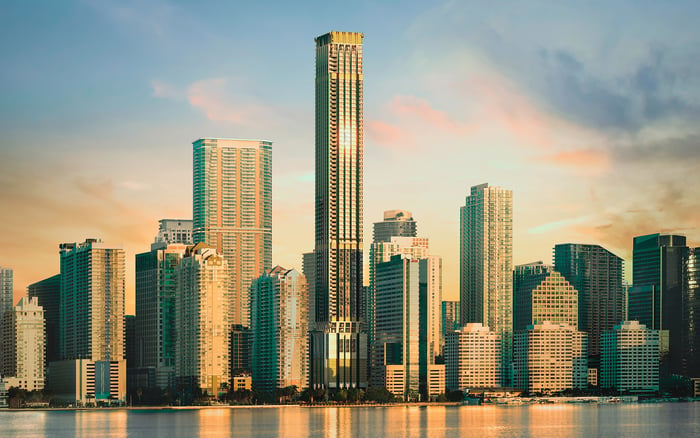
This is especially relevant across Miami-Dade, Broward and Palm Beach luxury markets, including Brickell, Miami Beach, Sunny Isles, Surfside, Fort Lauderdale and Palm Beach-area residences. The more valuable and complex the residence, the less acceptable it is for practical access to depend on one app, one vendor, one manager or one live internet connection.
A refined digital-access package can be a genuine lifestyle advantage. It can allow a house manager to open the residence for a delivery, permit a family member to enter for a weekend stay or help staff manage elevators without crowding the lobby desk. But negotiation should begin by separating four scenarios: owner-requested guest access, association or building emergency access, maintenance access with notice and system-failure backup access.
Each scenario should have its own rules. Guest access belongs primarily to the owner. Emergency access should be narrow, documented and tied to the protection of people, the residence, common areas or building systems. Maintenance access should preserve notice expectations and reasonable limits. Outage access should be operational, not improvised.
The point is to prevent a convenient system from becoming an unclear system. Buyers should know who can open which doors, under what conditions, with what documentation and with what notice after the fact. That clarity protects owners, building staff and future resale discussions.
The strongest owner-side position is simple: a digital credential suspension, vendor outage, association dispute, account lockout or software failure should not become a practical denial of lawful access to the residence. The point is not to obstruct necessary emergency entry. The point is to prevent technology from becoming a lockout tool.
Buyers should ask counsel to review the declaration, rules, access-control policies and any technology addenda before waiving diligence. In a resale, the same review should extend to current management practices, not only documents prepared years earlier.
If the language is vague, ask for clarification before signing. A buyer does not need to reject modern access systems; the buyer needs the right to understand and rely on the backup plan.
A credible backup plan should answer a basic question: if the internet, cloud provider, phone network, power, vendor platform or owner’s mobile account fails, how does the owner enter the home?
The answer should not be, “management will figure it out.” For a primary residence, a second home or a seasonal home, the answer should be written. It may involve a physical owner-controlled override, a secure offline credential, a concierge-held emergency method with strict chain of custody or another documented non-cloud procedure. Whatever the method, it should cover the full path of entry: garage, lobby, elevator, corridor and unit door.
Buyers should also ask whether doors, elevators, garages and unit locks can operate during power loss or platform outages. The elegant experience of everyday app use is not the test. The test is resilience when the ordinary system is unavailable.
Digital keys are not only keys. They are identities. A careful plan should specify who can issue, revoke, suspend, reissue or override mobile credentials. It should also address what happens when a phone is lost, an employee leaves, a vendor changes, a manager is replaced or a family office wants to rotate staff access.
Credential lifecycle rules should include owner approvals for non-emergency guest credentials, immediate revocation options for the owner, identity verification before reissuance and written authority for any override. If a building uses master or emergency credentials, the chain of custody should be documented. Who holds them? Where are they stored? Who logs their use? Who receives notice after they are used?
The more centralized the access system, the more important these questions become. Centralization can be seamless, but it also concentrates power. In a luxury residence, convenience should never erase accountability.
Entry logs can reveal when an owner is home, away, entertaining, traveling or receiving services. For prominent families, executives, collectors and international owners, that information is not ordinary building paperwork. It can describe patterns of private life.
Negotiations should address what data is collected, how long it is retained, who can see it, when it can be shared and whether the owner can review entries related to the residence. The practical contract point is direct: do not accept vague language that gives broad access to occupancy records without purpose, retention limits or oversight.
A buyer should also ask how software updates are handled. Connected locks and access systems need support over time. A polished installation at turnover is not enough if the system later loses vendor support, receives irregular security updates or depends on obsolete hardware.
For many South Florida buyers, the residence is more than an investment. It may be a permanent home, a seasonal base, a family retreat or a residence supported by staff. Digital-access arrangements should reinforce the owner’s practical ability to return, not complicate it.
For part-time and international owners, this may include naming a local authorized representative who can act during outages, emergencies or phone-account failures. That representative should have carefully defined authority, not open-ended control.
The negotiation does not need to be adversarial. Sophisticated associations, developers and managers also benefit from clear access protocols. Written rules reduce confusion, protect staff, preserve emergency procedures and make the residence easier to explain at resale.
For a condominium purchase, the diligence package should address governing documents, association rules, vendor relationships, service expectations, emergency access procedures, credential policies, lock hardware specifications and audit-log practices where applicable. Buyers can request clarification through the seller, association, developer or counsel as appropriate for the transaction.
The buyer’s team should look for three things. First, does the building distinguish emergency and maintenance access from general convenience? Second, does the owner have a reliable non-cloud method to regain entry? Third, do the documents prevent credential suspension or vendor disruption from becoming a practical denial of lawful access?
If the answer to any of those questions is unclear, negotiate before the emotional cost of walking away becomes too high. The right residence is still the goal. The backup plan is how the owner preserves it.
Should a buyer reject a residence because it uses app-based access? No. The issue is not the presence of digital access, but whether the backup, privacy and override rules are written clearly.
What is the most important digital-key clause to request? Ask for language stating that outages, account lockouts, credential suspensions or disputes should not become a practical denial of lawful residence access.
Should the owner control guest credentials? Yes. Owner-requested guest access should be distinct from emergency or maintenance access and should remain subject to owner approval whenever practical.
Can building staff ever need emergency access? Yes. Emergency access may be necessary, but it should be defined, documented and limited to appropriate circumstances.
What should happen during an internet or cloud outage? The building should have a documented offline procedure covering garage, lobby, elevator, corridor and unit entry.
Are access logs a privacy concern? Yes. Logs can reveal occupancy patterns, so retention, sharing, review rights and security practices should be addressed in writing.
Who should be allowed to override a digital lock? Only clearly authorized parties under defined circumstances, with logging, notice and chain-of-custody controls for any master or emergency credential.
Do software updates belong in the negotiation? Yes. The documents should identify who is responsible for updates, vendor support and security maintenance over the life of the system.
Is this more important for seasonal owners? Often, yes. A local authorized representative can help manage outages, emergencies or phone-account failures when the owner is away.
Can access rules affect resale confidence? Yes. Clear digital-key protocols make the residence easier to diligence, explain and transfer to the next sophisticated buyer.
For a tailored shortlist and next-step guidance, connect with MILLION.
If branded residences are on your mind — as a home or as an allocation — we would be glad to share what we are seeing, privately.
Begin a quiet conversation