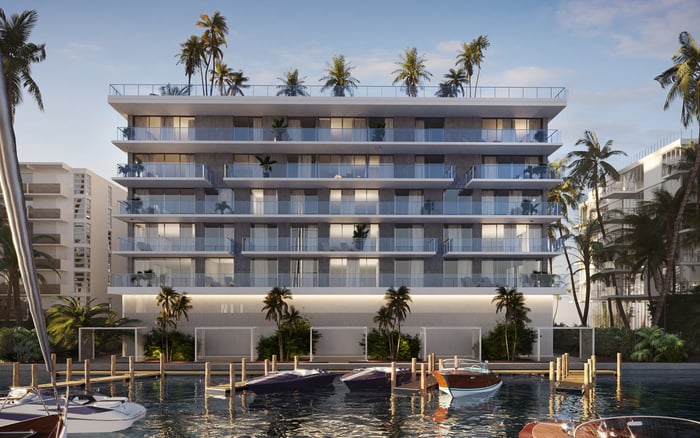
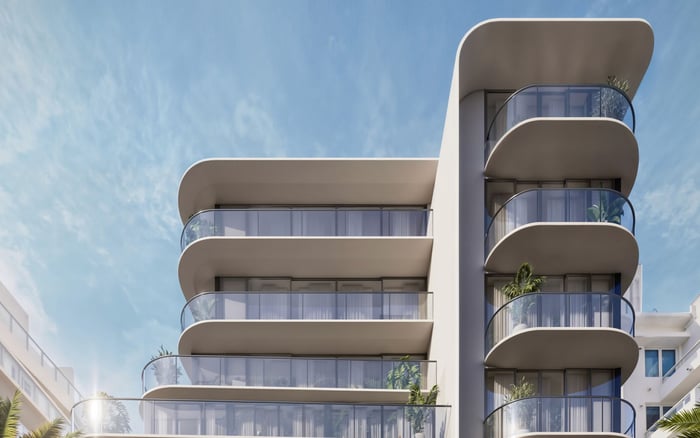
A buyer-focused comparison of Tula Residences in North Bay Village and Alana in Bay Harbor Islands, with emphasis on lifestyle certainty, cash-buyer leverage, closing risk, and the concessions that may matter more than headline discounts.
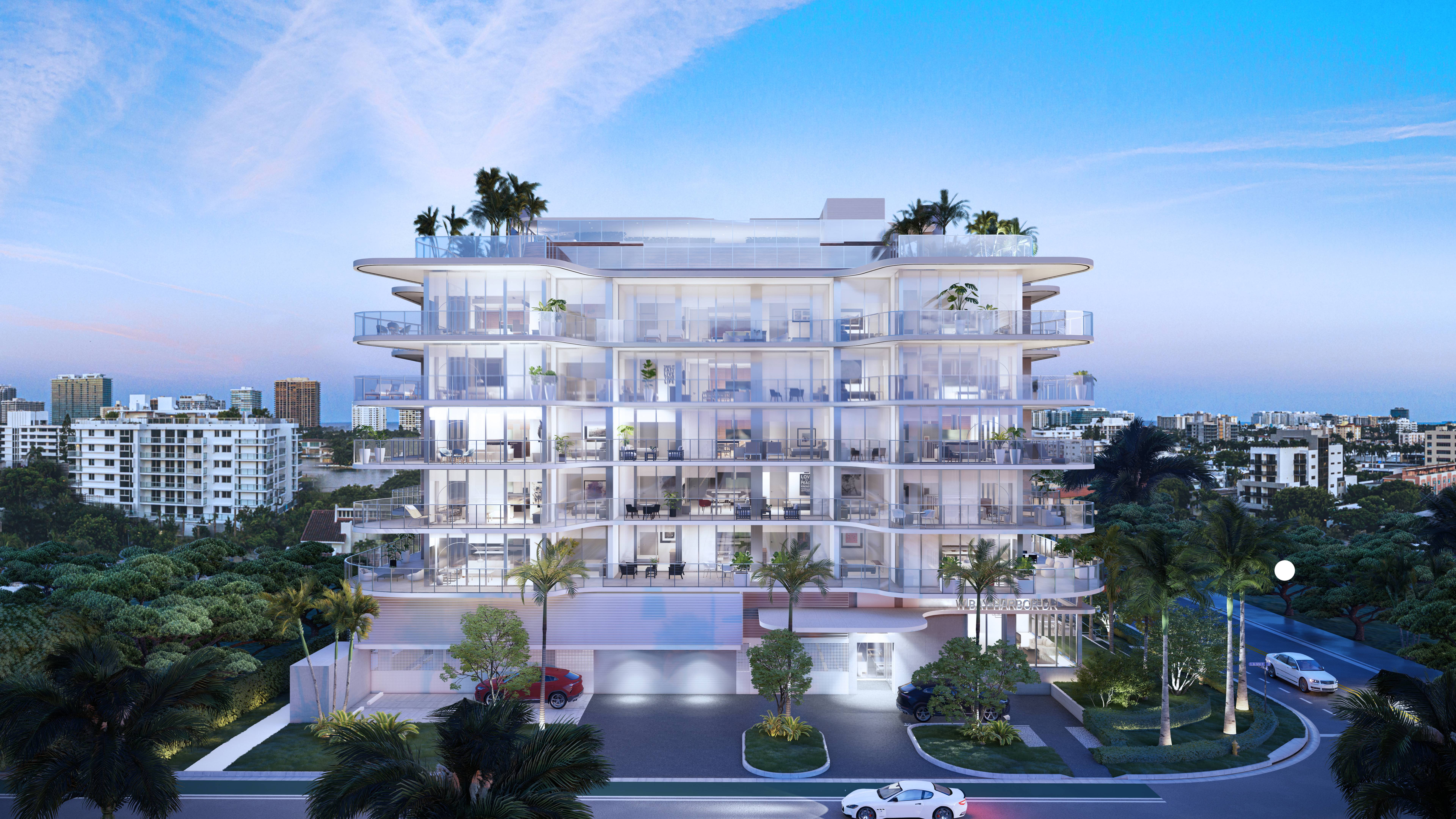
The comparison between Tula Residences North Bay Village and Alana Bay Harbor Islands is less about choosing between two points on a map and more about choosing a risk profile. On one side is North Bay Village, a market buyers often evaluate through change, repositioning, and future upside. On the other is Bay Harbor Islands, where Alana presents a quieter, more established residential proposition.
For a cash buyer, that distinction matters. Cash can shorten the underwriting conversation, remove lender contingencies, and create a cleaner path to contract. But in luxury pre-construction, cash does not automatically produce a dramatic discount. The sharper question is where a buyer’s certainty is most valuable, and where a developer may have reason to accommodate structure.
The key lenses here include Alana Bay Harbor Islands, North Bay Village, Bay Harbor, boutique, pre-construction, and investment themes. The point is not to force a winner. It is to understand which lifestyle carries less uncertainty, which contract may offer more flexibility, and which concession is genuinely worth pursuing.
Alana is best understood as the Bay Harbor Islands side of this lifestyle contrast. It is positioned as a boutique, design-driven condominium rather than a large commodity tower. That matters because boutique inventory tends to appeal to buyers who care about discretion, scale, and the daily experience of coming home, not just the arithmetic of yield.
Bay Harbor Islands gives Alana a more mature setting. The appeal is residential calm, walkability, and access to the nearby Bal Harbour and Surfside lifestyle orbit. For end users, that can translate into a cleaner ownership narrative: a quieter address, a constrained neighborhood, and an environment where the exit story is supported by scarcity rather than pure growth speculation.
That same scarcity can limit broad negotiating room. In a blue-chip residential setting, sellers and developers may be less inclined to offer visible price cuts, especially on preferred residences. Cash still matters, but its influence may be more nuanced. At Alana, the more sophisticated buyer should think less about pursuing a public headline discount and more about improving the contract around the edges.
Tula Residences, by virtue of being on the North Bay Village side of the comparison, invites a different analysis. Buyers looking there may be weighing the benefits of entering a changing corridor against the variables that come with any market in transition. That can make the opportunity feel more dynamic, but also more sensitive to timing.
A cash buyer may have more room to press for flexibility when a project, submarket, or specific unit line depends on absorption momentum. The leverage is not universal. It can vary by residence type, release phase, construction financing, buyer competition, and the developer’s current priorities. Still, a buyer who can close without financing uncertainty may be valuable when certainty of execution is at a premium.
The lifestyle difference is equally important. North Bay Village may attract buyers who want to participate in an evolving waterfront story. Bay Harbor Islands, by contrast, is typically evaluated for a more settled residential rhythm. That distinction affects not only how one lives in the property, but also how future buyers may understand it.
In ultra-premium pre-construction, the most elegant negotiation is often not the loudest one. Cash buyers should consider the full range of economic and practical terms rather than fixating on price alone. Deposit timing can be meaningful, particularly if a buyer wants to preserve liquidity without weakening the offer. Closing credits can reduce the friction of completion. Upgrades, parking, storage, and furnishing packages may have real value, especially when they improve daily usability or resale presentation.
At Alana, because the Bay Harbor Islands setting is more established, negotiation may be shaped by scarcity. A buyer may have less success pressing for a sweeping reduction on the most desirable residences, but more success refining the structure of the deal. In a boutique building, every line and exposure can matter, so the question becomes whether the concession improves the specific residence, not whether it looks impressive in a spreadsheet.
For Tula, the cash conversation may be more about certainty and timing. If a buyer is indifferent among several unit options, leverage may increase. If the buyer wants the most coveted residence, leverage can disappear quickly. Cash is an advantage, but it is not a substitute for discipline.
Closing risk is often discussed as if it belongs only to financed buyers. That view is too narrow. Even cash buyers face timing risk, construction risk, contract risk, and market risk between signing and closing. The key is to separate the risks a buyer can control from the ones that must be priced into the decision.
Alana’s stronger lifestyle predictability may help reduce some uncertainty. A constrained Bay Harbor Islands location can support a clearer end-user thesis, especially for buyers who value residential continuity and access to established lifestyle amenities. That does not eliminate risk, but it may make the ownership narrative easier to defend.
With Tula, the buyer may be accepting more variability in exchange for a potentially more flexible entry point or a more forward-looking neighborhood thesis. That may suit buyers who are comfortable with change. It may be less suitable for those who prize immediate certainty above all else.
The strongest buyers arrive with priorities already ranked. If price is the only objective, the negotiation can become blunt. If the buyer understands which terms improve the ownership experience, the conversation becomes more refined.
For Alana, attractive targets may include deposit scheduling, closing credits, upgrades, storage, parking, or furnishings. These are not guaranteed, and they should never be assumed. But they are often more realistic than expecting a boutique project in a mature residential market to behave like oversupplied commodity inventory.
For Tula, the same categories may apply, but the buyer should pay especially close attention to timing. If leverage exists, it may appear in the relationship between contract date, construction progress, unit selection, and the developer’s desire for a clean cash purchaser. The most valuable concession is the one that reduces friction without compromising the buyer’s long-term objective.
Alana fits the buyer who wants lower uncertainty, a quieter residential setting, and a boutique design posture in Bay Harbor Islands. It is the more end-user-oriented choice in this comparison, especially for someone who values walkability and proximity to the Bal Harbour and Surfside lifestyle circuit.
Tula may fit the buyer who is more comfortable underwriting change. The appeal is less about established predictability and more about participating in the North Bay Village story with a clear view of timing, contract obligations, and exit assumptions.
For cash buyers, the core lesson is simple: leverage should be measured in total deal quality, not just discount size. The right residence, with the right structure, in the right lifestyle setting, is often the more durable win.
Is Alana the lower-uncertainty choice in this comparison? Alana reads as the more established lifestyle choice because Bay Harbor Islands offers a mature residential setting and a boutique ownership profile.
Does cash guarantee a discount at Alana? No. Cash may improve certainty, but in a scarce boutique setting, the better opportunity may be structure rather than a headline price cut.
What concessions should cash buyers consider? Buyers may consider deposit timing, closing credits, upgrades, parking, storage, or furnishing packages, depending on availability and timing.
Why does Bay Harbor Islands matter for resale? Its constrained residential character can support lifestyle predictability and exit optionality, especially for end-user buyers.
How is Tula’s buyer thesis different? Tula is better framed as a North Bay Village decision, where buyers may weigh evolving-market potential against greater timing sensitivity.
Is closing risk only about mortgage financing? No. Cash buyers still face construction, contract, timing, unit-selection, and broader market risks before closing.
Which project is more lifestyle-oriented? Alana is framed as more end-user and lifestyle-oriented, with emphasis on boutique design and a quieter residential environment.
Can a buyer negotiate more on less preferred residences? Potentially. Leverage often depends on unit desirability, absorption, construction stage, financing conditions, and the developer’s priorities.
Should buyers focus only on price? No. In luxury pre-construction, a well-structured contract can be more valuable than a modest visible discount.
What is the best way to shortlist comparable options for touring? Start with location fit, delivery status, and daily lifestyle priorities, then compare stacks and elevations to validate views and privacy.
To compare the best-fit options with clarity, connect with MILLION.
If branded residences are on your mind — as a home or as an allocation — we would be glad to share what we are seeing, privately.
Begin a quiet conversation