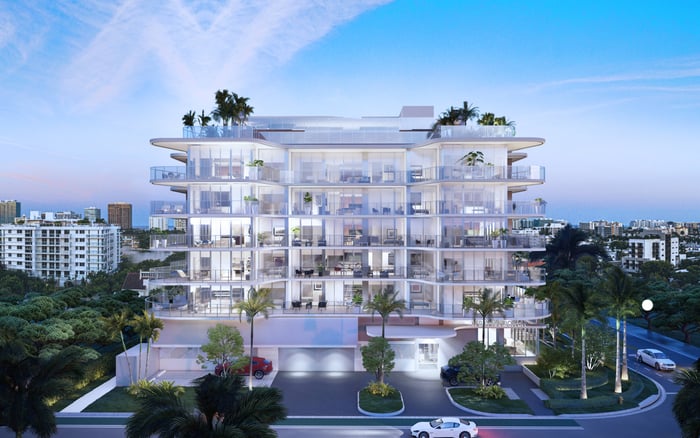
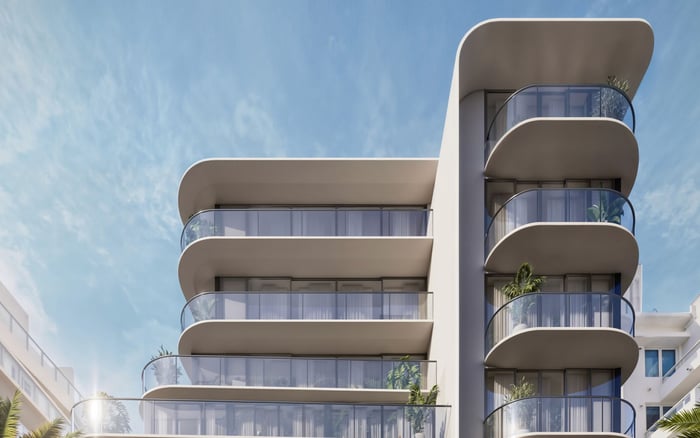
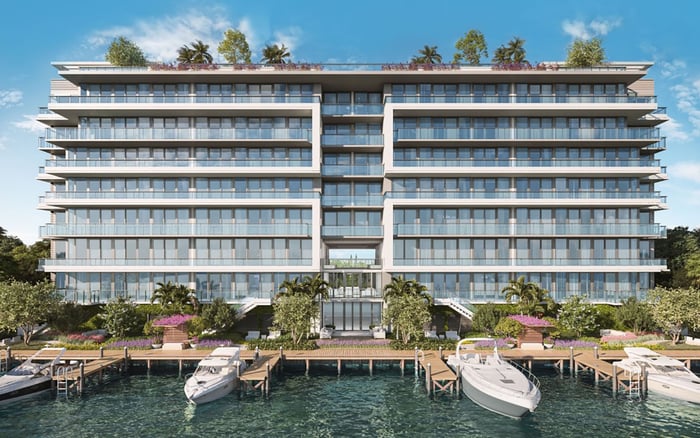
A practical buyer’s guide to evaluating smart-lock and access-control questions at Alana Bay Harbor Islands, with emphasis on credential transfer, auditability, guest access, failover planning and closing-day documentation.
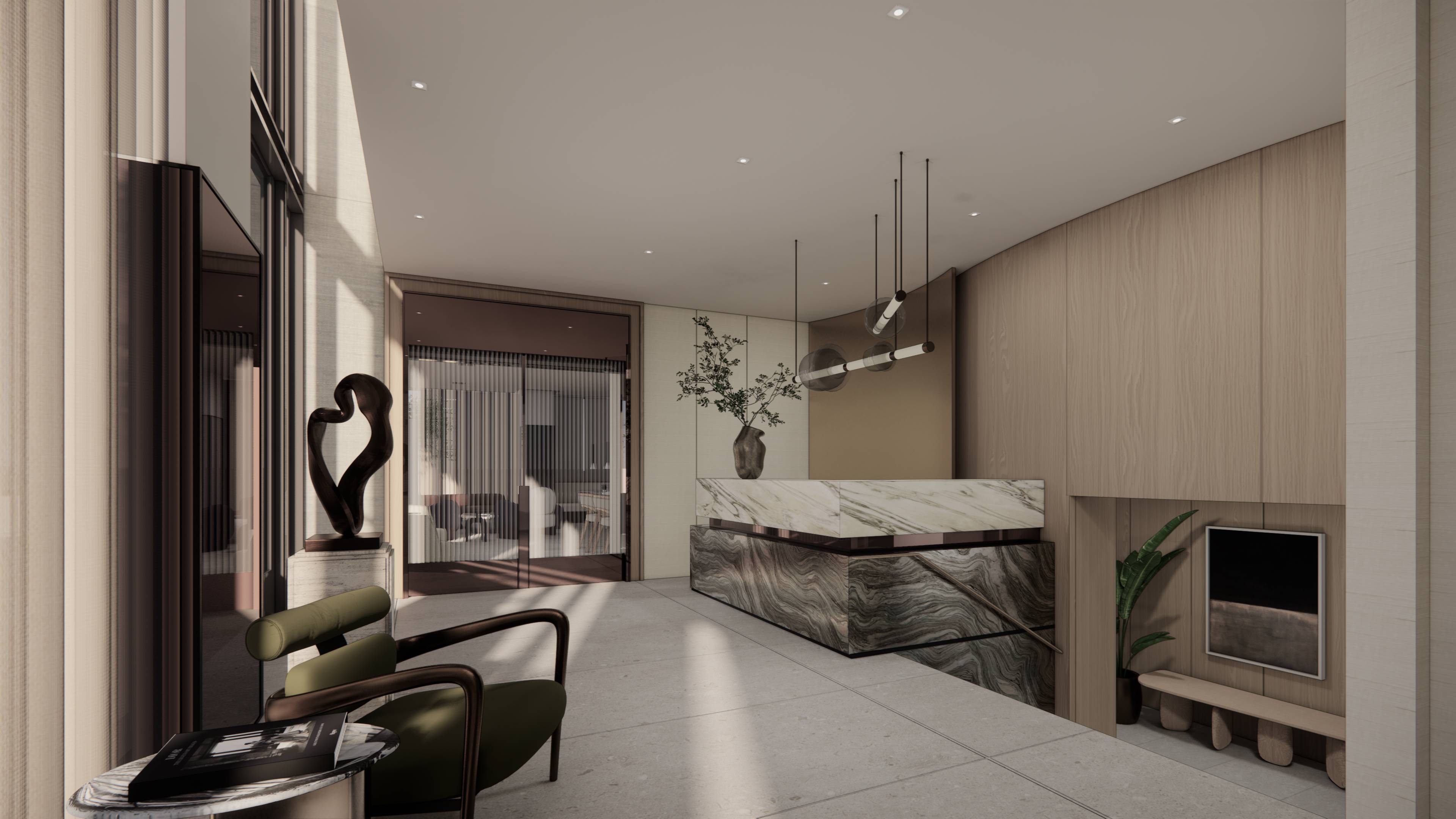
At Alana Bay Harbor Islands, the most relevant smart-lock conversation for a 2026 buyer is not about the promise of futuristic hardware. It is a practical question of control: who can enter, how credentials are issued, what happens when ownership changes, and how quickly access can be revoked. These are now part of the luxury ownership experience.
That distinction matters. A residence can be beautifully designed, privately located, and elegantly serviced, yet still leave a buyer exposed if digital access is treated as an afterthought. The proper lens is not gadgetry. It is stewardship. For a buyer evaluating Alana Bay Harbor Islands in Bay Harbor Islands, smart-lock diligence should be handled with the same care as title review, insurance, association documents, and closing logistics.
Because specific access-control features should never be assumed, the intelligent buyer’s posture is simple: ask for written clarity. The strongest answer is not a sales phrase. It is a protocol.
In South Florida’s premium condominium market, access is no longer limited to a brass key or a fob at the front desk. Residents may interact with unit doors, elevators, garages, amenity spaces, package rooms, service corridors, and guest permissions through layered systems. Even when the technology itself remains invisible, its management shapes privacy, security, convenience, and resale confidence.
For high-end buyers, the risk is rarely dramatic. It is administrative. A former owner’s credential that was not revoked. A guest code that remains active. A vendor profile that survives a renovation. A phone-based access credential tied to an old device. A package-room permission that was never reset. Each issue may seem small in isolation, but each belongs in the closing file.
The right test is not whether a building sounds advanced. It is whether the access ecosystem can be explained, documented, transferred, and reset without ambiguity.
The first question for Alana Bay Harbor Islands buyers is direct: what exactly changes hands at closing? A buyer should understand whether digital credentials are assigned to the owner, the unit, a resident profile, a device, or an administrator account. Those categories are not interchangeable.
If a credential follows a device, the buyer needs a reset procedure. If it follows an owner profile, the buyer needs confirmation that the seller’s profile is deactivated. If it follows a unit, the buyer should know who has authority to add or remove users after closing. The answer should address the unit door, amenity access, elevator access, garage entry, package-room access, and guest privileges.
This is especially important for second-home owners, who may rely on property managers, family members, designers, housekeepers, or visiting guests. Convenience is valuable only when revocation is equally convenient. A luxury access plan should make it easy to invite someone for a defined purpose and equally easy to end that permission.
A serious buyer should separate access into zones, rather than asking a general question about smart locks. The unit door is only the beginning. Elevators may have their own permission structure. Garages may require separate vehicle or fob credentials. Amenity spaces may operate on resident profiles. Package rooms may involve third-party delivery workflows. Guest access may be handled by the front desk, an app, temporary codes, or a concierge process.
For each zone, ask four questions: who can issue access, who can revoke it, whether activity is logged, and how access is transferred at closing. The answer may vary by zone, which is why a broad assurance is not enough.
The most elegant buildings make this feel effortless to residents. The most disciplined buyers still insist on understanding the mechanics behind that effortless feeling.
Audit logs can be useful, but they should be understood with nuance. A buyer may want to know whether entries are recorded for unit doors, common areas, elevators, garages, package rooms, and guest credentials. The buyer should also ask who can view those logs, how long they are retained, and whether an owner can obtain records when a concern arises.
This is not merely a security question. It is a privacy question. A system that records access activity should have clear rules around visibility and control. The building, the owner, management, and vendors may each have different roles. A discreet luxury environment should not require residents to guess where their movement data lives or who can access it.
The goal is balance: enough visibility to investigate an issue, enough restraint to protect resident privacy.
Every smart-access conversation should include the least glamorous scenario: what happens when something fails? Buyers should ask how unit entry works if a phone is lost, a battery dies, a network is unavailable, or a power interruption affects common-area systems.
A polished answer should distinguish between routine inconvenience and emergency access. It should explain manual override procedures, front-desk or management protocols, battery replacement responsibility, and after-hours support. If access to elevators, garages, or amenities depends on digital credentials, buyers should understand the contingency plan for each.
The point is not to assume failure. It is to confirm that failure has been anticipated. In a boutique residence, the expectation is not only privacy and design, but also operational grace under pressure.
For many Bay Harbor Islands buyers, the household ecosystem is sophisticated. Guests may arrive while the owner is away. Designers may need short-term access. Housekeepers, dog walkers, nurses, chefs, tutors, or property managers may require recurring access. The most important word is duration.
A buyer should ask whether guest credentials can be temporary, recurring, limited by time of day, limited by area, or revoked instantly. A staff credential should not automatically equal full-building freedom. A contractor working in the unit should not necessarily retain access after the project ends.
For investment-minded owners, the question becomes even more sensitive. Even when a residence is intended primarily for personal use, future leasing, resale, or family-office management may depend on clean access records and simple credential administration. The buyer who documents the system early avoids confusion later.
A practical smart-lock inquiry for Alana Bay Harbor Islands should be concise, written, and attached to the broader due-diligence process. Ask who administers access. Ask what the owner controls directly. Ask what management controls. Ask whether vendors have administrative privileges. Ask how former credentials are removed at closing. Ask whether the buyer receives a clean credential reset after the transaction.
Then ask for the process in plain language. A buyer does not need to become a cybersecurity engineer to evaluate a residence. The buyer needs to know whether the building can describe its own access environment with confidence.
For search discipline, a buyer’s file may identify the review as Alana Bay Harbor Islands, Bay Harbor, new-construction, boutique, investment, and second-home access diligence. The labels matter less than the habit: turning a lifestyle feature into a documented ownership control.
Smart access should disappear into daily life. The owner should arrive, enter, host, receive deliveries, and move through the property without friction. Yet the system behind that ease should be legible when it matters.
For 2026 buyers, the best approach to Alana Bay Harbor Islands is neither skepticism nor assumption. It is disciplined curiosity. Confirm the protocols, document the transfer, reset the credentials, and understand the points of control. In a refined residential setting, technology should not call attention to itself. It should quietly protect the life being lived behind the door.
Does the available information confirm a specific smart-lock system at Alana Bay Harbor Islands? No. Buyers should treat smart-lock details as items to verify directly during due diligence.
What is the first access-control question a buyer should ask? Ask how all credentials are transferred, revoked, and reset at closing for the unit and shared areas.
Should buyers review only the residence door lock? No. The review should include elevators, garage access, amenities, package rooms, guests, and service access.
Why are audit logs important? They can help clarify access events, but buyers should also understand who can view them and how long they are kept.
What should second-home owners focus on? They should focus on guest, staff, and property-manager permissions that can be limited and revoked cleanly.
Is smart access mainly a convenience feature? It is convenient, but for luxury buyers it is also a privacy, security, and closing-control issue.
What should happen immediately after closing? The buyer should request confirmation that prior owner, guest, staff, and vendor credentials have been removed.
Should buyers ask about power or network failures? Yes. Offline entry, battery procedures, manual overrides, and after-hours support should all be clarified.
Can a buyer rely on broad claims about advanced technology? No. Specific procedures and written answers are more useful than general descriptions.
What is the most important smart-lock takeaway for 2026? Treat access control as part of ownership transfer, not as a decorative amenity.
For a tailored shortlist and next-step guidance, connect with MILLION.
If branded residences are on your mind — as a home or as an allocation — we would be glad to share what we are seeing, privately.
Begin a quiet conversation