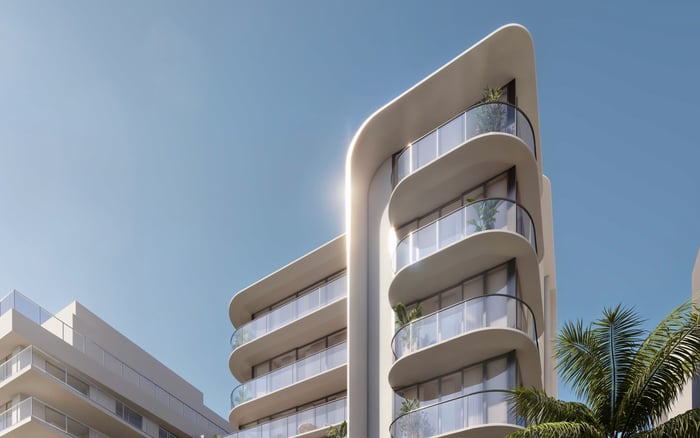
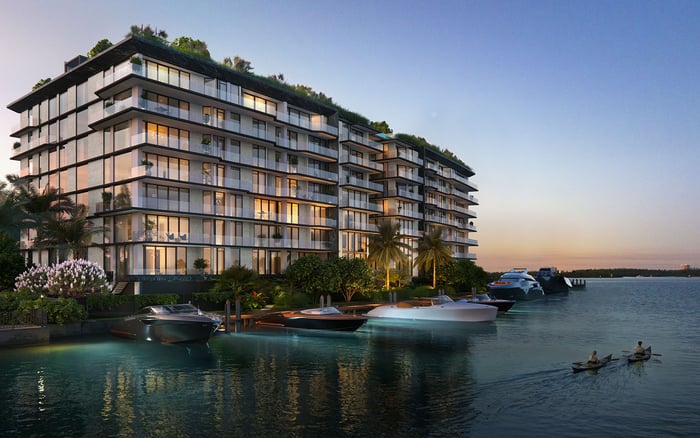
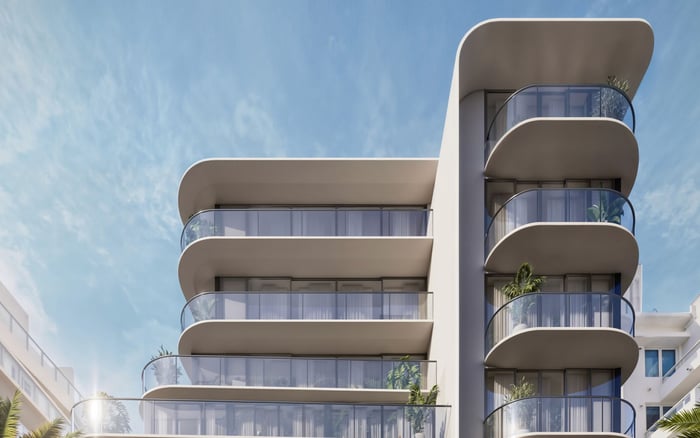
A buyer-focused review of Mila Bay Harbor Islands as a pre-construction reservation, with emphasis on waterfront positioning, contract diligence, ownership costs, views, amenities, and resale assumptions.
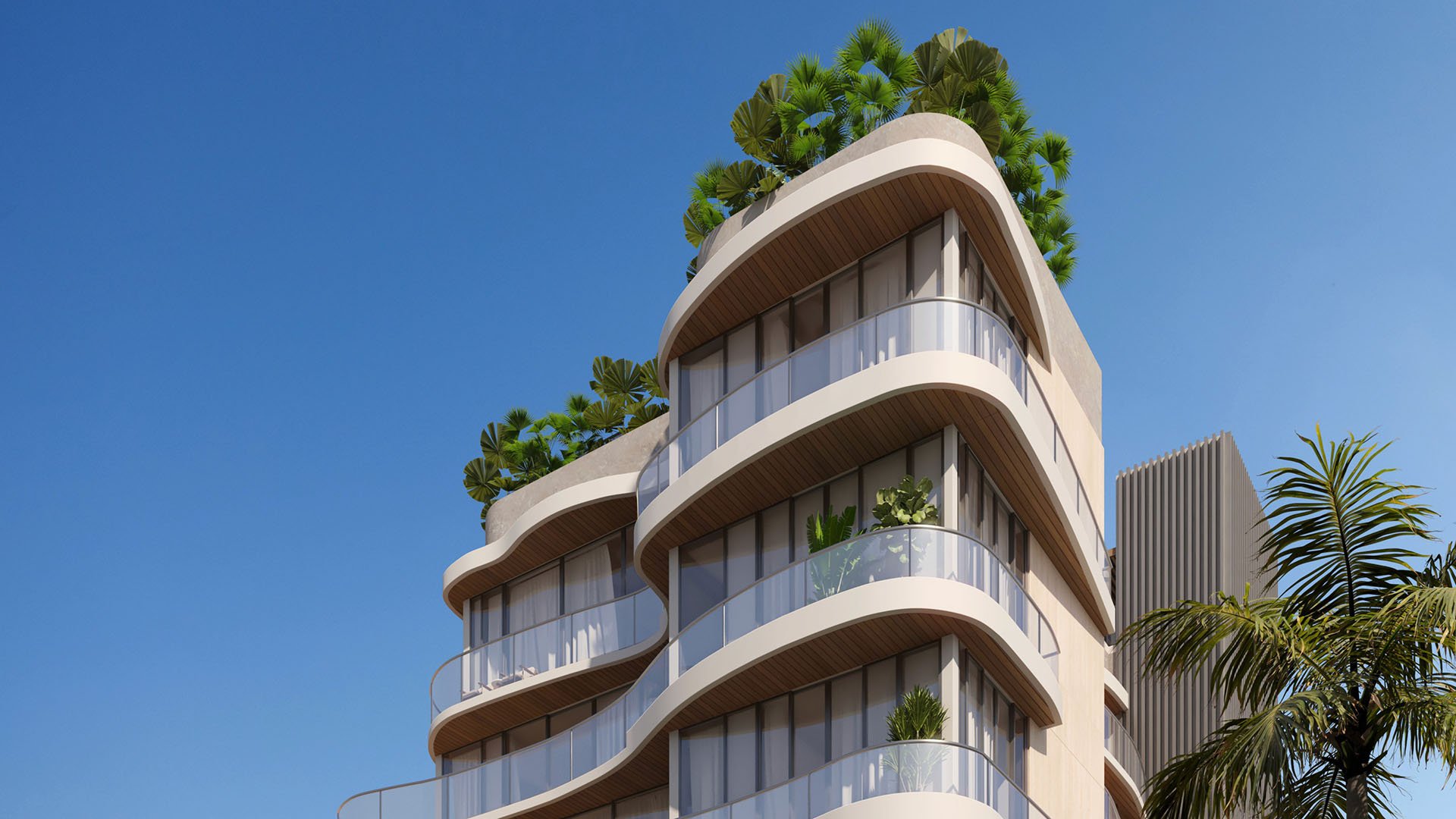
Mila Bay Harbor Islands should be approached first as a pre-construction condominium reservation, not as a conventional purchase of completed inventory. That distinction matters. At the reservation stage, buyers are evaluating renderings, floor plans, amenity promises, price guidance, and a lifestyle narrative before every operating detail has been tested in practice.
For a luxury buyer, the opportunity is clear: early positioning in a boutique Bay Harbor Islands project. The responsibility is equally clear: deposit only after reviewing the legal, financial, construction, and operating risks that may shape the final ownership experience. Sophisticated buyers do not mistake an elegant sales presentation for a complete diligence file.
In practical terms, Mila Bay Harbor Islands belongs in a focused conversation about Bay Harbor, pre-construction, boutique scale, water-view expectations, investment discipline, and Surfside adjacency. Each theme carries implications for pricing, daily use, exit strategy, and long-term carrying costs.
Mila is positioned in Bay Harbor Islands, a Miami-Dade enclave near Bal Harbour and Surfside. Buyers should be precise about the kind of waterfront or water-view setting they are evaluating, because bayfront and oceanfront residences can appeal to different resale audiences.
A bayfront setting may offer water outlooks, a quieter residential rhythm, and proximity to surrounding coastal neighborhoods. It should not, however, be underwritten as interchangeable with oceanfront Collins Avenue inventory. Waterfront type can affect views, boating access, insurance exposure, rental demand, and the buyer pool at resale.
Comparisons should therefore be deliberate rather than broad. A buyer considering Mila may also study nearby Bay Harbor Islands alternatives such as Alana Bay Harbor Islands and Onda Bay Harbor, not to assume identical product, but to understand how boutique buildings in the area present water, scale, access, and amenities.
The most valuable question about any advertised water view is not only what is visible today. It is whether that view is protected, partially protected, or vulnerable to future nearby development. Buyers should request written clarification on view corridors and study the relationship between the residence, neighboring parcels, and applicable zoning context.
Bay Harbor Islands has a different scale and rhythm than larger tower corridors, but that does not eliminate the need for diligence. Building height, adjacent sites, permitted uses, and future construction can all influence privacy, light, outlook, and resale positioning. A residence with a prized water view may command a different premium depending on how durable that outlook appears to be.
Serious buyers should also visit the area at different times of day. Morning light, afternoon glare, evening reflections, traffic flow, and bridge movement all influence how a residence actually lives. A quiet sales-gallery moment is not a substitute for experiencing the neighborhood during peak seasonal conditions.
Reservation-stage buyers should ask exactly when a soft expression of interest becomes a binding purchase obligation. The deposit schedule, escrow protections, cancellation rights, and conversion point from reservation to purchase contract should be clearly understood before funds are wired.
The contract package should also be reviewed for construction timing, delivery assumptions, finish specifications, substitution rights, and remedies for delay. In a pre-construction setting, a buyer is purchasing a future promise. The documents determine how flexible that promise is for the developer and how protected the buyer is if circumstances change.
Finish schedules deserve particular attention. Buyers should request written clarification on what is included in the base residence price versus upgrades, decorator packages, furniture, technology, window treatments, and appliances. In the ultra-luxury market, the difference between included and available can be meaningful.
The condominium documents are where lifestyle becomes governance. Buyers should review the draft budget, association rules, rental restrictions, pet policy, parking rights, storage rights, and any marina or dockage terms if those features are relevant to the offering. If an amenity appears central to the building’s identity, the access rules and operating costs attached to that amenity should be understood before reserving.
Mila has been framed for reservation-stage consideration as a boutique, amenity-oriented project. That makes the amenity package important, but it also makes the budget important. A smaller building can feel more private, yet fixed operating costs may be shared across a narrower ownership base. Buyers should verify exact unit count, amenity scope, staff assumptions, access rules, and projected maintenance obligations.
If a hospitality or lifestyle layer is part of the marketing story, buyers should determine whether services are guaranteed, optional, separately charged, or subject to association approval after turnover. The question is not only whether a service sounds desirable. It is who controls it, who pays for it, and whether it can change.
For buyers accustomed to headline pricing, the stronger exercise is a full cost model. That model should include purchase price, association dues, insurance exposure, property taxes, reserves, maintenance, valet or service fees, and the possibility of special assessments.
Insurance and reserves deserve special scrutiny in coastal condominium ownership. A water-view or bay-adjacent address may carry different risk considerations than an inland residence, while a new building may still have operating unknowns until the association has lived through real budgets, real maintenance cycles, and owner turnover.
This is also where lifestyle and finance meet. A buyer using the residence seasonally may evaluate costs differently from a year-round end user. An investor will focus more heavily on rental rules, achievable demand, and resale liquidity. Both should test the numbers under conservative assumptions rather than ideal conditions.
Investors should stress-test rental and resale expectations against Bay Harbor Islands’ boutique-condo supply, competing new projects, and the narrower buyer pool for bayfront or water-view residences when compared with some oceanfront corridors. A smaller, quieter market can be attractive, but it may not provide the same depth of demand as larger high-rise corridors.
Rental restrictions are especially important. The difference between flexible leasing, long-term rentals only, limited seasonal use, or more restrictive policies can materially change an investment thesis. Buyers should confirm all rules in writing rather than rely on general market assumptions.
Resale strategy should also consider the likely future buyer. Mila may appeal to end users seeking a quieter residential setting, families prioritizing a neighborhood feel, and buyers who value access to nearby luxury retail without living directly in a high-intensity resort corridor. That is a distinct profile, and the purchase should be priced and selected with that profile in mind.
The daily geography of Mila is one of its defining considerations. Buyers should map proximity to Bal Harbour, Surfside, Miami Beach, and the mainland, then test drive times during peak season and bridge-congestion periods. A residence can be beautifully located on paper and still feel different in January traffic than it does during an off-peak tour.
For some buyers, this quieter island setting will be precisely the point. For others, a beachfront building or a more urban tower may fit better. Nearby comparisons such as The Well Bay Harbor Islands, ocean-proximate Surfside product, or Bal Harbour alternatives such as Rivage Bal Harbour can help clarify whether the buyer wants bayfront calm, oceanfront immediacy, or a more branded resort-style address.
The right answer depends on use. A primary resident may focus on schools, errands, bridge patterns, pets, parking, and storage. A second-home buyer may focus on arrival experience, service reliability, lock-and-leave convenience, and guest flow. A long-term holder may care most about operating discipline and durable resale appeal.
Before reserving, buyers should leave the sales process with answers to essential questions. What is the exact deposit schedule? Where are deposits held? What are the cancellation rights? When does the reservation become binding? What documents govern the final transaction? What is included in the base price? What can be substituted? What happens if delivery is delayed?
They should also clarify the projected association budget, reserve approach, insurance assumptions, rental policy, pet policy, parking rights, storage rights, amenity access, service charges, and any dockage or marina-related terms if applicable. None of these items diminishes the appeal of a luxury project. They define it.
Mila’s appeal is best evaluated with both imagination and restraint. The imagination sees the possibility of a refined residence in one of Miami-Dade’s quieter coastal enclaves. The restraint asks whether the documents, budgets, views, and operating structure support that vision over time.
Is Mila Bay Harbor Islands a completed condominium? Buyers should evaluate it as a pre-construction reservation and confirm all timing, contract, and delivery details before committing funds.
Is Mila oceanfront? Buyers should verify the exact site positioning and view conditions, because Bay Harbor Islands residences are not the same as direct open-ocean shoreline inventory.
Why does bayfront versus oceanfront matter? Waterfront type can influence views, boating access, insurance exposure, rental demand, and the resale audience.
What should buyers ask before placing a deposit? Ask about the deposit schedule, escrow protections, cancellation rights, and when a reservation becomes a binding purchase contract.
Are advertised water views guaranteed? Buyers should confirm whether views are protected, partially protected, or potentially affected by nearby future development.
What documents should be reviewed? Review condominium documents, draft budgets, association rules, rental restrictions, pet policies, parking rights, storage rights, and any dockage terms if applicable.
How should buyers model ownership costs? Include purchase price, association dues, insurance, taxes, reserves, maintenance, service fees, and possible special assessments.
What if hospitality-style services are marketed? Confirm whether services are guaranteed, optional, separately charged, or subject to association approval after turnover.
Is Mila better for end users or investors? It may suit either, but end users should test lifestyle fit while investors should stress-test rental rules, resale depth, and buyer demand.
What should be clarified about finishes and upgrades? Buyers should obtain written detail on what is included in the base price versus upgrades, furniture, technology, window treatments, and appliances.
When you're ready to tour or underwrite the options, connect with MILLION.
If branded residences are on your mind — as a home or as an allocation — we would be glad to share what we are seeing, privately.
Begin a quiet conversation