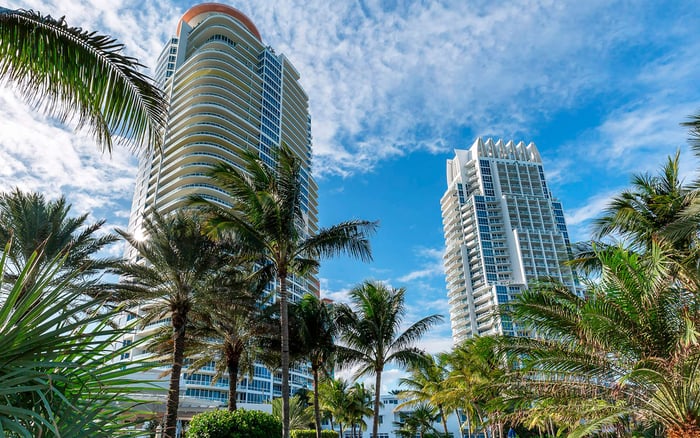
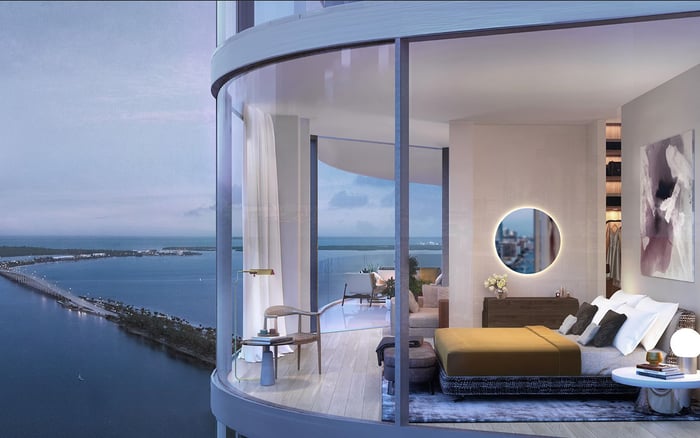
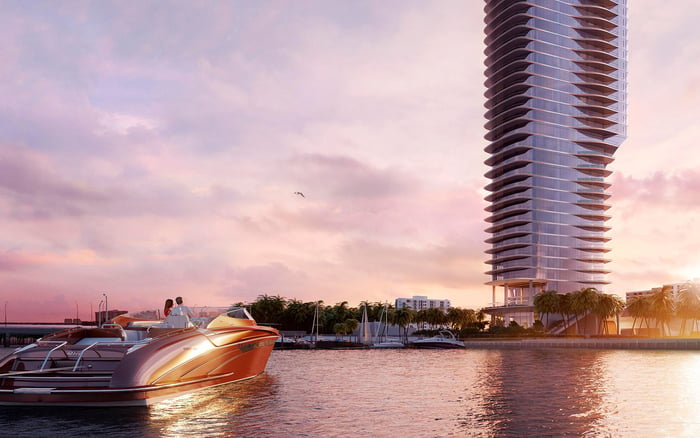
For South Florida’s high-end buyer, the condo-versus-townhouse decision is less about bedrooms and more about control, maintenance, privacy, and governance. Luxury condos can excel as turnkey, lock-and-leave residences with staffed amenities, while townhouses can deliver a more house-like lifestyle with fewer shared systems and typically greater autonomy. Florida’s evolving condominium inspection and reserve environment has also raised the bar for condo due diligence, making the governance and financial health of an association a central part of the purchase.
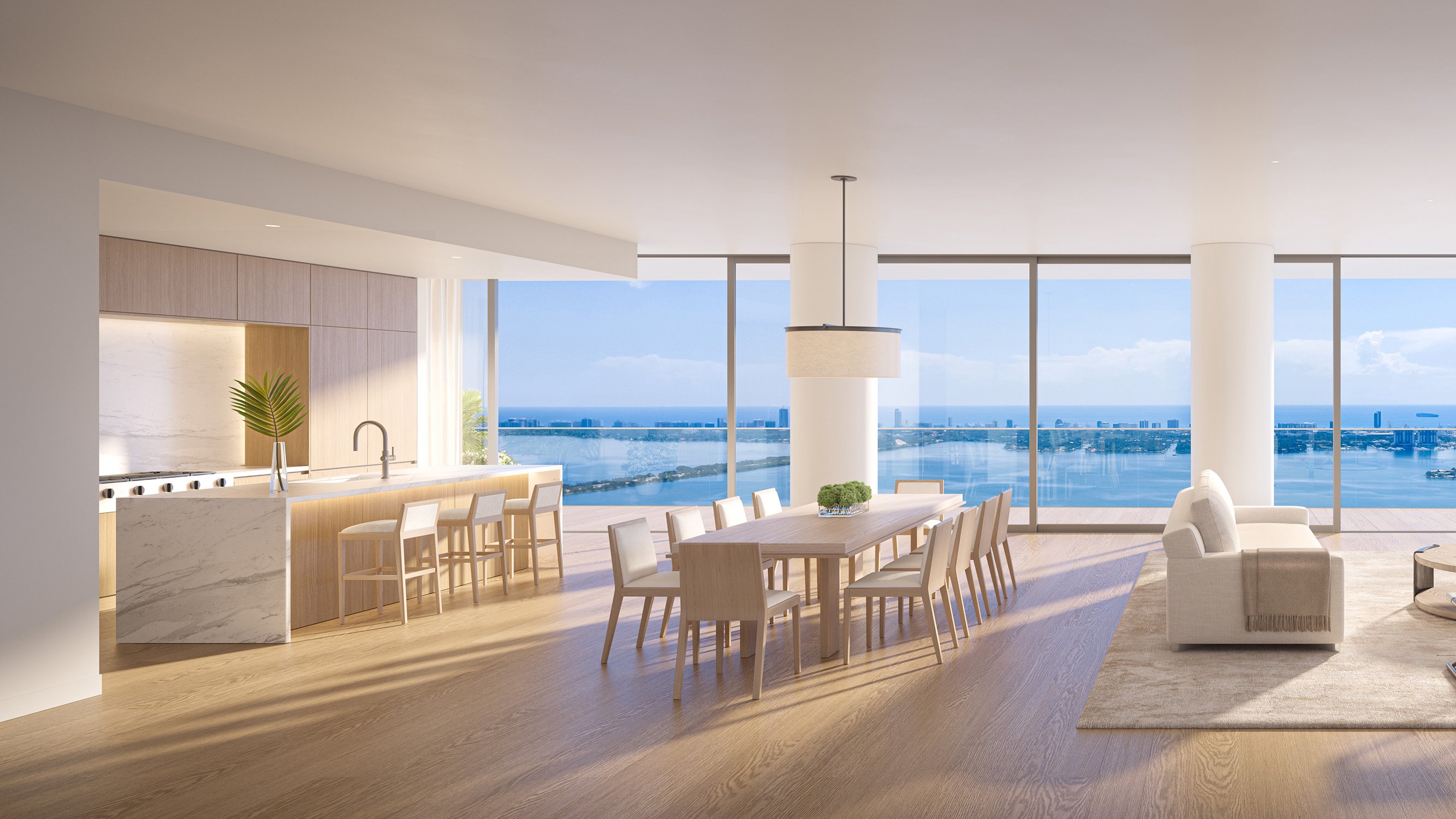
In South Florida, “luxury” is no longer a single aesthetic. It spans a range of living models-from full-service towers with curated amenity decks to ground-oriented residences that echo the intimacy of a single-family home. For most high-end buyers, the condo-versus-townhouse decision is less about bedrooms and more about governance, maintenance exposure, privacy, and how you truly use the home: primary residence, second-home, or a true lock-and-leave base.
A condominium typically means you own the interior of your unit, while the building’s common elements-roof, exterior, lobbies, elevators, and grounds-are owned and managed collectively by the condominium association. That structure can be ideal when you want the building to handle the heavy lifting: operations, staffing, and long-term upkeep.
Townhouses, by contrast, are often owned fee simple, which generally gives the owner control over the home and sometimes the land. Many still sit within an HOA framework that regulates the community’s look and feel, but the lived experience tends to read more “house-like”: direct entry, more separation, and a clearer line around what you personally control.
Luxury buyers are often surprised by how differently responsibility is allocated.
With a condo, the association typically handles exterior and common-area maintenance, while you focus on the interior. For buyers who prioritize travel, multiple residences, or minimal day-to-day upkeep, this can feel elegantly straightforward. It also means your monthly assessments cover more than amenities-they underwrite ongoing operations and, in many cases, major future replacements.
A townhouse usually shifts more responsibility back to the owner. Even when an HOA exists, townhouse owners often carry more exterior-maintenance responsibility than condo owners, with the HOA covering only limited shared items. The upside is a clearer view of what is yours to plan for, and often fewer building-wide systems shared with hundreds of neighbors.
In practical terms, the condo trade is typically higher recurring shared fees in exchange for outsourced maintenance. The townhouse trade is often lower shared overhead, paired with greater individual responsibility when major repairs arise.
In the luxury segment, privacy is felt-not merely advertised. High-rise living often delivers controlled access, staffed lobbies, and building-managed amenities and services. For many buyers, that is the point, especially when security and seamless day-to-night logistics matter.
The tradeoff is proximity. High-rise buildings typically mean more shared walls and vertical neighbors, which can increase noise and compress perceived privacy compared with ground-oriented options. Even exceptionally built towers are still shared environments, and your day-to-day experience is shaped by neighbor behavior, building rules, and how common spaces function.
Townhouses can offer a different kind of discretion. With no one living above or below, townhouses often provide more separation from neighbors than a condo unit-supporting a quieter feel and reducing noise transmission. The arrival experience is also more personal, often defined by a direct entry rather than a shared corridor.
If your definition of luxury is quiet control and a home-like cadence, a Townhouse lifestyle can be compelling. If your definition is service, views, and a managed environment, a condo may be the more natural fit.
Rules and recurring costs are not inherently negative-they are the price of a specific standard.
Condo HOA fees commonly fund shared amenities and building operations, and they can be substantial in a full-service setting. Townhouse HOA dues, when applicable, are often lower because the property type typically has fewer shared systems. For luxury buyers, the real nuance is not the number itself, but what it delivers: staffing, security layers, shared infrastructure, and the predictability of outsourced maintenance.
Customization is another key divider. Condos can restrict renovations and alterations more than townhome ownership structures, which can limit autonomy. That does not mean you cannot renovate a luxury condo. It means the process is often more curated-approvals, permitted work windows, and limitations designed to protect common systems and the neighbor experience.
Townhouses can feel more flexible, but HOAs may still regulate exterior changes, architectural elements, and even landscaping choices. The real question is simple: how much governance are you willing to accept in exchange for a cohesive community and protected resale appeal?
In today’s South Florida market, condo due diligence has evolved. Post-Surfside reforms increased scrutiny and raised reserve and inspection expectations for many condominium buildings-reshaping association budgets and influencing buyer decision-making.
A central component is the Structural Integrity Reserve Study (SIRS), required for many condos and intended to plan and fund major structural-item replacements over time. For a luxury buyer, this makes association “health” more than a formality. It becomes a forward-looking signal of how a building anticipates capital needs-and how costs may be shared.
Practically, this elevates the importance of reviewing:
The association’s financial posture and reserve approach.
The cadence and transparency of inspections and maintenance.
The board and management’s communication style.
Townhouses are not free from governance, but the risk concentrates differently. Instead of building-wide structural reserve planning, the owner often carries responsibility for the roof, exterior, and long-term capital expenditures. Some buyers prefer that direct control, particularly when they maintain properties as part of a broader portfolio.
South Florida’s luxury geography is fragmented in the best way: each neighborhood offers a distinct relationship to water, walkability, dining, and daily rhythm.
In Brickell, the luxury condo model thrives for buyers who want a turnkey base near business and social gravity. A tower environment can be a strategic choice for second-home owners who prioritize staffing and controlled access, and for those who want a polished arrival every time they return. In that context, residences like 2200 Brickell and Una Residences Brickell reflect the appeal of a managed lifestyle, where day-to-day operations are designed to stay invisible.
On Miami-beach, the condo experience can skew more resort-like, with an emphasis on beachfront living and a heightened premium on privacy, service, and a sense of retreat. Buyers seeking a quieter, more residential feel within a coastal setting may gravitate toward boutique-scale options such as 57 Ocean Miami Beach, where the value proposition often blends discretion with proximity to the ocean.
In Coconut-grove, the conversation often shifts. Buyers frequently look for an established, intimate neighborhood where architecture reads as residential rather than purely vertical. For those drawn to a more grounded lifestyle, Arbor Coconut Grove can serve as a reference point for the design-forward, neighborhood-integrated living many Grove buyers seek.
Even at the ultra-premium end, value still matters. Equity and appreciation outcomes can differ between condos and townhomes based on market conditions and region-which is why local comparables and micro-market supply are decisive.
Condos can offer stronger liquidity in certain neighborhoods because the buyer pool for turnkey, lock-and-leave residences is broad. South Florida also attracts global demand, and international buyers represent a meaningful share of transactions. Many of these buyers prefer condos for convenience and maintenance simplicity, which can support demand for well-run buildings with strong service profiles.
Townhouses can behave differently. Their relative scarcity in certain prime areas can be supportive, and the lifestyle often tracks closer to single-family living without the full footprint of a detached home. But the buyer pool may be more specific, and pricing is often more sensitive to immediate neighborhood context, parking, private outdoor space, and the quality of separation from neighbors.
In both cases, luxury thresholds have climbed to record highs in 2025, underscoring why a purchase is increasingly a strategic commitment as well as a lifestyle decision. When pricing is elevated, governance quality, maintenance planning, and resale positioning matter more-not less.
Use this simple framework to choose with confidence:
If you travel often or maintain multiple residences, a condo’s maintenance-light model and building-managed services can be the cleanest fit.
If you want a house-like feel without vertical neighbors, a townhouse can deliver privacy and a more personal arrival, with fewer shared systems.
If you dislike committee-based decisions, be realistic about condo governance. Even the best-run associations are collaborative by nature.
If you like controlling your own capex, a townhouse can concentrate decisions in your hands, but it also concentrates responsibility.
If you plan to renovate aggressively, understand approval pathways. Condos may offer less latitude and more process; townhouses may offer more flexibility while still being subject to HOA exterior rules.
Luxury in South Florida ultimately comes down to alignment. Choose the format that matches your tolerance for shared governance, your appetite for maintenance responsibility, and the specific lifestyle your neighborhood delivers.
What is the biggest practical difference between a condo and a townhouse? Condos typically include shared ownership of common elements managed by an association, while townhouses often give owners more direct control and responsibility.
Are condos really “lock-and-leave” in South Florida? Often, yes. Condo associations commonly handle exterior and common-area maintenance, which can simplify part-time living.
Do townhouses usually offer more privacy than condos? Many do, since there is typically no neighbor above or below, which can reduce noise and increase the sense of separation.
Are condo HOA fees usually higher than townhouse HOA dues? They can be, because condo fees often fund building operations, staffing, and shared amenities; townhouse dues may be lower with fewer shared systems.
Can condo associations restrict renovations? Yes. Condos commonly have stricter rules and approval processes for alterations to protect shared systems and neighbors.
What should condo buyers pay special attention to in Florida right now? Inspection and reserve expectations have increased, and many buildings must complete a Structural Integrity Reserve Study to plan for major replacements.
Do townhouses have HOAs too? Sometimes. Townhouses can be fee simple while still being part of an HOA that regulates aspects of the community.
Is appreciation better in condos or townhouses? It varies by neighborhood and market cycle, so local comparables and supply dynamics matter more than the property type alone.
Why do many international buyers prefer condos? Condos often offer convenience, maintenance simplicity, and a turnkey lifestyle that suits part-time or multi-home ownership.
How do I decide if I should prioritize services or autonomy? If you value managed amenities and operations, lean condo; if you value control and a home-like feel, lean townhouse.
For a confidential assessment and a building-by-building shortlist, connect with MILLION Luxury.
If branded residences are on your mind — as a home or as an allocation — we would be glad to share what we are seeing, privately.
Begin a quiet conversation