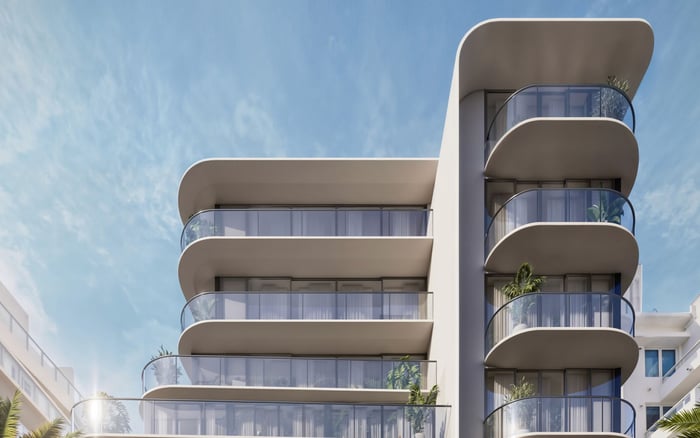
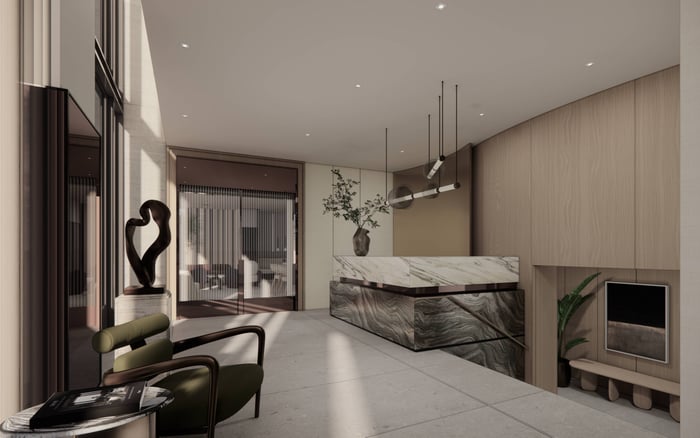
A buyer-focused comparison of Glass House Boca Raton, Alma Bay Harbor Islands, and Mila Bay Harbor Islands through the practical lens of absentee ownership, security protocols, package handling, and maintenance access.
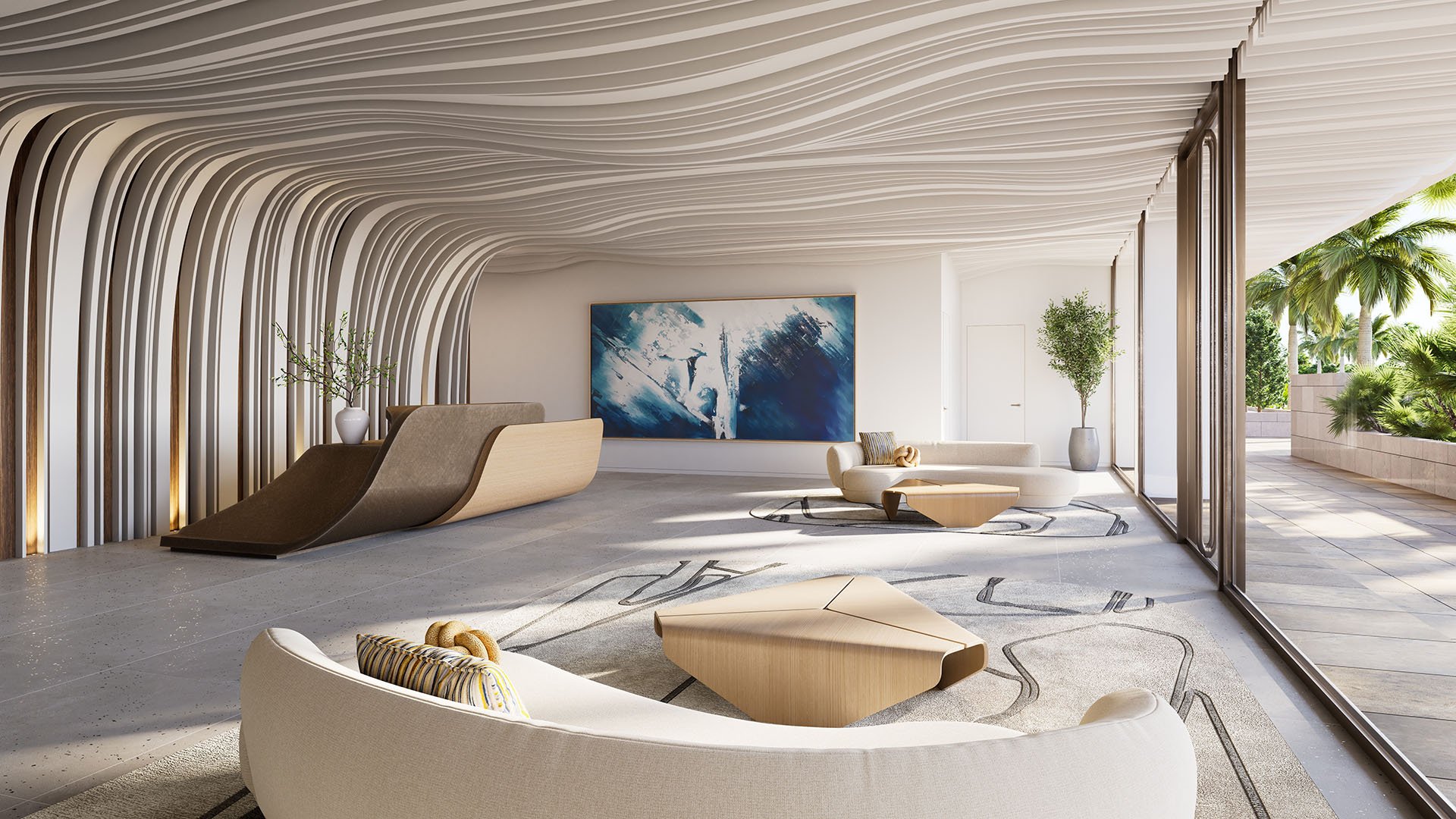
For South Florida buyers who live part-time, travel often, or maintain a pied-à-terre, the most important amenity is not always the most photogenic one. It is operational confidence. A residence can offer elegant architecture, appealing views, and a refined lobby, yet still feel vulnerable if deliveries accumulate, vendors are loosely managed, or no one can clearly explain what happens when an owner is abroad during a leak, storm warning, or service appointment.
That is the useful lens for comparing Glass House Boca Raton, Alma Bay Harbor Islands, and Mila Bay Harbor Islands. The decision is not simply Boca Raton versus Bay Harbor Islands, and it is not only a matter of finishes or amenity mood. It is a question of how each building is governed, staffed, budgeted, and documented for owners who are not always present.
The Bay Harbor shorthand may be convenient, but it should not replace building-by-building diligence. For a second-home buyer, a boutique label becomes an advantage only when new-construction governance is equally disciplined. Investment logic also changes when absentee operations are strong, because fewer surprises can mean a more predictable ownership experience.
Glass House Boca Raton is the Boca Raton comparator in this trio, and it naturally appeals to buyers who prefer the city’s established luxury-residential rhythm over the smaller Bay Harbor Islands setting. Boca Raton often speaks to owners who want a mature, composed environment, with a quieter sense of permanence around the second-home lifestyle.
The key question is whether the building’s operating model matches the buyer’s expectation of lock-and-leave ease. Glass House Boca Raton is framed as a boutique, design-forward luxury condominium rather than a large full-service tower. That distinction matters. A boutique building can feel more private, more personal, and more residential, but buyers should not assume a hotel-like staffing model unless it is clearly documented.
For Glass House, practical diligence begins with owner absence. How is the building secured when residents are away for weeks or months? Who receives deliveries? What is the process for granting access to a housekeeper, installer, designer, or emergency contractor? How are entries recorded? Most importantly, which services are funded through the association budget, and which remain private responsibilities arranged by the owner?
A serious buyer should review projected condominium budgets and service contracts before treating any lock-and-leave feature as guaranteed. If the budget supports defined personnel, systems, insurance, and management procedures, the ownership experience may feel much more resilient. If the model is intentionally lean, that may still be attractive, but the buyer should price in private home-watch services, vendor coordination, and personal delivery management.
Alma Bay Harbor Islands and Mila Bay Harbor Islands share the same broad micro-market, so neighborhood preference alone is not enough to choose between them. When two buildings sit within the same Bay Harbor Islands context, the sharper comparison is operational. Which building has clearer visitor controls? Which has more precise vendor registration? Which has a better-defined process for entering residences when owners are away?
For Alma, diligence should focus on front-desk coverage, visitor screening, vendor access, and the procedures governing entry into private residences. Buyers should ask whether services are curated in a boutique sense, or whether the operating structure is closer to continuous, hotel-like coverage. There is a meaningful difference between a polished hospitality tone and a staffing model that is consistently funded, scheduled, and accountable.
Package handling deserves special attention at Alma because seasonal owners often generate irregular delivery patterns. Furniture, wardrobe shipments, wine, art-related items, design samples, and temperature-sensitive goods create different risks than ordinary parcels. Buyers should ask whether package rooms, concierge desks, or management offices are designed for absentee-owner volume, and whether there are clear rules for notification, storage, release, and liability.
Mila should be assessed with the same rigor, but the questions become especially pointed around access control and after-hours response. A lock-and-leave buyer should understand parking or valet procedures, guest authorization, vendor access, and what happens after normal desk hours. If a building has elegant amenities but ambiguous response protocols, the owner may still be dependent on ad hoc solutions at precisely the wrong moment.
Mila also calls for detailed package and maintenance questions. Does the building log deliveries? Are high-value items handled differently? What happens with oversized or refrigerated goods? Is there a documented chain of custody? For maintenance access, buyers should clarify key control, approved vendor lists, emergency-entry authorization, leak response, and owner notification standards. A graceful building should also be an orderly one.
The first test is security. Luxury lock-and-leave ownership depends on more than controlled doors. Buyers need to understand the full sequence: arrival, parking, lobby access, elevator access, guest approval, vendor credentials, after-hours coverage, and emergency escalation. The best answer is not necessarily the most elaborate one. It is the one that is written, funded, and consistently enforced.
The second test is package handling. In a primary residence, a missed delivery is an inconvenience. In a seasonal residence, it can become a chain of complications. The building should be able to explain whether deliveries are logged, where they are stored, who may collect them, how high-value goods are treated, and how owners are notified. If refrigerated or oversized deliveries are common for the buyer’s lifestyle, that should be discussed before contract, not after closing.
The third test is maintenance access. This is where lock-and-leave ownership becomes truly practical or quietly fragile. Owners should know who holds keys or access credentials, how entry is approved, whether vendors must be pre-registered, and how in-unit issues are documented. Storm preparation and post-storm inspection are especially important in South Florida. At Mila, buyers should clarify whether routine checks, storm preparation, and post-storm inspections are association services, management add-ons, or owner responsibilities. The same principle applies across the comparison: do not confuse availability with obligation.
Glass House Boca Raton may be the most intuitive fit for buyers who want a Boca Raton base with a polished, design-led condominium sensibility and a more established residential atmosphere. Its appeal is strongest when the buyer values privacy and boutique character, and is willing to verify, in writing, which absentee-owner services are built into the building’s operations.
Alma may appeal to buyers who want Bay Harbor Islands intimacy but still expect a clear front-of-house structure. Its success as a lock-and-leave residence depends on how well its boutique service promise translates into staffing, delivery capacity, visitor controls, and owner-away procedures.
Mila may suit buyers who want to examine the operational details closely, especially around access systems, package logs, vendor rules, and maintenance response. For an owner who travels frequently, Mila’s evaluation should be less about amenity comparison and more about whether every foreseeable absence scenario has an accountable process.
The most refined choice is the one that reduces improvisation. In this segment of the market, beauty opens the conversation. Governance closes it.
Is Glass House Boca Raton a lock-and-leave option? It should be evaluated as a luxury lock-and-leave option, especially for seasonal or pied-à-terre ownership, but buyers should verify the staffing and service model.
Should buyers assume hotel-level service at Glass House Boca Raton? No. It is best approached as a boutique, design-forward condominium, so service assumptions should be confirmed through budgets and operating documents.
How should Alma Bay Harbor Islands be evaluated? Focus on front-desk coverage, visitor controls, vendor registration, package capacity, and the procedures for entering residences when owners are away.
How should Mila Bay Harbor Islands be evaluated? Review access-control systems, parking or valet procedures, guest authorization, vendor access, after-hours response, and maintenance-entry protocols.
Is the Alma versus Mila decision mostly about location? Not entirely. Because both share the Bay Harbor Islands setting, the stronger comparison is governance, staffing, and operational policy.
What should seasonal owners ask about packages? Ask whether deliveries are logged, where items are stored, how high-value or oversized goods are handled, and how chain of custody is documented.
What should buyers ask about maintenance access? Ask who can enter the residence, how access is approved, whether vendors are pre-screened, and how the owner is notified after entry.
Are storm-related services automatically included? Not necessarily. Buyers should clarify whether storm preparation and post-storm inspections are association services, management add-ons, or owner responsibilities.
Why do condo budgets matter for lock-and-leave ownership? Budgets reveal whether staffing, service contracts, and operational systems are funded by the association or left for owners to arrange privately.
Which building is best for absentee ownership? The best fit is the building with the clearest written procedures for security, deliveries, maintenance access, and emergency response.
To compare the best-fit options with clarity, connect with MILLION.
If branded residences are on your mind — as a home or as an allocation — we would be glad to share what we are seeing, privately.
Begin a quiet conversation