A discreet buyer’s guide to the owner-only wellness amenities that matter most in South Florida’s luxury condo market, from recovery suites to quiet water rituals.
In South Florida’s luxury condominium market, wellness has become one of the most overused words in real estate. For discerning owners, the question is no longer whether a building offers a gym, a spa room, or a pool deck. The more precise question is whether those spaces genuinely support a private, restorative daily life.
Owner-only wellness amenities serve a different purpose than hotel-style spectacle. They should reduce friction, protect privacy, and create rituals that feel effortless before the first meeting, after a flight, or between family obligations. A beautiful room that is difficult to access, overscheduled, or shared too broadly may photograph well, but it rarely becomes part of an owner’s routine.
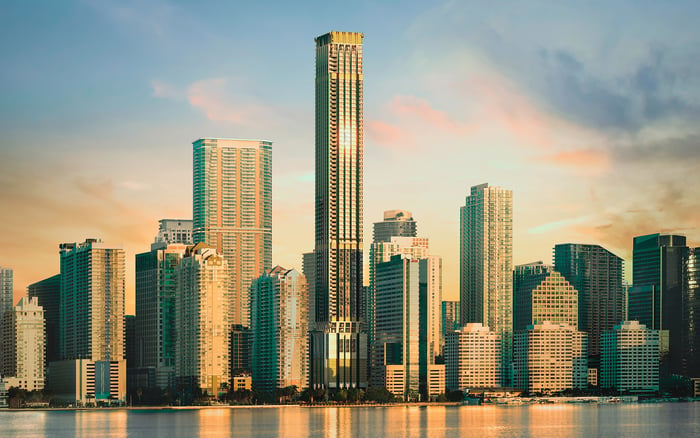
This lens applies across Brickell, Miami Beach, Sunny Isles, Surfside, and Coconut Grove, whether the most valued daily ritual is a quiet pool session, a focused training hour, or a place to recover without leaving home.
1. Private recovery suite - the restoration anchor
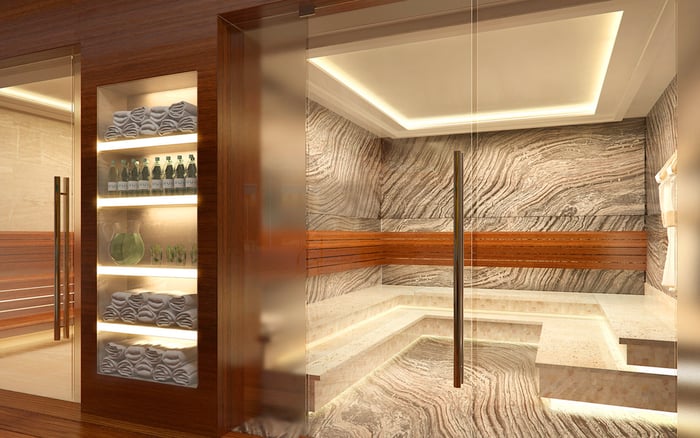
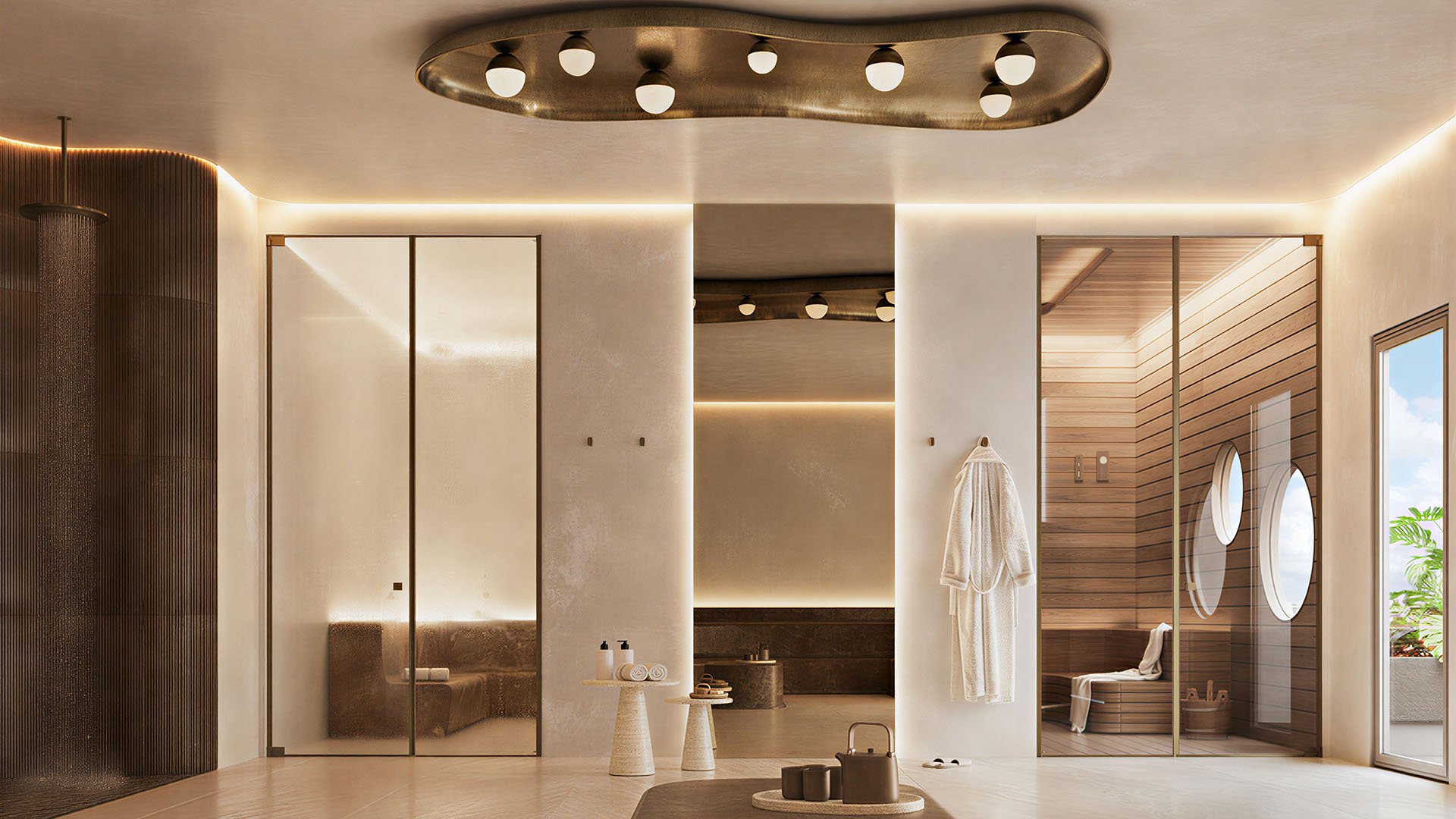
The most meaningful wellness amenity is often the one that helps an owner return to equilibrium. A private recovery suite can support the transition from travel, work, sport, or social commitments into calm. The point is not extravagance for its own sake. It is controlled access, quiet circulation, soft lighting, and a setting that allows the body to decompress without public exposure.
For buyers, the practical test is simple: can this space be used regularly without planning an entire afternoon around it? If the answer is yes, the suite becomes part of the residence’s lived value rather than a decorative line in a brochure.
2. Dedicated movement studio - the daily discipline space
A conventional fitness center may be useful, but an owner-only movement studio is more personal. It should support stretching, Pilates-style work, guided mobility, strength training, or private instruction without forcing every resident into the same loud, equipment-heavy environment.
The best version feels residential, not commercial. Ceiling height, acoustics, mirrors, flooring, ventilation, and privacy all matter. In a high-end condominium, the movement studio should be comfortable enough for a disciplined owner to use often, and elegant enough that wellness feels integrated into the architecture rather than added afterward.
3. Quiet water ritual - the sensory reset
Water is central to South Florida living, but not every water amenity supports wellness. A crowded pool deck can be social and enjoyable, yet it may not provide the restorative quality that owner-only wellness requires. A quieter water ritual, whether expressed through a serene lap setting, plunge experience, or shaded pool environment, gives owners a daily reset that feels both physical and emotional.
The difference is atmosphere. Sound, shade, seating, privacy, and the relationship between indoor and outdoor space determine whether a water amenity becomes a true wellness tool or simply another gathering area.
4. Treatment room with resident-first access - the convenience multiplier
A treatment room only matters if it is genuinely usable. The most effective owner-only approach prioritizes privacy, scheduling ease, and calm from arrival to departure. Owners should not feel as if they are navigating a public spa or borrowing a back-of-house space.
This amenity is especially valuable for residents who split time between homes, maintain demanding schedules, or prefer services without leaving the property. Its success depends less on decoration and more on operational discipline, including access control, circulation, storage, and the ability to host qualified practitioners discreetly.
5. Contemplative lounge or wellness garden - the mental reset
Wellness is not only physical. In luxury residential life, one of the rarest amenities is a quiet place to do nothing. A contemplative lounge, shaded terrace, or wellness garden can support reading, meditation, breathwork, or simply a few minutes away from screens and conversation.
This type of amenity is easy to underestimate because it is not equipment-driven. Yet for many owners, it may become the most used space in the building. Its value comes from proportion, landscape, silence, seating comfort, and the feeling that lingering is welcome rather than incidental.
The most successful wellness programs feel intentional from the moment an owner leaves the elevator. They are not hidden in leftover space, nor are they designed only for marketing photography. They should have a clear sequence: arrival, privacy, use, recovery, and return to residence.
Buyers should pay close attention to circulation. If the route to a treatment room requires passing through busy social areas, privacy is compromised. If a pool experience is constantly exposed to arrival traffic, it may feel more performative than restorative. If the fitness room is impressive but acoustically harsh, the daily experience may not match the visual promise.
Another useful measure is whether amenities serve different energy states. A true wellness program should offer movement, recovery, silence, and water. A building that only emphasizes exercise may miss the needs of owners who value longevity, sleep, stress reduction, and quiet.
Owner-only access is not about exclusion for its own sake. It is about preserving the character of residential life. In a primary or second-home setting, owners want amenities that feel familiar, calm, and available. When spaces become too transient or too public, they can lose the intimacy that makes them valuable.
This is particularly important in South Florida, where many luxury owners balance seasonal use, family visits, entertaining, and travel. An amenity that feels serene in February should not feel unavailable during peak season. The real test is consistency.
Staffing also matters. A wellness space can be beautifully designed, yet underperform if scheduling is unclear, towels are inconsistent, lighting is poorly managed, or access feels informal. At the highest level, service should be present but not intrusive. The owner should feel expected, not processed.
Before assigning value to a wellness amenity, experience it as you would actually use it. Visit at different times if possible. Stand in the recovery area and listen. Walk from the residence to the amenity level and note who you pass. Look for places to sit before and after a treatment. Consider whether the space supports solitude, or whether it constantly encourages visibility.
Ask yourself whether the amenity would change your weekly routine. Would you stretch there in the morning? Would you book a private session after travel? Would you use the water setting alone, not only with guests? Would you spend ten quiet minutes in the garden without checking your phone?
The best owner-only wellness amenities do not need to announce themselves loudly. They simply make the residence feel more complete.
What makes a wellness amenity owner-only? It is designed and managed primarily for residents, with access, privacy, and scheduling aligned to ownership rather than public or transient use.
Is a large fitness center always better? Not necessarily. A smaller, quieter movement studio can be more valuable if it supports consistent daily use and private instruction.
Why is privacy so important for wellness amenities? Privacy allows owners to recover, train, and reset without feeling observed, which is central to genuine residential comfort.
Should buyers prioritize spa spaces or pool areas? The strongest choice depends on personal routine. Many owners benefit most from a balance of recovery, movement, water, and quiet.
How can I tell if a pool supports wellness? Look for calm design, comfortable shade, controlled sound, and enough separation from high-traffic social areas.
Are treatment rooms valuable in a condominium? They can be highly valuable when access is simple, privacy is protected, and the room supports discreet in-residence services.
Do wellness gardens matter in South Florida condos? Yes. A quiet outdoor setting can provide a mental reset that equipment-based amenities cannot replicate.
What should I observe during a private tour? Notice circulation, noise, lighting, seating, staffing, and whether the amenity feels easy to use without advance effort.
Can owner-only wellness affect long-term desirability? It can, especially when the amenities support real daily routines rather than functioning as decorative marketing features.
What is the simplest rule for judging wellness amenities? If the space makes a healthy routine easier, quieter, and more private, it is likely doing meaningful work.
When you're ready to tour or underwrite the options, connect with MILLION.
If branded residences are on your mind — as a home or as an allocation — we would be glad to share what we are seeing, privately.
Begin a quiet conversation