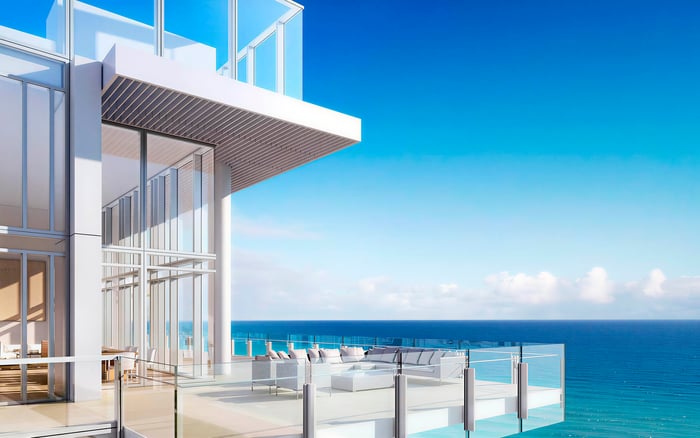
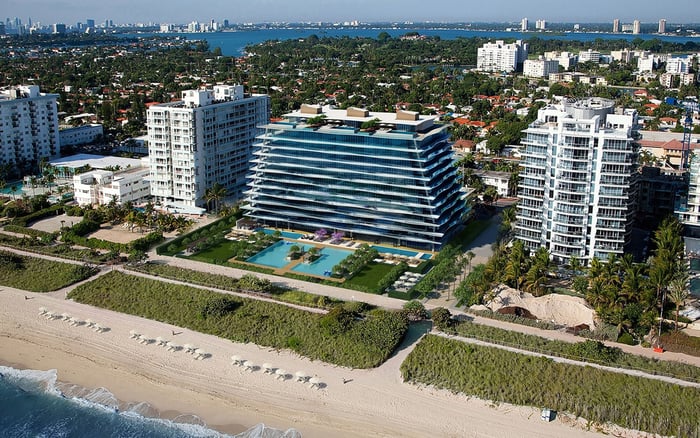
A discreet buyer’s guide to judging Surfside water views with year-round discipline, focusing on sightlines, light, balcony experience, privacy, and long-term livability.
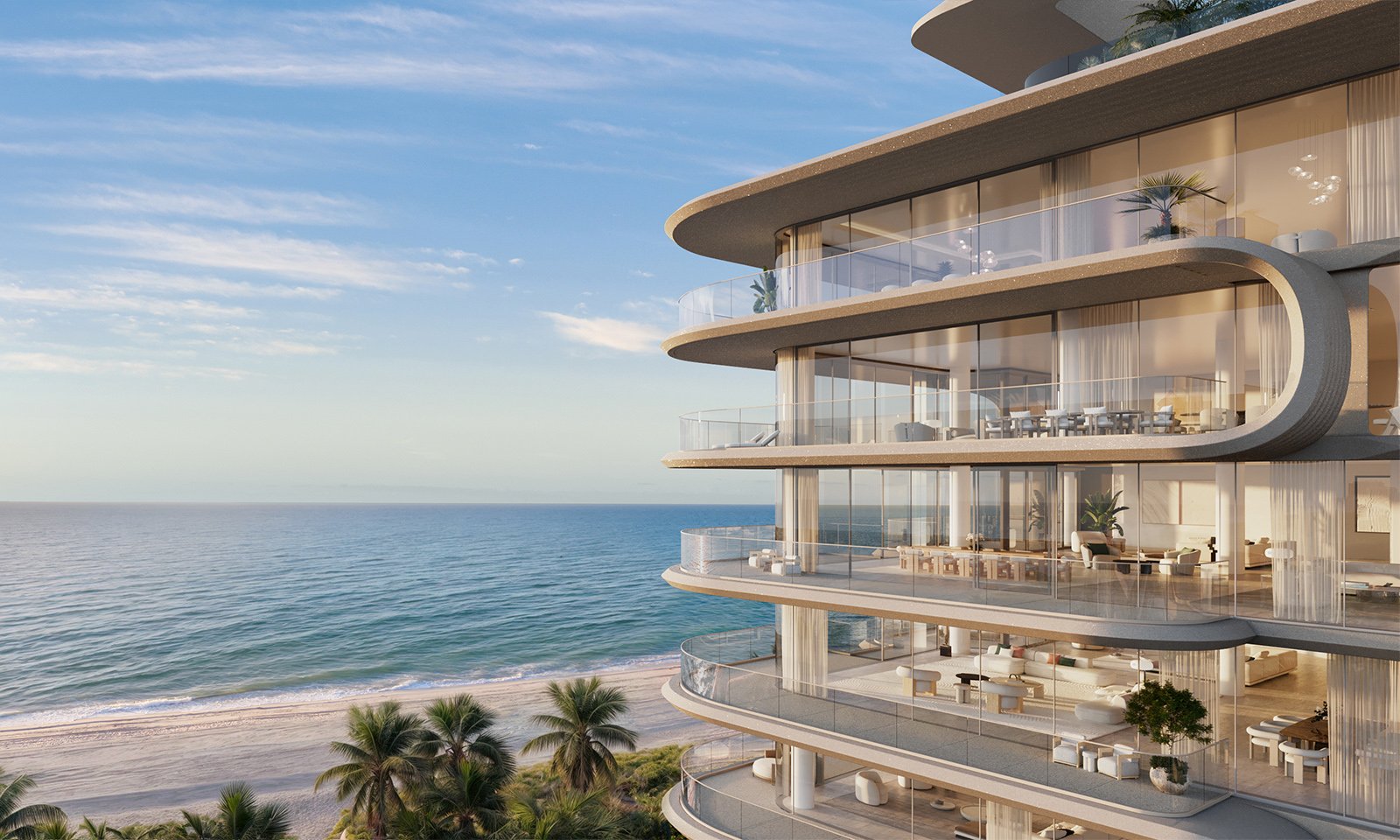
In Surfside, a water view can be the emotional center of a residence. It can also be misread in a single showing, especially when the appointment takes place in flattering light, with calm water and a clean horizon. The buyer’s task is not simply to confirm that water is visible. It is to decide whether the view will remain layered, legible, and rewarding through changing seasons, shifting weather, and ordinary weekdays.
A compelling year-round view offers more than blue water. It has depth, movement, privacy, proportion, and a clear relationship to the interior plan. It should feel meaningful from the primary living room, from the main bedroom, and from the places where life actually happens: the breakfast table, the reading chair, the kitchen island, and the terrace threshold. In Surfside, where quiet residential character is part of the appeal, the strongest water views balance oceanfront immediacy with composure.
Buyers comparing residences such as The Delmore Surfside should resist treating the view as a single photograph. It is better evaluated as a sequence of moments, from first light to evening reflection.
Many buyers look too far away first. The horizon matters, but the foreground often determines whether a view feels luxurious every day. A clean waterline, attractive landscaping, a dignified pool deck, or a quiet stretch of sand can make the lower portion of the frame feel composed. Visual clutter at close range, by contrast, may become more noticeable over time than the distant ocean.
Stand inside the residence and sit down before judging. A view that impresses while standing may flatten from a sofa or bed. Look through the glass from the natural seated positions in each room. If the lower edge of the window cuts off the water when seated, the view may be more architectural than livable. If the eye travels naturally from interior surfaces to terrace, then to water and sky, the residence has visual continuity.
This is where descriptive language needs discipline. A label such as Waterview is only the beginning. Buyers should ask what kind of water, how much of it, from which rooms, and at what angle. A narrow glimpse can be charming in the right context, but it should not be valued like a broad, sustained panorama.
A year-round water view is partly about light management. Morning brightness can feel energizing, but it may also create glare if the glass, overhangs, and interior finishes do not moderate it well. Afternoon light may warm the room beautifully or make the terrace difficult to use. Evening light can be the most revealing test, because it shows whether the residence retains atmosphere after the high drama of daytime water has softened.
If possible, visit at more than one hour. If not, ask for current video from different times of day, but do not rely on heavily styled imagery. Look for reflections on floors and cabinetry, the comfort of the seating areas, and whether window treatments become a constant necessity. If the shades must stay down through much of the day, the view may be technically present but practically compromised.
At addresses like Fendi Château Residences Surfside, the buyer should evaluate not only the water beyond the glass, but how the residence frames that water through scale, depth, and finish selection.
The terrace is not separate from the view. The Balcony determines how close the buyer feels to the water, how comfortably the residence can entertain, and whether the exterior experience works beyond the most temperate days. Depth matters. So do privacy from neighboring terraces, the height and transparency of railings, and the ease of moving from interior to exterior without disrupting furniture plans.
A balcony that only accommodates a brief standing moment may still add value, but it does not perform like an outdoor room. A deeper terrace can turn a water view into a daily ritual: coffee before appointments, a quiet call after dinner, or a long lunch with the horizon as background. For many Surfside buyers, that lived experience is more important than a dramatic photograph.
Noise and wind should also be evaluated with restraint. Open the doors, stand outside, and remain there long enough for the first impression to settle. The question is not whether the terrace feels perfect for five minutes. The question is whether it will be used often enough to justify the premium attached to the view.
Oceanfront views have undeniable power, especially when the horizon is clean and the water occupies a generous portion of the frame. Yet not every buyer wants the same intensity. Some prefer layered views that include water, sky, architecture, treetops, and neighborhood texture. A layered composition can feel more intimate and may remain interesting on cloudy days, when a pure blue horizon becomes subtler.
Surfside offers a particular advantage for buyers who value discretion: the market can feel intimate while still offering access to major coastal living. When comparing Arte Surfside with other residences in the area, buyers should consider whether the view supports the lifestyle they are actually buying, not merely the status they associate with the water.
The word Waterfront should be treated carefully. It may describe proximity, but it does not automatically describe quality of perspective. The better evaluation asks whether the water is central, peripheral, interrupted, shaded, overexposed, private, or shared.
Water views are not experienced in isolation. Neighboring buildings, terrace alignments, pool decks, beach paths, and illuminated interiors can all affect privacy. During the day, the eye may focus on the ocean. At night, the glass can become reflective, and nearby lights can enter the composition.
Buyers should return to the residence mentally after sunset. Does the view retain elegance when the water darkens? Are there pleasing lights in the distance, or does the residence feel exposed? Does the interior lighting create reflections that compete with the view? These questions are especially important for owners who entertain in the evening or use the residence primarily as a seasonal retreat.
At Ocean House Surfside, as with any coastal residence, the nighttime experience should be studied as carefully as the daytime view. Luxury is often revealed after the obvious moment has passed.
The most enduring view is not always the most theatrical. It is the one that feels balanced in bright sun, soft rain, passing cloud cover, and the quieter months when the beach and water take on a different mood. A buyer should ask: will this view still feel special on an ordinary Tuesday, without guests, without staged lighting, and without the urgency of a first showing?
Resale considerations follow the same logic. A view with broad appeal, comfortable exposure, usable outdoor space, and privacy may be easier to understand than a more extreme view with daily compromises. In the luxury market, buyers often pay for beauty, but they remain with comfort.
For Surfside, the ideal water view is neither generic nor overly dependent on perfect conditions. It should have a calm hierarchy: foreground, water, horizon, sky, and room. When all five work together, the residence becomes more than a vantage point. It becomes a private way of living with the coast.
What makes a Surfside water view compelling year-round? It should offer depth, privacy, usable outdoor space, and visual interest in different light and weather conditions.
Is an Oceanfront view always the best choice? Not always. Some buyers prefer layered views that include water, sky, landscaping, and neighborhood texture.
How many times should I view a residence before judging the water view? Ideally, visit at different times of day so you can understand glare, shade, privacy, and evening atmosphere.
Why does the foreground matter so much? The closest part of the view is often what you notice daily, especially from seated positions inside the home.
Should I evaluate the view while sitting down? Yes. A view should work from the sofa, bed, dining table, and other natural living positions.
How important is the Balcony to view quality? Very important. A well-proportioned balcony can turn a view into a daily outdoor living experience.
Can a Waterview be less valuable than it sounds? Yes. The term can describe anything from a partial glimpse to a broad, meaningful water composition.
What should I check at night? Look for privacy, glass reflections, neighboring lights, and whether the residence still feels serene after dark.
Does Waterfront location guarantee a superior perspective? No. Proximity to water matters, but angle, height, foreground, and privacy determine the lived experience.
What is the most important final test before purchasing? Ask whether the view will still feel rewarding on an ordinary day, not only during a perfect showing.
If you'd like a private walkthrough and a curated shortlist, connect with MILLION.
If branded residences are on your mind — as a home or as an allocation — we would be glad to share what we are seeing, privately.
Begin a quiet conversation