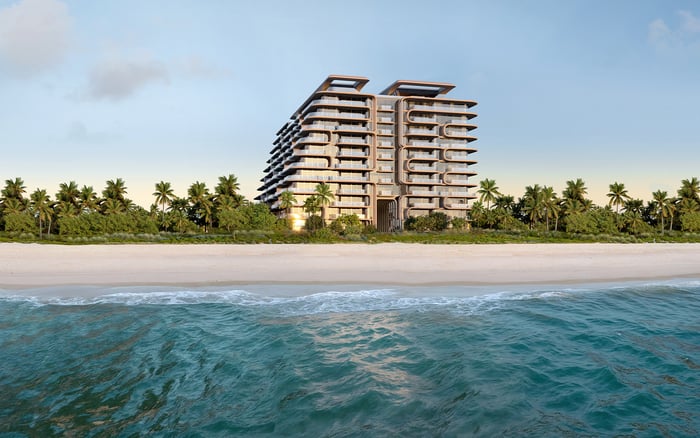
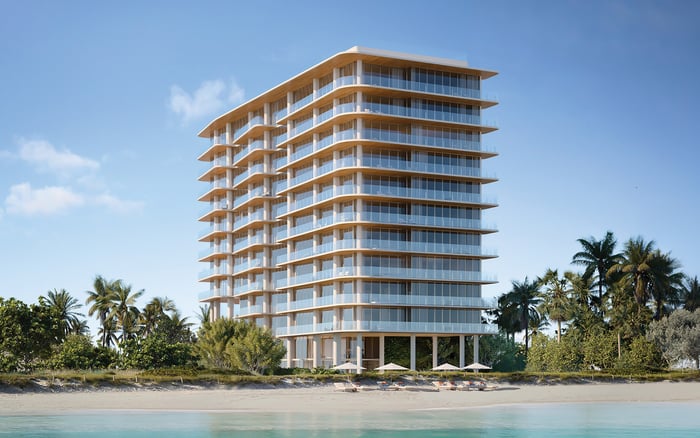
Onda Bay Harbor presents a boutique waterfront condominium model for seasonal owners who want South Florida access with fewer day-to-day ownership demands.
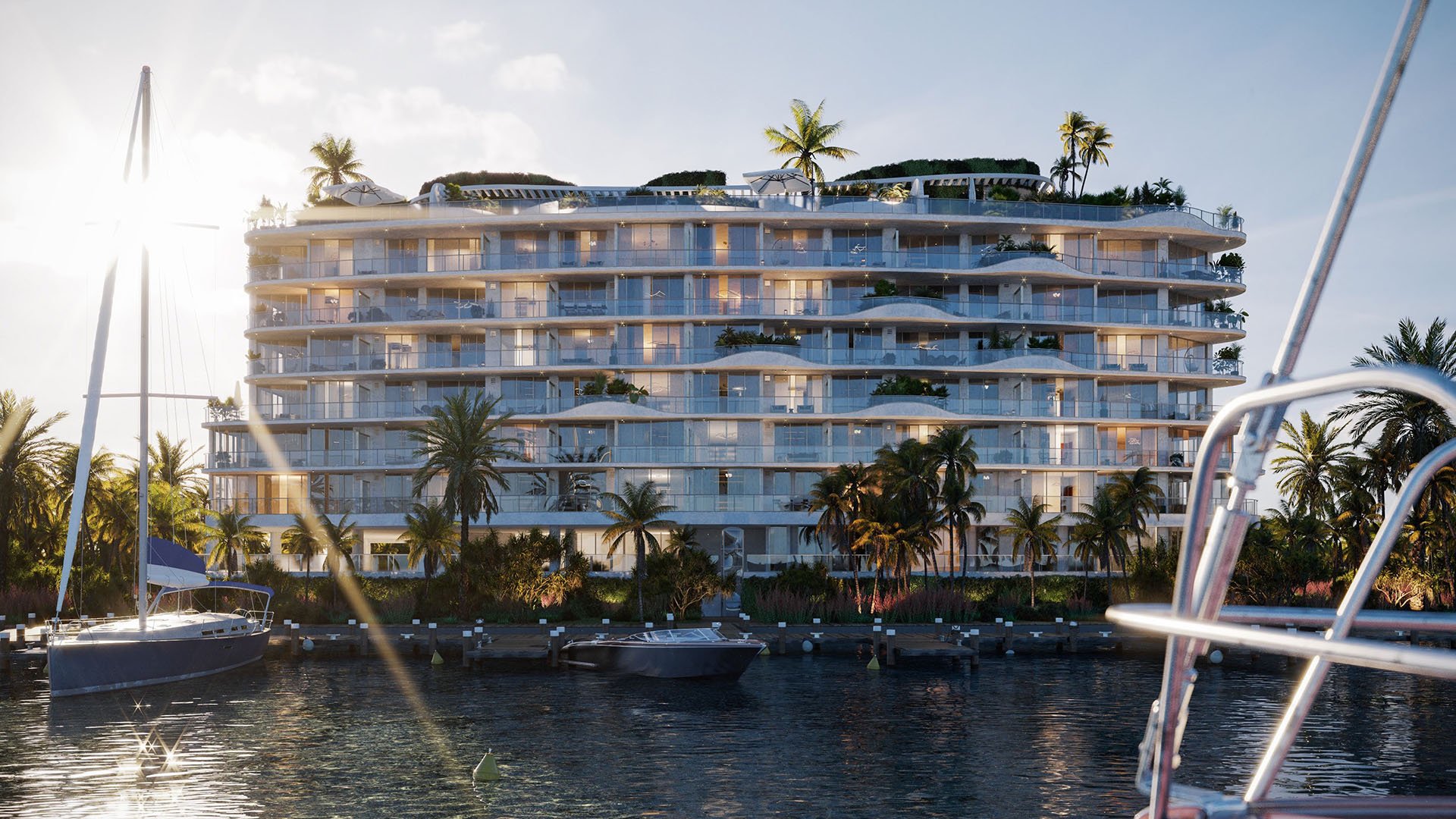
For many high-net-worth buyers, the South Florida residence is no longer a single-purpose vacation home. It is a strategic base used between primary cities, business travel, family visits, boating days, winter stays, and short-notice escapes. In that context, Onda Bay Harbor is best understood through a practical lens: a boutique waterfront condominium on Bay Harbor Islands designed around easy arrivals, refined living, and departures with fewer maintenance concerns.
The lock-and-leave premise matters because seasonal ownership is often judged less by square footage than by friction. A residence that requires constant coordination can start to feel like another operating responsibility. Onda Bay Harbor is framed for buyers who prefer a turnkey arrival experience over a hands-on second-home routine. The value is not only in the setting, but in the condominium format, which centralizes many of the tasks that can make single-family homeownership demanding when owners are away.
Boutique is more than a style preference in this segment. At Onda, the building’s smaller residential scale is part of the lock-and-leave value proposition. Seasonal owners often want discretion, predictability, and an environment that feels residential rather than anonymous. A privacy-focused model can be especially compelling for buyers who divide time between South Florida and other markets, because the residence must feel personal even when it is not occupied year-round.
That distinction separates the boutique condominium conversation from the larger luxury tower conversation. Bigger buildings may offer extensive amenity ecosystems, while a more intimate property can appeal to buyers who want a quieter rhythm and a stronger sense of residential calm. Nearby Bay Harbor Islands developments such as Alana Bay Harbor Islands reflect the same broader buyer interest in smaller-scale coastal living, where access and privacy carry as much weight as spectacle.
Waterfront ownership has a distinct emotional pull in South Florida. The outlook, light, breeze, and proximity to the water are core parts of the lifestyle proposition. Yet waterfront single-family homes can require a level of oversight that is not ideal for an owner who spends long periods away. Onda’s condominium format addresses that tension by pairing waterfront appeal with centralized building management and predictable operations.
For seasonal owners, that can shift the experience from maintenance planning to actual use. The residence is positioned as a resort-like home base during visits, supported by curated amenities and contemporary building systems as part of a low-friction ownership model. That does not eliminate the need for careful review of association documents, service standards, insurance, or maintenance responsibilities, but it does change the ownership equation.
The same logic explains why Bay Harbor Islands has drawn attention from other waterfront residential projects, including Bay Harbor Towers and La Maré Bay Harbor Islands. The island setting allows buyers to consider water-oriented living without defaulting to the responsibilities of a standalone estate.
Onda’s location places it in Miami’s northeastern coastal corridor while preserving a quieter residential profile. That balance is central to its appeal. The buyer can be close to the energy of the coast without necessarily living inside the most visible resort or nightlife environment. For a seasonal owner, that calmer profile can make the residence easier to use repeatedly, especially when visits are short and the priority is comfort rather than logistical complexity.
The comparison set often stretches toward Bal Harbour, Surfside, North Bay Village, and Miami Beach, depending on whether the buyer prioritizes oceanfront prestige, bayfront living, wellness programming, or boutique privacy. A property such as Rivage Bal Harbour speaks to the ultra-luxury coastal buyer at a different scale, while Onda Bay Harbor sits in a quieter Bay Harbor Islands context. The distinction is not better or worse. It is about how the owner intends to live.
Second-home buyers considering Onda are typically solving for reliability. They may want to keep valuables, vehicles, or boating-related assets in South Florida while away, and they may prefer the structure of a condominium over the personal coordination required by a private home. The relevant considerations are practical: building security, maintenance protocols, predictable operations, access, service expectations, and the ease of re-entering the residence after time away.
Onda is positioned for owners who want the residence to function efficiently from the first day of each visit. That includes the feeling of arriving to a home that has remained within a managed environment rather than a property that has been waiting unattended. In the luxury market, that peace of mind is not a secondary benefit. It is often the reason buyers select a condominium in the first place.
The most sophisticated lock-and-leave buyers look beyond finishes. They study how the building actually operates. Before committing, owners should review the condominium structure, maintenance responsibilities, rules affecting access and use, security framework, service expectations, and any policies that might affect seasonal occupancy. The goal is to understand the daily reality of ownership, not just the visual promise of the residence.
They should also consider how often they plan to be in South Florida and what kind of arrival experience they expect. A buyer visiting for long winter stays may have different priorities from one arriving for extended weekends. A boating-oriented owner may weigh water access and asset storage differently from a buyer focused on privacy, wellness, and entertaining. Onda’s strongest argument is that it lets the buyer start from a practical foundation: private waterfront living with fewer personal management obligations.
South Florida’s luxury buyers have become more selective about operational ease. The trophy home still has its audience, but many seasonal owners now want residences that work elegantly in the background. Onda Bay Harbor fits that shift by emphasizing boutique scale, waterfront setting, contemporary systems, curated amenities, and a condominium structure designed to reduce day-to-day burden.
The result is a more deliberate kind of luxury. It is not defined by excess for its own sake. It is defined by the freedom to arrive, use the home well, and leave without turning ownership into a constant project. For seasonal buyers, that may be Onda’s most persuasive feature.
Is Onda Bay Harbor intended for seasonal owners? Yes. It is framed as a practical lock-and-leave base for owners who divide time between South Florida and other markets.
What makes Onda Bay Harbor practical for part-time use? Its condominium structure, boutique scale, waterfront setting, and emphasis on predictable operations support lower-friction ownership.
Does Onda Bay Harbor offer a private-residence feel? Yes. The project is positioned around private residential living with resort-style service expectations.
Why does boutique scale matter for lock-and-leave ownership? A smaller-scale environment can support privacy, discretion, and a calmer ownership experience when compared with larger luxury settings.
Is the waterfront setting important for seasonal buyers? Yes. Waterfront living supports both lifestyle value during visits and the emotional appeal of maintaining a South Florida base.
How does condominium ownership differ from a single-family second home? A condominium allows owners to rely on centralized building management rather than personally coordinating many exterior and operational needs.
Should buyers review building policies before purchasing? Yes. Buyers should evaluate maintenance responsibilities, security framework, access rules, and broader association documents before committing.
Is Onda Bay Harbor positioned as a large resort tower? No. Its appeal is tied to a more privacy-focused boutique residential model.
Where is Onda Bay Harbor located? It is on Bay Harbor Islands within Miami’s northeastern coastal corridor, offering a quieter residential profile near the luxury coast.
Who is the best buyer fit for Onda Bay Harbor? The strongest fit is a buyer seeking a turnkey waterfront residence that can be used efficiently and left with fewer maintenance concerns.
For a confidential assessment and a building-by-building shortlist, connect with MILLION.
If branded residences are on your mind — as a home or as an allocation — we would be glad to share what we are seeing, privately.
Begin a quiet conversation