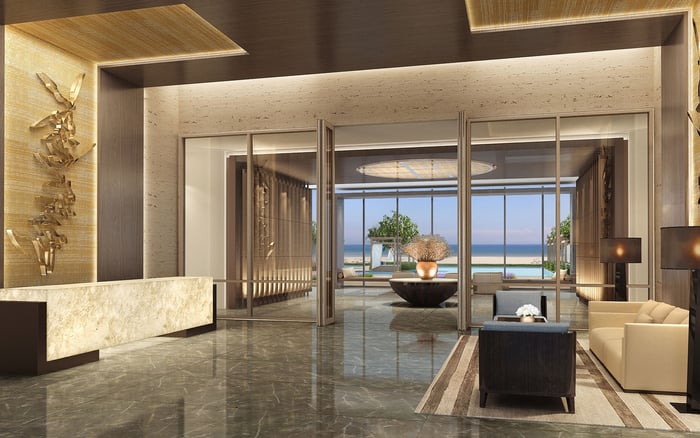
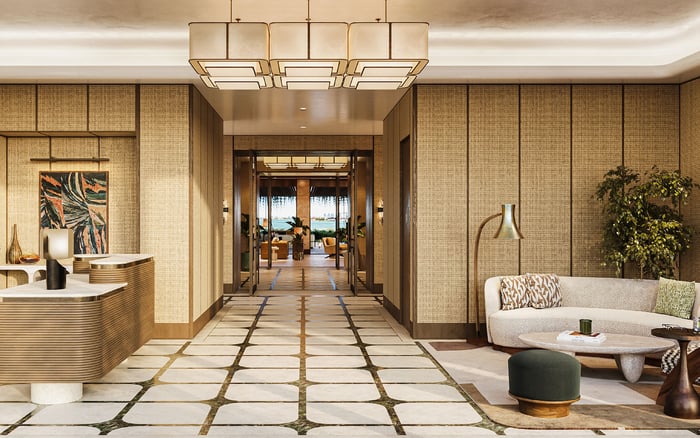
A buyer-focused guide to evaluating contrast therapy amenities in South Florida luxury residences, with practical questions on design, operations, safety, access, privacy, and long-term value.
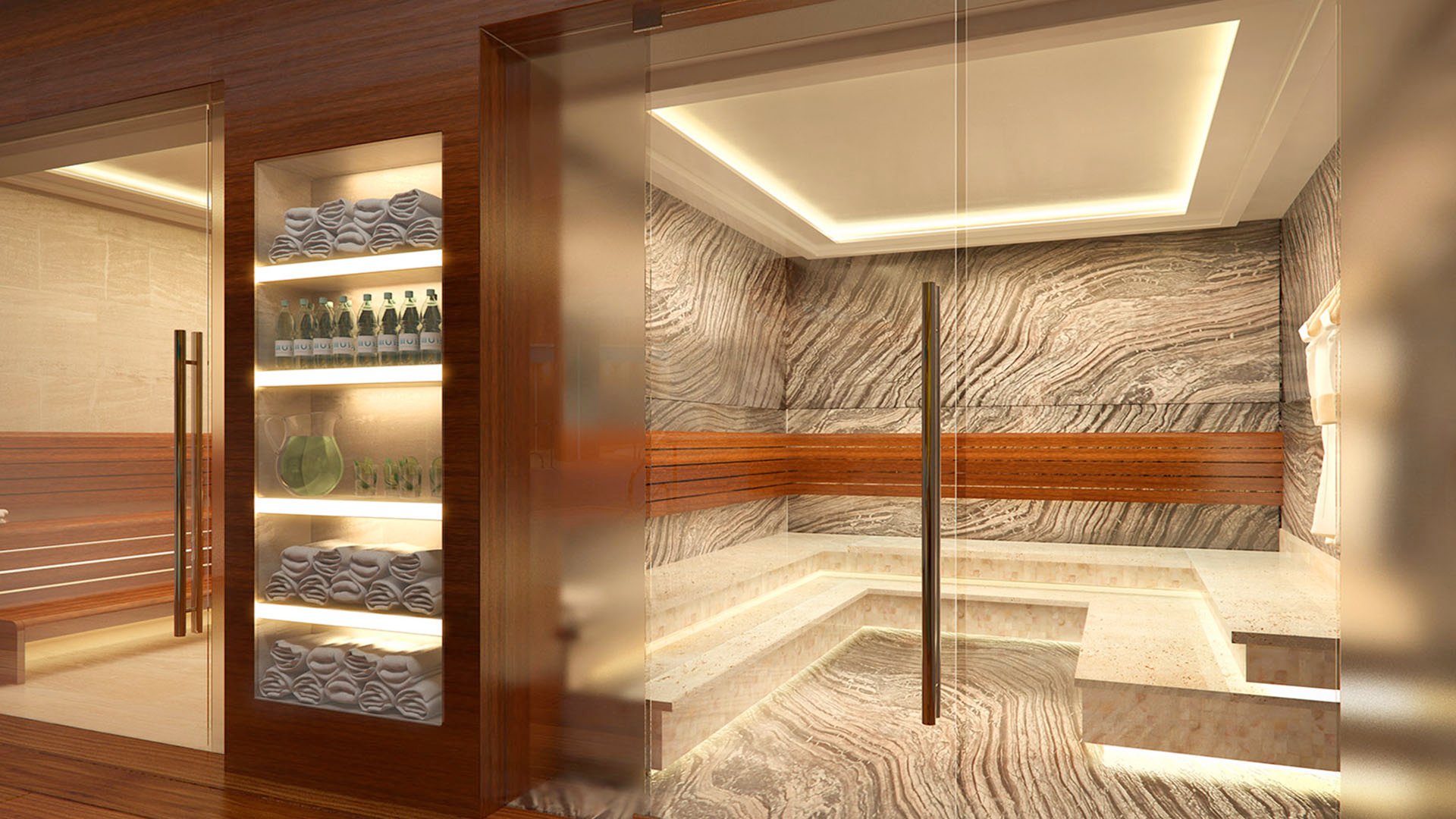
Contrast therapy has become one of the most seductive phrases in luxury residential sales. The image is immediate: a sculptural sauna, a cold plunge, quiet lighting, towels folded with spa precision, and the suggestion that the building understands the rituals of modern performance. For South Florida buyers, that promise can be especially compelling. Residences are increasingly expected to deliver not only views, security, and service, but also recovery, privacy, and a daily sense of reset.
The smartest buyers, however, treat contrast therapy less as a lifestyle slogan and more as an operational feature. A wellness room can photograph beautifully and still disappoint in daily use if access is difficult, privacy is thin, equipment is undersized, or maintenance is unclear. The question is not simply whether a building has contrast therapy. The better question is whether the amenity has been designed, governed, and maintained in a way that matches how an owner will actually live.
That standard applies whether the search is centered on Brickell, Miami Beach, Sunny Isles, Coconut Grove, Bal Harbour, or Surfside. In every submarket, the sales language may sound similar. The lived experience can be very different.
Before evaluating value, ask precisely what the building means by contrast therapy. In some settings, the phrase may refer to a hot-cold sequence with sauna and plunge. In others, it may describe a steam room near a cold shower, or a broader wellness circuit with relaxation lounges and treatment rooms. The distinction matters because a buyer is not purchasing a phrase. A buyer is purchasing access to a specific set of spaces, protocols, and services.
Ask what is included at delivery and what is merely aspirational. If the amenity appears in renderings, ask which elements are committed in the condominium documents, design package, or offering materials. If the building is complete, ask to see the actual room during the hours you would likely use it. A wellness space that feels serene at noon may feel very different before dinner, after school pickup, or on a holiday weekend.
A serious buyer should also ask whether the amenity is self-directed or professionally supported. A self-directed suite can be elegant and convenient, but it depends on clear rules, owner education, and disciplined maintenance. A staffed or supervised component may offer a more polished experience, though it can also affect cost structure and scheduling.
The word wellness can soften a sales conversation, but contrast therapy still involves heat, cold, water, timing, and individual health considerations. Buyers should feel comfortable asking direct questions about signage, use guidelines, emergency procedures, cleaning practices, and age restrictions. This is not negativity. It is stewardship.
Ask whether residents receive written guidance on appropriate use. Ask whether the building advises residents with health concerns to consult a medical professional before use. Ask how the association or operator handles incidents, equipment downtime, and complaints. The best answers will be specific, not theatrical.
The physical layout deserves the same scrutiny. Is flooring slip-resistant? Is there enough room to move safely between hot and cold areas? Are towels, hydration, seating, and changing areas positioned logically? Does the lighting support calm without compromising visibility? Do the door swing, drainage, and ventilation make sense? In luxury real estate, safety and elegance should not compete. They should reinforce each other.
A wellness amenity is only as strong as its long-term management. Buyers should ask who is responsible for operating the contrast suite once the building is turned over, who pays for maintenance, and how replacement or repair decisions are made. The answer may involve the association, a hospitality operator, an outside vendor, or a combination of parties.
The core issue is accountability. If a cold plunge is unavailable, who responds? If a sauna requires servicing, how quickly is it addressed? If demand exceeds capacity, who has authority to adjust reservations or rules? A building can spend generously on finishes and still disappoint if no one owns the resident experience.
For new-construction purchasers, this question deserves particular care. Early sales galleries often emphasize the mood of a lifestyle, while future owners will live with budgets, staffing plans, and governance. Ask how anticipated maintenance is reflected in common charges and what services are included versus optional. If access requires reservations, ask how the system will prioritize residents, guests, and peak periods.
Contrast therapy is intimate. It involves bathing attire, body temperature, recovery time, and personal routine. A buyer who would tolerate a lively fitness center may have very different expectations for a hot-cold suite. Privacy should therefore be discussed openly.
Ask whether the facility is co-ed, bookable for private use, or divided into separate zones. Ask whether guests are permitted and under what conditions. Ask how many residents the amenity is designed to accommodate at one time. Ask whether staff, cameras, or access controls are present, and where privacy begins and ends.
In South Florida, where many owners host family, friends, and seasonal guests, the guest policy can define the daily experience. A generous policy may feel attractive until a quiet owner finds that peak periods are dominated by visitors. A restrictive policy may preserve serenity but reduce flexibility. Neither approach is inherently right. The point is alignment.
Contrast therapy rarely exists in isolation. It may sit beside the pool, within a spa level, near a fitness center, or adjacent to locker rooms. The adjacency affects use. If the plunge is beside a busy social deck, the mood may be more resort than retreat. If it is tucked within a spa corridor, it may feel calmer but less spontaneous.
Walk the route as if you already live there. How do you get from residence to amenity? Is the path discreet? Are wet areas separated from dry lounges? Can you move from sauna to cold exposure without crossing a crowded corridor? Is there a place to rest afterward that feels genuinely quiet?
Sound matters as much as sight. Music from a fitness room, conversation from a pool deck, or mechanical noise can change the character of the ritual. The most successful wellness areas feel choreographed, not simply assembled.
A contrast therapy suite may enhance a property’s appeal, especially for buyers who prioritize health routines, privacy, and hotel-caliber amenities. But resale value depends on credibility. Future buyers will look beyond the brochure and ask whether the amenity feels current, clean, useful, and well managed.
The most durable wellness features tend to be intuitive. They do not require an owner to decipher complicated rules or tolerate inconsistent performance. They feel easy to use, easy to maintain, and consistent with the rest of the building’s service culture.
A buyer should therefore ask whether the contrast therapy offering is central to the building’s identity or merely decorative. If the entire residence is organized around wellness, the amenity should feel integrated into programming, staffing, and architecture. If it is one feature among many, it should still meet a high standard of execution.
When the sales pitch says wellness, slow the room down. Ask what exactly is being delivered. Ask when it can be used. Ask who maintains it. Ask whether there is written guidance. Ask how many people can use it comfortably. Ask what happens when equipment is down. Ask how privacy is protected. Ask whether guests are allowed. Ask how the cost is carried. Ask whether the experience shown in the presentation is the experience you will have after closing.
The discipline is simple: make the amenity prove itself in operational terms. A beautiful contrast suite can be a meaningful luxury, but only if it supports real life, not just the sales narrative.
What is contrast therapy in a residential building? It generally refers to alternating hot and cold experiences, such as sauna and cold plunge, although each building may define the offering differently.
Should I rely on renderings when evaluating a wellness amenity? Renderings are useful for mood, but buyers should ask what is contractually included and how the amenity will operate after delivery.
What is the first question to ask a sales team? Ask exactly which hot, cold, recovery, changing, and support spaces are included in the completed amenity.
Do I need to ask about safety if the building is luxury? Yes. Luxury should include clear use guidance, sensible layout, maintenance discipline, and appropriate emergency procedures.
Does staffing matter for contrast therapy? It can. Staffing may improve consistency and service, while self-directed use depends more heavily on rules and maintenance.
How should I evaluate privacy? Ask about guest access, reservation rules, occupancy limits, camera placement, staff presence, and whether private sessions are available.
Can a wellness amenity affect resale appeal? It may support appeal if it is well designed, well maintained, and easy for future owners to understand and use.
What should new-construction buyers ask? Ask what is committed at delivery, how operating costs are budgeted, and who controls rules after turnover.
Is a pool-adjacent contrast suite better? It depends on preference. Pool adjacency can feel resort-like, while a quieter spa location may offer more discretion.
What is the biggest red flag? Vague answers about maintenance, access, safety, or governance suggest the amenity may be stronger as a pitch than as a daily experience.
If you'd like a private walkthrough and a curated shortlist, connect with MILLION.
If branded residences are on your mind — as a home or as an allocation — we would be glad to share what we are seeing, privately.
Begin a quiet conversation