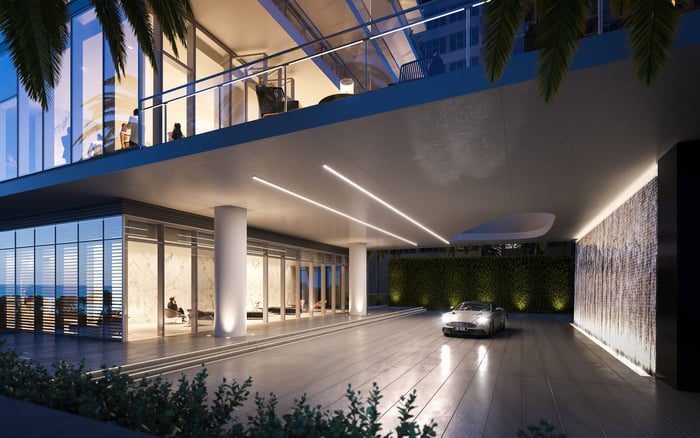
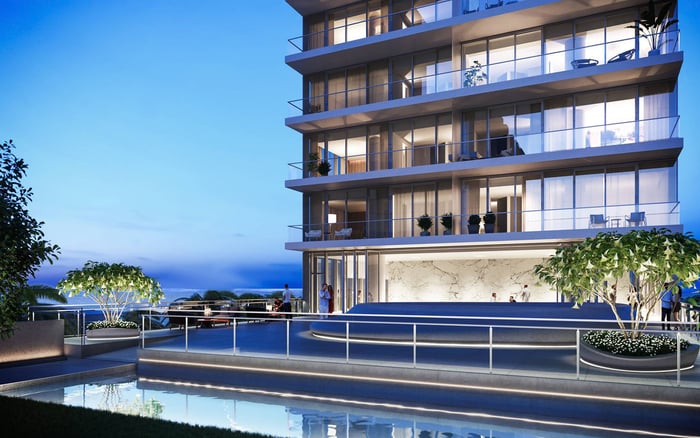
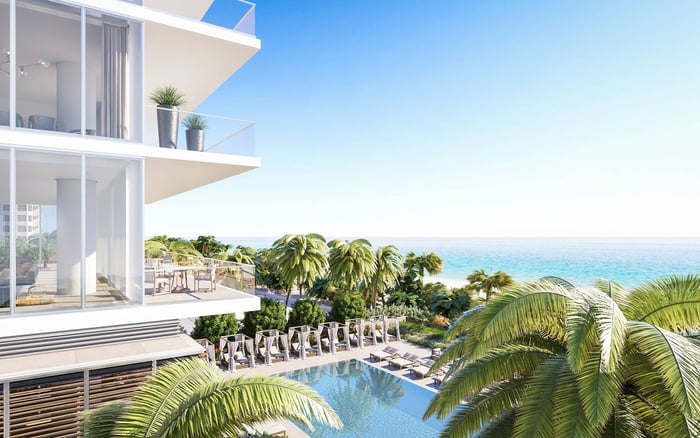
A buyer-focused guide to the wind questions that matter before choosing a high-floor luxury residence in Hallandale Beach, with emphasis on terraces, glazing, comfort, documentation, and long-term ownership discipline.
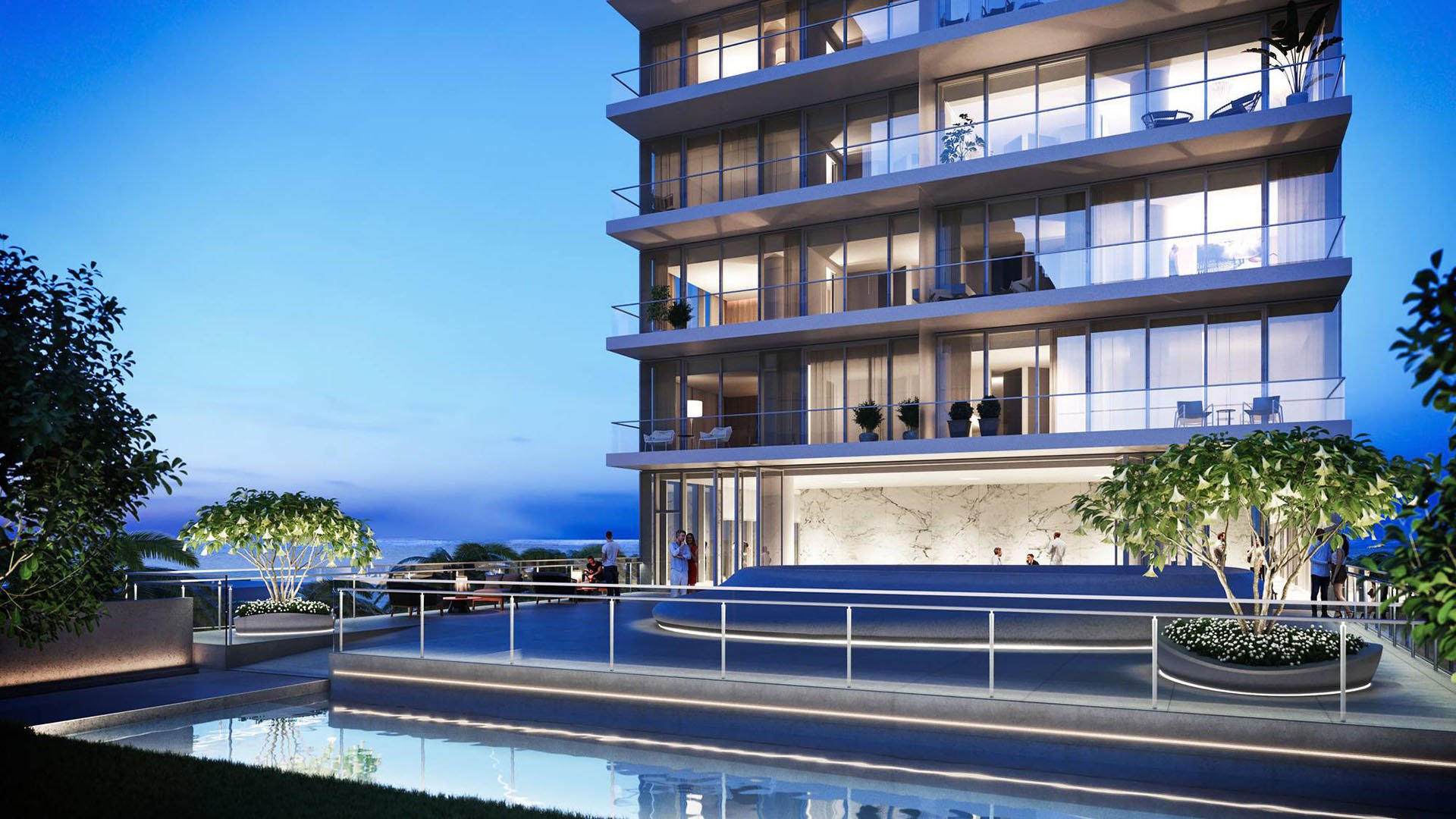
A high-floor residence in Hallandale Beach can feel cinematic: long views, open sky, greater privacy, and a sense of arrival that lower floors rarely deliver. Yet the same qualities that make elevation desirable also make wind behavior one of the most important lifestyle questions to examine before signing a contract.
Wind is not only a storm-season concern. It can influence how often you use a terrace, how a balcony feels at different times of day, how sliding doors operate, and whether outdoor furniture, planters, shades, and art can remain comfortably outside. For buyers accustomed to estate living, the principle is straightforward: high-floor living should be evaluated as a complete environment, not simply as a view.
This is especially relevant for buyers comparing Hallandale Beach with nearby oceanfront and waterfront corridors. At residences such as 2000 Ocean Hallandale Beach, the conversation should move beyond finishes and amenities into the practical language of exposure, operable openings, terrace design, and building protocols.
The first question is not whether a tower is “strong.” It is what conditions its systems were designed to address and how those conditions translate into daily ownership. Ask for the wind-related design assumptions to be explained in plain language. A serious answer should be organized, documented, and specific enough for your advisor, attorney, or engineer to review.
Request information on glazing assemblies, balcony railings, exterior doors, terrace drainage, facade maintenance access, and any resident guidelines for securing outdoor spaces. If the residence is new or recently delivered, ask which documents will be available before closing. If it is resale, ask what the association can provide and whether there is a history of resident communications about high-wind procedures.
The goal is not to become an engineer. The goal is to understand whether the building’s luxury promise includes clarity, preparedness, and accountability. High floors can be deeply rewarding, but they reward buyers who ask structured questions early.
A private showing should include more than a slow look at the view. Stand near every operable door. Open and close sliding panels where permitted. Listen for whistling, rattling, pressure changes, and unexpected vibration. Step onto the terrace if conditions allow, then ask whether the experience you feel is typical for that exposure or merely a moment in time.
Corner residences deserve particular attention because they may feel different on different sides of the home. A plan with dramatic glass and wraparound outdoor space may live beautifully, but its comfort depends on orientation, wind direction, building shape, and how the outdoor area is protected. Ask whether certain seating zones are naturally calmer and whether owners typically use fixed furniture, weighted pieces, or more minimal exterior arrangements.
When touring Shell Bay by Auberge Hallandale, or any comparable Hallandale residence, make the terrace part of the due diligence rather than an afterthought. The right outdoor space should feel usable, not merely photogenic.
In luxury condominiums, outdoor space is often presented as an extension of the living room. Buyers should test that proposition with practical questions. Can dining be comfortable? Are there protected corners for reading? Where would lounge seating go? Can planters be placed without creating maintenance concerns? Are grills, umbrellas, heaters, or screens restricted by building rules?
Ask for the condominium documents, house rules, and any architectural guidelines governing terrace and balcony use. These rules may address furniture, decorative objects, storm preparation, drainage, attachments, lighting, and noise. Even the most elegant residence can become frustrating if the terrace lifestyle imagined during the tour is limited by rules discovered later.
Also ask how quickly residents are expected to secure outdoor items when conditions change. A luxury building should communicate expectations clearly. For absentee owners and second-home buyers, that clarity is especially important because the residence may need to be prepared when the owner is not present.
Buyers often compare Hallandale Beach with Sunny Isles Beach, Fort Lauderdale, Miami Beach, and other South Florida waterfront markets. The comparisons are useful, but wind behavior should be studied building by building and residence by residence. A tower’s shape, floor height, exposure, terrace depth, railing design, and surrounding context can all influence the lived experience.
For example, a buyer considering Hallandale may also tour Turnberry Ocean Club Sunny Isles or Auberge Beach Residences & Spa Fort Lauderdale to understand how different buildings frame outdoor living. The exercise is not about declaring one market calmer than another. It is about learning which plan, exposure, and building culture best support your daily rhythm.
A disciplined buyer should keep notes after each showing: Was the terrace inviting? Were the doors easy to operate? Did the soundscape feel serene? Were technical questions answered with confidence? Over several tours, patterns will emerge.
Before moving from interest to contract, ask for a clear explanation of exterior door systems, window systems, balcony railings, terrace drainage, and storm preparation protocols. Ask whether any limitations apply to furniture, planters, shades, artwork, or other outdoor accessories. Ask who communicates preparation instructions, how those instructions are delivered, and what happens when an owner is away.
If the residence is pre-construction or under development, ask when final documents will be available and what can be reviewed now. If the residence is resale, ask for association rules, maintenance history relevant to exterior systems, and any owner responsibilities tied to terrace upkeep. Your attorney and inspector should be part of this review.
Also ask about service culture. Does management help owners understand seasonal preparation? Are vendors familiar with building rules? Is there a preferred approach for securing outdoor spaces? In a luxury tower, the difference between a beautiful amenity package and a refined ownership experience often lies in these quieter operational details.
A high-floor purchase should leave you with confidence in three areas: design, documentation, and lifestyle fit. Design addresses how the residence responds to exposure. Documentation confirms what has been represented. Lifestyle fit answers the most personal question: will you actually live the way the rendering suggests?
For some buyers, a dramatic upper-floor terrace is essential. For others, the better choice may be a slightly lower residence with a more sheltered outdoor feel. Neither answer is inherently superior. The correct choice is the one that aligns with how you entertain, travel, sleep, read, dine, and host family.
In Hallandale, the most sophisticated buyers treat wind behavior as part of luxury, not a contradiction of it. They ask calmly, review thoroughly, and avoid being seduced by altitude alone. The view may be the first emotional pull, but the livability of the residence is what determines whether the purchase feels exceptional years later.
Should wind behavior affect my choice of floor in Hallandale Beach? Yes. Floor height can influence how a residence feels, but exposure, terrace design, and building systems should be considered together.
What should I ask about balcony use before buying? Ask what furniture, planters, umbrellas, lighting, and decorative items are permitted, and how they must be secured during elevated wind conditions.
Is a larger terrace always better on a high floor? Not necessarily. A larger terrace is most valuable when its shape, depth, exposure, and rules support the way you plan to use it.
Should I bring an inspector or engineer into the process? For a serious purchase, professional review can help interpret documents, exterior systems, and visible conditions before you proceed.
What documents should I request? Request condominium documents, house rules, exterior maintenance guidance, storm preparation protocols, and any available information on glazing and door systems.
Can wind affect interior comfort? It can, particularly through sound, pressure at operable doors, and the way outdoor conditions influence terrace access and use.
Are corner residences more exposed? They can feel different because they may face multiple directions. Evaluate each side of the plan rather than relying on a single impression.
How should second-home owners think about wind preparation? Ask how the building communicates preparation instructions and whether trusted vendors can help secure outdoor areas when you are away.
Is waterfront living always windier? Not always in the same way. The experience depends on the specific building, residence height, exposure, and surrounding conditions.
What is the most important buyer takeaway? Treat wind behavior as a comfort and ownership question, not merely a weather question, and ask for answers before contract.
For a discreet conversation and a curated building-by-building shortlist, connect with MILLION.
If branded residences are on your mind — as a home or as an allocation — we would be glad to share what we are seeing, privately.
Begin a quiet conversation