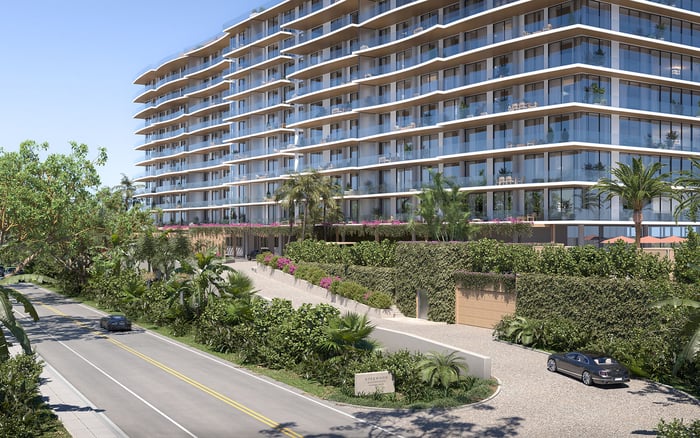
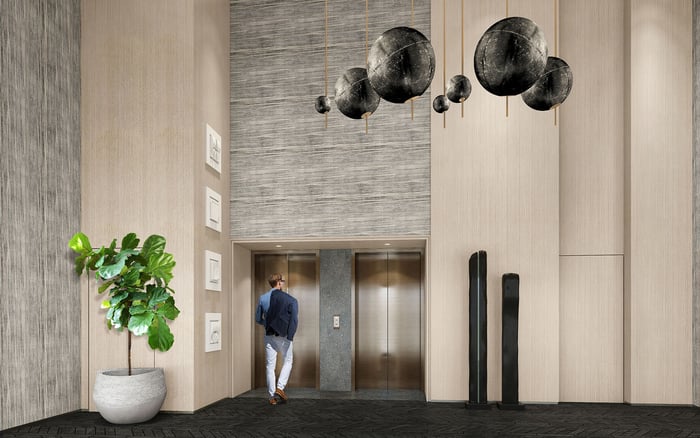
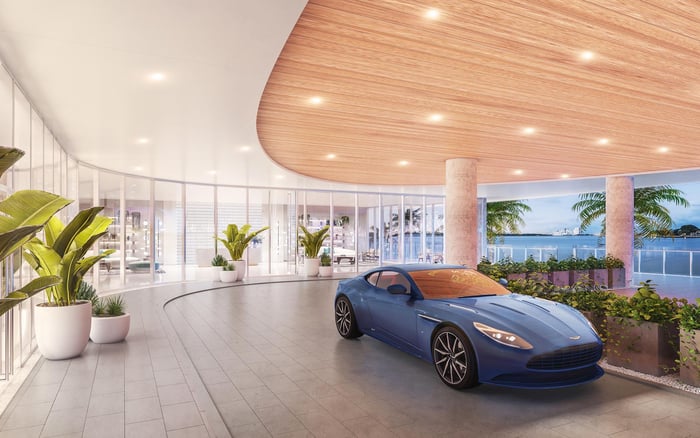
A discreet guide to the five beach-access amenities that help South Florida condo residents move from private residence to sand while preserving calm, polished lobby environments.
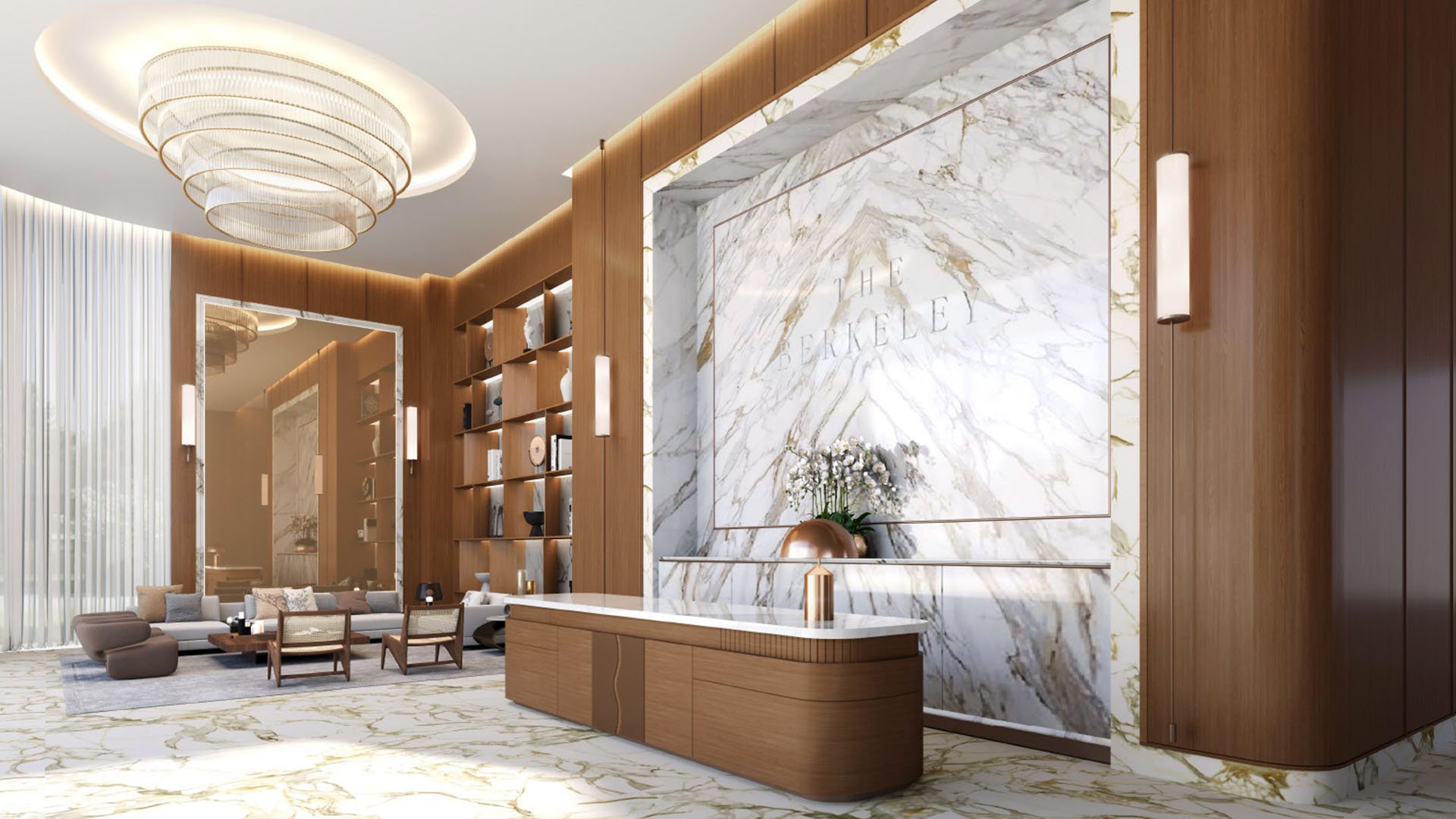
In South Florida, beach access is not merely a question of proximity. For a discerning condo buyer, the more important measure is how gracefully a building moves residents from private residence to shoreline without turning the lobby into a passageway for towels, sandals, deliveries, and damp weekend traffic.
The best buildings treat the beach route as a choreography of its own. Arrival stays polished. Service stays discreet. Children, guests, boards, chairs, and pets follow an intuitive path that does not interrupt the formal front door. That distinction matters across Oceanfront markets, where the lobby functions as both a security threshold and a statement of tone.
The search often begins as a Beach-access lifestyle question, then becomes more precise by Miami Beach, Sunny Isles, Surfside, and Fort-lauderdale. The amenity itself matters, but the circulation around it matters more.
1. Dedicated beach-level exit - separate resident circulation
A true beach-level exit allows residents to move toward the sand without repeatedly passing through the main lobby. Its value is not theatrical; it is operational. It keeps the building’s most formal space reserved for arrivals, guests, and concierge interaction.
For buyers, the question is simple: can you leave for the beach in resort mode without feeling as if you are crossing a hotel reception room?
2. Beach concierge room - controlled staging before the sand
A beach concierge room creates a composed pause point between residence and shoreline. It can support towel pickup, guest coordination, and equipment handling while preventing the front desk from becoming the de facto beach counter.
This amenity is most effective when placed near the beach path, not tucked behind the main arrival sequence. Location determines whether residents actually use it.
3. Towel, chair, and board storage - less baggage through public rooms
Storage is one of the least glamorous amenities and one of the most useful. When chairs, umbrellas, boards, and beach toys have a logical home near the exit, residents do not need to carry them through elevators, lobby seating areas, or valet zones.
For families and frequent hosts, this can be the difference between a building that feels effortless and one that makes every beach day feel improvised.
4. Outdoor rinse and changing areas - a clean transition back inside
Rinse areas, foot washes, and changing spaces protect the building from the realities of coastal living. Sand, salt, sunscreen, and wet swimwear are part of the lifestyle, but they do not need to define the interiors.
The best version feels private, shaded, and intentional. It should never feel like an afterthought beside a service door.
5. Service corridor for beach support - staff movement without lobby congestion
In a high-service building, beach access is not only about residents. Staff may be moving towels, refreshments, maintenance supplies, or guest items throughout the day. A separate service path allows that work to happen quietly.
This is where thoughtful architecture becomes daily luxury. Residents feel the support without watching the logistics unfold.
Do not evaluate beach amenities as isolated features. Trace the route in your mind: residence, elevator, corridor, beach-level threshold, storage, rinse, sand, and return. A beautifully appointed lobby is not enough if every beach trip cuts through it.
In Miami Beach, buyers comparing residences such as 57 Ocean Miami Beach and The Perigon Miami Beach should pay close attention to how the building separates formal arrival from resort-style movement. The same principle applies in Surfside, where privacy, scale, and beach rhythm can be as important as finishes.
Sunny Isles buyers considering St. Regis® Residences Sunny Isles often focus on views, service, and verticality, but the ground plane deserves equal scrutiny. The path to the beach is where the promise of ease is tested.
Further north, Fort-lauderdale buyers evaluating The Ritz-Carlton Residences® Fort Lauderdale should consider how beach movement relates to valet, guest arrival, pool areas, and private residential access.
The most elegant beach-access amenity is not always the most visible one. It is the amenity that prevents friction. It keeps sand away from rugs, towels away from concierge desks, and weekend energy away from the quiet theater of arrival.
A buyer should ask three practical questions. First, does the beach route feel private enough to use daily? Second, does the building provide a place for the objects that come with beach living? Third, can staff support the experience without crowding the same spaces used for formal arrival?
If the answer is yes, the building is not merely close to the beach. It is designed for it.
What amenity matters most for beach access? A dedicated beach-level exit is often the most important because it reduces cross-traffic through the formal lobby.
Why does lobby traffic matter in a luxury condo? Lobby traffic affects privacy, service tone, cleanliness, and the overall sense of calm when residents and guests arrive.
Is direct oceanfront location enough? No. Oceanfront positioning is valuable, but the internal route from residence to sand determines daily convenience.
Should buyers prioritize beach concierge service? Yes, if the service is positioned near the beach route and keeps towels, guests, and equipment away from the main desk.
Are storage rooms an important luxury feature? They can be. Well-placed storage keeps chairs, boards, and umbrellas from moving through formal public spaces.
What should families look for? Families should look for easy elevator access, nearby storage, shaded transition areas, and a clear return path from the beach.
Do rinse areas really affect property experience? Yes. Rinse and changing areas help protect interior finishes and make the return from the beach feel composed.
How can a buyer evaluate circulation before purchase? Walk or mentally trace the full route from the residence to the beach, then back again with wet towels and gear.
Is a separate service corridor necessary? It is not always necessary, but it can greatly improve privacy and reduce visible operational movement in high-service buildings.
What is the ultimate sign of good beach-access design? The best design feels effortless because residents enjoy the beach without seeing the logistics required to support it.
When you're ready to tour or underwrite the options, connect with MILLION.
If branded residences are on your mind — as a home or as an allocation — we would be glad to share what we are seeing, privately.
Begin a quiet conversation