A refined buyer’s guide to judging whether an oceanfront residence delivers genuine everyday beach convenience, from elevator flow and privacy to service, storage, and return comfort.
In South Florida, an ocean view is not the same as oceanfront convenience. A residence may frame the Atlantic beautifully from a terrace, yet still ask too much of an owner before a swim, a sunrise walk, or an afternoon with guests. The truer test is simpler and more revealing: how does the experience feel from the private elevator or residential lobby to the beach itself?
The elevator-to-beach test is not about theatrics. It is about friction. A buyer should be able to imagine leaving the residence in a cover-up, carrying a towel and sunglasses, then returning with wet feet, salt air, and perhaps a guest or child in tow. If the path feels intuitive, private, and calm, the building begins to justify its oceanfront premium. If it feels exposed, circuitous, or dependent on staff improvisation, the view may be doing too much of the selling.
For buyers comparing oceanfront and beach-access options in Miami Beach, Sunny Isles, Surfside, and Pompano Beach, this test can clarify value more quickly than a glossy amenity narrative. The beach is not an amenity in the ordinary sense. It is the reason the address exists.
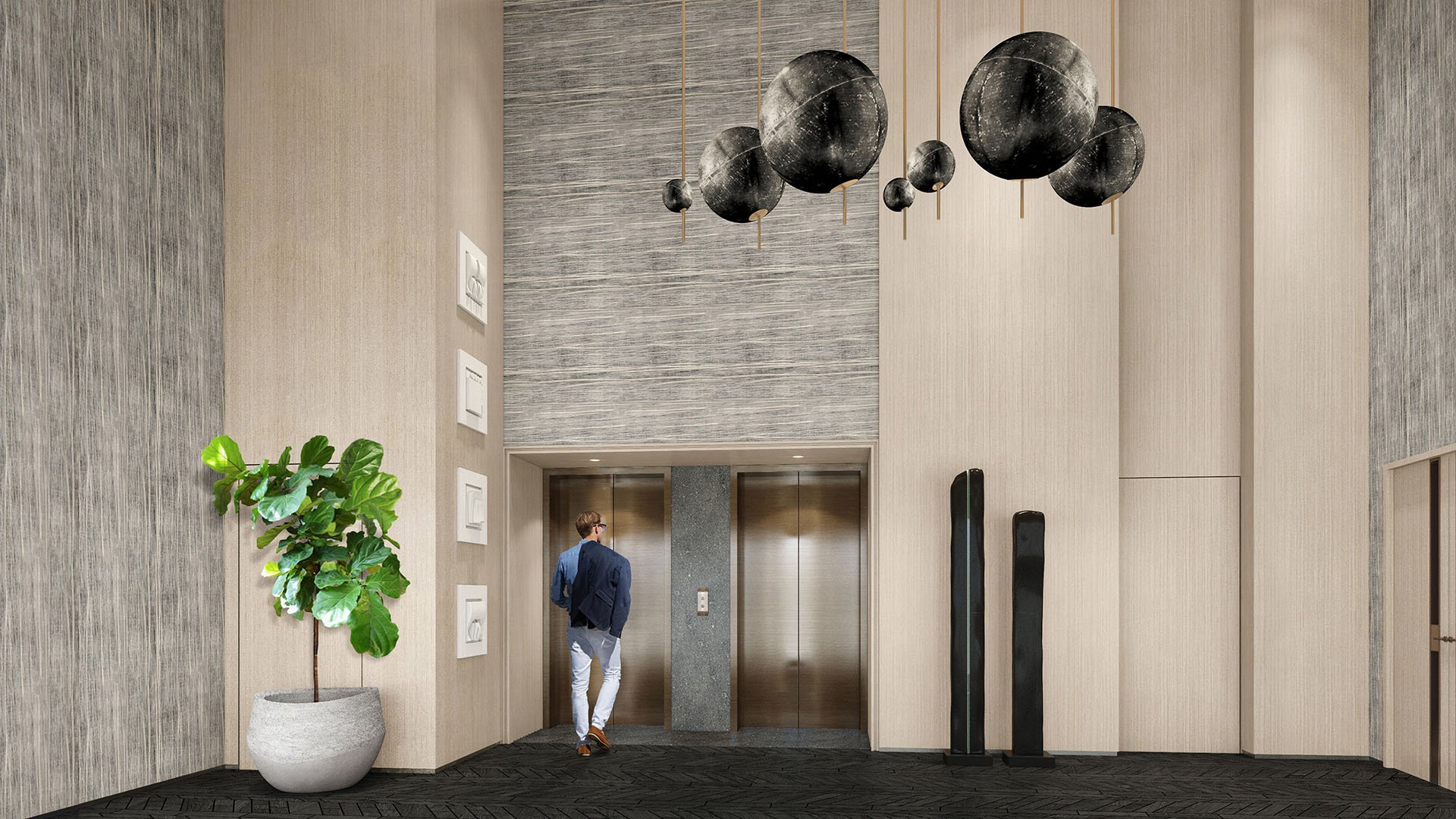
Begin at the point of daily life, not at the sales gallery. From the residence, ride the elevator as an owner would. Notice whether the arrival sequence leads naturally toward the beach level or requires detours through spaces that feel public. A refined oceanfront building should make the transition from private home to shoreline feel composed, not improvised.
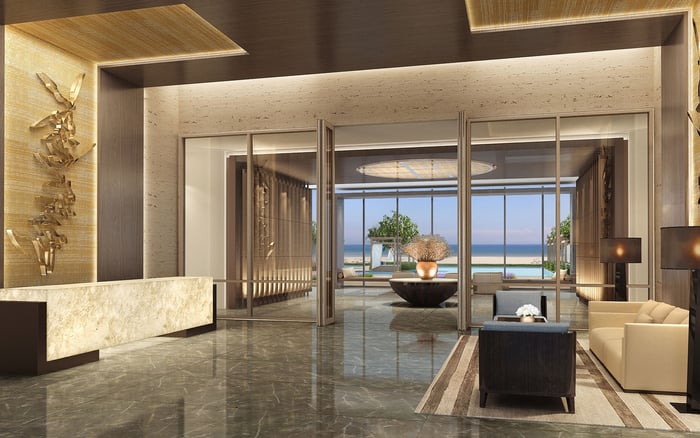
Privacy is the first standard. The route should not force residents to cross a crowded lobby in beach attire if the building can avoid it. It should not place owners in unnecessary view of valet areas, delivery corridors, or public restaurant traffic. Some buyers enjoy sociability, but beach access should still feel residential. Discretion is part of luxury.
The second standard is practicality. Where do towels, chairs, umbrellas, children’s toys, paddleboards, or beach bags live? Is there a sensible place to rinse sand before returning upstairs? Does the flooring feel appropriate for wet feet? Is the route shaded, protected from wind, or exposed to the full force of midday heat? These questions may sound minor during a tour. After ownership, they become decisive.
Distance alone is a blunt instrument. A shorter walk is not always the better walk if it passes through awkward thresholds or service-conflicted areas. Conversely, a slightly longer path can feel superior if it is serene, well organized, and clearly designed for residents.
This is where the most thoughtful buyers slow down. In Miami Beach, reviewing a residence such as 57 Ocean Miami Beach should involve more than admiring the horizon line. The sharper question is how gracefully the building handles the everyday rhythm of beach life: leaving, returning, hosting, rinsing, storing, and resetting.
A similar lens applies farther north. In Sunny Isles, a buyer considering St. Regis® Residences Sunny Isles may be drawn to the brand environment and coastal setting, but the ownership experience still depends on the tactile sequence from home to shore. The elevator-to-beach route should make the Atlantic feel immediate without making the owner feel on display.
Many buyers evaluate beach access on the way out. The more important test may be the way back. Returning from the sand is when weak design reveals itself. Wet swimsuits, sandy sandals, sun-warmed skin, and tired guests all intensify the need for a clean, logical path.
A proper return sequence should allow residents to re-enter the building without feeling they have disrupted the polish of the lobby. It should anticipate sand, moisture, and the realities of coastal living. It should also preserve security without becoming cumbersome. A fob, gate, or staffed checkpoint can be elegant if positioned well. It can feel irritating if it interrupts the route repeatedly.
Buyers should also consider the seasonal rhythm of ownership. Weekend guests, visiting family, dog walks, early exercise, sunset swims, and post-dinner strolls all use the same infrastructure. A building that performs beautifully at 9 a.m. during a quiet tour may feel very different during peak beach hours. The best oceanfront residences are designed for repetition. They do not make convenience feel like a special occasion.
Service can elevate the beach experience, but it should not compensate for poor planning. If an owner depends entirely on staff to make beach use feel easy, the building may be vulnerable to inconsistency. Strong service is a complement to good design, not a substitute for it.
Ask how beach equipment is handled. Ask whether guests understand where to go without lengthy explanation. Ask whether staff circulation intersects with resident circulation in ways that feel awkward. Ask how the building manages deliveries, maintenance, and hospitality functions near beach-level spaces. In ultra-prime real estate, operational elegance often hides in these transitions.
Storage deserves particular attention. A residence with generous interiors but no sensible beach storage may become less convenient than expected. Owners who intend to use the ocean daily should evaluate where the beach life actually goes when it is not being photographed. The answer should feel orderly, protected, and close enough to matter.
Each coastal market has its own temperament. Miami Beach often appeals to buyers who want cultural proximity with the ocean at hand. Surfside can feel more residential and discreet. Sunny Isles is associated with high-rise beachfront living and expansive coastal presence. Pompano Beach offers a northern coastal alternative for buyers who want a quieter frame without leaving the oceanfront conversation.
Those distinctions are not rankings. They are lifestyle filters. A buyer looking at The Delmore Surfside may prize discretion and a more intimate coastal rhythm. Another studying The Ritz-Carlton Residences® Pompano Beach may be weighing a different balance of brand, beach, and daily calm. The elevator-to-beach test helps make those preferences concrete.
It also protects against overvaluing spectacle. A dramatic arrival, a beautiful pool deck, or a notable name can enhance ownership, but none replaces the simple pleasure of reaching the sand without friction. True oceanfront convenience is not only what the residence sees. It is what the residence allows.
On a serious second visit, ask to walk the complete route. Do not accept a verbal description if the residence is being considered for regular beach use. Start where you would start after breakfast. Carry what you would carry. Notice the thresholds, doors, surfaces, lighting, staff positions, and sightlines.
Then reverse the route. Imagine returning after swimming. Consider whether the path feels dignified while wet, casual, or sandy. If the residence is for family use, imagine children moving through the same spaces. If it is for seasonal hosting, imagine guests navigating without a chaperone. If privacy is paramount, observe who can see you and when.
The most compelling buildings make this exercise feel almost unnecessary because the route explains itself. The less successful ones require assurances. In luxury real estate, assurances are useful, but lived ease is better.
The elevator-to-beach test is ultimately a test of alignment. Does the building support the way you actually intend to live, or only the way the listing photographs? Does the path to the ocean feel natural enough to use daily, or ceremonial enough to become occasional? Does the return home feel as considered as the departure?
For the South Florida buyer, these questions are not minor. Oceanfront ownership commands attention because it promises immediacy: the sea just beyond the home, available at the pace of private life. The finest residences honor that promise with quiet precision. They make the beach feel close, not only in distance, but in habit.
What is the elevator-to-beach test? It is a practical way to evaluate how easily a resident can move from the home or elevator to the sand and back again.
Why does beach access matter if the residence has ocean views? Views create atmosphere, but access determines how often the beach becomes part of daily life.
Should buyers walk the actual beach route during a tour? Yes. The full route reveals privacy, convenience, storage logic, and return comfort better than descriptions.
Is the shortest path always the best path? Not necessarily. A slightly longer route can feel more luxurious if it is private, shaded, and intuitive.
What should owners notice on the return from the beach? Look for rinsing points, appropriate flooring, discreet re-entry, and a path that works with wet feet and sand.
How important is beach storage? Very important for regular use. Towels, chairs, umbrellas, toys, and boards need a sensible place close to the route.
Can staff make up for an inconvenient layout? Service helps, but it should support a strong plan rather than mask an awkward one.
Does this test apply to second homes? Yes. Second-home owners often host family and guests, which makes intuitive beach access even more valuable.
What areas should buyers compare for this lifestyle? Miami Beach, Surfside, Sunny Isles, and Pompano Beach each offer a different coastal rhythm and ownership feel.
What is the main sign of true oceanfront convenience? The beach feels naturally integrated into daily life, from the first elevator ride to the return home.
For a tailored shortlist and next-step guidance, connect with MILLION.
If branded residences are on your mind — as a home or as an allocation — we would be glad to share what we are seeing, privately.
Begin a quiet conversation