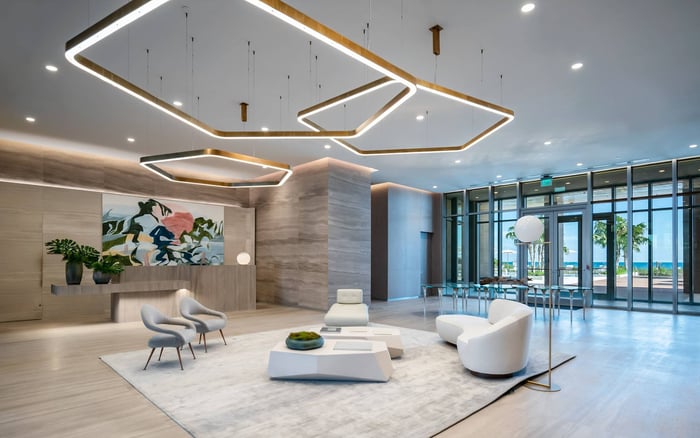
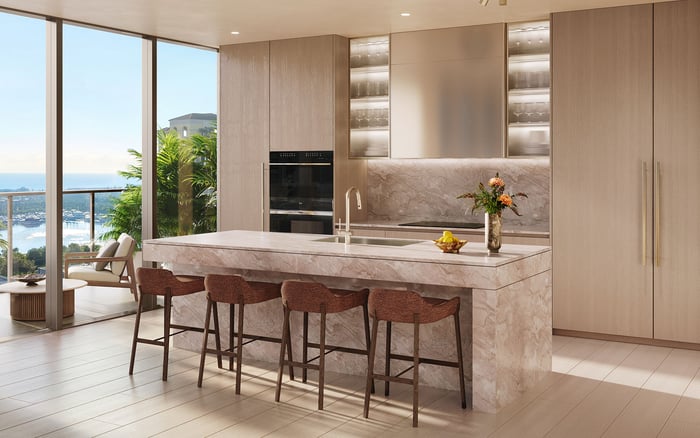
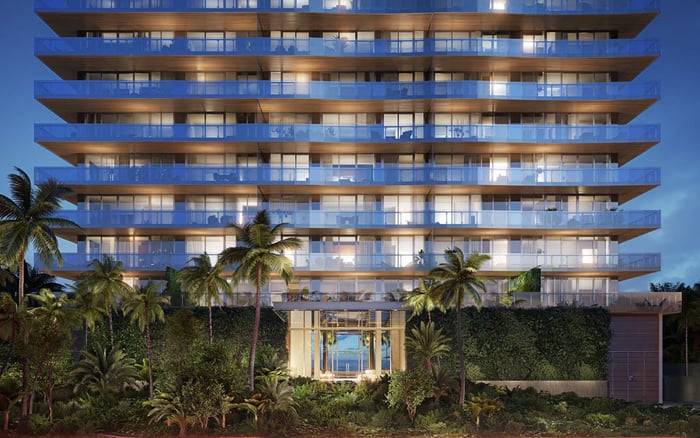
A practical due-diligence guide for seasonal buyers at 57 Ocean Miami Beach, focused on secure private networks, remote oversight, smart-residence integration, installation logistics, and ongoing support.
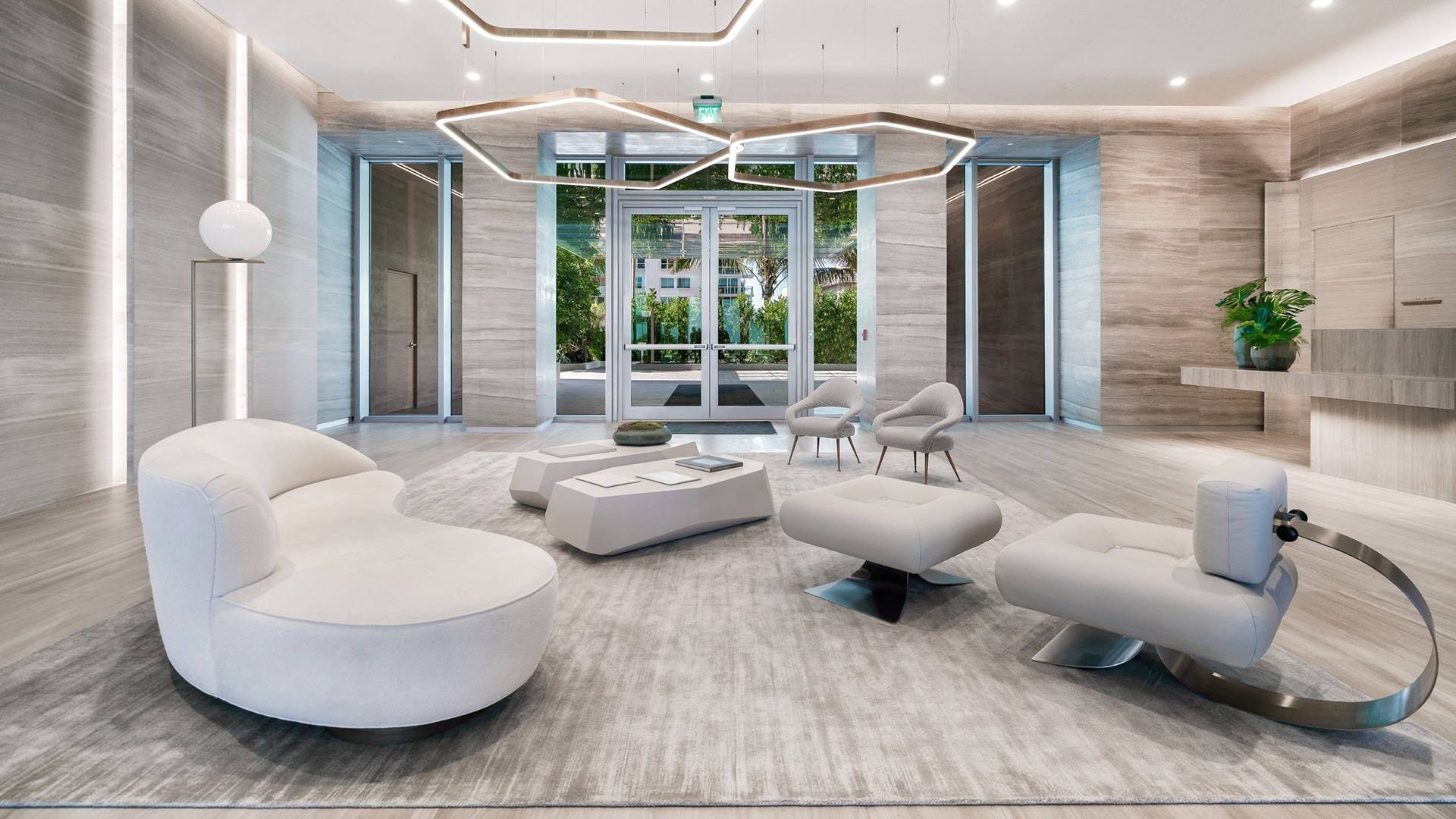
At 57 Ocean Miami Beach, private network installation should be treated as part of high-end ownership planning, not as a basic internet setup arranged after the furniture arrives. The building sits within the luxury and ultra-luxury oceanfront Miami Beach market, where buyers often expect a residence to function as both a retreat and a controlled operating environment for personal, family, staff, and business needs.
For seasonal owners, the question is more nuanced. A South Florida residence may remain quiet for long stretches, then need to perform immediately for the winter season or a brief arrival window. Lighting, climate controls, cameras, access management, streaming, private work calls, and guest devices may all depend on a network that is secure, resilient, and easy to service when the owner is away.
This is why private networking belongs in the same early conversation as design, furnishings, insurance, and property management. In search and ownership terms, 57 Ocean Miami Beach sits within a Miami Beach, oceanfront, beach-access, second-home, and ultra-modern context, but those lifestyle labels do not replace technical due diligence.
Seasonal buyers should distinguish building-wide or common-area connectivity from an owner-controlled in-unit network. The former may support shared spaces or general building functions. The latter is planned around the specific residence, its devices, its users, and its risk profile.
A private network can separate owner devices from guest access, staff usage, smart-home controls, cameras, locks, and environmental systems. That separation matters in a luxury residence because convenience and exposure often rise together. The same network that enables remote monitoring may also carry business communications, personal finance activity, and access credentials.
Buyers comparing Miami Beach residences such as The Perigon Miami Beach or Shore Club Private Collections Miami Beach will recognize the broader theme: the most refined ownership experiences increasingly depend on invisible infrastructure. The quiet luxury is not the router. It is the confidence that the residence works correctly when the owner steps through the door.
The most important questions should be asked before a private network designer is retained, and ideally before closing or move-in. A seasonal buyer should verify whether the residence has sufficient low-voltage wiring, practical conduit access, appropriate network closet space, and adequate power support for the intended system.
Hardware location is not a minor detail. Network equipment needs ventilation, serviceability, and a placement strategy that does not compromise interiors. Wireless performance also depends on the structure, finishes, and device placement within the residence. In an oceanfront tower environment, buyers should not assume that a premium address automatically resolves these details.
The property manager or association should also be asked about installation procedures. Vendors may need approval, insurance documentation, service-elevator coordination, access scheduling, and permission for after-hours or remote troubleshooting. These logistics are especially important for seasonal owners coordinating work from another city or country.
Affluent seasonal owners have a different threat profile from a conventional household. If a residence supports work calls, personal finance access, cameras, smart locks, and remote monitoring, cybersecurity becomes part of property stewardship.
At a minimum, buyers should ask who is responsible for network configuration, updates, passwords, remote access permissions, firewall settings, guest credentials, and device replacement. They should also confirm whether any included services, if applicable, are limited to connectivity or extend to active cybersecurity management. A luxury building should not be assumed to provide enterprise-grade in-unit protection unless the exact scope is confirmed in writing.
This is particularly relevant when a residence is vacant. Systems may remain connected for months while no one is physically present to notice a failed device, outdated firmware, weak password, offline camera, or disabled sensor. A thoughtful network plan should make remote oversight simpler without creating unnecessary points of vulnerability.
Seasonal ownership places unusual demands on reliability. The residence may be idle for an extended period, then need to support guests, staff, family offices, remote work, entertainment, and smart-home routines immediately upon arrival. For buyers who expect business-grade dependability, redundant connectivity should be part of the due-diligence conversation.
Redundancy does not require unsupported assumptions about specific providers or speeds. It simply means asking whether viable backup options exist, how failover would be handled, and what happens if the primary connection is unavailable during occupancy or while the owner is away. The goal is not complexity for its own sake. The goal is continuity.
Owners studying other high-touch Miami Beach addresses, including The Ritz-Carlton Residences® Miami Beach, often approach technology through the lens of readiness: the residence should feel effortless on arrival because the infrastructure was designed before it was needed.
A private network at 57 Ocean should be designed around real household patterns. Owners may need one level of access for family, another for guests, another for staff, and another for integrated systems. When those layers are not separated, a convenience decision can become a security decision.
Guest access should be easy to issue and revoke. Staff access should be limited to what is necessary. Smart-home devices should not be treated as casual consumer accessories if they control entry, climate, cameras, shades, lighting, or environmental monitoring. Remote property oversight may be valuable, but only when permissions are disciplined and documented.
For seasonal buyers, the ideal arrangement can be managed without improvisation. If a house manager, assistant, or technology vendor needs access, the protocol should already exist. If a guest is staying while the owner is away, the guest network should not expose owner files, personal devices, or critical controls.
Private network installation can affect the total cost of ownership in ways that are easy to overlook during a purchase. Hardware, design, installation, service plans, cybersecurity, maintenance, backup connectivity, and emergency support may be separate from the purchase price and separate from ordinary building costs.
Buyers should request a written scope from any technology vendor. That scope should identify what is being installed, where equipment will be located, how systems will be maintained, who can access them remotely, and what support is available when the owner is not in residence. If the residence is being prepared for a specific seasonal arrival, timing should be coordinated with building access rules and interior work.
This is where a calm, practical approach matters. The most expensive network is not always the best network. The best network fits the residence, protects the owner’s privacy, supports the household’s daily patterns, and can be maintained discreetly over time.
Before commissioning a system, ask what providers are available to the residence, what installation permissions are required, where equipment can be placed, and whether the current wiring and conduit conditions can support the plan. Ask whether backup connectivity is feasible, who will maintain the system, and how remote troubleshooting will be authorized.
Also ask how the private network will interact with environmental controls, security systems, access management, and any building-related services. Some integrations may be straightforward, while others may require approvals or technical coordination. The important point is to define responsibilities clearly before the residence is occupied.
For a buyer also considering South Florida alternatives such as Apogee South Beach, the same principle applies: luxury real estate ownership is increasingly defined by what happens behind the walls, inside closets, and across secure connections. A seasonal residence should be beautiful, but it should also be ready, private, and dependable.
Is private network installation a confirmed building feature at 57 Ocean Miami Beach? It should be treated as buyer-side planning and due diligence unless exact services and responsibilities are confirmed in writing.
Should a seasonal buyer rely only on building-wide connectivity? No. Building-wide or common-area connectivity should be distinguished from a private in-unit network designed for the owner’s devices and systems.
What should be checked before hiring a network installer? Verify low-voltage wiring, conduit access, network closet space, power support, vendor approval rules, and service access logistics.
Why is cybersecurity especially important for seasonal owners? The residence may carry business activity, personal finance access, cameras, smart locks, and remote monitoring while the owner is away.
Does a luxury building automatically include enterprise-grade in-unit security? No. Buyers should confirm the exact scope of included services, upgrade options, and owner responsibilities in writing.
What is redundant connectivity? It is a backup connectivity strategy intended to maintain access if the primary connection is unavailable or interrupted.
How should guest and staff access be handled? Guest, staff, owner, and smart-system access should be separated so permissions can be issued, limited, and revoked cleanly.
Can smart-home systems depend on the private network? Yes. Climate controls, access management, cameras, lighting, and monitoring systems may all rely on stable and secure connectivity.
When should installation planning begin? Ideally before closing or move-in, especially if the owner expects the residence to be ready for a specific seasonal arrival.
What costs should buyers anticipate beyond purchase price? Installation, hardware, service plans, cybersecurity, maintenance, backup connectivity, and remote support may be separate ownership costs.
When you're ready to tour or underwrite the options, connect with MILLION.
If branded residences are on your mind — as a home or as an allocation — we would be glad to share what we are seeing, privately.
Begin a quiet conversation