South Florida’s luxury buyer in 2025 is less impressed by sheer size and more persuaded by performance: health-forward spaces, true boat readiness, intelligent automation, resort-grade outdoor living, and privacy that is engineered into the address. This ranked guide distills the five features shaping high-end decisions across Miami Beach, Brickell, Sunny Isles, and Fisher Island, with practical notes on what to ask for, what to verify, and how to prioritize.
In South Florida, luxury has always been tied to light, water, and a sense of ease. In 2025, that ease is being engineered into the home itself. Buyers aren’t simply collecting amenities; they’re refining daily rituals: a training session before sunrise, a dock line slipped without logistics, an arrival sequence where lighting, climate, and security respond without friction.
What’s shifting isn’t the desire for beauty-it’s the expectation that beauty must perform. A residence is evaluated like a private club: Does it support health? Does it protect privacy? Does it make the outdoors genuinely usable year-round? Does it operate intelligently and stay resilient when conditions turn?
Below is a ranked, buyer-oriented guide to the five features most consistently acting as decision drivers at the top of the market.
1. Integrated wellness amenities - dedicated home spa and training suite The new baseline is a wellness suite that feels purpose-built, not improvised. In practice, that means a space planned for training and recovery, often paired with spa-style elements that make consistency effortless: room for equipment, strong ventilation, acoustic separation, and materials selected to handle humidity and heat.
The appeal is simple: wellness spaces compress time. They remove friction around scheduling, travel, and public environments, while turning health into a private, repeatable ritual. In condos, that same priority shows up in demand for buildings where the wellness experience is a core amenity, not a token gym. The rise of explicitly wellness-forward residential concepts, such as The Well Coconut Grove, reflects how central this has become to the definition of modern luxury.
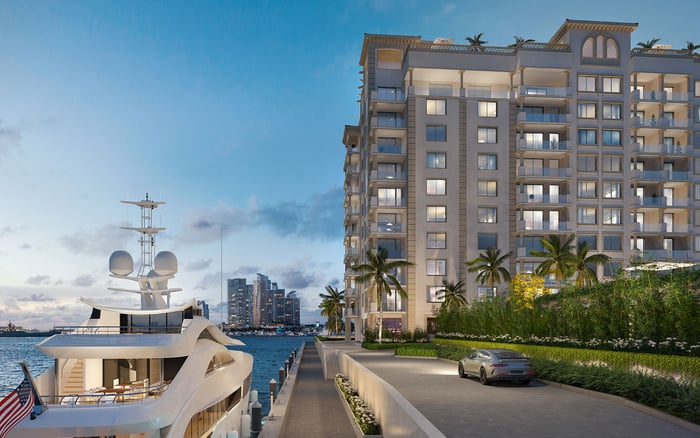
2. Private waterfront access with dock or boat slip - true boat readiness Boat access isn’t an abstract preference; it’s a lifestyle filter. Buyers who move by water often start with dock capability and expect the home to make boating seamless-never merely aspirational.
“Boat-ready” means more than being near the water. It signals practical usability: securing a vessel without complicated arrangements, stepping from residence to water with minimal transition, and trusting that the property’s waterfront positioning supports the way the owner actually lives. In condominium communities, private dock access can be a defining differentiator for owners who want a managed environment without giving up marine access.
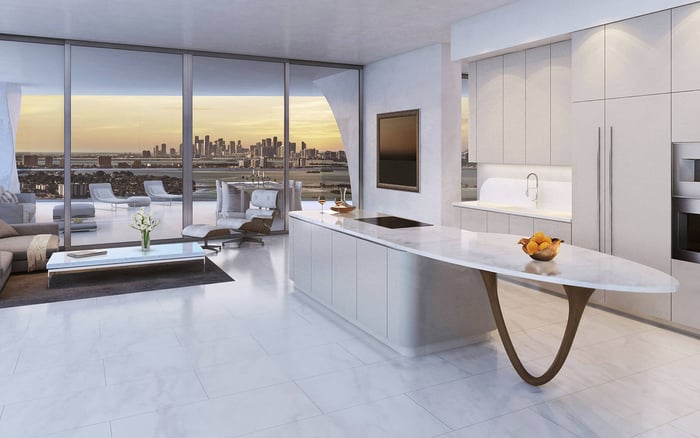
3. Smart-home automation and AI-enabled tech - comfort, security, efficiency In 2025, smart-home functionality is increasingly treated as a standard at higher price points. Buyers are less interested in novelty devices and more focused on integrated systems that quietly elevate daily life.
The strongest implementations feel almost invisible: climate that responds to occupancy, lighting that complements art and architecture, shades that manage heat gain, and security that is comprehensive without being intrusive. Automation is also evolving into an efficiency feature, helping a home maintain comfort with less waste-aligning naturally with the broader rise of eco-conscious design in the luxury tier.
For buyers comparing tower living to estate-style properties, smart infrastructure can be the tie-breaker because it reshapes the experience of arriving, leaving, and living remotely. In a vertical setting where service and access control matter, projects such as 2200 Brickell speak to a Brickell audience that values modern systems, streamlined routines, and secure convenience.
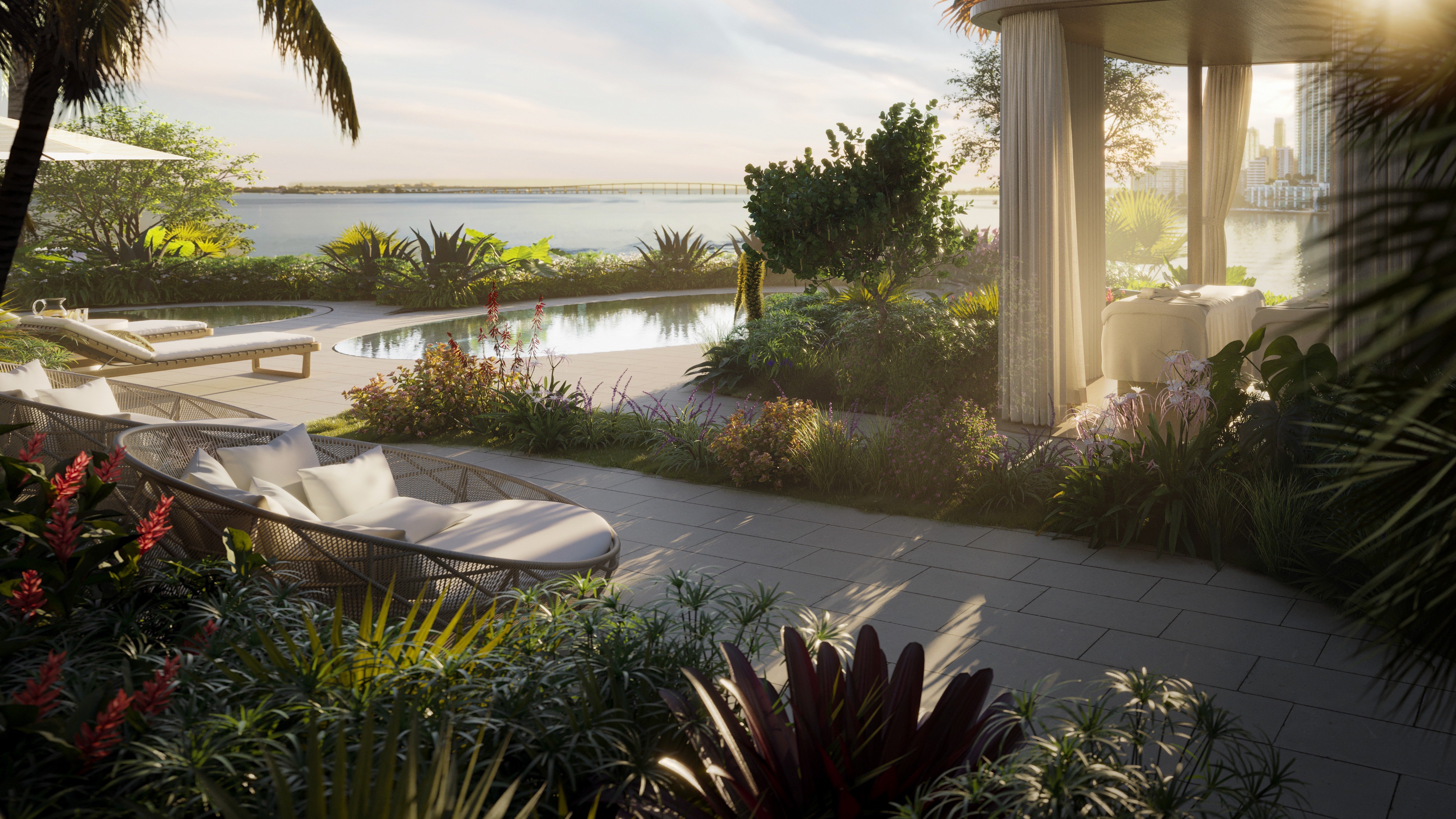
4. Resort-style outdoor living - pool, cabana, and entertaining-grade exterior space Outdoor living remains a core South Florida driver, but expectations are sharper. A pool alone is no longer the headline. Buyers want resort-grade exterior environments designed for real use: shaded lounging, dining that reads as intentionally as an interior room, and layouts that support both intimate evenings and larger gatherings.
This is where architecture and landscape design carry the experience. Buyers look for a clear sense of sequence: indoor spaces that open cleanly to terraces, outdoor kitchens that don’t feel like afterthoughts, and materials selected to weather salt air and sun without constant maintenance. In coastal markets, the most persuasive outdoor spaces create privacy through orientation and planting, not fences.
Miami Beach and adjacent coastal neighborhoods often deliver this sensibility at a high level, where exterior areas are treated as true extensions of the living room. For those focused on refined beachfront living, 57 Ocean Miami Beach and Five Park Miami Beach illustrate how outdoor programming and lifestyle amenities can become part of the daily rhythm rather than occasional spectacle.
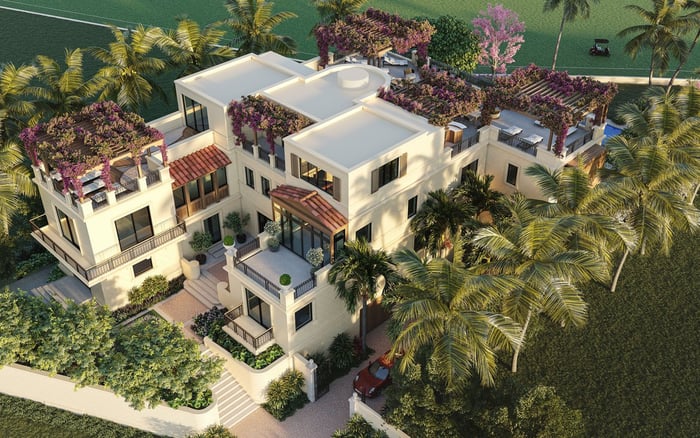
5. Privacy and exclusivity - controlled access, curated neighbors, and discreet positioning Privacy isn’t only about square footage or hedges; it’s about control. In 2025, many high-end buyers are selecting addresses that function like a gate, where access is naturally limited by geography, management, or community design.
Few places capture that impulse as clearly as Fisher Island, where listings are concentrated in the luxury tier and the address itself signals seclusion. For buyers who treat privacy as a form of everyday comfort, Fisher Island stands apart. Residences such as Palazzo del Sol Fisher Island deliver a sense of remove that’s difficult to replicate on the mainland: controlled entry, a highly curated environment, and an ownership experience built around discretion.
Luxury features can photograph beautifully and still underdeliver in daily life. The most productive showings test lifestyle logic-not just finishes.
Start with wellness. Stand in the proposed gym or spa area and determine whether it’s truly dedicated. Is ventilation appropriate for intense training? Is acoustic separation adequate if the room sits near bedrooms or shared walls? Does the bathroom layout support recovery rituals, or is it simply an oversized bath?
For dock capability, approach it like a functional inspection. Confirm what’s actually included: access, slip rights, and the practical reality of using the water from this address. Even when the view is extraordinary, the question is whether the residence is designed around a boat owner’s routine.
With smart-home systems, look for cohesion. A patchwork of devices can become a daily frustration. Buyers tend to prefer a single, integrated approach that covers lighting, HVAC, security, and shades-with dependable controls and a clean service plan.
Outdoor living should be evaluated at different times of day. Where does the sun land at noon? Is there built-in shade or only umbrella shade? Does the space feel comfortable in humidity, and are the materials appropriate for coastal conditions?
Finally, assess privacy in motion. How does a guest arrive? How exposed is the entry sequence? Does the building or community design prevent casual traffic, or does it simply promise exclusivity?
Alongside lifestyle features, two supporting themes continue to shape buying decisions: resilience and sustainability.
Hurricane-resilient design remains a priority in Florida luxury construction, influencing structural and architectural choices that reduce storm risk. Buyers are increasingly fluent in performance language and want confidence that a home’s beauty is backed by sound planning.
Eco-conscious design is also rising as a differentiator, especially when executed with restraint and sophistication. Energy-efficient strategies, durable materials, and systems that reduce waste support both comfort and long-term stewardship. The most compelling homes treat sustainability as a design standard, not a marketing layer.
Different submarkets express the same priorities in distinct ways.
In Brickell, the conversation often centers on security, seamless automation, and a building experience that feels private even within a dense core. In Miami Beach, outdoor living and proximity to water lead, with buyers expecting terraces and pool environments that read as curated resort space. In Coconut Grove, wellness-forward living and a calmer residential rhythm can be particularly persuasive.
Sunny Isles and other coastal high-rise corridors often attract buyers who want ocean proximity paired with turnkey services, while Fisher-island remains a standout for the client whose first requirement is discretion and controlled access.
Across all of these areas, the through-line is consistent: buyers are selecting homes that remove friction and protect time.
What defines a “wellness suite” in a luxury home? A dedicated space designed for training and recovery, often with spa-like elements and proper ventilation.
Is a private dock always better than nearby marina access? Not always, but a private dock or slip can make boating substantially more effortless and spontaneous.
Which smart-home features matter most to luxury buyers in 2025? Integrated security, climate control, lighting, and shading that work reliably as one system.
What makes outdoor space “resort-style” rather than just a backyard? Intentional planning for lounging, dining, shade, and entertaining with durable coastal-ready materials.
Why is privacy ranked as a must-have feature now? Many buyers prioritize controlled access and discretion as part of daily comfort and security.
How can I quickly assess whether a home is truly boat-ready? Verify the practical rights and usability of the dock or slip, not just the presence of water views.
Do luxury buyers still care about pools in South Florida? Yes, but the expectation has shifted toward full outdoor environments, not only a pool.
How does hurricane-resilient design affect luxury home decisions? It adds confidence that the home’s structure and planning are suited to Florida’s storm realities.
Is sustainable design compatible with high-end finishes? Yes, when energy-efficient systems and durable materials are integrated without compromising aesthetics.
What is the simplest way to prioritize these five features when shopping? Rank them by how you live daily: wellness, water access, tech comfort, outdoor use, and privacy.
If you'd like a private walkthrough and a curated shortlist, connect with MILLION Luxury.
If branded residences are on your mind — as a home or as an allocation — we would be glad to share what we are seeing, privately.
Begin a quiet conversation