Miami’s luxury market has become a natural second headquarters for founders, executives, and investors who want sunshine, global access, and a lifestyle that still respects discretion. Rather than chasing a single “hot” ZIP code, tech wealth tends to build a shortlist around three priorities: privacy, frictionless daily logistics, and residences that function like quiet, well designed infrastructure. This guide maps the South Florida neighborhoods and housing types most commonly evaluated by tech buyers, with a practical lens on security, design, wellness, and long term resale resilience.
Miami has matured into a market that can satisfy two distinct tech buyer profiles at the same time. One is the lock-and-leave owner who wants a turnkey base between travel, board meetings, and family commitments. The other is the long-horizon builder who treats a residence as a personal campus, with room for focused work, recovery, and entertaining.
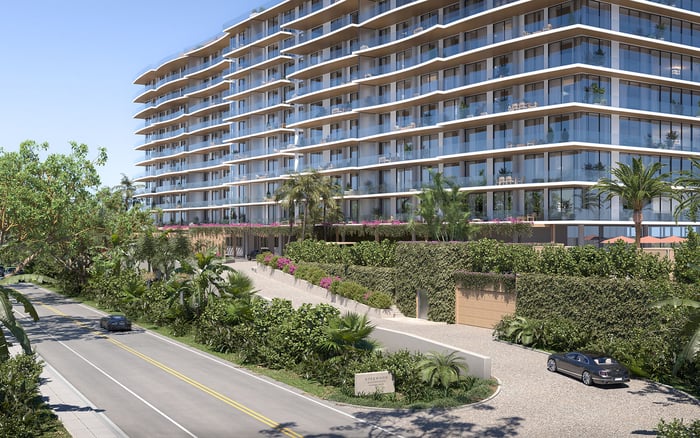
What makes Miami different is range. Luxury inventory spans high-rise condo towers with full-service operations, boutique waterfront buildings with a quieter footprint, and single-family enclaves buffered by gates, landscaping, and distance from the street. Because the product mix is broad, “where to buy” rarely has one clean answer.
A more useful framework is how tech buyers build a shortlist and then pressure test it against three constants: privacy, daily logistics, and long-term value. In practice, buyers focus less on hype and more on whether a home functions like quiet infrastructure.
In South Florida, the shortlist tends to consolidate into a few recognizable corridors. Brickell offers an urban, service-forward core. Coconut-grove leans residential and green. Miami-beach delivers resort polish and cultural access, with visibility tradeoffs. Fisher-island is the privacy maximalist’s outlier, where separation is part of the value proposition.
Tech buyers are often less interested in obvious display and more interested in performance. In real estate, “performance” means protecting time, reducing friction, and making privacy predictable.
A discreet buyer’s checklist commonly includes:
Privacy and low exposure: Controlled access, distance from street-level visibility, and a thoughtful arrival sequence matter. In single-family homes, landscaping, setbacks, and sightlines can be as meaningful as raw square footage.
Service and operational reliability: In luxury condos, the real differentiator is often building operations. Staffing consistency, maintenance culture, and discretion in day-to-day interactions are part of the product. Buyers who travel frequently prioritize a building that runs cleanly when they are away.
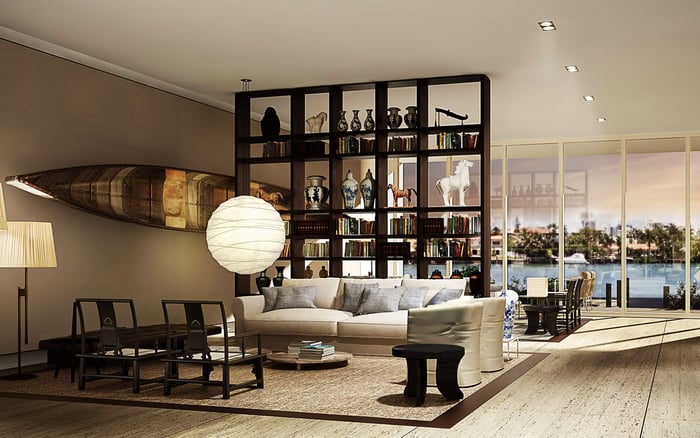
Design that supports work and recovery: Many tech leaders want spaces that can shift between quiet work, hosting, and wellness routines without feeling compromised. Clean layouts, strong natural light, and acoustic calm frequently outrank ornate finishes.
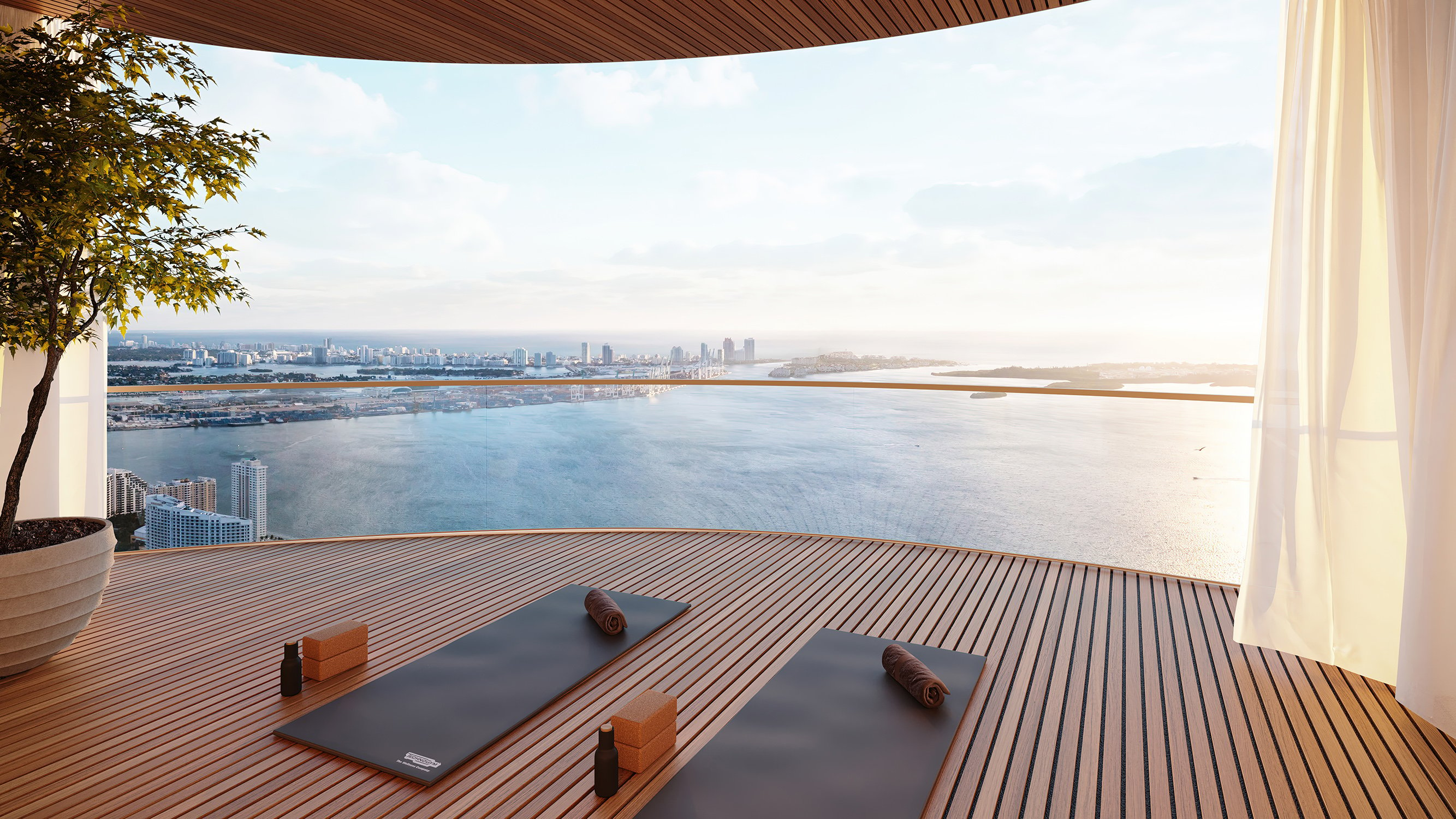
Water and outdoor life: South Florida rewards buyers who live outdoors. Terraces, views, and the ability to get on the water can turn a residence from “beautiful” into indispensable.
Exit optionality: Even when buyers say they will never sell, sophisticated underwriting still happens. Many prefer homes that can resell to multiple buyer pools, rather than only one narrow niche.
South Florida is not one market. It is a mosaic of micro-markets with different social norms, building typologies, and daily rhythms. This is how tech buyers commonly evaluate the shortlists they return to again and again.
Brickell: For founders and executives who want a true urban base, Brickell can feel like a modern command center. The draw is proximity to dining, offices, and waterfront routes, plus a concentration of newer luxury inventory that makes turnkey ownership realistic. Brickell also appeals to buyers who like branded experiences and hospitality-style service, provided the building culture remains discreet and the day-to-day is well managed.
Coconut-grove: Coconut-grove reads as leafy, residential, and quietly upscale. It tends to compete well against flashier beachfront options for buyers who want neighborhood cadence over constant energy. For families, it can offer a refined lifestyle that does not feel like living inside a resort environment.
Miami-beach: Miami-beach often divides into two buyer motivations. Some want a full resort feel with immediate beach life. Others want a stylish social base near culture, dining, and design. The tradeoff is visibility. Buyers who value anonymity need to be more selective about building scale, the privacy of arrival, and how public the lifestyle feels in practice.
Fisher-island: For the privacy maximalist, Fisher-island is a distinct proposition. The island factor tends to filter for residents who prioritize separation, calm, and a controlled community feel. Buyers sensitive to attention often appreciate the psychological privacy that comes from a location that is not casually accessed.
For many tech buyers, the condo versus single-family decision is less about status and more about how they actually spend time. The best choice is the one that aligns with a buyer’s operating model.
Why the condo route wins for many tech buyers A condo can be the most efficient luxury lifestyle in South Florida, especially for frequent travelers. The right building offers a managed environment with staffing, layered security, and amenities that reduce the need to build a full household operating system. For the lock-and-leave buyer, the best buildings feel like a private club with residential quiet and operational consistency.
The tradeoff is inherent to shared living. Rules, culture, and neighbor behavior matter. Buyers who are sensitive to elevator traffic, lobby exposure, and noise should spend time in the building at different hours. The unit can be perfect while the building experience is not.
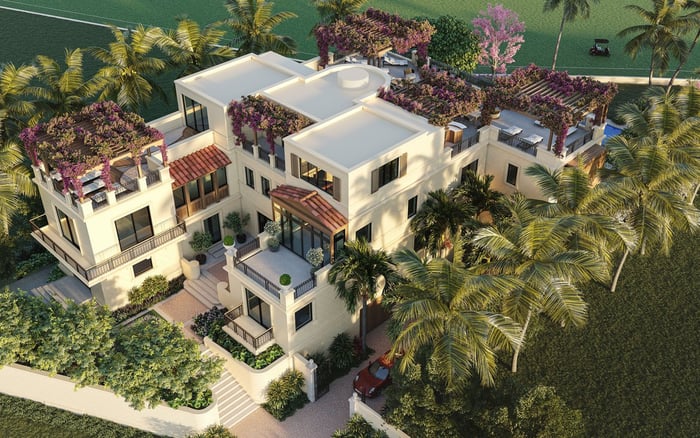
Why single-family wins when privacy is the product Single-family homes tend to win when privacy is non-negotiable, or when the buyer wants full freedom to build a customized wellness and work environment. A well-designed home can create a controlled arrival sequence, strong sound separation, and indoor-outdoor flow that a condo cannot replicate.
The tradeoff is operational complexity. Staffing, maintenance, and storm readiness become ongoing management. For buyers who value simplicity, even a beautiful home can feel like overhead if it requires constant coordination.
A hybrid approach that shows up often Some buyers end up with two complementary assets: a condo in a core area like Brickell for weekday efficiency, and a more private residence in a quieter setting for weekends and reset time. That approach can make sense when travel, entertaining, and family needs do not fit neatly into one property type.
South Florida listings can be heavy on buzzwords. Tech buyers tend to move quickly from marketing language to measurable reality. The goal is not novelty, it is durability.
High-value features that age well Sound control: Quiet is real luxury. In condos, buyers listen for hallway noise, elevator movement, and mechanical systems. In homes, they look for thoughtful room placement and construction choices that support calm.
Seamless indoor-outdoor living: In a climate built for outdoor life, the best homes make terraces and outdoor areas easy to use. When outdoor space is effortless, it becomes part of the daily routine rather than an occasional feature.
Smart-home readiness: Many buyers plan to upgrade systems, but they want a property that can accept modern infrastructure without major reconstruction. Clean wiring pathways, strong connectivity options, and flexible mechanical spaces support future-proofing.
Low-drama parking and arrival: A discreet arrival sequence matters. In condos, private elevator access and secure, predictable parking routines can be more valuable than decorative lobby glamour.
Features that require extra skepticism Overpromised “privacy”: Privacy is not a label. It is the outcome of access control, sightlines, staffing, and neighbor culture.
Lifestyle amenities that look better than they live: Buyers should evaluate whether they will actually use the building’s offerings, and whether those amenities create crowds or noise that erode the sense of sanctuary.
Many tech executives are less concerned with celebrity attention and more concerned with predictable privacy. In South Florida, that often comes down to practical decisions about building culture, arrival patterns, and the environment that surrounds a residence.
Choose a building culture, not just a floor plan Luxury buyers can tour a flawless unit and still miss what determines daily life. In a condo, staff habits, lobby flow, visitor rules, and management tone shape the experience as much as finishes and views. Discretion is often a cultural norm, not a written promise.
Treat arrival as part of the residence If a buyer cannot arrive without being seen, the residence may not function as a true retreat. In condos, this means understanding valet routines, elevator access, and how guests are processed. In single-family homes, it means evaluating the driveway, gate placement, sightlines, and how the property reads from the street.
Run a real privacy audit Privacy improves with distance, landscaping, and intelligent layouts. It can be undermined by nearby social hot spots, high-traffic neighbors, and buildings that actively promote nightlife energy. The disciplined move is aligning the home’s environment with the life the buyer actually lives, not the life a brochure suggests.
A luxury purchase is ultimately a lifestyle subscription. The sophisticated approach is to model a normal week, then buy the property that supports that model with the least friction.
Weekday cadence: If the buyer expects to work from home, they should test daylight, acoustics, and how many separate work zones are realistically possible. If commuting will be part of the pattern, it is worth considering the routes that are actually used, not the routes that look good on a map.
Wellness routine: Many tech buyers treat wellness as non-negotiable. They often look for spaces that support training, recovery, and quiet without requiring a complicated schedule. The best homes make wellness easy to maintain.
Entertaining: The strongest entertaining homes are not always the biggest. They are the most frictionless, with intuitive flow from arrival to living spaces, and with outdoor areas that feel like a true extension of the interior.
Escape velocity: South Florida is at its best when it offers both energy and calm. Buyers should decide whether they want to live in the center of activity or a short drive away, then buy accordingly.
Branded residences can be attractive to tech buyers because they promise a defined standard and a hospitality mindset. At their best, they feel like well-run systems, which resonates with buyers who value execution and consistency.
Still, a brand is not a substitute for due diligence. Buyers should evaluate who actually manages day-to-day operations, how resident privacy is handled, and whether the building’s marketing profile aligns with the buyer’s comfort level around visibility.
For a current, Miami-centric reference point in the branded, design-forward conversation, consider Mercedes-Benz Places Miami.
Even in an aspirational market, disciplined buyers stay disciplined. The goal is a residence that works now and still makes sense later.
Think in optionality A home that only works for a narrow lifestyle can be difficult to resell. Tech buyers often prefer layouts and locations with broad appeal, even if they plan to hold long term. Optionality is not pessimism, it is intelligent structure.
Underwrite the boring parts The most expensive surprises tend to come from unglamorous details: noise sources, maintenance realities, and building culture. Buyers should build time into the process to observe a property at different hours and to ask management-level questions that go beyond the listing narrative.
Use discretion as leverage In the ultra-luxury segment, discretion is currency. A clean, quiet process can be valuable to sellers and can influence outcomes in ways that do not show up in public narratives.
If you are relocating from the Bay Area or adding a South Florida base, build your shortlist from function rather than hype. The fastest path to a good decision is clarity on how you want the home to operate.
Start with your daily operating model Do you need walkability and a true urban feel, or do you prefer greenery and neighborhood cadence? Do you travel weekly, or do you host frequently? Those answers naturally point toward Brickell, Coconut-grove, Miami-beach, Fisher-island, or a blend.
Decide your privacy threshold early Some buyers want to be part of the scene. Others want the scene at a distance. Defining that threshold before touring prevents expensive indecision and reduces the temptation to rationalize a property that does not actually fit.
Choose a property that matches your “future self” Miami can change how you spend time. Buyers often discover they use outdoor space, waterfront access, and wellness amenities more than expected. The right property supports that evolution without forcing a lifestyle you do not want.
What neighborhoods should I tour first if I want both privacy and convenience? A strong first pass is to compare Brickell for turnkey access and daily efficiency against Coconut-grove for residential calm, then add Miami-beach or Fisher-island if water access and separation are core priorities. The right order depends on how much visibility you are willing to accept for walkability and social proximity.
How do I evaluate a condo building’s discretion before buying? Treat discretion as an operational standard, not a marketing line. Spend time in the lobby at different hours, observe how staff manage visitors and deliveries, and ask clear questions about access, guest policies, and management culture. The building’s routines often tell you more than the finishes inside the unit.
Is Brickell better for a lock-and-leave second home than Miami-beach? Often, yes, if your priority is a frictionless urban base with dense services and newer turnkey inventory. Miami-beach can be ideal when beach lifestyle and resort energy are the point, but it can come with more visibility depending on the building and the micro-location.
What due diligence steps matter most for a waterfront lifestyle? Focus on the realities that affect everyday use: noise exposure, the practicality of outdoor living areas, the reliability of building operations if you are in a condo, and the maintenance and storm-readiness responsibilities if you are in a single-family home. Visit at different times to understand wind, activity, and how the property actually lives.
How should I think about resale if I plan to hold long term? Underwrite resale anyway. Prioritize locations and layouts with broad appeal, and avoid features that only work for a narrow lifestyle. Optionality protects you even if you never sell, because it keeps the asset resilient across changing market cycles.
For a discreet, high-touch search across South Florida, connect with MILLION Luxury.
If branded residences are on your mind — as a home or as an allocation — we would be glad to share what we are seeing, privately.
Begin a quiet conversation