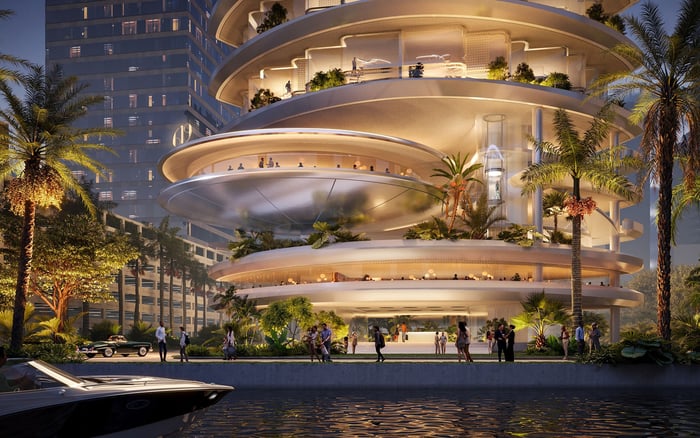
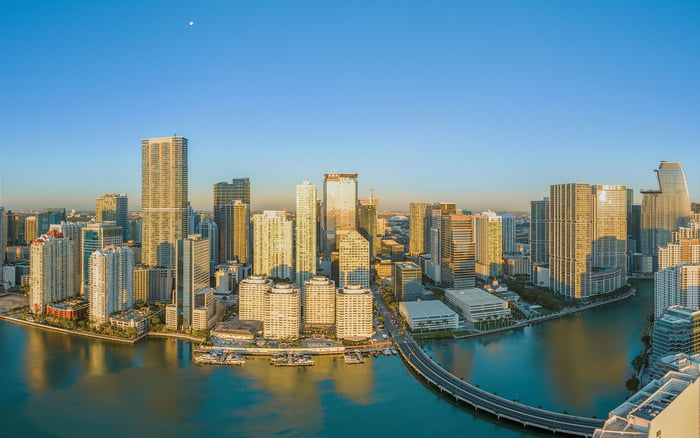
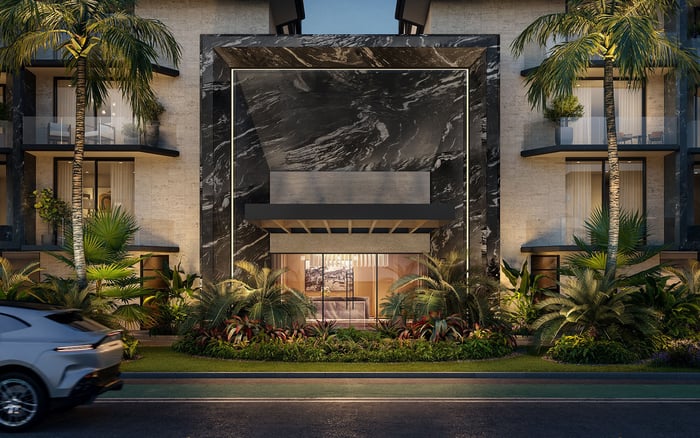
Seasonal ownership in South Florida rewards simplicity, predictability, and service. For many high-net-worth buyers, a luxury condominium delivers that outcome more consistently than a standalone house: shared maintenance, staffed lobbies, controlled access, and building-wide storm readiness that makes leaving town feel routine rather than risky. This editorial breaks down the practical reasons condos have become the preferred second-home format for many part-time residents, from governance under Florida’s Condominium Act to the real cost of remote oversight during hurricane season. It also clarifies the tradeoffs: association rules, monthly fees, and long-term value dynamics that can differ from single-family homes.
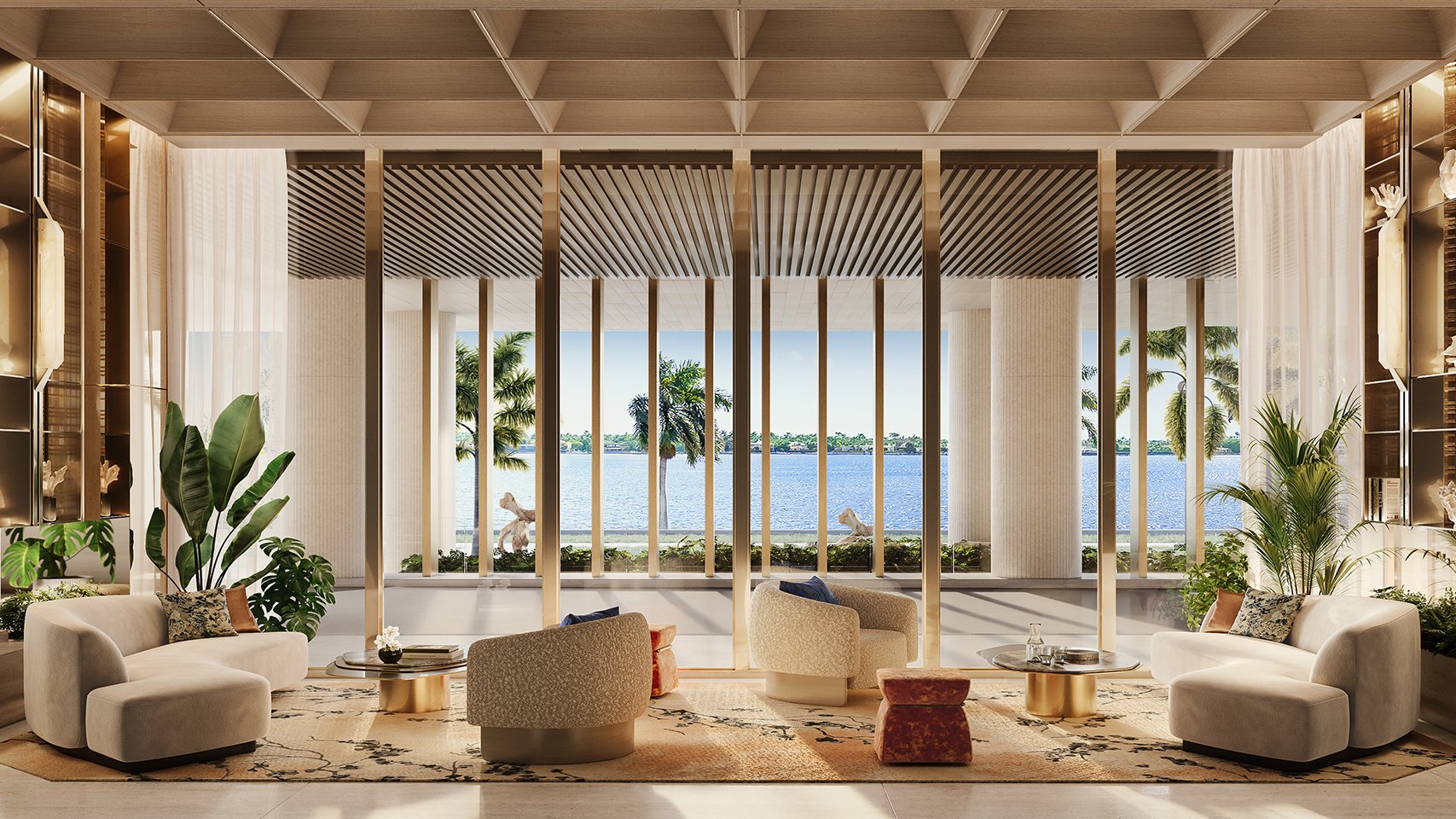
South Florida has always been a place where time is the rarest commodity. Seasonal buyers are not looking for a second job disguised as a second home. They want to land, open the door, and find a residence that’s ready for living-not troubleshooting.
That preference is a major reason luxury condos so often win the second-home decision over single-family homes. In a condominium, many exterior and common responsibilities are handled collectively. The “lock-and-go” promise is not just marketing language; it’s an ownership framework that reduces exposure to maintenance surprises, vendor coordination, and the low-grade anxiety of wondering what happened while you were away.
A single-family home can be an extraordinary lifestyle statement, but it demands a different appetite: more hands-on stewardship, more moving parts, and greater reliance on a trusted local team. For some owners, that involvement is part of the pleasure. For many seasonal residents, it’s the opposite of what they came to Florida to feel.
One reason condos feel simpler is that the operating model is standardized. Florida’s Condominium Act (Florida Statutes Chapter 718) provides the legal framework that governs condominium operations and owner protections. In practice, this creates a familiar rhythm for buyers who own in multiple markets: an association with defined responsibilities, bylaws and rules, and a structured method of funding and maintaining shared elements.
This does not remove risk-it reallocates it. Instead of every issue landing directly on the owner, many building-level decisions move through the association. For a seasonal buyer, that can be a feature: governance is centralized, maintenance is organized, and the building’s long-term condition becomes a shared priority rather than a private burden.
The tradeoff is equally clear. You are buying into a community of decisions. Rules, approvals, and operational policies shape day-to-day living. Luxury buyers often accept this willingly, provided the rules protect privacy, calm, and architectural integrity.
The clearest advantage of a luxury condo is how maintenance is packaged. Condo monthly fees generally fund building-level expenses like upkeep of shared areas and amenities. That can feel expensive-until you compare it to the true cost of running a standalone property from a distance.
In a single-family home, the owner is effectively the association: exterior maintenance, landscape, pool systems, security, periodic inspections, and the inevitable repair cycle. When you’re not local, even minor issues become operational. Someone must be on call to confirm a leak, meet the vendor, approve the work, and verify completion.
Second-home owners frequently turn to professional property management for oversight while they’re away, reflecting the reality that remote ownership requires steady attention. Professional management is commonly priced as a percentage of rent in many markets, often cited in the 8 to 12 percent range. Even if you’re not renting, the principle holds: the home needs eyes on it, a cadence of checks, and a plan.
By contrast, a well-run condominium can convert much of that overhead into a predictable monthly line item. Seasonal owners often prefer this cost structure-especially when the building delivers the operational polish expected at the ultra-premium level.
South Florida’s hurricane season runs June 1 through November 30. For residents who are not in town year-round, that calendar matters. A standalone home can be perfectly safe, but it demands preparation, monitoring, and post-storm response. If shutters weren’t secured, if a power issue affects climate control, or if landscaping debris becomes a hazard, the owner needs a rapid local response.
Condo and HOA communities are often advised to maintain hurricane-readiness plans, including communication protocols, property protections, and vendor coordination. Hurricane preparation guidance emphasizes centralized steps such as planning, securing common areas, and resident communication. For a seasonal owner, this coordinated approach can materially reduce individual burden. The building becomes the operational unit, and the owner becomes the recipient of updates rather than the project manager.
This is a subtle but decisive distinction. In a luxury condo, the question is often, “Is the building prepared?” In a single-family home, the question becomes, “Did my team execute every step-and did anyone verify it?” The difference in mental load is significant.
In areas like Miami-beach and Sunny-isles, where waterfront exposure and weather awareness are part of everyday life, the value of coordinated readiness becomes even more tangible.
Luxury has shifted from finishes alone to experience. Many seasonal buyers want hospitality-caliber service: staffed arrival, secure deliveries, curated amenity programming, and an operating culture that feels consistent even when the owner is away.
That is one reason demand has grown for branded residences, which leverage hotel-derived operating models for service, amenities, and experience. The appeal is not simply a logo. It’s the expectation of training, staffing, and a playbook that makes the residence feel managed-not merely maintained.
In Palm-beach, for example, The Ritz-Carlton Residences® Palm Beach Gardens illustrates how luxury condos position themselves for part-time owners with concierge-style support and a service-forward amenity mix. The point is not to eliminate ownership responsibilities entirely. It’s to reduce the number of decisions required to enjoy the home.
Along Miami-beach, The Ritz-Carlton Residences® Miami Beach captures a similar proposition: a residential life that feels curated, secure, and operationally seamless-the kind of setting where arriving with one suitcase still feels complete.
A single-family home often delivers maximum autonomy. You control the façade, the landscape, the renovations, the rhythm of the property. For buyers who love architecture as an ongoing project, that control can be deeply satisfying.
Condominiums reverse the equation. You gain convenience and services, but you accept rules and shared standards. Consumer guidance often frames condos as offering amenities and reduced maintenance, but with HOA rules and fees. For seasonal owners, the calculus is straightforward: which option produces the fewest friction points during the months you are not present?
Privacy is also nuanced. A single-family home may feel more secluded, but it can also feel more exposed when you’re not there. In a luxury condo, controlled access, staffed lobbies, and neighbor presence can create a different kind of security: passive oversight.
For buyers who split time between cities, that passive oversight is often worth more than an extra courtyard.
Many buyers assume the “best” second home should also be the “best” long-term investment. The reality is more layered. Long-term analysis often finds single-family homes can outperform condos in appreciation in many markets, though outcomes vary by location, product quality, and market cycle.
Seasonal buyers do not always optimize for maximum appreciation. They optimize for maximum usability. A condo that is effortless to own may deliver a better real-life return than a house that appreciates more on paper but demands constant oversight.
That said, a disciplined buyer treats the condo purchase like any other asset: scrutinize the association’s governance and reserves, understand the rules that affect usage, and evaluate how the building’s service model aligns with your expectations. The Florida condo framework provides structure, but the lived experience depends on how well a building executes it.
South Florida offers multiple flavors of condo ownership, and seasonal buyers tend to choose based on how they intend to live.
In Brickell, the preference often leans toward high-rise convenience and proximity to dining, culture, and business life. A setting like Una Residences Brickell can align with owners who want a sleek, urban home base with a strong amenity stack, minimal exterior responsibility, and a true sense of arrival.
In Edgewater, the appeal can be water views with a slightly more residential cadence, where buildings emphasize lifestyle amenities and daily ease. Aria Reserve Miami speaks to that blend: a vertical residence designed to support an owner who wants the city’s energy without inheriting the maintenance complexity of a standalone waterfront property.
In Surfside, the buyer often prioritizes a quieter, design-forward coastal experience. The Surf Club Four Seasons Surfside is emblematic of how service-led living and beachfront access can pair with the “leave for weeks and return to perfection” expectation.
Across these submarkets, the common thread isn’t just location. It’s operational certainty.
Seasonal ownership works best when you buy for operational fit, not simply for a view.
Start with governance and rules. Condos are a lifestyle contract. Understand how the association handles alterations, deliveries, guests, and day-to-day building operations. These policies shape the experience as much as the architecture.
Next, quantify your true cost of ownership. A single-family home may appear less expensive month to month, but remote oversight, routine maintenance, and storm readiness can turn into a layered annual budget. In a condo, much of that cost is embedded in fees, making it easier to forecast.
Then, pressure-test the hurricane plan. The most reassuring buildings communicate clearly, coordinate vendors, and implement building-wide steps that reduce uncertainty for absent owners.
Finally, clarify your personal use strategy. Second-home purchases require planning around maintenance, market cycles, and whether the home will ever be rented. Tax considerations can differ depending on whether a property is treated as a primary residence or a second home, and eligibility for certain primary-residence-related benefits depends on use and residency facts.
Seasonal buyers who do this work upfront tend to enjoy the cleanest version of South Florida living: a home that performs quietly in the background while life takes center stage.
What does “lock-and-go” mean in luxury real estate? It describes a home designed for easy departures, with minimal exterior upkeep and systems that can be managed without constant owner involvement.
Why do condos feel easier to own than single-family homes when you travel often? Many exterior and common responsibilities are handled collectively by the association, reducing the number of tasks that require your presence.
Do condo fees replace most maintenance costs? Fees typically fund building-level maintenance and amenities, but owners should still budget for interior upkeep and any unit-specific repairs.
What is the key tradeoff when choosing a condo? You gain convenience and services, but accept rules, shared decisions, and monthly fees set by the association.
How does hurricane season affect second-home ownership in South Florida? Absent owners face higher monitoring and response needs during June 1 to November 30, making coordinated building readiness especially valuable.
Do condo associations typically have hurricane preparation plans? Many are advised to maintain readiness plans with communication protocols and vendor coordination to protect common areas and residents.
What are branded residences, and why do seasonal buyers like them? They use hospitality-style operating models, which can deliver more consistent service and a more turnkey experience for part-time owners.
Is a single-family home always a better investment than a condo? Single-family homes often outperform condos in long-term appreciation in many markets, but individual outcomes depend on location and product quality.
Should seasonal owners hire property management for a house? Many do, because remote oversight is operationally demanding; management is often priced as a percentage of rent in many markets.
What should I clarify about taxes before buying a second home? Benefits tied to primary residence status depend on your actual use and residency facts, so align your plan with professional advice.
To compare the best-fit options with clarity, connect with MILLION Luxury.
If branded residences are on your mind — as a home or as an allocation — we would be glad to share what we are seeing, privately.
Begin a quiet conversation