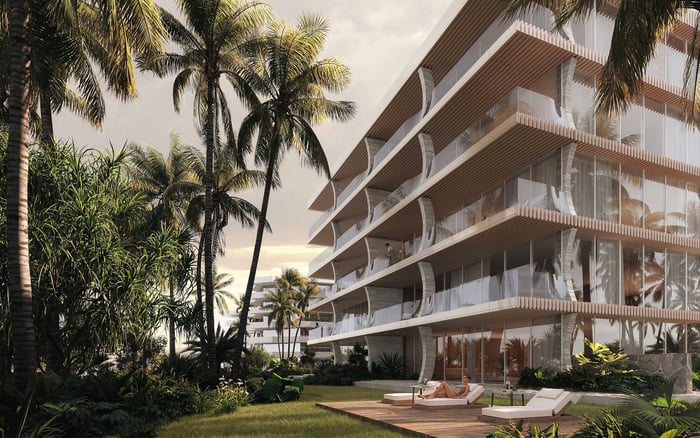
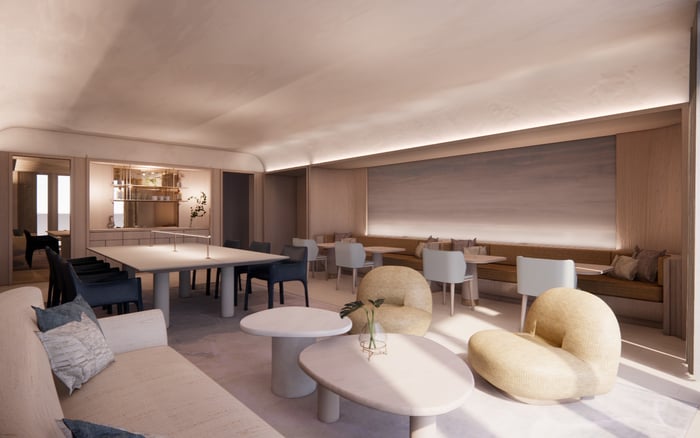
Florida’s fly-in communities sit at the intersection of luxury real estate and private aviation, offering runway or helipad-adjacent living with a level of convenience that traditional waterfront enclaves cannot replicate. For buyers anchored in Palm Beach and Broward, the most compelling options range from established runway-centered neighborhoods to ultra-private enclaves built around helicopter access. Here are six standout communities, plus a practical guide to evaluating airpark lifestyle fit.
In South Florida, convenience is the most traded currency. Waterfront addresses compress weekends; walkable neighborhoods compress weekdays; private aviation compresses geography. Airpark and aviation-oriented communities do something quietly radical: they make departure a home amenity, not a commute. Florida is unusually deep in this niche, with 80 residential airparks statewide. That breadth matters: it delivers real choice, from legacy fly-in neighborhoods with established governance to ultra-low-density enclaves designed for discreet arrivals. For Palm Beach and Broward households, the objective is typically the same, reduce friction between estate life and travel. Sometimes that means a runway and taxiway network at your doorstep. Sometimes it means an efficient ground transfer to a general-aviation field. And in a handful of cases, it means helicopter access that prioritizes privacy over pavement.
1. Spruce Creek Fly-In, Port Orange, runway-centered scale
Spruce Creek Fly-In is widely cited as the world’s largest fly-in residential community, built around an on-site private airport. Its runway is a 4,000-foot paved, lighted strip, and the defining feature is the community’s taxiway system, connecting homes and hangars directly to the airfield. For buyers, the appeal is optionality. The ecosystem supports a broad spectrum of residences, from attached options to larger single-family homes. The lifestyle is aviation-forward without feeling one-note, and the community’s scale can support long-term market liquidity.
2. Wellington Aero Club, Wellington, gated Palm Beach aviation with estate lots
Wellington Aero Club is a gated fly-in community organized around a private runway and taxiway-access homes with hangar functionality on large lots. The runway is also 4,000 feet, paved and lighted, practical for owners who want predictable operations without leaving the neighborhood. This is a Palm Beach County expression of the airpark concept: a residential setting that pairs Wellington’s prestige with aviation convenience, with many homes designed around an integrated “house + hangar” program.
3. Jumbolair Aviation & Equestrian Estates, Ocala, runway capability plus equestrian posture
Jumbolair Aviation & Equestrian Estates is positioned as a private community where aviation and equestrian priorities coexist. Lots are a core part of the offering, which can suit buyers who want to design around aircraft storage, privacy, and an equestrian program, without retrofitting an existing home. The community emphasizes runway capability and its aviation positioning, including suitability for large aircraft. For some buyers, that single attribute reframes the conversation from weekend flying to a more serious travel tool.
4. Akai Estates, Southwest Ranches, helipad-driven privacy in Broward
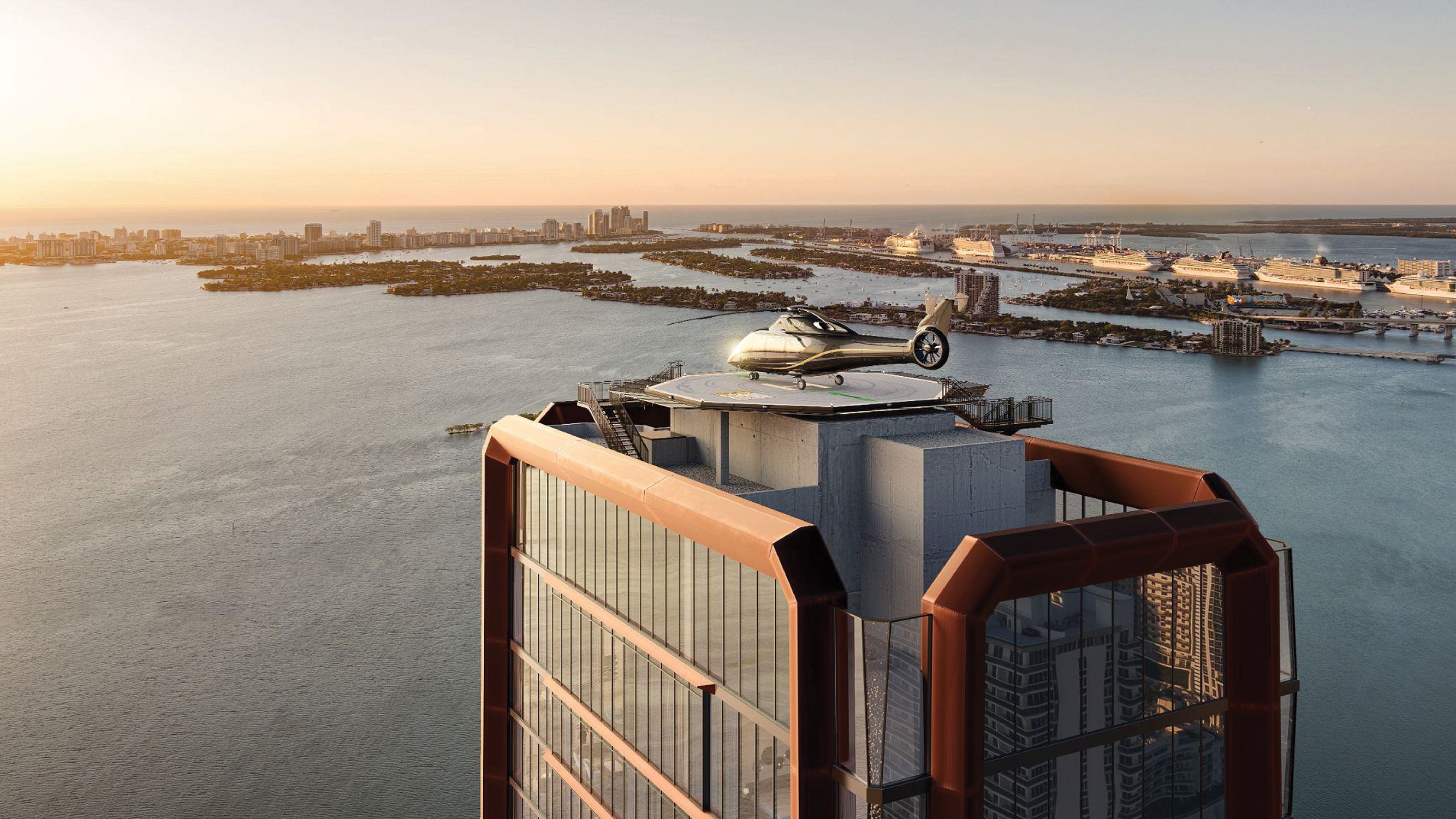
Akai Estates is a 16-home ultra-luxury enclave designed around privacy and a residents-only helipad. It is not a runway community, and that distinction is the point. Helicopter access can be an arrival strategy when discretion and speed matter more than storing an aircraft steps from your kitchen. For Broward buyers, Southwest Ranches also offers a rare combination of estate-scale land and proximity to major business corridors, while the helipad supports rapid air transfers when the schedule demands it.
5. Aero Estates Executive Airpark, Florida, planned aviation-first campus concept
Aero Estates Executive Airpark is presented as a planned aviation-first development concept integrating residential units, hangars, and an aviation business park around a long runway. The program reads less like a typical subdivision and more like a full-service aviation campus. As with any planned concept, the value proposition is in the blueprint. Buyers drawn to purpose-built aviation infrastructure and a coherent master plan should align expectations with what is publicly disclosed for proposed sites and timelines.
6. Tailwinds Airpark at Ranch Colony, Jupiter, boutique fly-in living within Ranch Colony
Tailwinds Airpark at Ranch Colony is promoted as a small fly-in subdivision anchored by a private runway and estate lots within the Ranch Colony area. In boutique airparks, the differentiator is intimacy: fewer rooftops, a more club-like feel, and an ownership base that often shares similar operational expectations. Listings in the neighborhood frequently frame “home + hangar” as a single lifestyle package, with runway adjacency doing the work that a marina slip does in waterfront markets.
Aviation-oriented real estate isn’t one category. It’s three. Runway-centered airparks deliver the purest convenience: aircraft storage, preflight, and departure are designed into the neighborhood. Taxiway access is the detail that separates “near an airport” from “integrated with it.” In communities like Spruce Creek Fly-In and Wellington Aero Club, that connective tissue is what makes the lifestyle feel seamless. Helipad-centric enclaves, by contrast, are often about arrival psychology. A residents-only helipad can function as a privacy instrument, enabling discreet transfers without the daily visibility and operational footprint of a runway community. For many South Florida buyers, the third model is proximity: choosing a premier condo or estate address and relying on a nearby general-aviation airport for departures. If you value concierge living, security staffing, and lock-and-leave simplicity, an ultra-luxury tower can serve as the “home base” that makes aviation easier, even without on-site aircraft infrastructure. In Brickell, for example, 888 Brickell by Dolce & Gabbana speaks to buyers who want a high-design residence that pairs naturally with a private-flight routine.
For Miami, Fort Lauderdale, and Palm Beach households, airport choice is a practical underwriting decision. Fort Lauderdale Executive Airport is a major general-aviation field with documented airport data and services used by business and private flyers, and it often enters the conversation for Broward-based owners. Regionally, Opa-locka, Fort Lauderdale Executive, and Palm Beach International are commonly treated as key private-aviation gateways for the Miami-to - Palm Beach corridor. The best fit comes down to where you live, how you travel, and what kind of operation you run. This is where residential selection and aviation planning converge. A helipad-centered community in Broward can be rational if it reduces ground time to your preferred field. A Palm Beach-area runway community can be rational if it turns a travel day into a walk across your own property.
Airpark living rewards precision. Before you fall in love with a hangar door and a sunset taxiway, pressure-test four buyer-grade variables. First, infrastructure: runway lighting, paving, and the logic of taxiway connections shape usability, not just romance. Second, security and governance: gated access, community rules, and operational culture will either protect your peace or erode it. Third, resale breadth: communities with a wider housing spectrum can offer more liquidity, while boutique airparks may feel more exclusive but can be thinner on buyers at exit. Fourth, lifestyle adjacency: many aviation buyers still want proximity to coastal dining, private schools, or beach access, which is why some prefer pairing airport proximity with a coastal address. In Fort Lauderdale, Four Seasons Hotel & Private Residences Fort Lauderdale suits a frequent flyer who wants service, privacy, and an effortless lock-and-leave profile. In Palm Beach, The Bristol Palm Beach can function as an elegant pied-à-terre for owners who split time between Wellington, the coast, and travel days. In Sunny Isles, Bentley Residences Sunny Isles speaks to buyers who want a statement residence and a north-south corridor that keeps both Miami and Palm Beach within reach.
The most common misconception is that aviation access automatically means isolation. In Florida, the density of airparks lets you choose your balance: established communities with broader inventory, gated fly-in neighborhoods near Palm Beach polo life, and boutique subdivisions within prestigious master-planned areas. Another misconception is treating the hangar as secondary. In aviation-first real estate, the hangar is often the true “second home”, storage, workshop, lounge, and logistics hub. That’s why hangar configuration and taxiway connectivity should be evaluated as value drivers, not accessories. Finally, many buyers underestimate the difference between owning an aircraft lifestyle and renting it. If private flights are central to your calendar, integrating your residence with aviation access can be as consequential as choosing waterfront versus non-waterfront in a traditional South Florida purchase.
What is an airpark community? It is a residential neighborhood designed around aviation access, typically with an on-site runway and taxiways connecting homes and hangars.
How many residential airparks are in Florida? Florida has 80 residential airparks, making it one of the most airpark-dense states in the U.S.
Which community is considered the world’s largest fly-in residential neighborhood? Spruce Creek Fly-In is widely cited as the world’s largest fly-in residential community.
Do any Palm Beach County communities offer runway-and-taxiway living? Yes. Wellington Aero Club is a gated fly-in community built around a private runway with taxiway-access homes.
What runway length is typical in the best-known Florida airparks? Several marquee communities feature 4,000-foot paved, lighted runways, supporting private aviation operations.
Is helicopter access a viable alternative to runway living in Broward? For privacy-first buyers, a residents-only helipad can deliver fast transfers without the footprint of a runway community.
Where do South Florida private flyers commonly base their trips? Opa-locka, Fort Lauderdale Executive, and Palm Beach International are often treated as key gateways for the region.
What is the main lifestyle advantage of taxiway access? Taxiway connectivity lets you move between your home, hangar, and runway with minimal friction.
Are there boutique fly-in neighborhoods near Jupiter? Tailwinds Airpark at Ranch Colony is promoted as a small fly-in subdivision with runway adjacency and estate lots.
Can a luxury condo still work for a private aviation lifestyle? Yes. Many buyers pair a lock-and-leave tower residence with quick access to a preferred general-aviation airport.
For tailored guidance, speak with MILLION Luxury.
If branded residences are on your mind — as a home or as an allocation — we would be glad to share what we are seeing, privately.
Begin a quiet conversation