In South Florida’s $10M-plus tier, presentation is no longer a finishing touch. It is the language the market uses to decide whether a home feels inevitable at the asking price or merely available. With ultra-luxury thresholds reaching $10.4 million for Miami-Dade single-family sales and a cash-heavy buyer pool that tends to move quickly once a property reads as turnkey, the best listings treat staging and photography as an integrated strategy: spatial clarity, emotional calm, and cinematic proof. This MILLION Luxury playbook focuses on what actually changes outcomes at the top end: defining scale in modern open plans, designing an arrival sequence that holds up in person, and building a digital “first showing” that works for out-of-state and international buyers. The goal is not decoration. It is decision-making ease.
Ultra-luxury in Miami-Dade has become a defined, rarefied bracket. The top 1% threshold for single-family sales now sits around $10.4 million, with the broader luxury threshold rising alongside it. In a region where micro-markets can price in the stratosphere, the difference between “beautiful” and “buyer-ready” becomes measurable, in attention, urgency, and leverage. That urgency is amplified by how these properties trade hands. A large majority of $10M-plus deals have been all-cash, a reminder that interest-rate sensitivity is not the primary governor of demand at the peak. Instead, friction is. When a home is easy to understand, easy to trust, and easy to picture living in, buyers can move decisively. At the same time, South Florida’s inventory of high-value homes has become more visible, and more competitive, with Miami even surpassing New York City in million-dollar listings in late 2025. In that environment, presentation is not about theatrics. It is about removing reasons to hesitate.
For many luxury purchasers, especially out-of-state and international, the “tour” begins on a phone and ends with a short list. Photography, video, drone coverage, and 3D tours are no longer marketing extras; they function as the first private showing. The implication is straightforward: staging and media must be built as one system. If staging creates a mood the camera can’t hold, the listing underperforms online. If photography flatters the space beyond what a buyer encounters in person, it creates distrust at the threshold. In a $10M-plus negotiation, distrust is expensive. A disciplined approach prioritizes three outcomes:
scale that reads accurately
flow that registers instantly
finishes that stay consistent across every frame.
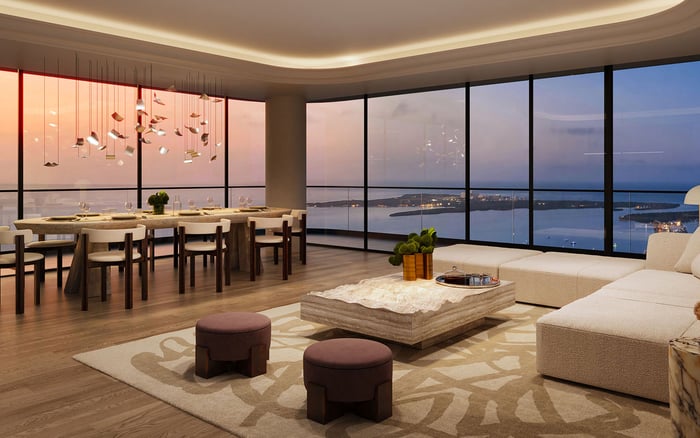
At the top end, staging isn’t about filling rooms. It’s about controlling perception. The strongest properties feel quieter than their square footage: nothing to solve, nothing to second-guess. Staging research has found that a meaningful share of agents believe staging increases the dollar value offered by 1% to 10%. In ultra-luxury terms, that range can eclipse the full cost of a staging program, even when the budget is substantial. Three rooms carry outsized weight in buyer judgment: the living room, the primary bedroom, and the kitchen. These are the spaces where lifestyle is evaluated, and where buyers test whether the home supports both privacy and hospitality. In South Florida’s contemporary layouts, one more variable matters: open-plan ambiguity. Large great rooms can feel breathtaking and undefined at the same time. A strong staging plan “names” the room by establishing distinct zones: a conversation area oriented to the view, a dining setting scaled to the architecture, and, when possible, a work or reading moment that reflects how modern households live. This is also where branded and hospitality-adjacent residences can stage with particular discipline. In settings like Casa Cipriani Miami Beach, the buyer is not only purchasing a home, but an expectation of service, arrival, and turnkey ease. Staging that feels effortless and hotel-calibrated reinforces that promise without needing to state it.
Virtual staging can help illustrate potential, but in Miami’s luxury ecosystem it carries a specific risk: it can set expectations the physical space can’t meet. When a buyer arrives and the finishes, condition, or proportions diverge from the images, emotional momentum breaks. Physical staging often wins for a simple reason: it resolves scale and flow in real space. In a market defined by architecture, ceiling height, and indoor-outdoor transitions, buyers want to feel the correct distance between seating and glass, the correct width of circulation paths, and the correct relationship between kitchen, dining, and view. The most protective rule is also the simplest: if you stage virtually, do not ask the camera to promise what the property cannot deliver in person. Luxury buyers aren’t allergic to imagination, but they are highly attuned to misalignment.
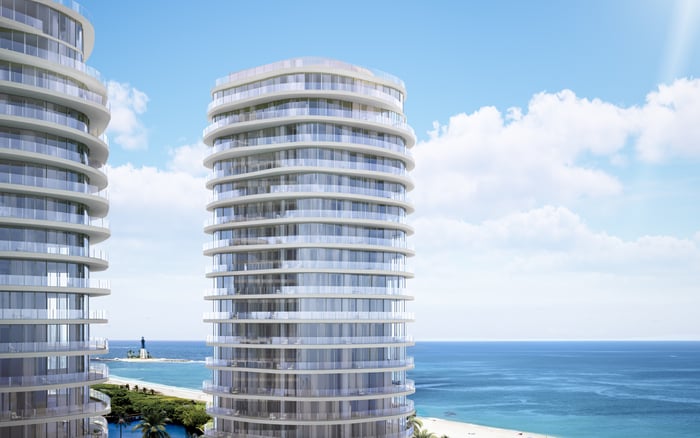
In South Florida, first impressions start before the door opens. The drive-up, walkway, landscape lighting, and entry composition form an emotional contract: this home is maintained, intentional, and ready. Curb-appeal staging isn’t merely aesthetic. It reduces “hidden work” anxiety. A buyer can forgive a personal design preference; they rarely forgive signals of deferred maintenance, coordination, or uncertainty. For tower residences, the arrival sequence shifts from landscaping to lobby presence and elevator-to-door pacing. The principle stays the same: the listing should feel composed and frictionless. In a skyline setting such as Una Residences Brickell, buyers often decide how they feel about the home before they reach the view, based on how cohesive the first five minutes feel.
Luxury photography should be cinematic, but it also has to be evidentiary. The buyer is asking, “Is this true?” not only “Is this pretty?” A well-built media package typically includes professional stills, video, and, increasingly, drone, twilight, and 3D tour elements. Each component does a different job:
Stills establish materials, composition, and light.
Video communicates flow and pace.
Drone provides orientation and context.
Twilight frames the home as an experience.
3D tours reduce uncertainty, particularly for remote decision-makers. The differentiator is consistency. If the kitchen reads warmer in stills and cooler in video, or the view appears wider in one format than another, buyer confidence erodes. A cohesive color strategy, matched timing, and restraint in post-production protect trust.
1. Define the great room — zones that teach the buyer how to live there
Open plans sell when they read immediately. Create distinct moments for conversation, dining, and quieter retreat so the room feels intentional, not merely large. This is especially important in glass-forward residences where views compete with furniture placement for attention.
2. Stage the living room, primary suite, and kitchen first — then work outward
These rooms consistently shape buyer perception. Start here, perfect sightlines and lighting, and only then refine secondary spaces. In practice, a primary suite benefits from hospitality cues: layered bedding, balanced nightstands, and a calm palette that photographs true.
3. Prioritize the arrival sequence — the first 30 seconds should feel inevitable
Whether it’s curb appeal or a tower’s door-to-view progression, the beginning must signal care and readiness. When the entry feels handled, buyers assume the rest is, too.
4. Choose physical staging when accuracy matters — avoid the in-person letdown
Physical staging clarifies scale and prevents the “it looked different in person” problem that can derail showings. If virtual staging is used, keep it conservative and aligned with the home’s actual condition and finishes.
5. Build a digital first showing — stills, video, drone, twilight, and 3D that agree
Many $10M-plus buyers shortlist remotely. Your media must communicate flow, confirm proportions, and preserve trust across formats. A cohesive package reduces hesitation and makes the in-person visit feel like confirmation, not discovery.
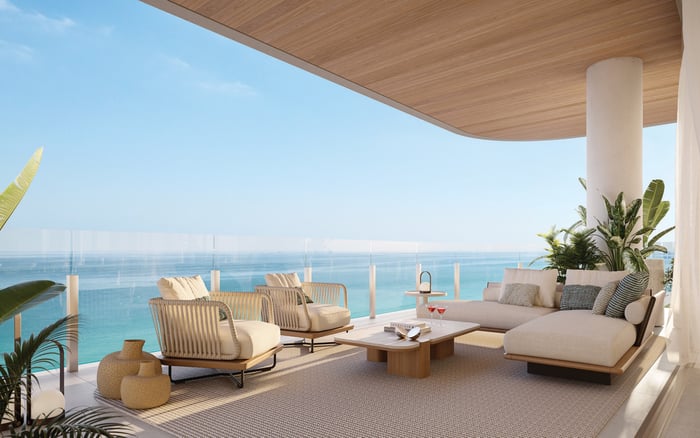
At ultra-luxury price points, the biggest financial risk isn’t the staging invoice; it’s the slow bleed of perceived negotiability. Once a home feels stale, the market begins pricing in an unspoken discount. Staging can be less expensive than a price reduction, particularly because it supports the original list narrative: the home is turnkey, composed, and priced with intention. Even when the national median cost of staging services is cited around $1,500, South Florida luxury programs can run far higher due to scale and customization. The principle holds: a controlled, front-loaded investment can help defend pricing power. This is also why certain product types tend to respond exceptionally well to presentation. Waterfront and park-facing residences reward clean sightlines and uncluttered glazing; boutique buildings reward intimacy and detail; branded residences reward a sense of staff-ready order. In Miami Beach, for example, staging that frames indoor-outdoor transitions can make the same square footage feel materially more livable in the buyer’s mind, especially when the camera captures the terrace as an extension of the living area. A property like Five Park Miami Beach naturally invites that kind of composition.
Before photography is booked, walk the home as a buyer would, not as an owner. Confirm that every open-plan area has a purpose, that walk paths are generous, and that furniture scale suits ceiling height. Remove anything that reads temporary: mismatched bulbs, over-personal accessories, and under-sized rugs that shrink rooms on camera. Finally, ensure the story stays consistent across the property. If the living room signals gallery-level restraint but the guest wing reads like storage, the listing loses editorial cohesion. In high-floor product, view framing matters. Keep glass clean, keep outdoor furniture minimal, and let the skyline do the work. In Edgewater, a presentation that leans into clean lines and water-facing calm can feel especially aligned with contemporary inventory such as Aria Reserve Miami.
Does staging really change offers in the $10M-plus market? Yes. Staging can lift perceived value and reduce hesitation, which can translate into stronger terms.
Which rooms should be staged first for luxury buyers? Prioritize the living room, primary bedroom, and kitchen, then refine secondary spaces.
Is virtual staging acceptable for ultra-luxury listings? Sometimes, but it must match the home’s real condition and finishes to avoid disappointment.
Why do physical stages often outperform virtual ones in Miami? They communicate true scale and flow, helping buyers understand how the home lives.
What should a $10M-plus photography package include? Professional stills plus video, with drone, twilight, and 3D tours used when they add clarity.
How important is curb appeal in South Florida? Extremely. The arrival experience sets trust and frames the entire showing.
Do cash buyers care less about presentation? No. Cash buyers often move quickly, and presentation helps them feel confident doing so.
Can staging be cheaper than a price reduction? Often, yes. A strong presentation can defend the list price and help avoid “stale listing” optics.
What is the biggest staging mistake in modern open plans? Leaving the space undefined, which makes buyers uncertain about function and scale.
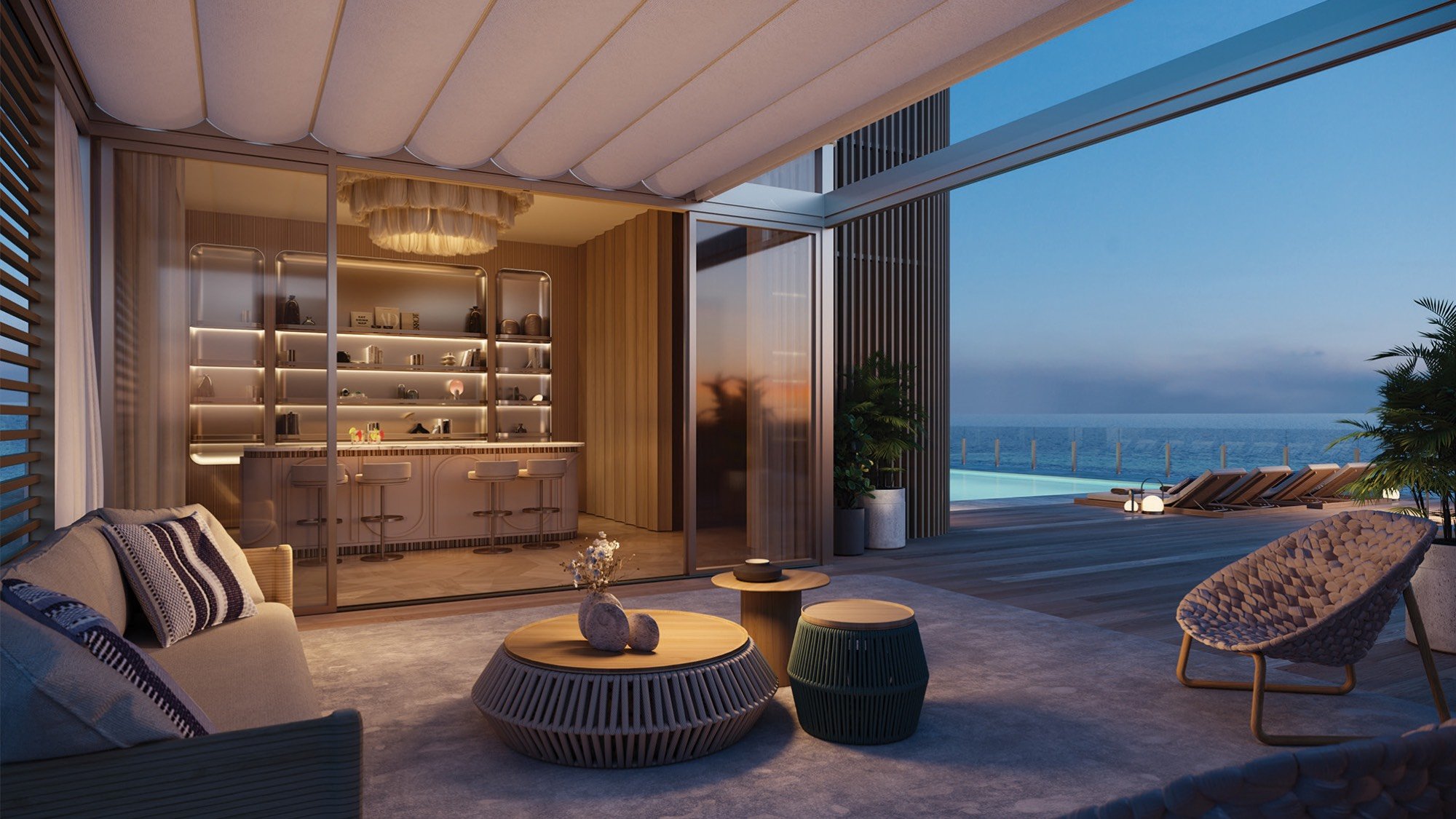
Should outdoor terraces be staged for ultra-luxury listings? Yes. In South Florida, buyers evaluate indoor-outdoor flow, and a staged terrace helps scale and lifestyle read true both in photos and in person.
For guidance that matches your timeline and lifestyle around Staging Ultra-Luxury Homes, speak with MILLION Luxury.
If branded residences are on your mind — as a home or as an allocation — we would be glad to share what we are seeing, privately.
Begin a quiet conversation