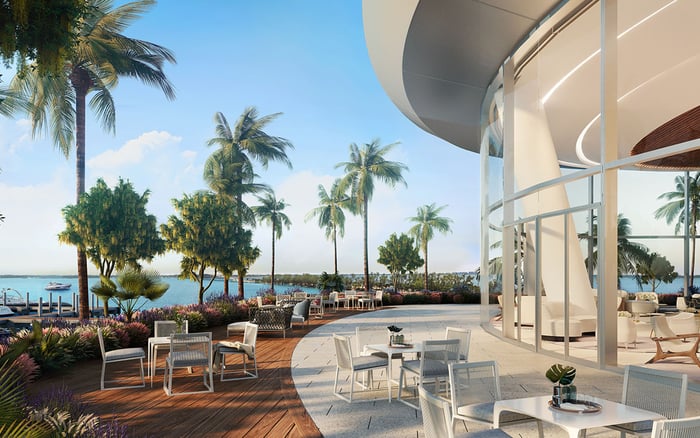
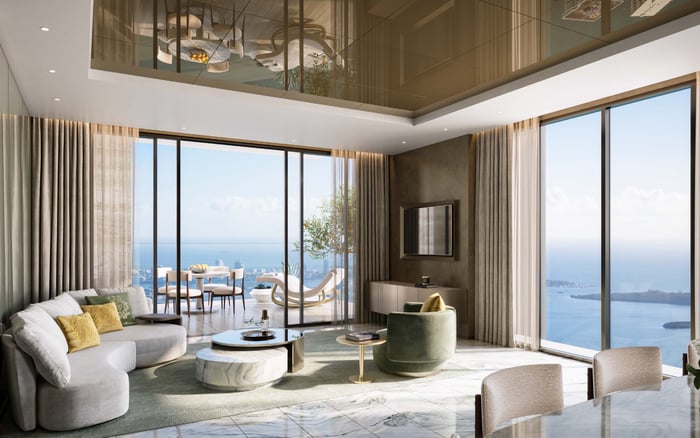
Corner residences remain one of the most consistently coveted positions in a South Florida tower. They offer more glass, more angles on the view, and typically fewer shared walls, but they also bring practical trade-offs: more exterior exposure to weather, potentially higher cooling demand, and sometimes more street noise. In today’s more negotiable luxury condo environment, the smartest approach is to separate the emotional draw from the defensible value by verifying how corner units have actually priced and resold within the same building and stack.
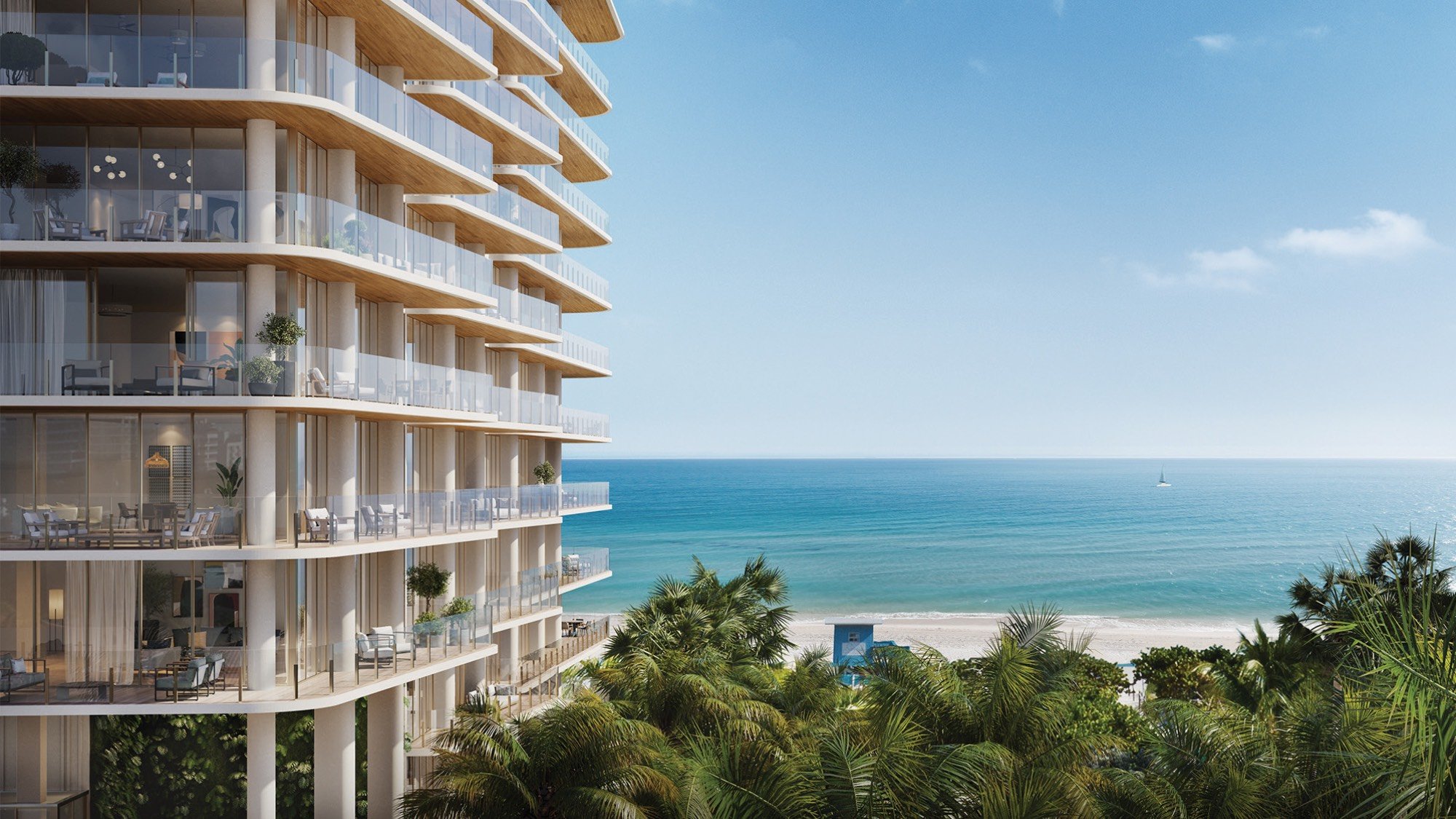
In Miami and the surrounding coastal markets, “corner unit” is more than a line item on a floor plan. It signals additional glass, wider sightlines, and a home that feels unusually open from morning through evening. Corner positioning is also inherently limited: in any given tower, only a small share of stacks can sit at the ends. That built-in scarcity can support durable demand-and real pricing power.
The more sophisticated question, however, is not whether corner units are desirable. It is whether the premium makes sense for how you plan to live in the home, how long you intend to hold it, and how you expect to exit. A corner can be the best allocation you make in a building-or an expensive indulgence if the view is compromised, the façade faces the wrong direction for your lifestyle, or the building’s maintenance discipline does not match its level of glass.
Corner residences typically have exterior exposure on two or more sides, while interior units often have windows on a single side. Practically, that translates to more daylight, more angles on the view, and a more dynamic interior that shifts with the sun.
In warm, humid climates, multi-exposure windows can also improve perceived comfort through cross-ventilation when conditions allow, and they can reduce the “dark interior zone” effect common in single-exposure layouts. Multiple window walls also tend to create more natural room definition-often making furniture placement feel easier and more deliberate, particularly in open-plan great rooms.
Privacy is the quiet driver that rarely gets quantified but is often decisive. Many corner units share fewer walls with neighbors, sometimes only one. That reduced adjacency can mean less noise transfer and a greater sense of separation, especially in buildings where daily life includes frequent arrivals, deliveries, and entertaining.
For buyers drawn to curated, design-forward towers, the corner proposition is often part of the brand experience: the residence is intended to live like a pavilion in the sky. In Brickell, for example, buyers attracted to the neighborhood’s vertical energy often begin with glass-forward, view-oriented buildings such as Una Residences Brickell, where orientation and exposure can materially change how a home feels throughout the day.
In many markets, corner and end-unit premiums are commonly discussed in a rough range of 5% to 15% over comparable interior units, with the spread widening or narrowing based on floor height, view corridor, and the building’s overall positioning.
In South Florida’s luxury segment, premiums can also be supply-sensitive. Recent luxury condo conditions in Miami have reflected elevated inventory and more negotiating room for buyers, which can compress unit-level premiums. A corner may still be priced higher, but closing outcomes can be more measured-particularly when multiple strong options are available.
As context, Miami’s luxury condo segment at $2 million and above has recently shown a median price per square foot around $995. That figure does not determine what any specific building should command, but it provides a useful lens: if a corner is priced meaningfully above the building’s typical trading range, the buyer should be able to explain-clearly-why that premium will still read as logical on resale.
The corner premium often bundles multiple advantages into a single headline label. Buyers think they are paying for “corner,” but in reality they are paying for a composite of attributes:
The takeaway is straightforward: corner versus interior is not a true comparison unless the units are otherwise similar in size, line, height, and finish level. When buyers compare the wrong pairs, they often overpay for a label rather than a measurable advantage.
In Miami Beach, where the emotional value of light, air, and ocean proximity is especially strong, corners can command a premium that feels justified in daily life. If you are considering boutique beachfront living, residences in buildings such as 57 Ocean Miami Beach can make the corner question less academic, because the difference in exposure can change the home’s entire atmosphere.
Corner living is not pure upside-especially in coastal South Florida.
First, exterior exposure matters. A corner has more façade area and more windows, which can increase vulnerability to wind-driven rain intrusion if enclosure details fail. That does not mean corners leak; it means the impact of aging sealants, imperfect flashing, or deferred maintenance can show up faster and more visibly.
Second, more glazing can raise cooling loads in hot climates unless the building uses high-performance glass and effective shading. A residence can be visually extraordinary and still feel “busy” from an HVAC standpoint during peak heat hours.
Third, sound behaves differently. While fewer shared walls can reduce neighbor-adjacent noise, multiple exterior faces can increase exposure to street, traffic, or nightlife noise, depending on the building’s location and the direction the home faces.
In waterfront enclaves where tranquility is part of the value proposition, corners can be exceptional when the building and orientation support it. In Bay Harbor Islands, for instance, a wellness-forward approach and a calmer street profile can make the corner premium feel more aligned with day-to-day life in buildings like The Well Bay Harbor Islands.
A disciplined corner purchase starts with a precise definition of value. Appraisal practice recognizes location adjustments, including unit positioning, exposure, and view, when supported by comparable sales. In practical terms, the only defensible premium is the one the market has consistently paid within the same building-not the one a listing suggests.
Use this buyer-oriented framework:
Confirm repeatability within the building Look for past transactions where a corner stack sold at a premium to a similar interior stack on comparable floors and with similar renovations. If corners have not consistently outperformed in that building, treat the premium as optional-not inevitable.
Separate “corner” from “best corner” A corner facing open water with a long view corridor is not equivalent to a corner looking into adjacent construction or a mechanical roofline. Pay for what you can see and feel, not the floor plan label.
Stress-test daily comfort Ask yourself how you actually live: morning light in the primary suite, glare control in the great room, and whether exterior noise will matter with windows closed. A corner that photographs beautifully can still be a daily compromise.
Inspect the building’s envelope discipline Corners are more exposed. Evaluate window and slider condition, maintenance history, and any disclosed water-intrusion remediation. In coastal markets, this is not paranoia-it is prudence.
Underwrite your exit If you plan to resell within a shorter horizon, avoid paying a premium that only makes sense in peak demand conditions. In a buyer-leaning environment, negotiated outcomes can tighten. The corner will remain desirable, but the spread can narrow.
In Edgewater, where newer inventory and skyline adjacency can make view corridors highly specific, corner evaluation benefits from a rigorous orientation check. Buyers who want a dramatic bay-and-city experience often explore towers such as Aria Reserve Miami, then refine their target to a corner exposure that holds its value even as neighboring parcels evolve.
Pay the corner premium when:
Be cautious about paying the premium when:
Corner living remains one of the clearest ways to buy an emotional advantage that also tends to translate into market demand. The key is ensuring your premium is anchored to durable attributes: privacy, view corridor, orientation, and a building that can deliver long-term performance.
What defines a corner unit in a condo tower? Typically, it has exterior exposure on two or more sides, creating additional window walls.
Do corner units usually cost more? Often yes, with commonly cited premiums around 5% to 15% versus similar interior units.
Is the corner premium easier to negotiate in Miami right now? In buyer-favorable conditions with higher supply, unit-level premiums can compress in negotiation.
Are corner units quieter? They can have fewer shared walls, but may pick up more exterior noise depending on exposure.
Do corner units have better natural light? Usually, because multiple exposures allow more daylight throughout the day.
Can a corner unit increase cooling costs? More window area can raise heat gain and HVAC runtime unless mitigated with high-performance glazing.
Are corner units riskier in storms? More façade and windows can increase vulnerability to wind-driven rain intrusion if details fail.
How can I tell if a corner premium is justified? Compare recent closed sales in the same building to see if corners repeatedly outperform.
Does a corner unit always have better views? Not always; the second exposure may face another tower or a busy corridor.
Should I prioritize corner position over floor height? Only if the corner’s view and orientation create a daily benefit that holds on resale.
For a tailored shortlist and next-step guidance, connect with MILLION Luxury.
If branded residences are on your mind — as a home or as an allocation — we would be glad to share what we are seeing, privately.
Begin a quiet conversation