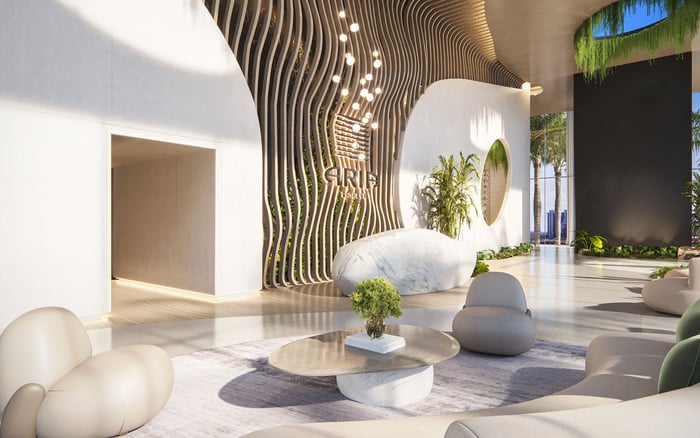
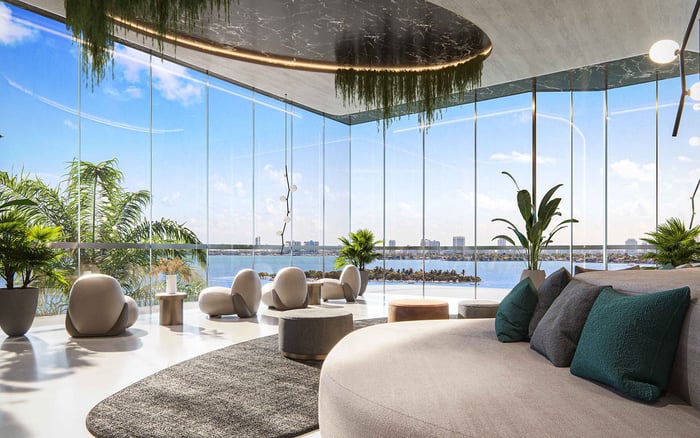
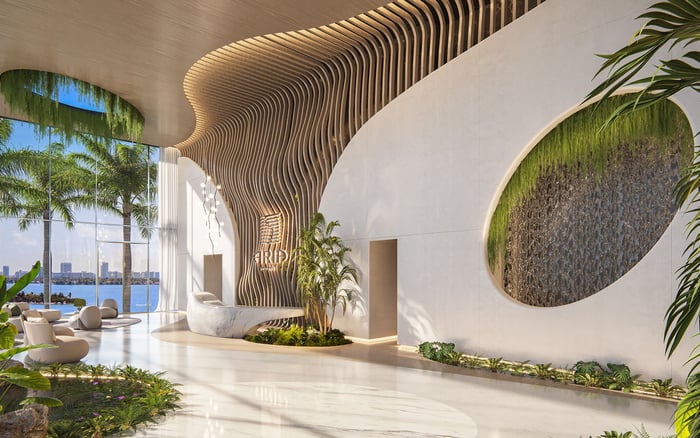
A practical, design-minded guide for buyers weighing a Wynwood pied-à-terre against the obligations of a South Florida house, with emphasis on lock-and-leave ownership, urban lifestyle, services, privacy, and long-term fit.
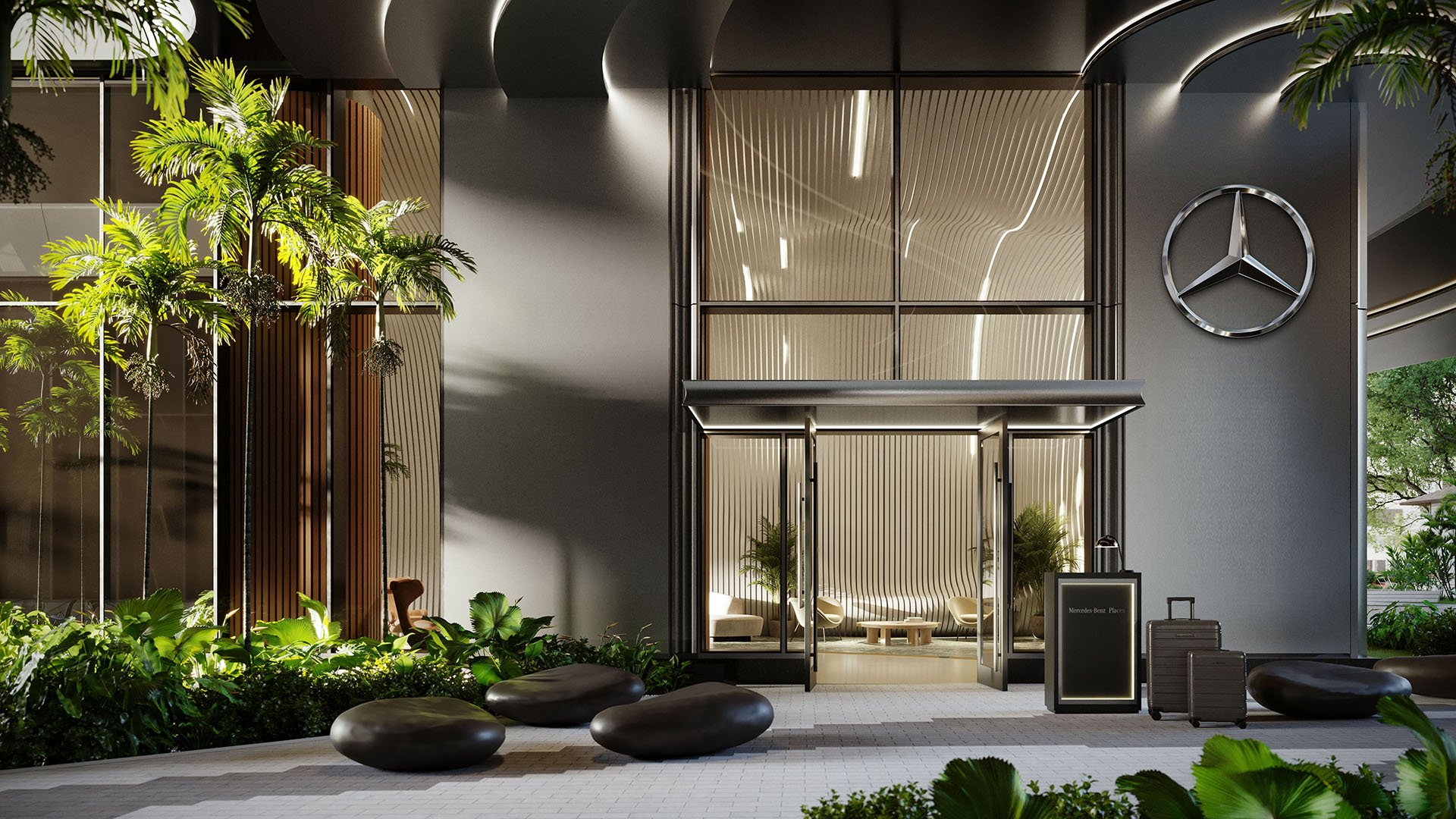
For a certain South Florida buyer, the choice is no longer simply between a larger house and a smaller condominium. It is between two distinct ways of inhabiting Miami. A house offers land, separation, and domestic autonomy. A pied-à-terre offers immediacy, simplicity, and a more edited relationship with the city. In Wynwood, that distinction is especially sharp.
Wynwood is not a neighborhood buyers typically choose as a retreat from urban life. It is chosen for proximity, texture, creative energy, and the ability to arrive for a long weekend without reorganizing an entire household. That makes the pied-à-terre model especially compelling for buyers who already have a primary residence elsewhere, travel frequently, or want a Miami base that is easier to use than to maintain.
The strongest Wynwood pied-à-terre buyer is rarely chasing square footage for its own sake. The more sophisticated question is whether the residence can deliver privacy, design, parking, storage, security, and effortless arrival in a footprint that feels intentional rather than compromised.
A house asks to be managed, even when it is beautifully staffed. Landscaping, exterior upkeep, pool care, security, insurance coordination, storm preparation, and vendor access all become part of the ownership experience. For buyers who use Miami intermittently, that can turn a secondary residence into a second operating platform.
A pied-à-terre reverses the equation. The right building can make ownership feel lighter, with daily frictions handled through the property itself rather than through a private network of household vendors. This is the appeal of lock-and-leave living: the owner can land, enter, host, sleep, depart, and return without the home constantly asking for attention.
That does not mean every condominium is equal. A pied-à-terre should be evaluated with the same discipline as a house, but through a different lens. The buyer should study the arrival sequence, elevator experience, lobby discretion, package handling, valet or self-parking logic, guest access, acoustic performance, and whether the residence feels composed when closed for weeks at a time.
Lifestyle is the real reason to consider Wynwood over a more traditional residential enclave. Buyers choosing this neighborhood usually want a Miami address that feels immediate rather than insulated. The daily value is measured not only by interior square footage, but by how quickly the owner can move from home to dining, galleries, meetings, wellness appointments, events, and the rest of the city.
That urban convenience is where a pied-à-terre becomes emotionally persuasive. A house may have more rooms, but those rooms can sit unused if the owner spends only short periods in Miami. A smaller, better-positioned residence can feel more luxurious because every element is used. The terrace matters. The primary suite matters. The kitchen matters. The parking space matters. Everything else should earn its place.
For buyers who want a Wynwood address as the center of gravity, Frida Kahlo Wynwood Residences is a natural point of orientation. For those who want to compare the Wynwood experience with nearby design-driven districts, Miami Design Residences Midtown Miami and Kempinski Residences Miami Design District offer useful context for how neighboring urban addresses frame convenience, style, and day-to-night access.
Second-home buyers should be candid about how the residence will actually be used. If the plan is to visit monthly, entertain lightly, work remotely for short periods, and keep Miami wardrobe, art, and personal items in place, a pied-à-terre can be exceptionally efficient. If the plan includes long family stays, large pets, frequent overnight guests, vehicles, staff, or extensive outdoor living, a house may still deserve serious consideration.
The operating test is simple: imagine arriving after a late flight. How many decisions must be made before the home feels ready? In a strong pied-à-terre, the answer should be very few. Climate, lighting, security, access, and storage should support an almost hotel-like ease while preserving the individuality of a private residence.
Buyers should also think carefully about seasonality. A residence that feels perfect for a three-night art-filled visit may feel tight during a three-week stay. Conversely, a house that seems appealing on paper may feel unnecessarily burdensome if most visits are brief and socially centered outside the home.
New-construction is often attractive to the pied-à-terre buyer because it can reduce the unknowns of near-term ownership. Contemporary building systems, current design language, new common areas, and modern service expectations all matter when the residence will be used intermittently. The buyer is not only purchasing interiors. The buyer is purchasing predictability.
Still, newness alone is not enough. The best choice is the building whose rhythm matches the owner. Some buyers want a more intimate, boutique atmosphere with fewer daily encounters and a quieter sense of arrival. Others prefer a fuller amenity environment and more visible service. Neither approach is universally superior. The right answer depends on whether the buyer wants the building to feel like a private address, a social platform, or something in between.
A Wynwood buyer should also compare nearby districts without losing sight of the original reason for buying. Edgewater, for example, can introduce a different relationship to water, skyline, and residential calm. The Cove Residences Edgewater is a useful comparison for buyers weighing Wynwood’s cultural immediacy against a more waterfront-oriented daily rhythm.
The case for a house remains strong for buyers who value land, privacy from shared circulation, private outdoor space, and a more traditional domestic life. A house can absorb children, guests, pets, collections, cars, and staff with a freedom that most pied-à-terre residences cannot replicate. It also gives the owner more direct control over use, design, and household operations.
But control comes with obligation. The house owner is responsible for the entire environment, not just the interior experience. For some buyers, that responsibility is part of the pleasure. For others, it is precisely what they came to Miami to avoid.
The right decision is less about status than use. If Miami is a place where the buyer wants to feel plugged in quickly, then a Wynwood pied-à-terre may be the more intelligent luxury. If Miami is where the buyer wants to live expansively and privately for extended periods, the house may still be the better instrument.
Begin with the calendar. Count likely nights in residence, not imagined nights. Then map the buyer’s real routine: morning coffee, work calls, fitness, dinner, entertaining, parking, guests, luggage, wardrobe, art, and departure. The most elegant pied-à-terre is the one that makes those movements feel natural.
Next, inspect the quiet details. Storage is often more important than buyers expect. Parking can shape the ownership experience more than a dramatic lobby. Elevator access can matter more than an extra den. Privacy should be assessed at the unit, floor, building, and street levels.
Finally, buy with restraint. A pied-à-terre should not be treated as a smaller version of a house. It should be treated as a more concentrated version of the buyer’s Miami life. In Wynwood, that can be a powerful proposition: less maintenance, more immediacy, and a home that performs beautifully because it is designed around how it will actually be used.
Is a Wynwood pied-à-terre better than a house? It can be better for buyers who value access, simplicity, and lock-and-leave ownership. A house may be better for buyers who need land, privacy, and extended family living.
Who is the ideal Wynwood pied-à-terre buyer? The ideal buyer visits Miami regularly but does not want to manage a full household. This often suits travelers, collectors, executives, and design-focused second-home owners.
What should I prioritize first? Prioritize how the residence works on arrival and departure. Parking, access, storage, security, and privacy often matter as much as interior finishes.
Should I choose new construction in Wynwood? New construction can be appealing when predictability and contemporary design are priorities. The buyer should still study building scale, service culture, and monthly carrying costs.
Is boutique living better for a pied-à-terre? Boutique living can feel more discreet and personal. Larger buildings may offer broader services, so the choice depends on the buyer’s desired rhythm.
How much space is enough? Enough space is the amount that supports the owner’s actual visits without unused rooms. For many buyers, a refined plan beats excess square footage.
Should I compare Wynwood with nearby neighborhoods? Yes, comparison is useful if it clarifies lifestyle priorities. Wynwood should still win on the reasons that drew the buyer there in the first place.
Can a pied-à-terre work for entertaining? It can, especially for intimate dinners and short visits. Buyers who host large groups frequently may prefer a larger residence or house.
What is the biggest mistake buyers make? The biggest mistake is buying for an imagined lifestyle rather than the real calendar. A disciplined buyer plans around actual use.
How should I begin the search? Begin by defining use, budget, service expectations, and preferred neighborhood rhythm. Then compare buildings through the lens of convenience and long-term comfort.
For a confidential assessment and a building-by-building shortlist, connect with MILLION.
If branded residences are on your mind — as a home or as an allocation — we would be glad to share what we are seeing, privately.
Begin a quiet conversation