A discreet buyer’s guide to evaluating Fisher Island residences through the lens of climate stability, collection care, privacy, waterfront exposure, and long-term livability.
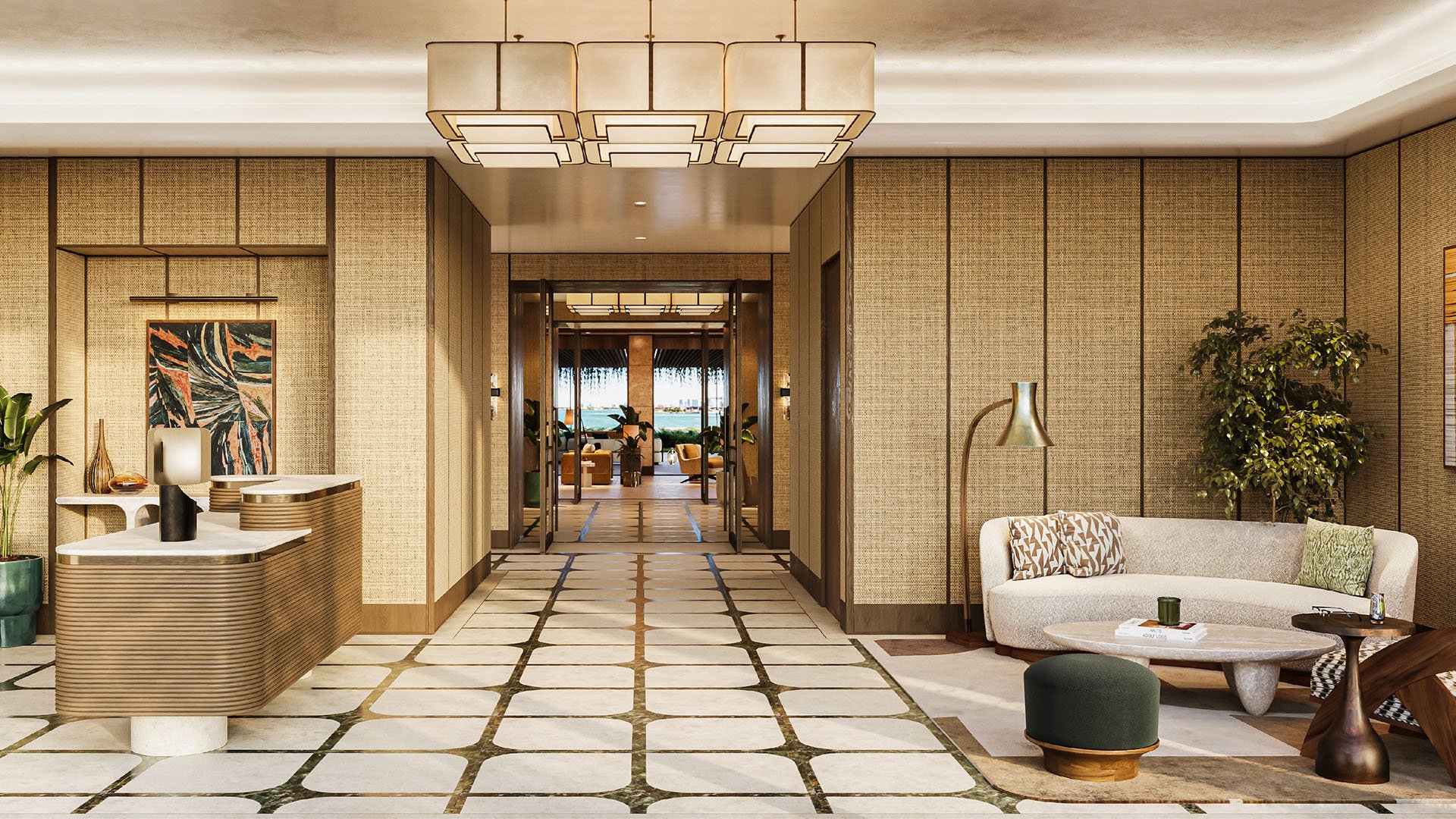
For the serious collector, a Fisher Island residence is more than a place to arrive by water, entertain discreetly, and wake to Biscayne Bay light. It is a controlled environment. Paintings, sculpture, wine, rare books, couture, watches, instruments, photography, design objects, and cars each respond differently to heat, moisture, sunlight, vibration, salt air, and power interruptions. The right home is judged not only by square footage or view, but by how quietly it protects what matters.
That is the lens for this buyer’s guide: begin with climate stability, then consider architecture, privacy, amenities, and lifestyle. Fisher Island can offer an unusually private residential setting, but collectors should bring a technical eye to every showing. The question is not whether a home is beautiful. The question is whether the residence can maintain a calm interior climate while living elegantly in a subtropical waterfront context.
A collector-grade purchase begins with systems. Before discussing millwork, terraces, or entertaining flow, ask how the residence handles cooling, dehumidification, filtration, backup power, shading, storage, and service access. These are not secondary details. They are the invisible architecture of ownership.
Many luxury buyers ask whether the air conditioning is strong. Collectors should ask a better question: is the interior climate stable? Temperature matters, but humidity is often the more consequential variable for art, wine, paper, textiles, leathers, musical instruments, and certain natural materials.
A residence that feels comfortable for people may still fluctuate more than a collection should tolerate. During diligence, request a mechanical review from specialists who understand fine objects, not only residential comfort. Consider zones dedicated to collection rooms, wine storage, dressing galleries, libraries, watch rooms, and garage-adjacent storage. If the home contains large glass exposures, confirm how the system performs during peak sun and after heavy entertaining.
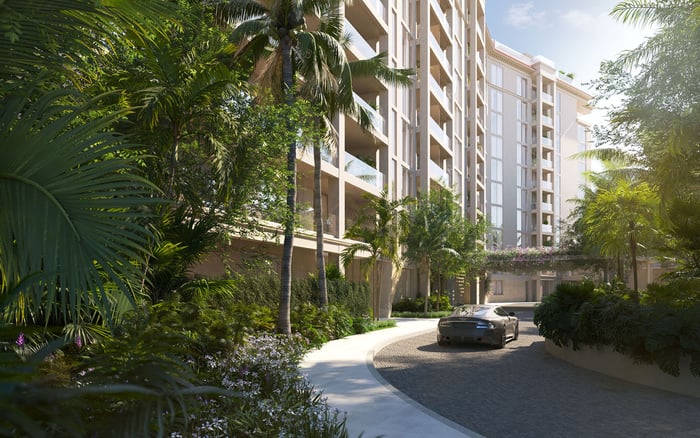
In buildings such as Palazzo del Sol, the conversation should move quickly from residence size and finish level to the specific unit’s orientation, glazing exposure, storage plan, and mechanical capacity. Palazzo del Sol Fisher Island may be part of a highly refined lifestyle decision, but the collector’s diligence remains intensely practical.
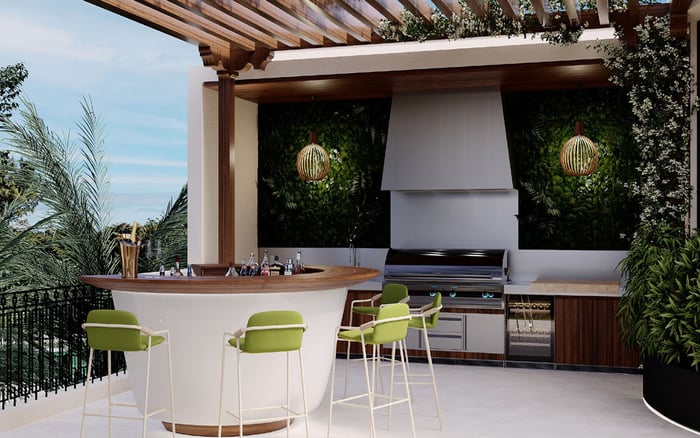
Waterfront living is one of the emotional reasons buyers come to Fisher Island. It also demands a higher standard of planning. Salt air, strong light, moisture, and terrace use can affect furniture, frames, textiles, metals, electronics, and cars. The aim is not to avoid the waterfront experience. The aim is to design around it.
Evaluate how often exterior doors are likely to be opened, whether art walls are buffered from direct sun, and whether service routes allow objects to move in and out without unnecessary exposure. A dramatic view should not force a fragile work into an unstable location. The most successful collector residences typically separate the cinematic moments from the preservation zones.
At Palazzo della Luna, a buyer considering display walls, private storage, or a salon-like living area should think of the residence as a sequence of microclimates. Palazzo della Luna Fisher Island may appeal for its privacy and setting, but the long-term success of ownership depends on how the interior is commissioned and maintained after closing.
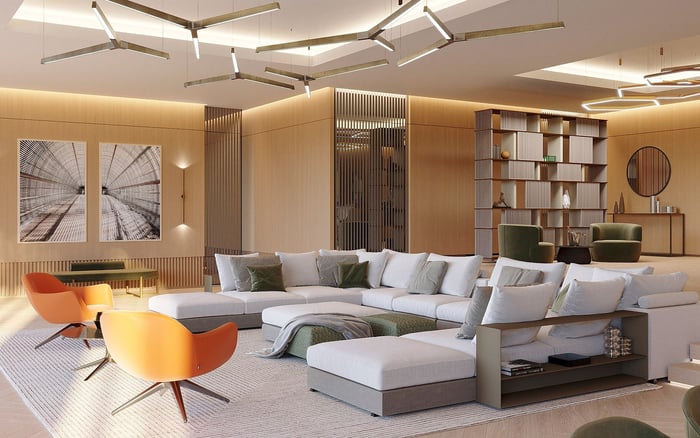
Not every collection asks for the same environment. Contemporary paintings, blue-chip photography, first editions, wine, spirits, watches, handbags, couture, humidors, rugs, silver, and cars each have different priorities. A single “secure room” is rarely enough. The better strategy is to map the collection by sensitivity, frequency of use, insurance value, and display preference.
A wine room should be planned differently from a dressing gallery. A watch room needs a different security and access strategy than a library. Photography and paper may need lower light exposure than sculpture or design furniture. Cars require attention to ventilation, battery maintenance, salt exposure, washing protocols, and covered movement between garage and residence.
Buyers touring The Links Estates at Fisher Island should think like private-house owners rather than conventional condominium shoppers. A home with more spatial autonomy can allow collection zones to be more intentionally separated, provided mechanical, security, and service planning are addressed early.
Collectors often focus on what is inside the residence. Equally important is who can access it, how deliveries are handled, and where staff can work without interrupting private rooms. A residence may have beautiful entertaining areas, but if crates, art handlers, wine deliveries, stylists, or conservators must pass through the wrong spaces, the home may not function at the level the collection requires.
Ask about freight access, elevator protocols, loading patterns, package handling, guest arrival, service entries, storage rooms, and the practical path from arrival point to residence. For higher-value collections, the best homes feel effortless because the operational layer has been carefully hidden. Security should be layered, not theatrical: controlled access, discreet monitoring, private storage, clear staff permissions, and an insurance-ready inventory process.
At The Residences at Six Fisher Island, buyers should apply the same collector lens to floor plan, service circulation, storage, and the potential to create dedicated preservation zones. The Residences at Six Fisher Island belongs in the conversation when privacy and a highly tailored residential program are priorities.
The first showing is emotional. The second should be technical. Bring advisors who can evaluate mechanical systems, electrical capacity, backup readiness, humidity control, filtration, lighting, shades, security, and storage. If the residence already displays art or wine, do not assume the underlying environment is appropriate. Ask for performance, not presentation.
Lighting deserves careful review. Direct sun, heat gain, and uncontrolled brightness can be as problematic as humidity. Confirm shade systems, fixture specifications, dimming control, and whether display walls can be lit without adding unnecessary heat. For interiors with stone, wood, leather, lacquer, plaster, and specialty finishes, ask how materials respond to seasonal changes and terrace use.
A collector should also review insurance requirements before closing. Some carriers may expect appraisals, inventories, alarm standards, storage protocols, or environmental controls. A home that appears turnkey may still need upgrades before a major collection can be moved in comfortably.
Before choosing a residence, define the collection’s priorities in writing. Which objects are displayed daily? Which are stored? Which need rapid access? Which require specialized lighting? Which should never be near exterior glass? Which can tolerate entertaining traffic, and which should remain in private rooms?
Then evaluate the residence against those needs. Look for mechanical flexibility, quiet storage, stable interior zones, discreet staff circulation, covered movement, secure rooms, and the ability to expand systems over time. A collector’s home should not feel like a vault, but it should perform like one when needed.
Finally, separate romance from resilience. The most compelling Fisher Island purchase allows a buyer to live beautifully without negotiating with the climate every day. If a residence can protect art, wine, cars, clothing, and archives while still feeling serene, open, and deeply private, it has passed the collector’s test.
What does climate stability mean for a collector on Fisher Island? It means keeping temperature, humidity, light, filtration, and access conditions consistent enough to protect sensitive objects over time.
Should collectors prioritize humidity control over cooling? They should evaluate both, but humidity stability deserves special attention because many materials react more to moisture changes than to temperature alone.
Is a waterfront residence suitable for fine art? It can be, provided the residence has appropriate mechanical systems, shading, display planning, storage, and professional environmental review.
What should be inspected before moving a collection into a residence? Mechanical capacity, dehumidification, filtration, lighting, shade systems, backup power, security, storage, and service access should all be reviewed.
Do wine collections need a separate plan? Yes. Wine requires dedicated storage conditions and should not be treated as a decorative feature unless the environment is properly controlled.
How should collectors think about cars on Fisher Island? They should consider ventilation, salt exposure, covered access, cleaning routines, battery maintenance, and secure storage.
Are large glass walls a problem for collections? They are not automatically a problem, but they require careful planning for sun control, heat gain, lighting, and object placement.
Should a collector bring specialists to a showing? Yes. A mechanical advisor, art consultant, conservator, security expert, or wine specialist can identify issues that are easy to miss.
Can a residence be upgraded after purchase for better stability? Often yes, but buyers should understand feasibility, building approvals, cost, timing, and operational disruption before closing.
What is the most important mindset for a Fisher Island collector? Buy the environment, not only the address; a truly refined residence protects a collection while preserving ease, privacy, and beauty.
For a tailored shortlist and next-step guidance, connect with MILLION.
If branded residences are on your mind — as a home or as an allocation — we would be glad to share what we are seeing, privately.
Begin a quiet conversation