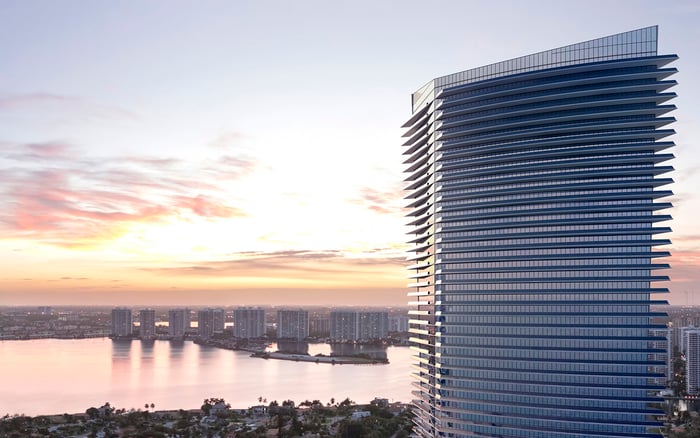
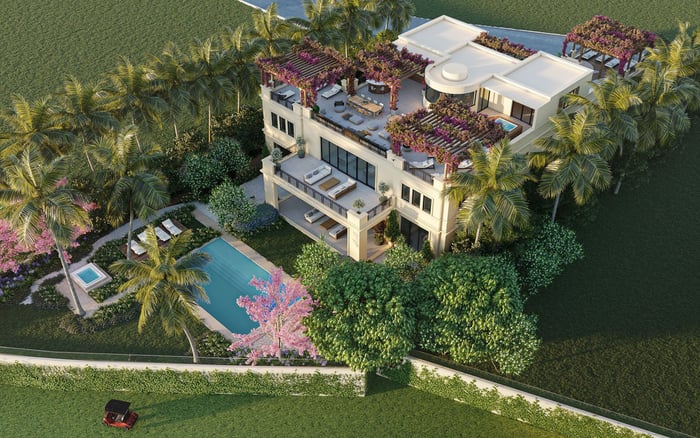
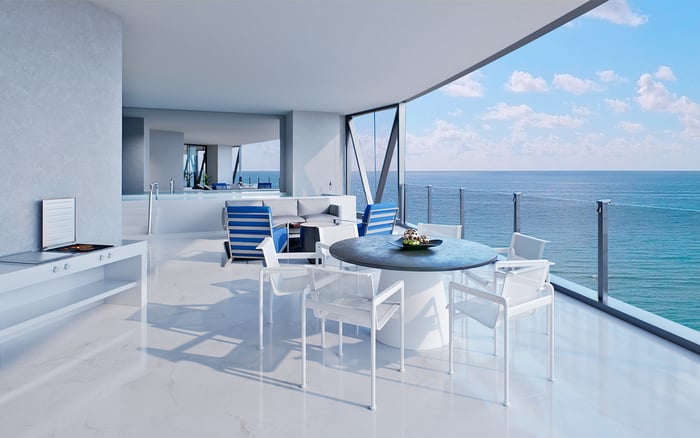
A buyer-focused editorial on how Ritz-Carlton branded residences in Fort Lauderdale, Miami Beach, and Sunny Isles align with demand for protected view corridors, waterfront privacy, and long-term visual confidence.
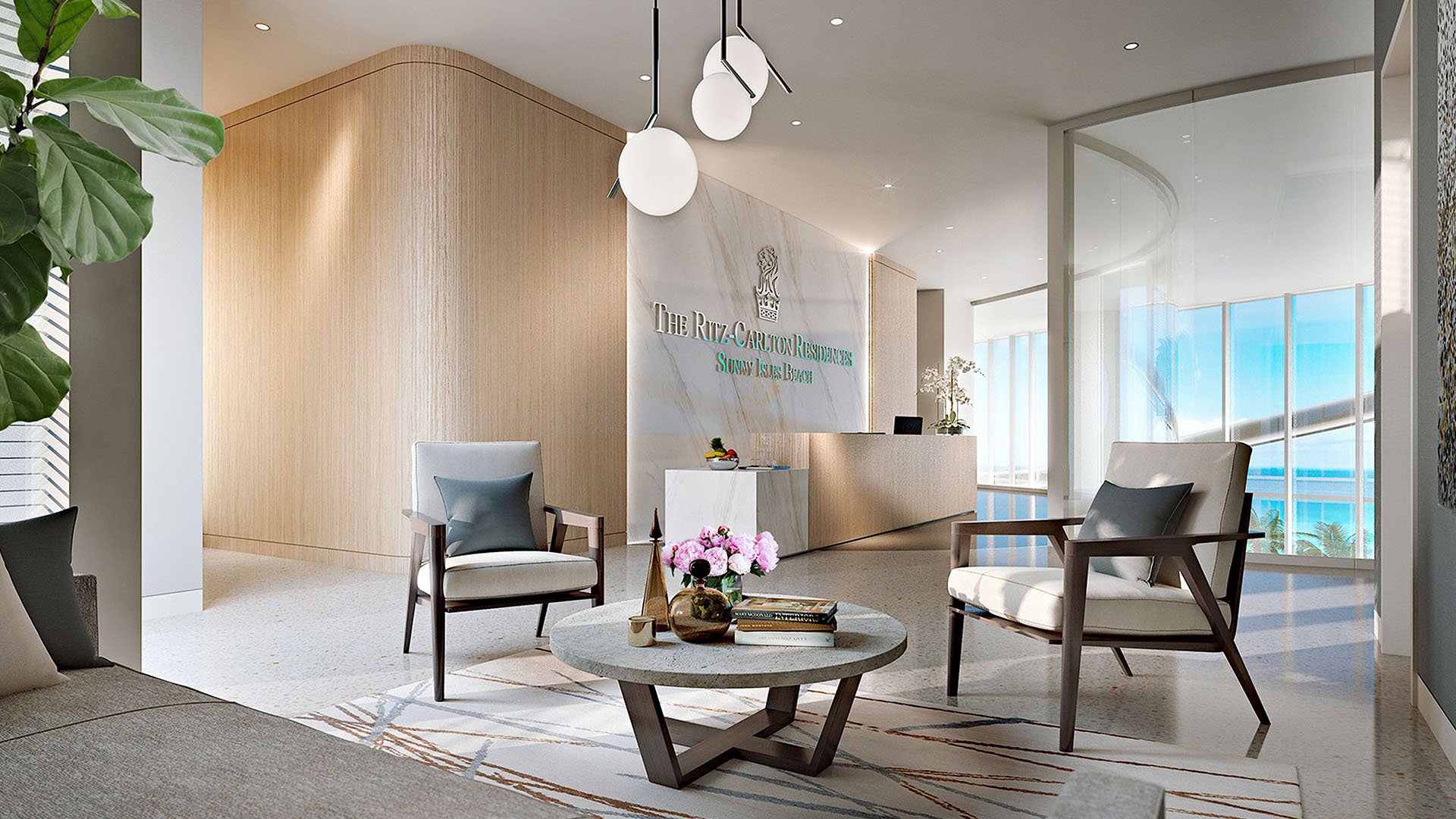
For the South Florida buyer, the most valuable view is not simply the one visible on a clear afternoon. It is the view that feels built to endure. Protected view corridors have become part of the private language of luxury real estate, especially for buyers weighing waterfront exposure, privacy, and long-term livability across Fort Lauderdale, Miami Beach, and Sunny Isles Beach.
In that context, The Ritz-Carlton Residences® portfolio carries a particular appeal. The brand speaks to service, discretion, and residential polish, while the more technical buyer is equally focused on orientation, parcel position, neighboring land, and the likelihood that future development could alter a sightline. A residence can be beautifully finished and still feel less compelling if the water view is vulnerable. Conversely, a thoughtfully selected stack, floor, or exposure can make daily living feel calmer and resale more defensible.
A protected view corridor is not a generic promise of water. It is the practical result of site conditions. Buyers study what sits between the residence and the view, whether that intervening land is already improved, publicly constrained, naturally open, or otherwise less likely to be redeveloped in a way that blocks the primary exposure.
This is why two residences in the same building can perform differently. One line may look across a waterway, beach, park, marina basin, or low-rise edge. Another may depend on airspace above a neighboring parcel. The distinction matters. For buyers seeking water-view confidence, the analysis should move beyond photography and into plan review, physical orientation, and a sober reading of the surrounding site.
Protected views also have a psychological dimension. Waterfront living is partly about light, distance, and the sense that the horizon belongs to the home. When a buyer chooses a residence with a stronger corridor, the experience can feel more private, even in a dense coastal market.
Fort Lauderdale offers a distinctive version of view protection because its luxury residential experience is shaped by waterways as much as by the ocean. Buyers often evaluate not only blue-water exposure, but also the depth created by canals, yacht basins, and coastal approaches. That makes the due-diligence conversation more nuanced than a simple oceanfront comparison.
For buyers considering The Ritz-Carlton Residences® Fort Lauderdale, the question is how each residence engages with surrounding water, nearby structures, and the broader beach environment. Fort Lauderdale buyers are often drawn to a balance of resort energy and residential composure. A view corridor that captures water, sky, and movement without feeling exposed can be more valuable than a wider view that lacks privacy.
This is also where branded residences can hold an advantage for certain buyers. The service platform may attract attention first, but the building selection process should still be rigorous. A residence’s position within the building, the height of nearby improvements, and the character of adjacent land can determine whether the view reads as open, filtered, or potentially at risk.
Miami Beach has a different view vocabulary. Here, buyers often measure value through a blend of ocean, bay, garden, skyline, and neighborhood texture. The most desirable corridors tend to feel composed rather than accidental, aligning the interior experience with the island’s natural and architectural rhythm.
At The Ritz-Carlton Residences® Miami Beach, the buyer conversation is less about spectacle alone and more about calibration. Which exposures feel settled? Which outlooks are mediated by water or low-slung surroundings? Which views retain a sense of privacy as the city continues to evolve around them?
Miami Beach rewards careful reading. A residence may have a dramatic outlook in one direction and a more intimate view in another. For some buyers, that contrast is desirable. The priority is to understand whether the principal rooms and outdoor spaces align with the view corridor the buyer values most. Morning light, sunset glow, and the relationship between terrace and water can materially change how the home lives, even when the floor plan appears similar on paper.
Sunny Isles Beach is defined by vertical coastal living, where height, orientation, and proximity to the shoreline can shape the entire residential experience. Buyers seeking protected view corridors here often focus on directness: how cleanly the residence meets the ocean, how much lateral separation exists from neighboring towers, and whether the sightline feels expansive rather than compressed.
For those evaluating The Ritz-Carlton Residences® Sunny Isles, the analysis should begin with exposure. A high floor can enhance distance and drama, but it does not automatically guarantee the strongest lived experience. Some buyers prefer a lower relationship to the beach and water, while others prioritize a more elevated horizon. The right choice depends on how the view frames daily rituals: waking, dining, entertaining, and retreating at night.
Sunny Isles also invites comparison with other high-profile coastal properties, including St. Regis® Residences Sunny Isles. The value is not in declaring one view universally superior. It is in understanding how each building’s position, spacing, and orientation affect the probability that the view will remain satisfying over time.
The most disciplined buyers treat a protected view corridor as a core asset, not a decorative feature. They ask to see the view at different times of day, from the main living room, primary suite, kitchen, and terrace. They consider whether the view is central to the floor plan or merely visible from a corner. They test privacy by looking both outward and inward, asking whether neighboring buildings can see directly into the home.
They also distinguish between open water and buildable land. A view across water may have a different risk profile than a view over an underbuilt parcel. A view over a completed building may feel less romantic than an empty lot today, but it can offer greater certainty if the neighboring structure is already established.
Floor selection is equally important. Higher floors can clear immediate obstructions, while mid-level residences may offer a richer connection to water, landscaping, or street life. The premium should be tied to how the view actually performs, not simply to elevation.
The Ritz-Carlton name appeals to buyers who want hospitality standards carried into private ownership. Yet for the view-sensitive buyer, the brand is most powerful when paired with a location and residence line that supports long-term visual confidence. Service can refine daily life, but sightlines shape the emotional value of the home.
This is why protected view corridors are increasingly discussed alongside privacy, arrival sequence, amenity quality, and maintenance standards. A buyer may choose a residence for the brand, but will often stay committed because the home feels visually calm. In South Florida, where light and water define luxury, that calm is not incidental. It is part of the asset.
What is a protected view corridor? It is a sightline that benefits from site conditions that make future obstruction less likely, such as water, open space, or established neighboring improvements.
Are protected views guaranteed in South Florida? No. Buyers should treat every view as a due-diligence question and assess surrounding land, zoning context, orientation, and existing improvements.
Why do Ritz-Carlton residences appeal to view-focused buyers? They combine branded residential service with locations where buyers often prioritize privacy, water, and a refined daily experience.
Is a higher floor always better for views? Not always. Higher floors can improve distance, but lower or mid-level homes may offer a more intimate relationship to water and landscape.
How should buyers compare Fort Lauderdale and Miami Beach? Fort Lauderdale often emphasizes waterways and movement, while Miami Beach tends to blend ocean, bay, garden, and neighborhood context.
What makes Sunny Isles Beach distinctive for views? Its vertical oceanfront character places special importance on tower spacing, exposure, floor height, and direct alignment with the water.
Can a water view be valuable if it is not direct oceanfront? Yes. A composed water outlook with privacy and low obstruction risk can be highly desirable, especially when it supports daily living.
What rooms matter most when evaluating a view? The living room, primary suite, kitchen, and terrace matter most because they shape the buyer’s everyday relationship with the outlook.
Should buyers worry about neighboring parcels? Yes. Adjacent land can determine whether a view feels protected, partially vulnerable, or dependent on future development decisions.
Do branded residences automatically hold better views? No. The brand may elevate service and ownership experience, but the view must still be evaluated residence by residence.
When you're ready to tour or underwrite the options, connect with MILLION.
If branded residences are on your mind — as a home or as an allocation — we would be glad to share what we are seeing, privately.
Begin a quiet conversation