A practical luxury buyer’s guide to weighing airport access in Wynwood without allowing travel convenience to overwhelm daily lifestyle, design, privacy, and long-term ownership fit.
For a discerning buyer, airport access in Wynwood is best understood as a layer of convenience, not the central reason to purchase. The neighborhood’s appeal is urban, visual, social, and increasingly residential. Its value proposition depends on how well a home supports the buyer’s daily rhythm, from morning routines and dining habits to privacy, wellness, entertaining, and ease of movement across Miami.
The mistake is treating airport proximity as a simple yes-or-no advantage. A residence can feel well located for travel and still fail the lifestyle test if the surrounding streets feel too active, the arrival sequence lacks elegance, or the building does not create enough separation between public energy and private calm. Conversely, a home that is not the closest possible option to the airport may be the stronger luxury purchase if it offers a more composed living experience.
The more useful question is not whether airport access exists. It is whether that access is proportionate to how the owner actually lives.
A buyer who flies frequently for business has different needs from a seasonal owner who values occasional convenience. Before allowing airport access to influence a purchase, define the role travel plays across the year. Consider how often departures happen during peak traffic, whether flights are typically domestic or international, and whether the household travels with children, staff, pets, luggage, or equipment.
This exercise matters because perceived convenience can be misleading. The shortest route on a map does not always feel effortless in practice. The test should include the full departure experience: leaving the residence, reaching the vehicle, moving through neighborhood traffic, and returning home at night. The quality of arrival is just as important as the time in transit.
In Wynwood, the strongest buyers evaluate airport access as part of a broader mobility profile. They weigh airport runs, dinners in other districts, school or office commutes, cultural events, medical appointments, and weekend escapes with equal seriousness.
Luxury buyers should visit Wynwood at multiple times before committing. A morning walk, an early evening drive, and a late-night return can reveal more than a polished daytime showing. The goal is not to judge the neighborhood in abstraction. It is to understand whether its energy feels like a pleasure, a tradeoff, or a daily friction point.
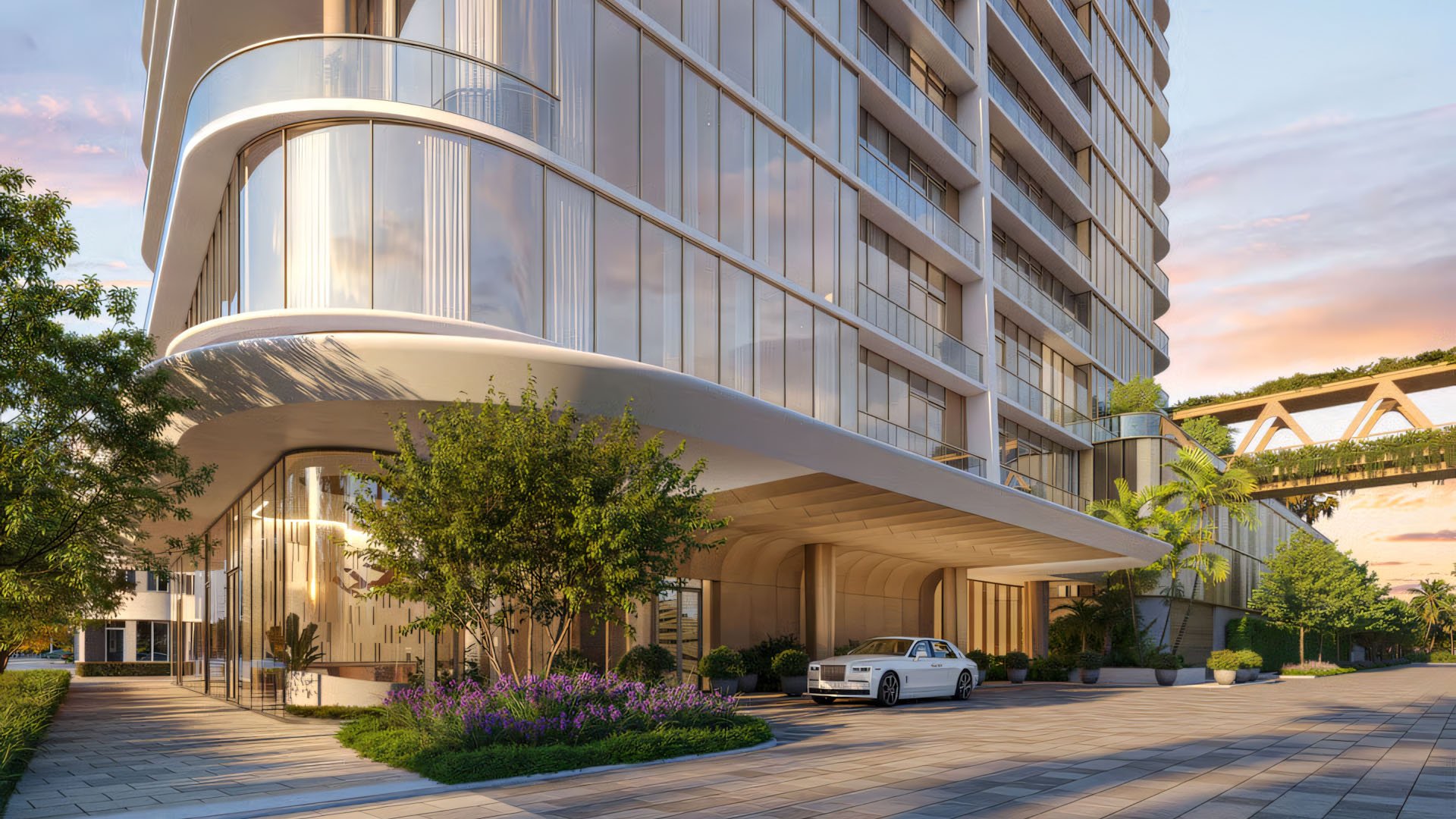
Pay attention to curbside behavior, valet flow, rideshare activity, delivery traffic, and the ease of entering and exiting the building. Airport access is only useful if the path from private residence to vehicle feels controlled and dignified. For buyers considering new construction, this is where design details matter: porte cochere configuration, elevator separation, garage access, package operations, and lobby staffing can determine whether an urban address feels effortless or exposed.
A project such as Frida Kahlo Wynwood Residences can be considered in this context not merely as a Wynwood address, but as part of the buyer’s larger question: can a residence sit within a visually active district while still providing a private domestic retreat?
Wynwood rarely exists as an isolated decision. Buyers often compare it with nearby urban and waterfront neighborhoods because the question is as much about temperament as location. The Design District may appeal to those who want a more curated luxury retail and design context. Edgewater may suit buyers who want a softer waterfront sensibility while remaining connected to the urban core. Brickell may be more appropriate for those whose professional and social lives are anchored around a financial district cadence.
These comparisons are not about declaring one area superior. They are about fit. A buyer drawn to the creative texture of Wynwood should still test whether that energy remains attractive after repeated airport runs, business dinners, and quiet Sunday mornings. A buyer looking nearby might study Miami Design Residences Midtown Miami for a Midtown and Design District-adjacent perspective, or EDITION Edgewater when a more resort-like urban-waterfront mood is part of the brief.
The point is not to chase a single convenience. It is to identify the neighborhood whose overall atmosphere aligns with the owner’s private life.
In ultra-premium real estate, the arrival sequence is part of the residence. A buyer should evaluate the transition from street to lobby, from lobby to elevator, and from elevator to private entry. Airport access loses much of its appeal if every return home feels abrupt or exposed.
Ask how guests arrive, how drivers wait, how luggage is handled, and how discreetly residents can move between car and home. Consider whether the building’s service culture supports frequent travel. A lock-and-leave owner may prioritize staff responsiveness, secure deliveries, maintenance coordination, and the confidence that the residence feels cared for during absences.
This is also where sound and privacy deserve close attention. Urban living does not require silence, but it does require control. Windows, terraces, mechanical systems, elevator placement, and unit orientation can shape the experience of calm. Buyers should listen, not just look.
Airport access can become an emotional shortcut in a purchase decision. It feels practical, especially for buyers who travel often, but it should not override fundamentals: floor plan quality, light, storage, privacy, building governance, service culture, parking, views, maintenance expectations, and exit strategy.
A buyer who travels only a few times a year may be better served by a residence that enhances daily life rather than one chosen primarily for perceived airport ease. Even frequent travelers should ask whether they are buying a home or a logistics solution. The best answer is both, but only when the residence has independent lifestyle strength.
For contrast, a buyer might compare the Wynwood proposition with urban alternatives such as 2200 Brickell or The Cove Residences Edgewater. These comparisons help clarify whether the buyer is responding to Wynwood itself, or merely to the idea of centrality.
Before touring, create a simple hierarchy. First, define non-negotiables: bedroom count, privacy, parking, pet needs, guest accommodations, and outdoor space. Second, define lifestyle priorities: restaurants, galleries, wellness, waterfront access, nightlife, schools, work patterns, or seasonal use. Third, place airport access into the hierarchy as essential, useful, or incidental.
During tours, score each residence against that hierarchy. If airport access is essential, test the route in real conditions. If it is merely useful, do not let it compensate for a weak floor plan or an uncomfortable building experience. If it is incidental, keep the focus on the residence itself.
This discipline is particularly important in Wynwood because the neighborhood’s personality can be persuasive. Its visual identity, dining culture, and urban momentum can make convenience and excitement feel like enough. For a lasting purchase, the home must also be restful, secure, and adaptable.
The refined question is not, “How close is this to the airport?” It is, “Can I enjoy the benefit of airport access without allowing travel logistics to dominate the way I live?” That distinction separates a tactical purchase from a considered one.
For some buyers, Wynwood will be exactly right: creative, connected, and practical without feeling conventional. For others, the same access may be available with a quieter residential mood elsewhere. The best decision is the one that protects both mobility and quality of life.
In a luxury market, convenience is valuable only when it is beautifully absorbed into the daily experience.
Should airport access be a primary reason to buy in Wynwood? It should be a supporting reason, not the primary one. The residence must still satisfy privacy, comfort, design, and daily lifestyle needs.
How should I test airport convenience before purchasing? Drive the route at the times you would actually travel. Include the building exit, parking experience, neighborhood traffic, and return home.
Is Wynwood better for frequent travelers than occasional travelers? It can work for either, but frequent travelers should scrutinize arrival logistics more closely. Occasional travelers should avoid overvaluing convenience they rarely use.
What matters more than airport access in a luxury condo? Floor plan, sound control, privacy, service quality, parking, outdoor space, and the feel of returning home are often more important.
Should I compare Wynwood with Edgewater and the Design District? Yes. Edgewater and the Design District can help clarify whether you prefer creative energy, waterfront calm, or curated design adjacency.
Does new construction automatically solve urban lifestyle concerns? Not automatically. The details of access, staffing, windows, elevators, and service areas determine whether the building feels composed.
How can I tell if a building is good for lock-and-leave ownership? Look for secure access, responsive staff, delivery management, maintenance coordination, and an easy return experience after travel.
Should I prioritize the shortest route to the airport? Not always. A slightly less direct route may be worthwhile if the residence offers a better everyday lifestyle.
What is the biggest mistake buyers make with airport access? They treat it as a substitute for residential quality. Convenience should enhance the home, not excuse compromises.
What is the best way to shortlist comparable options for touring? Start with location fit, delivery status, and daily lifestyle priorities, then compare stacks and elevations to validate views and privacy.
If you'd like a private walkthrough and a curated shortlist, connect with MILLION.
If branded residences are on your mind — as a home or as an allocation — we would be glad to share what we are seeing, privately.
Begin a quiet conversation