A discreet buyer-focused look at Bay Harbor Towers and the weekday value of amenity planning in Bay Harbor Islands, from privacy and wellness rhythm to workday transitions and practical lifestyle design.
At the highest end of South Florida real estate, the strongest amenity programs are no longer judged by spectacle alone. They are judged by whether they make an ordinary Tuesday feel composed. For buyers considering Bay Harbor Towers, that is the more revealing lens: not simply what a building offers, but how its shared spaces, service culture, and residential rhythm support the way people actually live between Monday morning and Friday evening.
This matters because weekday life is where a residence proves itself. The morning transition from private space to the day ahead, the ability to reset after meetings, the ease of receiving guests without turning the home into a lobby, and the quiet confidence of having practical conveniences close at hand all shape the ownership experience. In Bay Harbor Islands, where residential calm is central to the appeal, an amenity program should feel integrated rather than performative.
Bay Harbor Islands attracts buyers who often want proximity without the constant theater of a larger resort district. The draw is subtle: a quieter residential environment, a connection to the broader Miami Beach and Bal Harbour orbit, and a setting where daily life can feel more private. For a Bay Harbor search, the most successful buildings tend to understand that serenity is not a secondary amenity. It is part of the product.
That makes Bay Harbor Towers especially relevant for buyers evaluating how a residence functions beyond weekends and holidays. A polished address may be appealing at first glance, but its weekday value is found in smaller moments: leaving efficiently, returning without friction, taking a call in a composed environment, or moving between work, wellness, family, and dinner plans without feeling as if the building is working against you.
Comparable Bay Harbor Islands projects also reflect this search for balance. Buyers looking at Alana Bay Harbor Islands, Onda Bay Harbor, and La Maré Bay Harbor Islands are often weighing not only architecture and views, but also how a building’s atmosphere will support daily life.
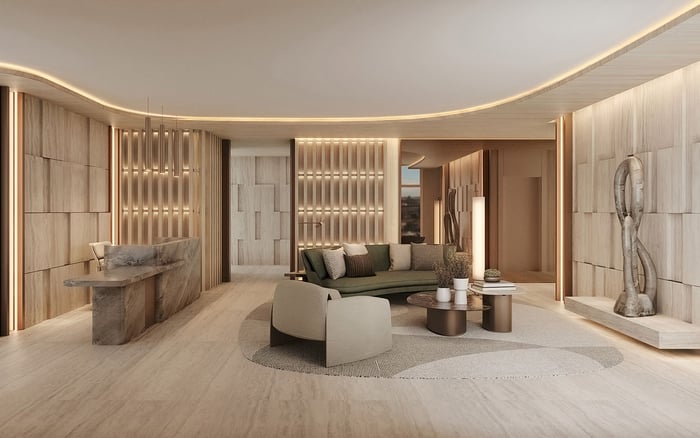
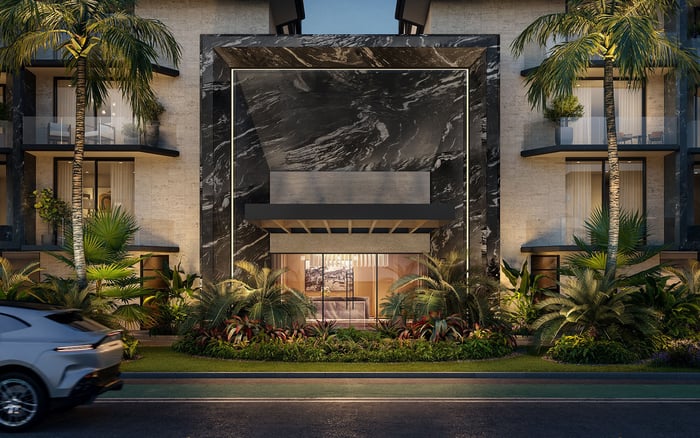
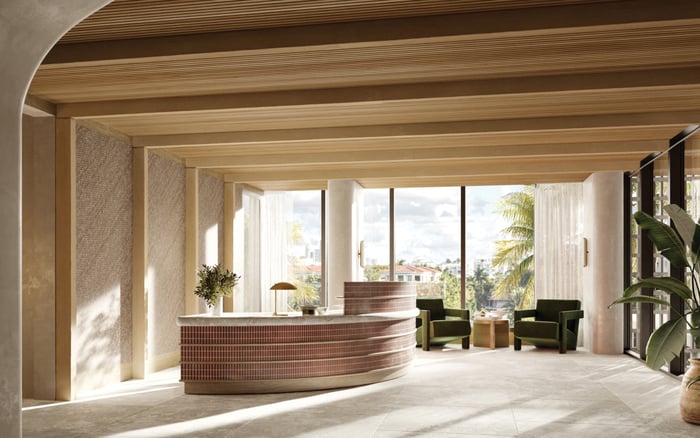
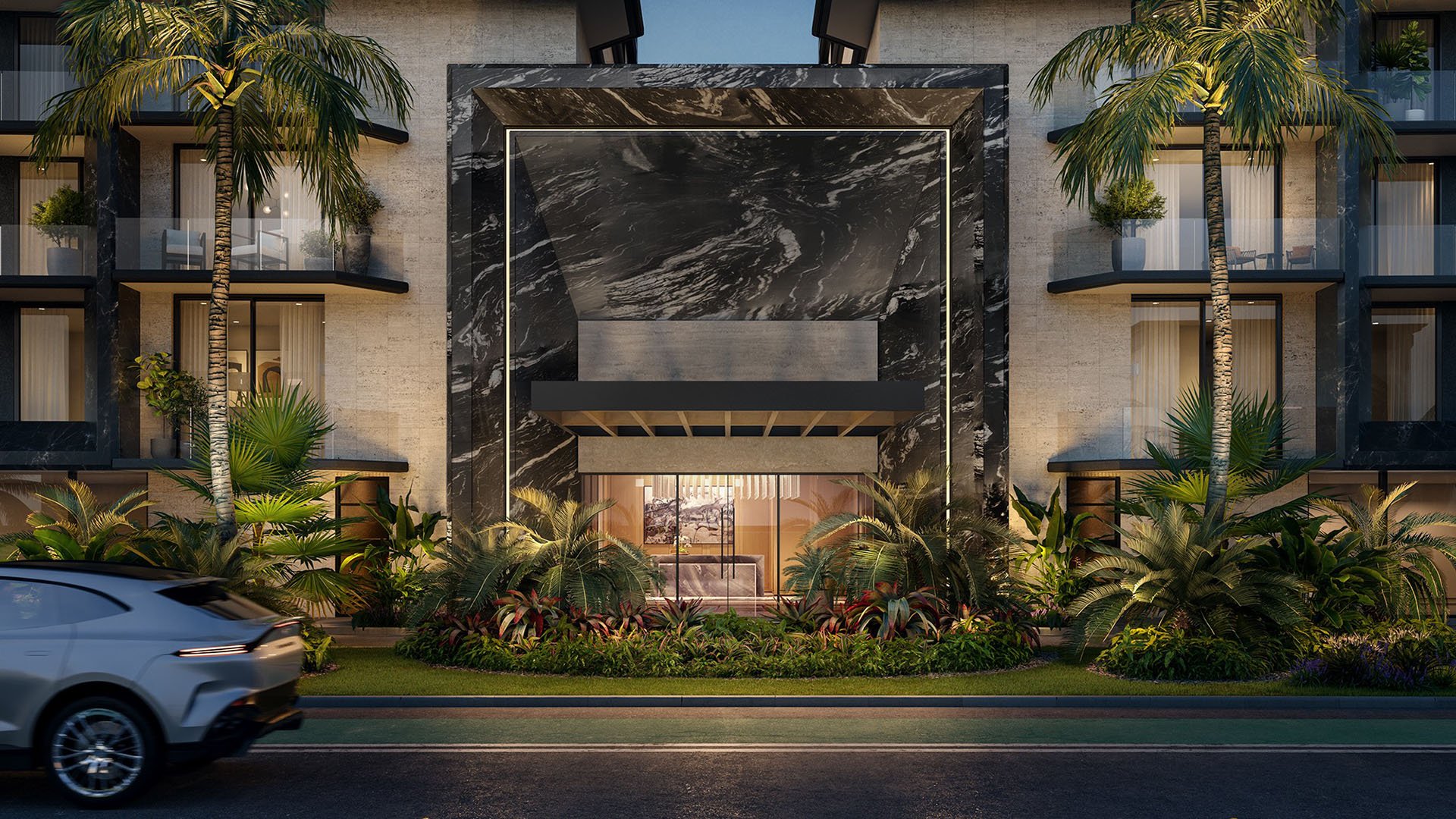
The most thoughtful amenity programs begin with arrival. For weekday residents, the first layer of luxury is not necessarily a grand room. It is predictability. A gracious entry sequence, clear circulation, attentive building presence, and a sense that private life is being protected can matter as much as a highly photographed leisure space.
In practice, the building should help residents move through the day with fewer interruptions. A buyer should ask how easily daily transitions occur: from car to residence, from residence to shared space, from hosting to privacy, and from active hours to rest. If those movements feel natural, the amenity program is doing its job. If they feel exposed or overcomplicated, the building may be more impressive on paper than in use.
For weekday living, the amenity program also becomes a buffer. It can absorb the overflow of modern life: a quick conversation outside the residence, a quiet pause between appointments, or a place to decompress without leaving the property. The value is not only convenience. It is emotional efficiency.
Boutique living has particular resonance in Bay Harbor Islands because many buyers are not seeking the anonymity of a very large tower. They want privacy, but not isolation. They want service, but not the constant energy of a hotel. They want shared spaces that feel available and refined, not crowded or overprogrammed.
This is where the scale and temperament of a building can become a weekday advantage. When a property is conceived for a more residential pace, amenities can feel like extensions of the home rather than destinations competing for attention. That distinction matters for owners who work from home part of the week, split time between residences, or rely on the building to provide a calm base between travel and appointments.
The broader market is increasingly attuned to this quieter form of luxury. In the same neighborhood conversation, The Well Bay Harbor Islands reflects how wellness, daily rhythm, and residential calm have become part of buyer vocabulary. The point is not that every project must feel the same. It is that buyers are asking more sophisticated questions about how buildings support life, not just leisure.
In South Florida, luxury living is often described through dramatic visuals, resort language, or weekend imagery. For weekday living, the more practical benefit is atmosphere. A calm building environment can change how a home feels after a demanding day, especially when shared spaces are planned to preserve quiet rather than turn every amenity into a stage.
At Bay Harbor Towers, the strongest buyer question is not simply whether the setting is attractive. It is whether the amenity program allows residents to enjoy the property in a way that feels private, usable, and restorative. A morning coffee, a brief outdoor pause, or a low-key evening reset can become more valuable over time than a feature used only when guests arrive.
Bal Harbour nearby reinforces the importance of restraint. The surrounding luxury context is polished, but the weekday buyer often wants the residence itself to feel calm. That is the difference between a building that impresses visitors and a building that quietly improves daily life.
A polished presentation can make any amenity program feel persuasive. The real evaluation happens through practical questions. How do spaces feel at different times of day? Do shared areas support both solitude and social use? Is there a clear distinction between public-facing energy and private residential calm? Does the building make it easy to host without compromising the serenity of the home?
Buyers should also consider whether the amenity program supports their actual weekday rituals. For some, that may mean wellness access before work. For others, it may mean a comfortable place to meet a guest, a quiet corner for a call, or effortless transitions after school pickup, airport arrivals, or evening plans. The best amenity program is not always the largest. It is the one that removes the most friction from the day.
This is why Bay Harbor Towers should be read as part of a broader lifestyle decision. The residence, the building, and the neighborhood have to work together. When they do, luxury becomes less about display and more about control over time, privacy, and pace.
What is the main weekday appeal of Bay Harbor Towers? Its appeal is best understood through convenience, privacy, and the way an amenity program can support daily routines with less friction.
Why do amenities matter more during the week than on weekends? Weekdays reveal whether a building truly works, from arrivals and wellness routines to quiet transitions between work and home.
Is Bay Harbor Towers mainly for seasonal owners? It can be considered by seasonal and full-time buyers, but the weekday lens is especially useful for those who plan to use the residence regularly.
How should buyers compare Bay Harbor Towers with other Bay Harbor Islands projects? Compare atmosphere, privacy, circulation, and the usefulness of shared spaces rather than focusing only on visual impressions.
Does a boutique building always mean fewer amenities? Not necessarily. Boutique scale can mean a more discreet, residentially focused amenity experience when the program is well considered.
Why is a calm setting relevant to weekday routines? A calm environment can make daily resets feel easier, especially when arrival areas and shared spaces are planned for quiet use.
What should buyers observe during a tour? Pay attention to arrival flow, privacy, noise levels, shared-space comfort, and whether the building feels composed at practical times of day.
Is Bal Harbour part of the buyer conversation? Yes. Many buyers consider the nearby Bal Harbour luxury context when evaluating the convenience and tone of Bay Harbor Islands living.
Are amenity programs becoming more lifestyle driven? Yes. Buyers increasingly look for spaces that support wellness, work, hosting, privacy, and everyday efficiency in a cohesive way.
What is the best way to evaluate value here? Focus on how often the building will improve ordinary days, since repeated daily usefulness can be more meaningful than occasional spectacle.
For a discreet conversation and a curated building-by-building shortlist, connect with MILLION.
If branded residences are on your mind — as a home or as an allocation — we would be glad to share what we are seeing, privately.
Begin a quiet conversation